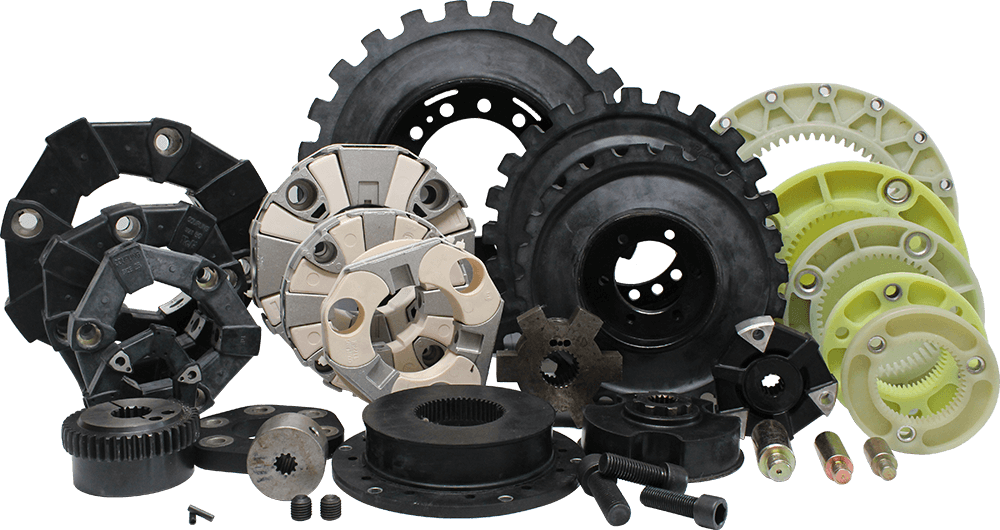
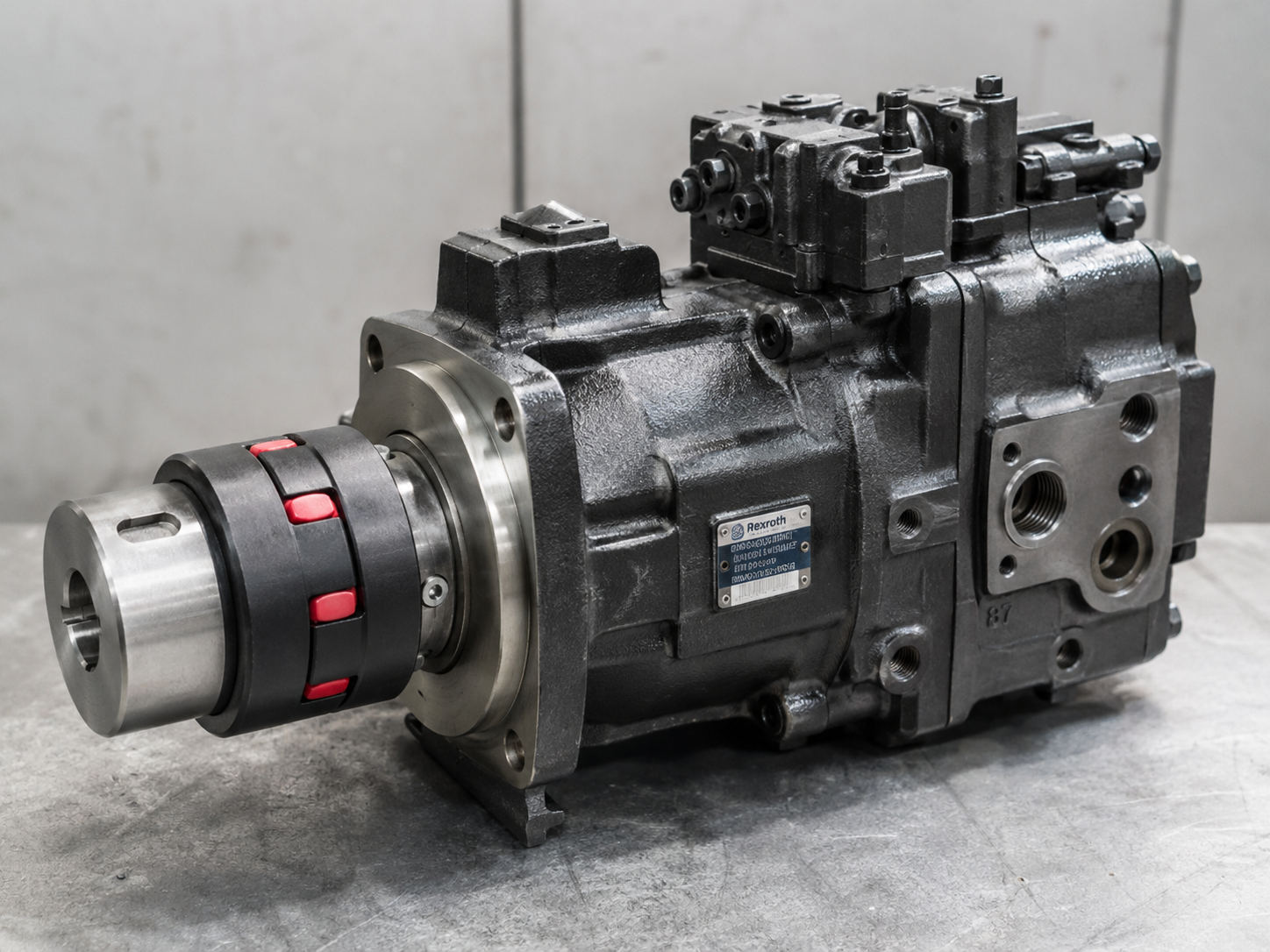
You can find flexible rubber couplings in machines that work a lot. A flexible coupling joins two spinning shafts and helps them move together. These couplings use rubber to soak up shakes and keep parts safe from harm. Flexible rubber couplings help machines stay quiet and safe. YNF Rubber makes strong couplings for many kinds of machines. If you pick the right coupling, your machines work better and last longer.
Key Takeaways
Flexible rubber couplings join two spinning shafts. They absorb shocks and cut down noise. This helps machines run more smoothly.
These couplings deal with misalignments. They keep your equipment safe. They help it last longer.
Checking and caring for couplings often stops problems. It lowers repair costs. It keeps machines working well.
Picking the right coupling depends on torque, load, and conditions. This boosts machine performance. It makes machines last longer.
Custom solutions from makers like YNF Rubber are available. They give couplings made for special machine needs.
What Are Flexible Rubber Couplings?
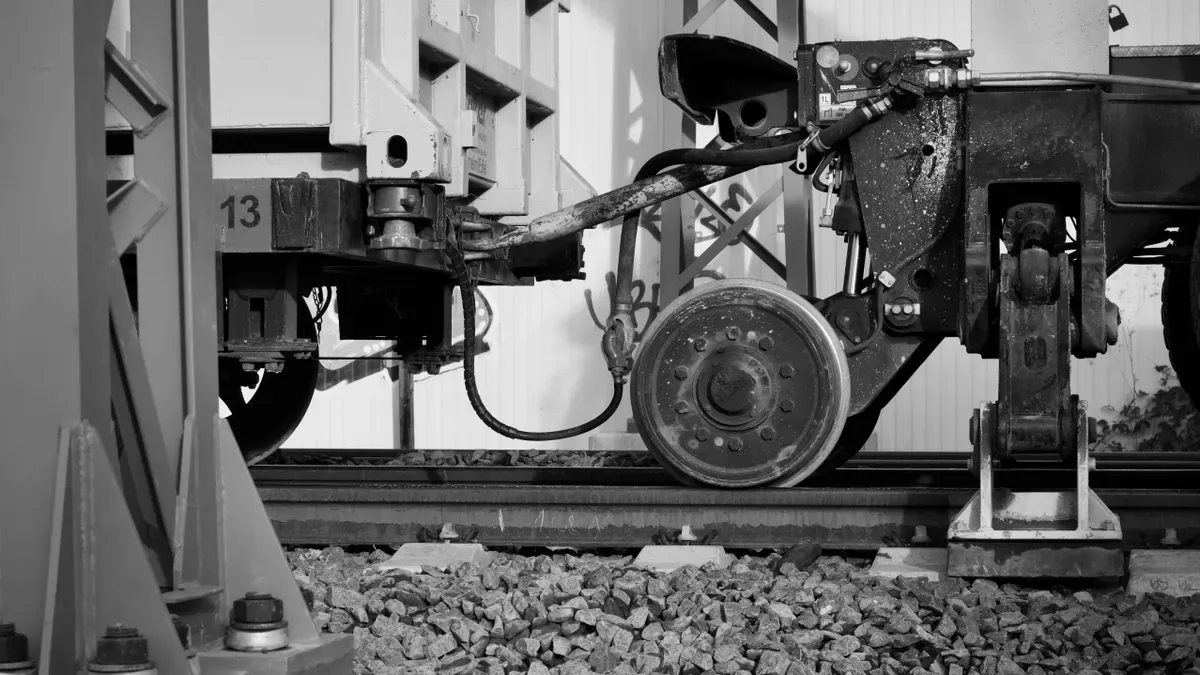
Definition and Purpose
Flexible rubber couplings join two spinning shafts in machines. They move power from one shaft to another, even if the shafts are not lined up. These couplings help machines run smoothly by soaking up shakes and making less noise. They keep machine parts safe from harm caused by misalignment, sudden loads, and changes in heat.
Flexible rubber couplings are made from natural or synthetic rubber. Makers often add fabric or metal sleeves to make them stronger. This design gives the coupling both strength and flexibility. You can find these couplings in pumps, compressors, engines, and construction equipment. They work well where you need to stop shakes and handle small misalignments.
YNF Rubber is a trusted maker of flexible rubber couplings. The company uses good materials and careful engineering to build strong products. YNF Rubber couplings last longer and help machines stay steady and work well.
Tip: Flexible rubber couplings can handle misalignments up to 1.5 degrees and some parallel misalignment. This keeps your machines safe and lowers wear.
How Flexible Rubber Couplings Work
Flexible rubber couplings use rubber to soak up shocks and shakes. When your machine runs, the coupling moves torque between the shafts. The rubber part squeezes and stretches, which helps lower noise and protect parts.
You can see how flexible rubber couplings work by looking at their main mechanical ideas:
Mechanical Principle | Description |
|---|---|
Torque Transmission | The coupling moves power between shafts, making your machine work well. |
Misalignment Accommodation | It handles parallel and angled misalignment, giving you more options when installing. |
Shock and Vibration Absorption | The rubber soaks up sudden loads and shakes, keeping your equipment safe. |
Torsional Flexibility | The coupling lets twisting movement happen, which stops shakes between shafts. |
End Float Handling | It handles movement along the shaft, helping keep shafts lined up while working. |
Flexible rubber couplings come in two main kinds:
Mechanically flexible couplings use loose or rolling parts to give flexibility.
Elastomeric flexible couplings use squeezing and stretching of rubber or other polymers to soak up shocks and shakes.
The materials in flexible rubber couplings change how they work. Natural and synthetic rubber help lower shakes and noise. Strong composites, like steel bands with synthetic polymers, help the coupling handle high pressure and heat changes. This makes flexible rubber couplings good for tough places.
YNF Rubber makes sure their couplings are strong and last long by using steady materials, good fit, and longer life. Their couplings lower shakes, move power smoothly, and fix small misalignments. You get steady work and machines that last longer.
Note: Flexible rubber couplings are simple to put in and need little care. You can use them in many fields, like construction, cars, and boats.
Main Functions and Benefits
Vibration Damping and Noise Reduction
You want your machines to work quietly. Flexible rubber couplings help with this. The coupling uses rubber to soak up shakes from moving parts. This lowers noise in your workspace. Using a flexible coupling protects your ears. It makes the area safer for everyone. Less shaking means less wear on bearings and seals. This helps your system work better and last longer.
Tip: A good coupling design stops unwanted movement. This makes your machine last longer and work better.
Misalignment Compensation
Shaft misalignment happens a lot in machines. Flexible rubber couplings can handle different shaft misalignments, like:
Angular misalignment: Shafts are at an angle.
Parallel misalignment: Shafts are side by side but not lined up.
Axial misalignment: Shafts move closer or farther apart.
The coupling lets the rubber stretch and squeeze. This keeps your machine working even if shafts are not lined up. You get more safety because the coupling stops damage from misalignment. Your equipment lasts longer.
Shock Absorption and Equipment Protection
Machines face sudden loads and shocks. Flexible rubber couplings act like a soft cushion. The coupling absorbs shocks before they reach important parts. This keeps your machine safe from overloads. You avoid loose fasteners and limit damage to shafts and couplings. Your equipment stays safe. You spend less time fixing things.
Durability and Longevity with YNF Rubber
A strong coupling design means you do not replace parts often. Flexible rubber couplings use good materials that resist oil, heat, and stress. Some designs last many years with little care. You save money because you do not buy new couplings often. This durability helps your system work better and lowers downtime.
Note: Flexible rubber couplings are easy to put in and need little care. You get a cost-effective solution that keeps your machines running well.
Types of Flexible Rubber Couplings
You can find many types of flexible rubber couplings in machines today. Each type has its own features and works best in certain jobs. This section helps you understand the main types and how they fit different needs.
Jaw Couplings
Jaw couplings use two metal hubs and a rubber part called a spider. The spider sits between the hubs and keeps them from touching. This design means you do not need oil or grease. You can change the spider easily if it wears out. Jaw couplings work well in general machinery. They handle small misalignments and help lower noise.
Coupling Type | Distinguishing Features |
|---|---|
Jaw Couplings | No metal-to-metal contact, no lubrication needed. Fail-safe design. Easy spider replacement. Handles small misalignments. |
Tip: Use jaw couplings when you want simple setup and easy care.
Tire Couplings
Tire couplings have two hubs and a rubber tire between them. The tire gives high flexibility. You can use tire couplings in places with lots of vibration or shock. They work well in engine-driven machines and mining tools. Tire couplings can handle bigger misalignments than jaw couplings.
Coupling Type | Distinguishing Features |
|---|---|
Tire Couplings | Flexible rubber tire, high misalignment tolerance, great for vibration and shock absorption. |
Flange Couplings
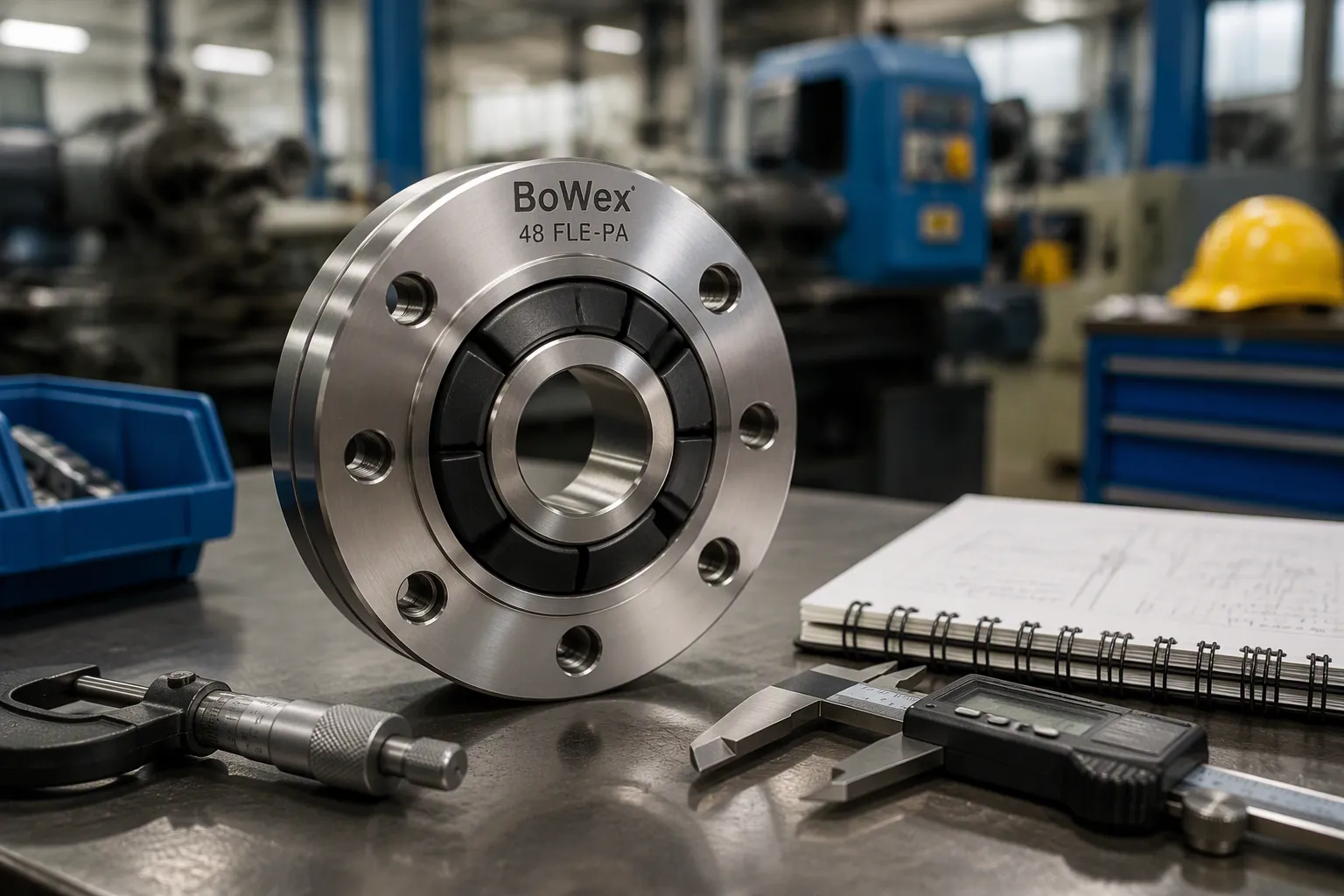
Flange couplings use two flanged hubs joined by bolts. A rubber element sits between the flanges. This type gives strong torque transfer and helps with alignment. You see flange couplings in pumps, compressors, and heavy machines.
Spline and Gear Hubs
Spline couplings use a sleeve with teeth that match the shaft. This stops slipping and keeps parts lined up. Gear couplings use teeth on both the hub and the sleeve. These types work well in machines that need strong torque and steady power.
Coupling Type | Distinguishing Features |
|---|---|
Spline Couplings | Sleeve with internal teeth, prevents slipping and misalignment. |
Gear Couplings | External and internal gear teeth, strong torque transmission. |
Custom Rubber Couplings by YNF Rubber
Sometimes, you need a coupling made just for your machine. Custom rubber couplings can match special sizes, shapes, or materials. You can ask for features like higher strength or better fit. Custom couplings help your equipment work better and last longer.
Feature | Description |
|---|---|
Customization | Made to fit your machine’s needs and specs. |
Material Quality | Uses strong rubber for tough jobs. |
Application Fit | Works with many types of machines and brands. |
Note: You can choose the right flexible coupling by looking at your machine’s needs, the type of work, and the space you have.
Flexible Coupling Applications
Flexible coupling applications are used in many industries. These couplings help machines work better. They handle misalignment and lower vibration. They protect parts from shock. You can find different types of flexible coupling in places where machines must run smoothly and last longer.
Industrial Machinery and Construction Equipment
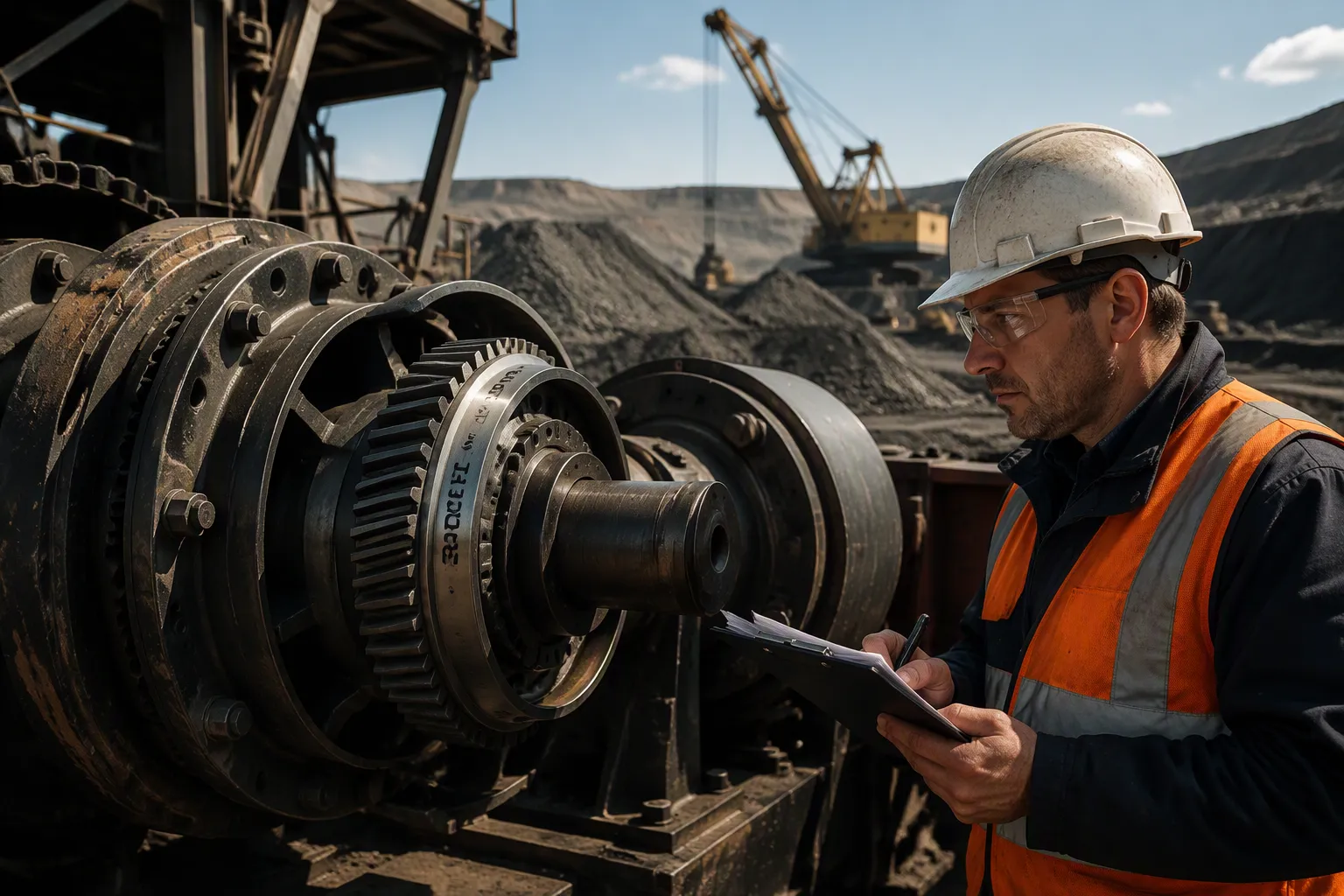
Factories and construction sites use many machines. These machines need reliable power transfer. Coupling applications are found in conveyors, crushers, and mixers. They are also used in heavy-duty construction equipment. These couplings move torque and absorb shocks. They keep machines safe during tough jobs. Using the right coupling lowers downtime. It helps your equipment last longer.
Machines in factories and construction often start and stop a lot. Flexible couplings keep things running smoothly. They work well even when loads change fast.
Automotive and Marine Uses
Cars, trucks, and boats use flexible coupling applications too. In vehicles, couplings connect engines to transmissions and drive shafts. They help lower noise and vibration. This makes rides smoother. In marine systems, couplings protect engines and propellers. They stop damage from misalignment or sudden shocks. You see flexible couplings in small boats and big ships.
Air Compressors, Pumps, and Generators
Coupling applications are used in air compressors, pumps, and generators. They help keep power flowing steady. These machines often face vibration and misalignment. Flexible couplings absorb these forces. They protect the equipment. You find couplings in water pumps, industrial compressors, and backup generators. They help these machines run without trouble.
Common Machinery | Coupling Applications |
|---|---|
Air Compressors | Vibration damping, torque transfer |
Water Pumps | Misalignment compensation |
Generators | Shock absorption, smooth operation |
Integration with Leading Brands
Many famous brands use flexible coupling applications in their machines. These brands trust couplings to make machines work better. They also protect equipment. You see couplings in products from top names in construction, automotive, and marine industries. The wide use of couplings shows they are important. They help keep machines safe and efficient.
Flexible rubber couplings are important in many fields. They help handle misalignment and absorb shocks. They also lower vibration. Picking the right coupling helps your machines work safely and smoothly.
Choosing the Right Flexible Rubber Coupling
If you want your machines to work well, you need the right flexible coupling. There are steps you can follow to pick the best one. Each step helps you learn what matters when choosing a flexible coupling.
Assessing Torque and Load Requirements
You should know how much power your machine uses. Start by finding out the motor’s power. Then, check how fast it spins. You can use a formula to figure out the torque:
Torque (N·m) = (Power (kW) × 9550) / Speed (RPM)
Think about extra loads and stresses too. These can happen when machines start or stop quickly. Heavy work can also cause more stress. Add a service factor to your math to cover these extra needs. After you get the torque, pick a coupling that can handle it. If you are not sure, ask an expert for help.
Find your motor’s power.
Check how fast it spins.
Use the formula to get torque.
Add a service factor for extra loads.
Pick a coupling that fits your torque.
Ask an expert if you need help.
Tip: Always check the torque rating before buying a coupling. This keeps your machine safe and working well.
Considering Misalignment and Environment
Look at how your shafts line up. Machines often have shafts that are not perfect. Flexible couplings can handle different misalignments. Check the type and amount in your setup.
Think about where your coupling will work. The environment can change how long your coupling lasts. Here are some things to think about:
Look at the place where you use the coupling.
Check the temperature it will face.
Decide if the area is corrosive.
Outdoor setups may need weatherproof couplings.
Underground systems need protection from soil chemicals.
Note: Couplings made for tough places last longer and protect your machines better.
Sizing and Fit for Your Machinery
Make sure the coupling fits your machine. Measure the shaft sizes and check the space you have. Match the coupling size to your shaft diameter and length. If the coupling is too small or big, it will not work right.
You can use a table to compare sizes:
Shaft Diameter | Coupling Size | Space Needed |
|---|---|---|
Small | Compact | Tight |
Medium | Standard | Moderate |
Large | Heavy Duty | Wide |
Check the mounting style too. Some couplings use bolts. Others use clamps. Pick the style that fits your machine best.
Tip: Always double-check your measurements before ordering a coupling.
Custom Solutions from YNF Rubber
Sometimes, your machine needs a special coupling. Custom solutions help you get the best fit and performance. YNF Rubber offers many custom features for flexible rubber couplings. Here are some options:
Feature | Description |
|---|---|
Size | 30.5 × 36.5 × 3.35 mm (customizable) |
Material | Works with oil, water, and hydraulic fluids |
Durability | Excellent wear resistance and elasticity |
Sealing | Leak-proof for static and dynamic applications |
Customization | OEM and aftermarket machinery options |
Service Life | Long life under high pressure and temperature |
Custom couplings are used in many places:
Hydraulic pumps and valves need leak-proof sealing.
Industrial machines use reliable sealing for parts.
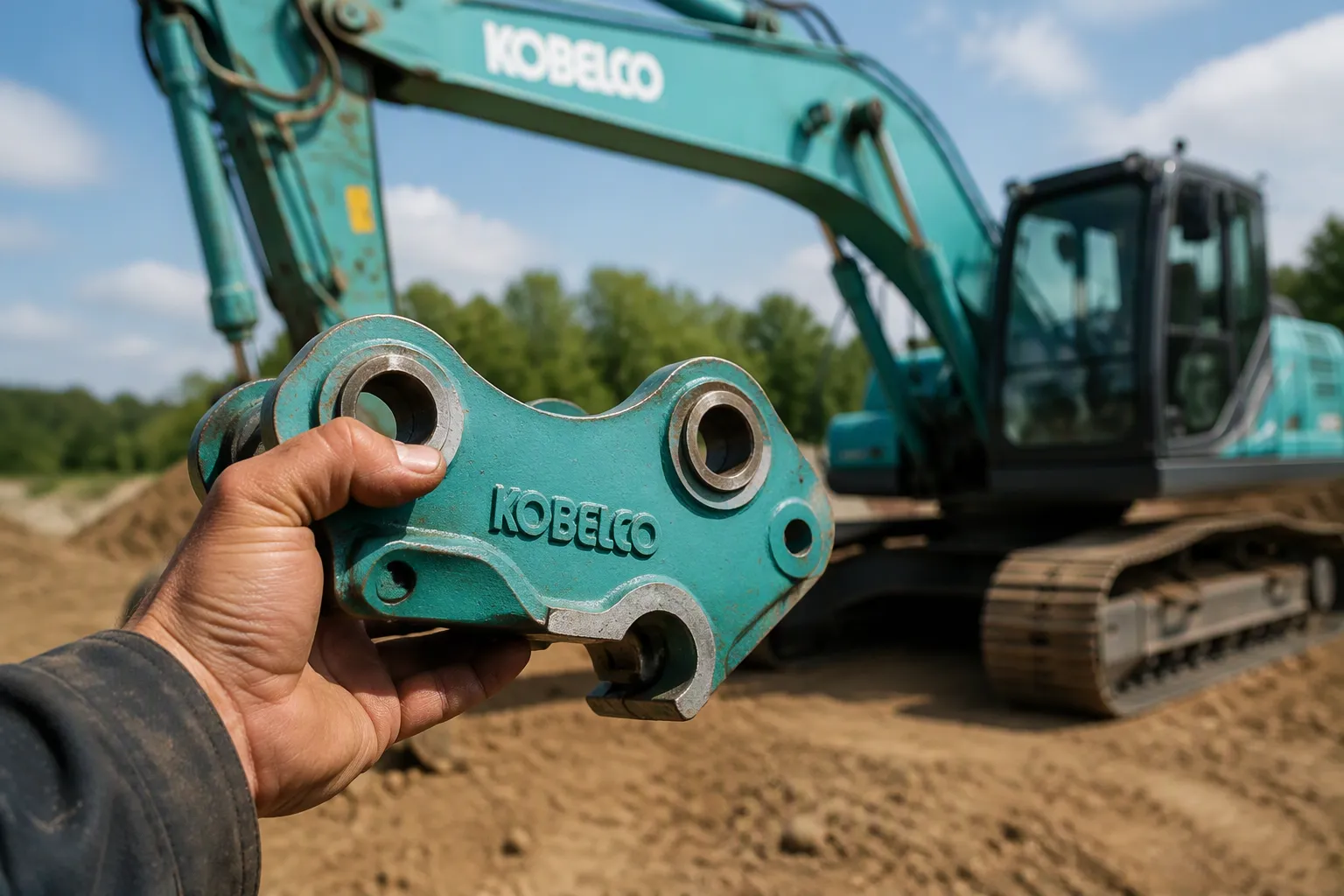
Excavators and construction machines protect hydraulic systems.
Custom OEM parts fit special sealing needs.
Repair shops use custom couplings for fixing and replacing.
Custom solutions help you match your exact needs. You can get the right size, material, and durability for your machine. This keeps your equipment running longer and safer.
Tip: If you have special needs, ask for custom couplings to fit your machine perfectly.
Common Issues and Maintenance Tips
You want your flexible coupling to last a long time and work well. You can do this by following some simple steps for installation, inspection, and care. Here are some common issues and maintenance tips to help you avoid problems and lower maintenance costs.
Installation Best Practices
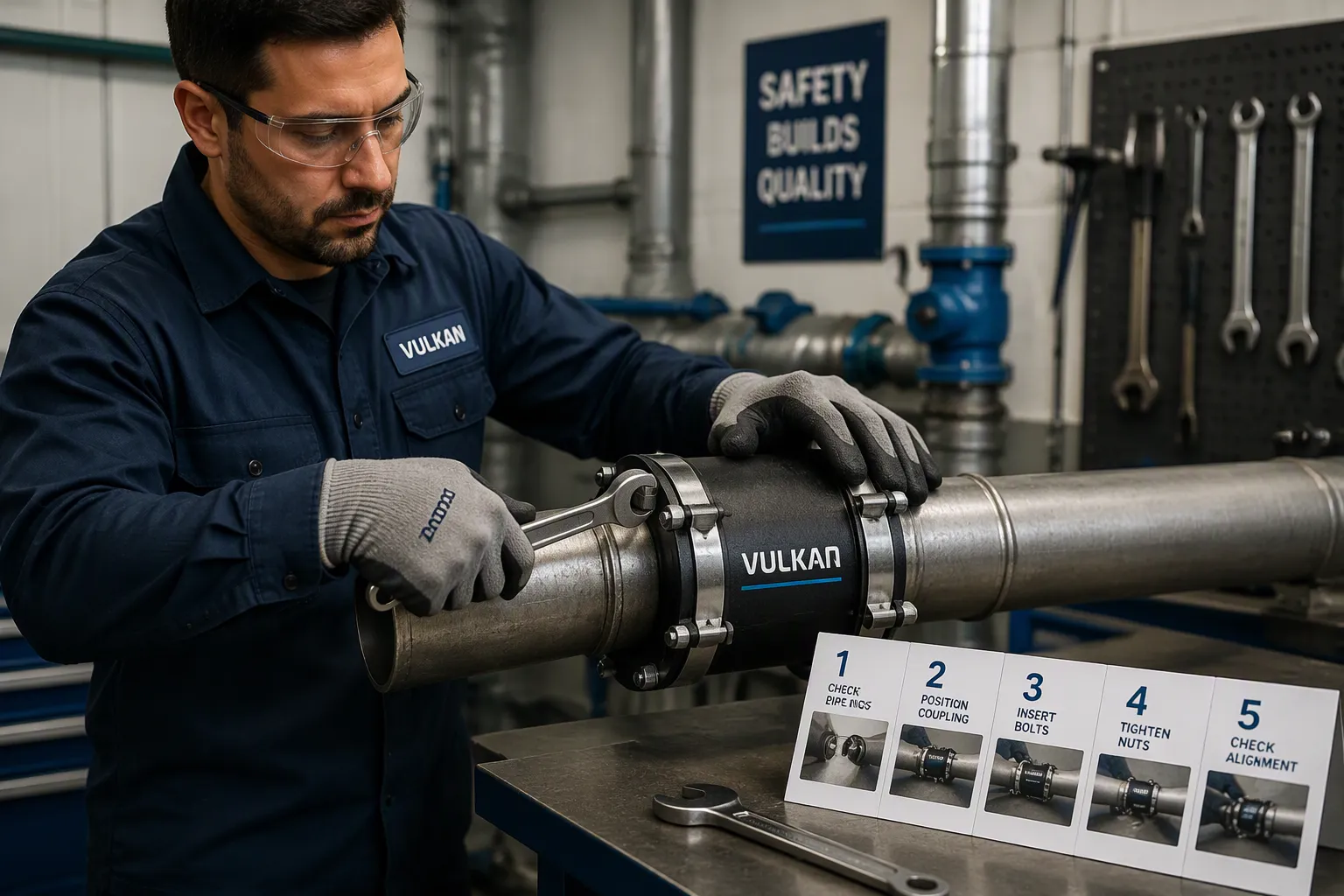
When you install a coupling, you need to avoid mistakes that can cause trouble later. Here are some common errors and how you can prevent them:
Use the right size coupling for your shaft. If the size is wrong, leaks or failures can happen.
Do not over-tighten bolts or clamps. Too much force can crush the rubber or deform the parts.
Make sure the shafts line up as closely as possible. Misalignment puts extra stress on the coupling.
Think about the environment. Heat, oil, or chemicals can wear out the rubber faster.
Do not skip regular checks after installation.
Always use new couplings for new jobs. Old ones may break without warning.
Support the pipes or shafts well. Poor support can strain the coupling.
Tip: Follow the installation guide for your coupling to avoid early wear and lower maintenance costs.
Routine Inspection and Troubleshooting
You should check your coupling on a set schedule. This helps you find problems before they get worse. Here is a simple table to help you remember what to do:
Inspection Task | Frequency |
|---|---|
Inspect couplings | Every 2,500 hours |
Tighten bolts | Every 5,000 hours |
Full checkup | Every 10,000 hours |
You should look for cracks, wear, or changes in the rubber. Check for loose bolts or clamps. Clean off any dirt or debris. Replace worn parts right away. These steps help you lower maintenance costs and keep your machine running smoothly.
When to Replace a Flexible Rubber Coupling
Sometimes, you need to change your coupling to keep things safe. Watch for these signs:
Leaks around the coupling, like drips or puddles.
Strange noises, such as rattling or squeaking.
Less power or flow in your machine.
Extra vibration or shaking.
Cracks or visible damage on the rubber.
If you see any of these, replace the coupling soon. This helps you avoid bigger problems and lower maintenance costs.
Maintenance-Free Options from YNF Rubber
Some couplings are made to need little or no care. These designs use strong rubber and smart shapes to last longer. You can use them in tough places and still get cost-effective maintenance. With these options, you spend less time fixing things and more time working.
Note: Choosing the right flexible coupling and following these common issues and maintenance tips will help you lower maintenance costs and keep your machines safe.
Flexible couplings help machines work better. They lower vibration and noise. They protect parts from damage. Couplings handle misalignment between shafts. This keeps machines safe. They also absorb shocks from sudden loads. This stops parts from breaking. Flexible couplings save money by lowering maintenance. They help machines last longer. Look at the table below to see the main benefits and uses:
Benefit/Application | Description |
|---|---|
Vibration Damping | Makes machines quieter and protects parts |
Misalignment Handling | Stops shafts from getting damaged |
Shock Absorption | Keeps parts safe from sudden hits |
Cost-Effective | Helps you spend less on repairs |
Picking the right coupling makes your machine work well. It lowers wear and saves money over time. Regular checks and good choices keep machines running smoothly.
FAQ
What is a flexible rubber coupling?
A flexible rubber coupling joins two spinning shafts. It helps soak up vibration and fix misalignment. This keeps your machine safe and working well.
How do I know when to replace my coupling?
Look for cracks, leaks, or extra shaking. If you hear odd sounds or see damage, change the coupling soon. Checking often helps you find problems early.
Can flexible rubber couplings handle high torque?
Yes. Flexible rubber couplings work in machines with high torque. They move power well and keep your equipment safe from sudden loads. Always check the torque rating before picking a coupling.
Where can I find trusted flexible rubber couplings?
You can get flexible rubber couplings from trusted makers like YNF Rubber. They have good products and custom choices for many jobs. Go to their website to learn more.
What types of machines use flexible rubber couplings?
Flexible rubber couplings are used in pumps, compressors, engines, and construction gear. They help lower vibration and fix misalignment in these machines.