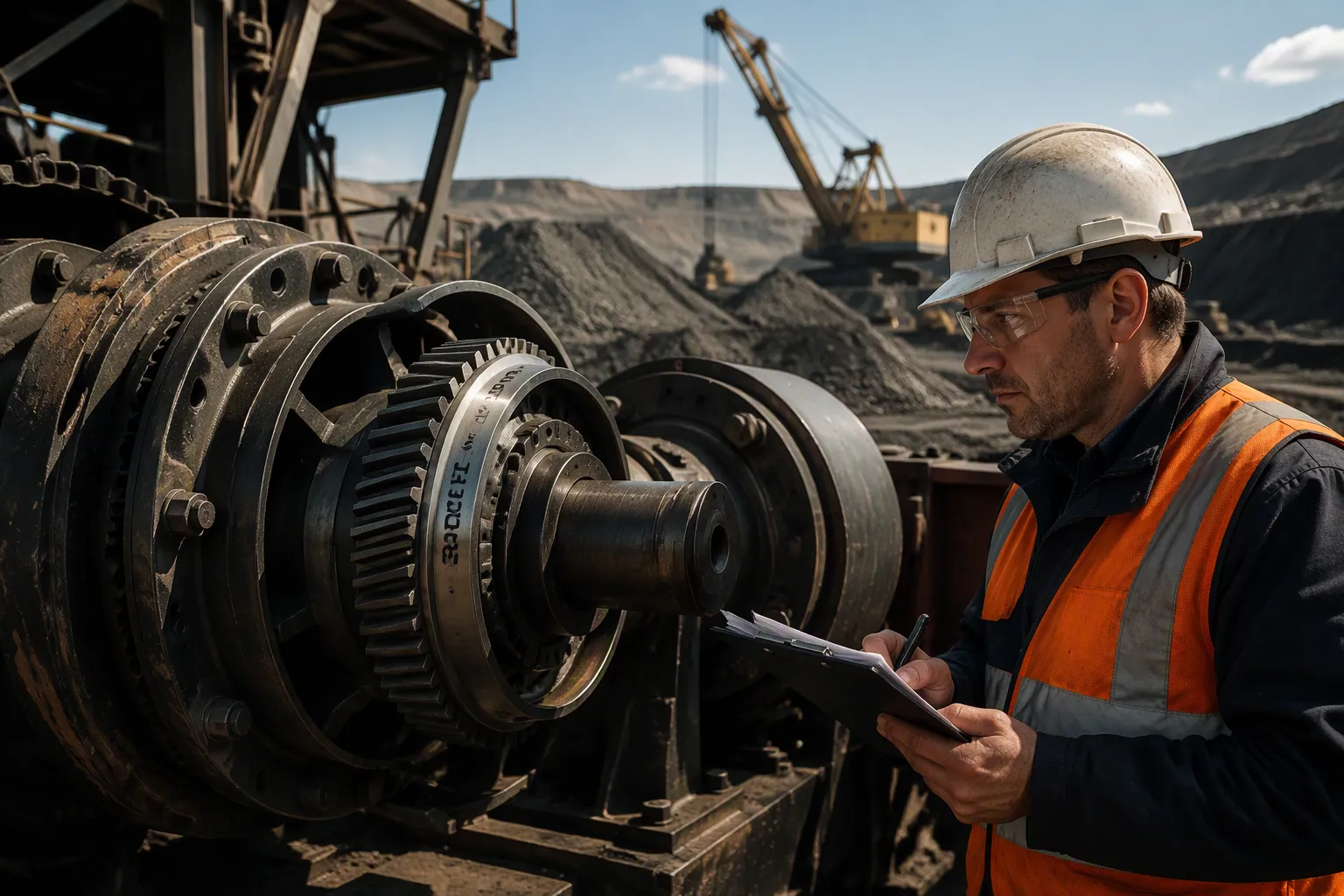
A mining machine parts bowex coupling is a curved-tooth gear coupling that makes a stiff but flexible shaft connection. It handles high torque, shock loads, and misalignment in tough environments. This makes it very important for excavators and other mobile mining machines. The article looks at coupling types, benefits, selection, and maintenance. Mining machine parts like BoWex play a key role in protecting the driveline. The curved teeth allow misalignment while still passing torque along. BoWex couplings stand up to dirt, dust, and extreme temperatures. Choosing one requires the right torque and misalignment capacity. Safety rules require covers that are not made of light metal. This design protects drivelines from damage caused by sudden loads. Regular inspection prevents unexpected breakdowns.
Key Takeaways
BoWex couplings connect shafts using curved teeth that can manage misalignment and high torque.
These couplings protect mining drivelines from shock loads and don’t need regular maintenance.
To meet safety rules, underground mining needs a coupling with a steel cover.
Watch for shaking, noise, or lower efficiency so you can replace the coupling early and stop breakdowns.
How BoWex Couplings Work
Gear Tooth Engagement and Flexibility
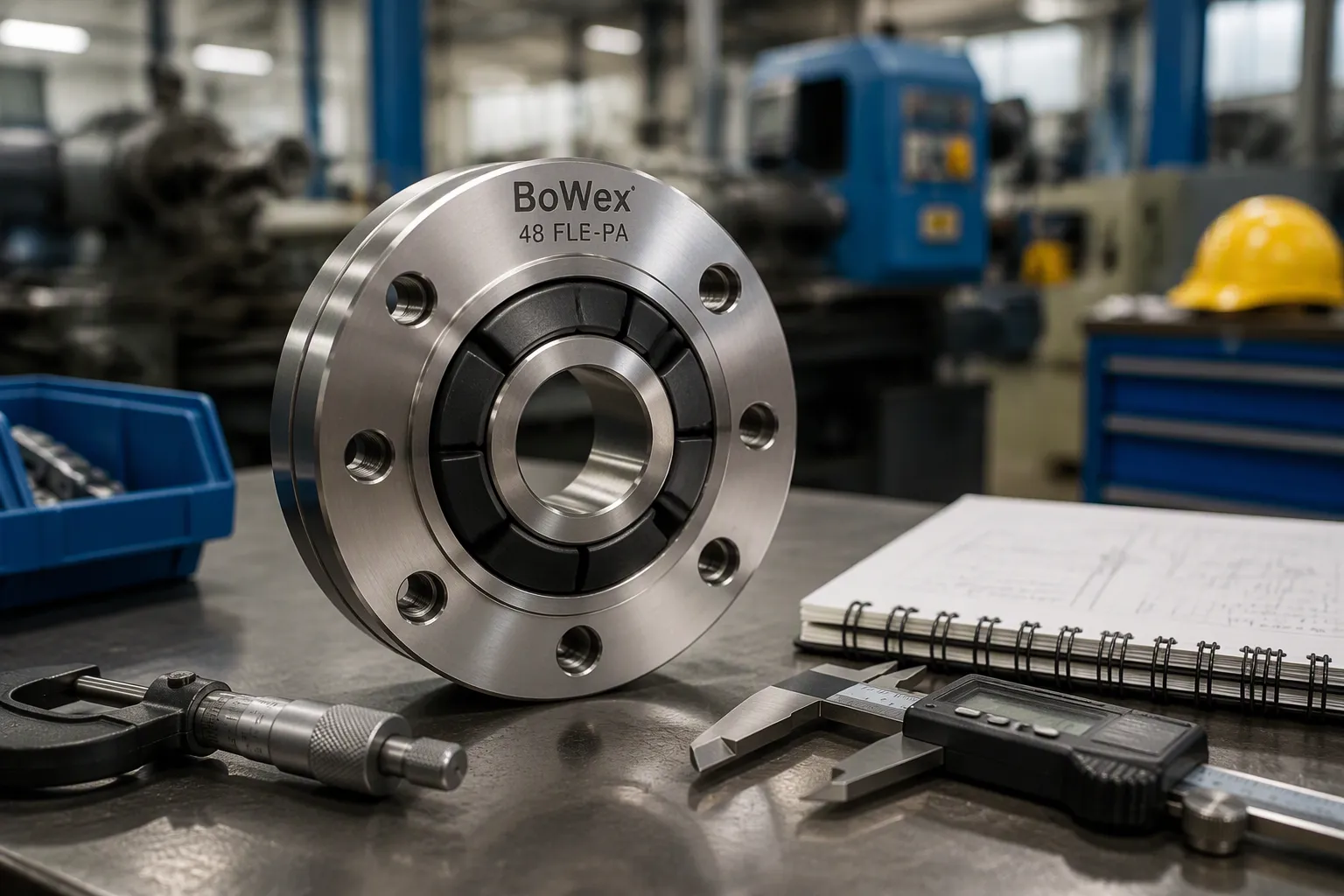
A BoWex coupling joins two shafts using a pair of toothed hubs and a toothed sleeve. The teeth on the hubs have a curved shape. This curve is the main feature. It lets the hubs tilt inside the sleeve when the shafts are not lined up. The teeth touch across the full face width, so the load spreads over many teeth at once. That spread keeps stress low and lets the coupling handle high torque without damage in one spot.
The fit is positive. Metal teeth press against metal teeth, and torque goes straight from one shaft to the other. Nothing depends on friction or a rubber part to carry the load. This is different from elastomeric couplings, which send torque through a flexible rubber or polyurethane insert. Those inserts soak up vibration well, but they wear out, age, and lose stiffness over time. A BoWex coupling keeps its torque capacity for the life of the part because the metal teeth do not get tired like an elastomer does.
The curved sides also let the hubs slide and tilt inside the sleeve. This motion covers angular misalignment, parallel offset, and axial float all at once. So one coupling handles the small shaft errors that show up in real machine assembly. YNF Rubber supplies BoWex couplings made with this curved-tooth design for mining drivelines.
Torsional Rigidity vs. Misalignment Compensation
Torsional rigidity and misalignment capacity usually pull in opposite directions. A rigid coupling holds shafts in perfect alignment and sends torque with almost no wind-up, but it cannot handle any offset. A soft coupling bends easily, yet it twists under load and shifts the timing between the engine and the driven machine. A BoWex coupling splits these two jobs apart. The teeth stay locked in the drive direction, so the coupling acts like a rigid body under torque. In the other directions, the curved sides let the hubs move freely.
This split behavior matters on mobile mining machines. An excavator engine fires in pulses, and the hydraulic pump pushes back with its own load changes. A coupling with too much wind-up would let those pulses build into torsional vibration. The BoWex design keeps the driveline stiff in torsion, so the pulses pass through without growing. At the same time, the coupling soaks up the frame flex and mounting error that come from rough ground and heavy loads.
The result is a part that protects bearings, seals, and gear teeth on both sides of the connection. It removes the need for exact shaft alignment during assembly. It also keeps the shaft timing steady, which matters for pumps and timing-driven accessories. Engineers pick this coupling when they need rigid torque transfer and real misalignment tolerance in the same package.
Mining Machine Parts: BoWex Coupling Types and Features
Standard and Curved-Tooth Couplings
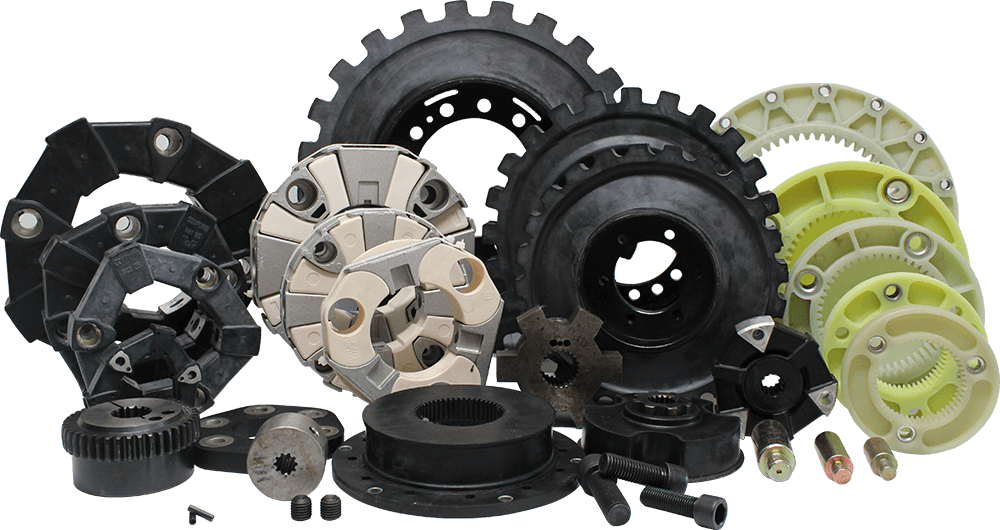
Standard curved-tooth couplings are the main part of most mining drivelines. These couplings use two toothed hubs and a flanged sleeve made from hardened steel. The curved tooth shape lets the hubs tilt and slide inside the sleeve. This design handles angular misalignment, parallel offset, and axial float in one small unit. Operators pick this type for excavators, haul trucks, and drilling rigs because it needs no lubrication and almost no upkeep.
YNF Rubber offers standard curved-tooth models for general mining use. These units carry high torque in a small frame. They resist dirt, dust, and temperature changes without losing performance. One coupling can connect an engine flywheel to a hydraulic pump or join a gearbox to a drive shaft. The metal-to-metal tooth contact keeps torque capacity steady over the full service life.
Elastic Couplings and Explosion-Proof Cover Options
Elastic BoWex couplings add a flexible part between the hubs. This part damps vibration and quiets the driveline. Mining machines with internal combustion engines make constant firing pulses. An elastic coupling soaks up those pulses before they reach the pump or gearbox. This protects bearings and seals from fatigue. The elastic insert also lowers noise, which matters for operator comfort and safety.
Underground mining equipment falls under group I M2 rules. These rules demand a cover that is not made of light metal. The cover must also show higher mechanical resistance. Aluminum and magnesium alloys can spark when struck. A steel cover removes that risk in explosive atmospheres.
Mining equipment in group I M2 requires a cover that is not made of light metal and that offers higher mechanical resistance.
YNF Rubber supplies both standard and elastic mining machine parts bowex couplings with steel covers that meet this standard. Buyers should confirm the cover material before ordering for underground work. The right cover keeps the coupling safe and compliant in hazardous zones.
Why BoWex Couplings Are Vital for Mining
Survival in Harsh Mining Environments
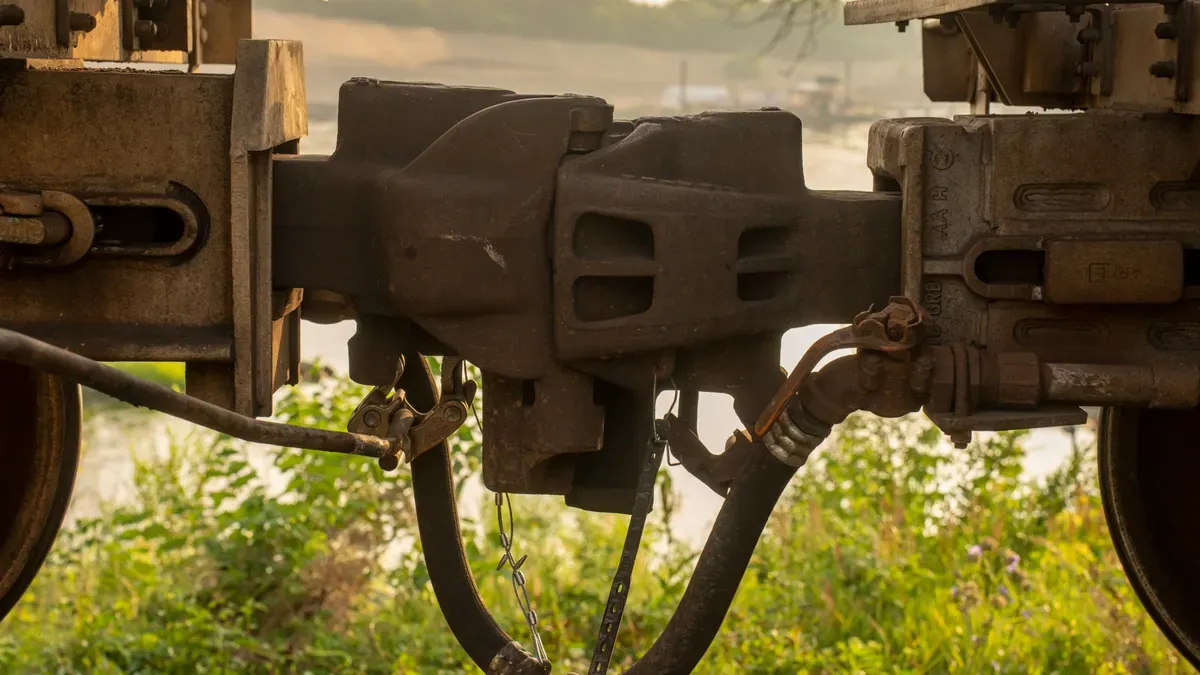
Mobile mining machines run in some of the toughest conditions on earth. Excavators dig through rock and ore. Haul trucks carry heavy loads over unpaved roads. Drilling rigs work in dust clouds that never settle. Every one of these machines depends on an internal combustion engine to turn a hydraulic pump or a generator. The coupling between the engine and the driven unit must survive the same punishment as the rest of the machine.
A BoWex coupling brings several practical benefits to this fight. The unit is compact, so it fits into the tight space between an engine flywheel and a pump without forcing a redesign of the mounting frame. The design is maintenance-free. There is no grease to add, no rubber insert to swap out, and no fluid to check. That matters on a job site where downtime costs more than the part itself.
High torque density sets the BoWex apart from other coupling styles. A small, light unit passes the full engine torque without flexing or slipping. The metal teeth carry the load directly, so the coupling does not need a large housing or a heavy outer shell. This keeps the driveline light and the machine balanced.
Protection from dirt, dust, and extreme temperatures rounds out the list. The sealed tooth engagement keeps abrasive particles out of the load path. The hardened steel teeth resist wear even when grit works its way into the area. The coupling holds its shape in cold mornings and hot afternoons alike. Mining machine parts bowex couplings earn their place because they keep working when lesser parts fail.
Protecting Drivelines from Shock Loads
Shock loads are the silent killer of mining drivelines. An excavator bucket slams into a rock face. A haul truck hits a pothole at full speed. A drill bit jams and then breaks free. Each event sends a torque spike back through the shaft and into the engine, the gearbox, and the pump. Without a buffer, those spikes crack gear teeth, flatten bearings, and blow out seals.
A BoWex coupling absorbs this punishment in two ways. First, the curved teeth spread the shock across many contact points at once. No single tooth takes the full hit. Second, the slight movement built into the tooth profile lets the coupling flex under sudden load. This flex soaks up energy that would otherwise travel straight into expensive components.
The result is a driveline that lasts longer and fails less often. Bearings keep their clearance. Seals stay tight. Gear teeth avoid the fatigue cracks that start at stress points. Maintenance crews spend less time on repairs and more time on production.
YNF Rubber supplies BoWex couplings built for this kind of abuse. Their units handle the shock, the dirt, and the temperature swings that define mobile mining work. Engineers who choose the right coupling protect the whole driveline, not just the connection point. That protection pays back every shift.
Selecting and Maintaining BoWex Couplings
Key Selection Factors for Mining Applications
Before ordering a coupling, engineers must match four things to the machine. The first is torque rating. The coupling has to handle the full engine torque plus extra room for shock events. A unit that is too small will wear out fast under rock-breaking loads. The second is misalignment capacity. The driveline layout decides how much angular, parallel, and axial error the coupling must take. A tight engine-to-pump fit needs less range than a long drive shaft on a haul truck.
The third factor is ambient temperature. Mining sites go from freezing mornings to very hot afternoons. The coupling material and any elastic insert must keep their properties across that whole range. The fourth factor is safety regulation. Underground equipment in group I M2 requires a cover that is not made of light metal and that offers higher mechanical resistance. A steel cover meets this rule. Buyers should check the cover material before ordering for hazardous zones.
YNF Rubber supplies mining machine parts bowex couplings in standard and elastic types with compliant steel covers. Their team helps buyers match torque, misalignment, and temperature needs to the right model.
When to Inspect and Replace
A BoWex coupling needs almost no routine maintenance. The metal teeth carry torque without grease, fluid, or a wearing insert. Crews should still check the unit during scheduled machine service. They look for loose mounting bolts, cover damage, and tooth wear.
Three signs mean it is time to replace the coupling. The first sign is more vibration. A worn tooth profile lets the hubs shift under load, and the driveline starts to shake. The second sign is strange noise. A clicking or grinding sound points to tooth damage or a loose fit. The third sign is loss of efficiency. The machine works harder to do the same job when the coupling stops moving torque cleanly.
Crews should replace the coupling at the first sign of trouble. A small part failure can crack gear teeth or flatten bearings on both sides of the connection. Replacing it early protects the whole driveline and avoids unplanned downtime.
BoWex couplings link shafts in mining machines using a curved-tooth design that has been tested over time. They handle high torque, need very little upkeep, and put up with real shaft misalignment. That mix is what makes them so important. They protect costly engines, pumps, and gearboxes from shock loads, reduce surprise downtime, and keep running through dirt, dust, and extreme temperatures.
Engineers should treat the choice of a coupling as a safety call. Underground equipment in group I M2 needs a cover that is not made of light metal. YNF Rubber sells steel-cover models that meet the rules. Regular checks for vibration, noise, and loss of efficiency let crews swap out a worn coupling early. Picking the right one plus routine checks gets the most life out of the machinery.
FAQ
What is the difference between a standard and an elastic BoWex coupling?
A standard coupling uses metal touching metal. It moves torque without any parts that wear out. An elastic coupling adds a soft insert. That insert soaks up shaking and cuts down noise from engine firing pulses.
Why must underground mining couplings use steel covers?
Group I M2 rules do not allow light metal covers in explosive zones. Steel covers get rid of the spark risk from an accidental hit. Engineers must check the cover material before they order a coupling for underground work.
How does a BoWex coupling protect bearings and gears from shock loads?
Curved teeth spread the shock over many contact points at once. The tooth shape also lets the parts move a little under a sudden load. This movement soaks up energy that would otherwise crack gear teeth or flatten bearings.
What inspection signs mean a BoWex coupling needs replacement?
Three signs point to replacement: more vibration, strange clicking or grinding noise, and a drop in machine efficiency. Crews should swap the coupling at the first sign of trouble to protect the driveline.
What torque rating should engineers choose for mining applications?
The coupling must handle full engine torque plus extra room for shock events. A unit that is too small wears out fast under rock-breaking loads. YNF Rubber supplies BoWex couplings in many torque ratings to match each machine.