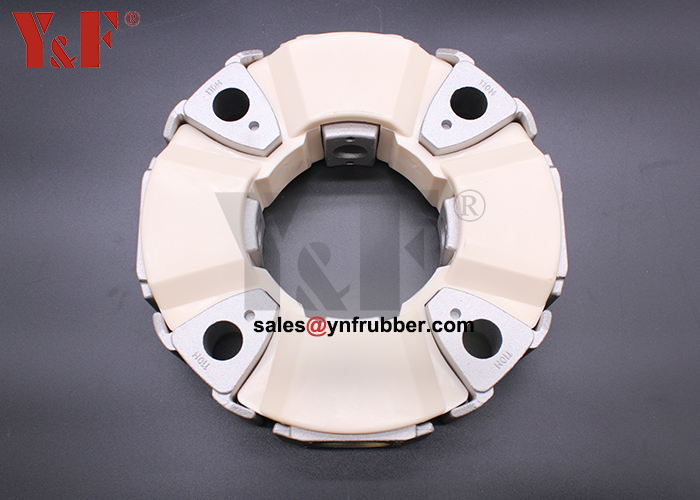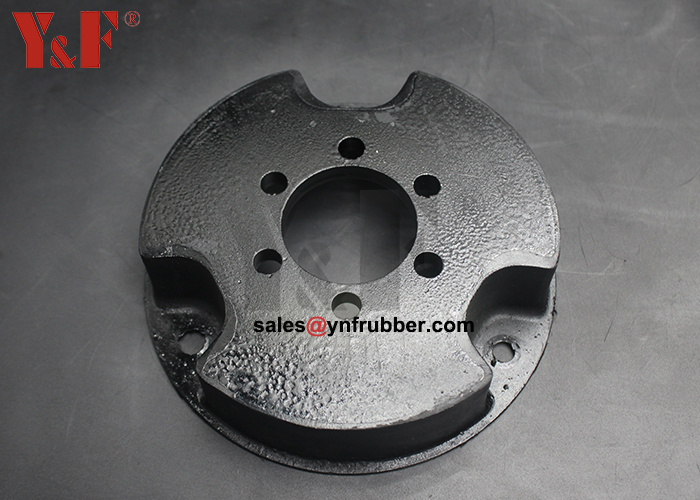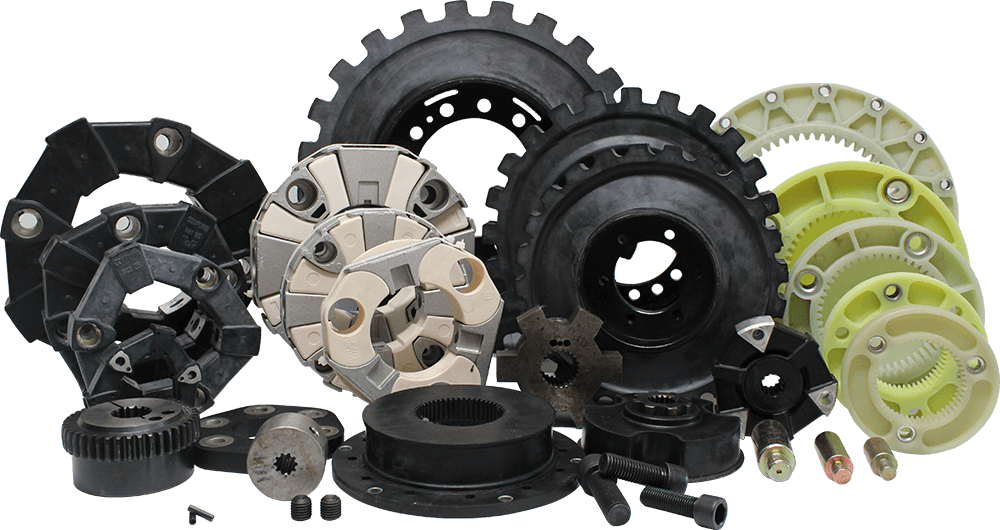

If you’re wondering what is rubber coupling, it’s a flexible part used to join spinning shafts in machines and pipes. What is rubber coupling? It’s a component that can bend and stretch, making it ideal for situations where things do not line up perfectly. Rubber couplings help reduce shaking, absorb sudden hits, and prevent leaks, which improves the performance of your machines. The world market for industrial couplings, including rubber couplings, may go over USD 534 million by 2030, with steady growth each year. Many industries rely on rubber couplings to minimize machine downtime and repair costs, making their operations more reliable.
Key Takeaways
-
Rubber couplings join spinning shafts and soak up shakes. This helps machines work better and last longer. These flexible couplings can deal with parts that do not line up. This lowers damage on equipment and makes it last more years. Using rubber couplings stops leaks in plumbing systems. They make a tight seal and cut down on repair costs. Checking rubber couplings often for damage and if they line up right can save money. It also stops bigger problems later. Picking the right rubber coupling for the job and where it will be used is very important for best results.
What is rubber coupling?
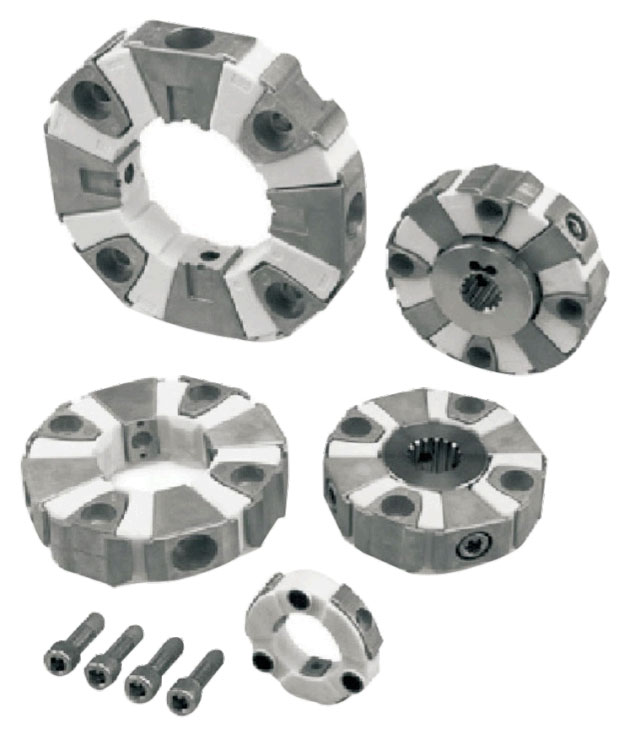
To learn what is rubber coupling, you need to know about couplings first. In machines and plumbing, a coupling joins two shafts or pipes. This helps them work together. You can find couplings in engines, pumps, and even under sinks. They move power, motion, or fluids from one part to another.
What is a coupling?
So, what is a coupling? In mechanical engineering, a coupling is a device that connects two shafts at their ends. This lets power, torque, and motion go from one shaft to the other. Here are some important facts about couplings:
-
A coupling joins two shafts to send power.
-
It allows a little movement or misalignment.
-
You use a coupling to connect two parts.
-
There are two main types: rigid couplings and flexible couplings.
-
Rigid couplings keep shafts lined up and do not bend.
-
Flexible couplings can handle small movement or misalignment.
Rigid couplings work best when everything lines up just right. Flexible couplings, like rubber couplings, help when things do not line up or when machines shake.
Main components and design
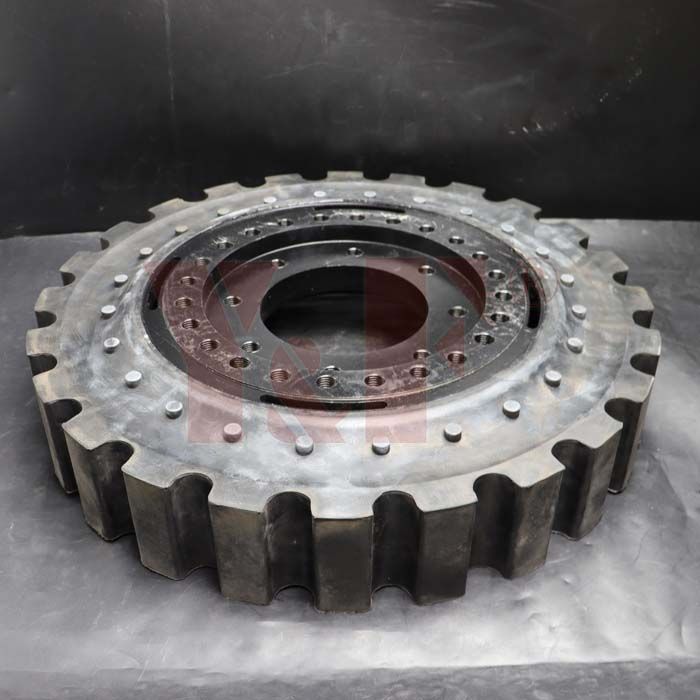
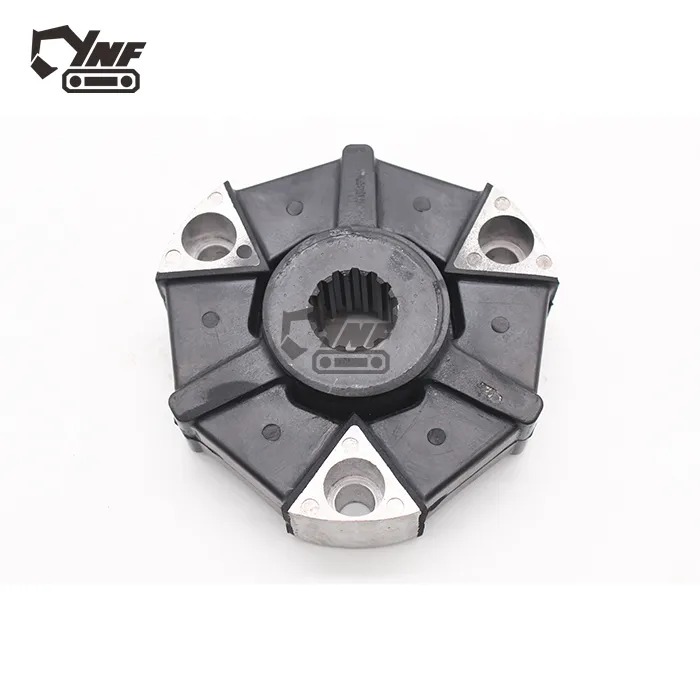
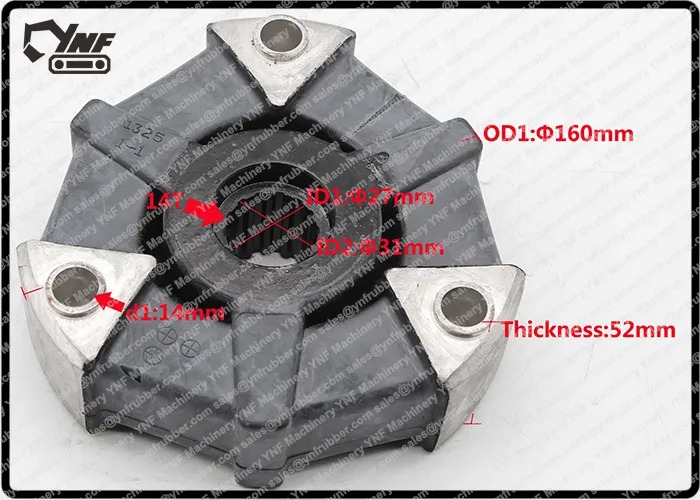
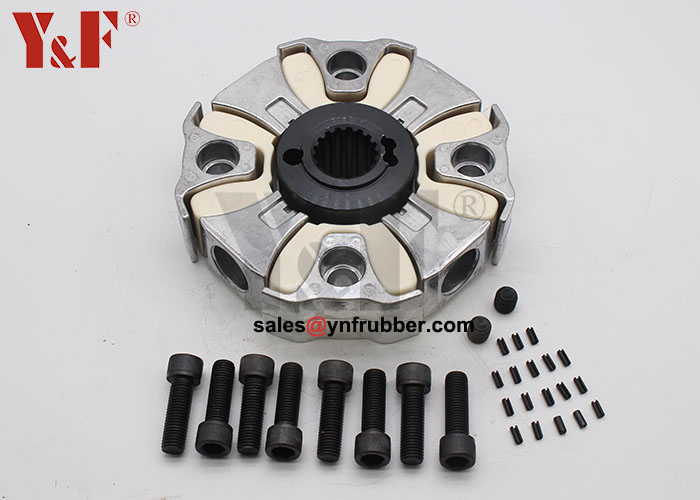
Now, let’s talk about what is rubber coupling and how it is made. A rubber coupling is a flexible coupling. It uses rubber or another stretchy material to join two shafts. This lets the coupling bend, stretch, and take in shocks.
Here is a table with the main parts of a rubber coupling:
|
Component |
Description |
|---|---|
|
Hubs |
Two hubs, usually bored to fit the shafts. |
|
Elastomeric Insert |
A rubber or elastomeric insert, sometimes called a spider, that absorbs movement and vibration. |
When you compare what is rubber coupling to other types, you see some big differences. The table below shows how rigid and flexible couplings are different:
|
Feature |
Rigid Couplings |
Flexible Couplings (like rubber) |
|---|---|---|
|
Connection Type |
Rigid, does not bend |
Flexible, can bend and stretch |
|
Torque Transmission |
Smooth, no loss |
Some loss due to flexibility |
|
Misalignment Tolerance |
None |
Can handle slight misalignment |
|
Maintenance |
Low |
May need more care |
|
Applications |
For precise alignment |
For machines with vibration or movement |
|
Cost |
Usually lower |
Can be higher due to materials |
You use what is rubber coupling when you need flexibility and to control vibration. Rigid couplings are for machines that do not move or shake. Flexible couplings, like rubber ones, are good when machines are not lined up or need to absorb shocks.
When you pick what is a coupling for your machine, think about how much movement, vibration, or misalignment you will have. If you need something that bends and stretches, a rubber coupling is a good choice. It helps your equipment last longer and run better.
Tip: Always check the size and type of coupling before you put it in. Picking the right one can stop damage and save time.
If you want to know what is rubber coupling, remember it is a flexible connector made with rubber. It joins two shafts, lets them move a little, and keeps your machines working well.
How rubber couplings work
Transmitting torque and flexibility
Flexible rubber couplings connect two spinning shafts. They help move power, called torque, from one shaft to another. The rubber inside stretches and squeezes when the shafts spin. This lets the coupling handle small changes in position. Your machine does not need perfect alignment to work well.
These couplings use strong materials that bend and twist. This helps them take in shocks and sudden hits. When your machine starts or stops, the coupling can stretch a bit. This movement keeps the shafts and other parts safe. Power moves smoothly, even if the shafts are not lined up.
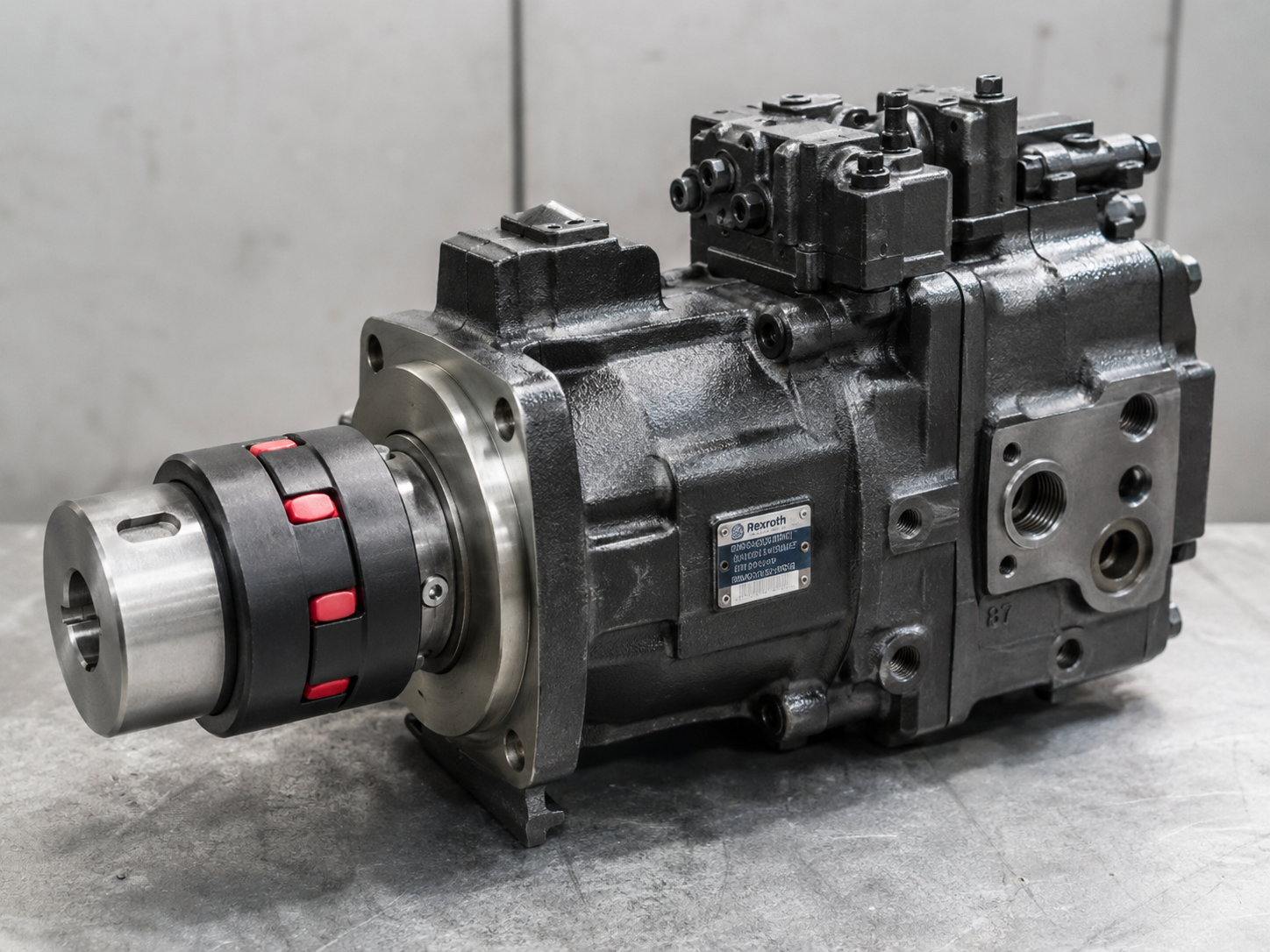
The elastomeric insert acts like a soft cushion. It lets the coupling twist a little without breaking. You can use flexible rubber couplings in pumps, motors, and fans. These couplings help your machines run well and avoid expensive repairs.
Note: Always check if your flexible rubber couplings are lined up right. Good alignment helps them last longer and work better.
Absorbing vibration and shock
Flexible rubber couplings do more than move power. They also protect machines from shaking and sudden hits. When your equipment runs, it can shake or move quickly. These forces can hurt parts and make noise. Flexible rubber couplings soak up these shakes and shocks. This makes your machine quieter and safer.
-
Flexible rubber couplings, like jaw couplings with elastomer inserts, bend to take in shakes and shocks.
-
These couplings can handle small misalignment, which lowers shock loads.
-
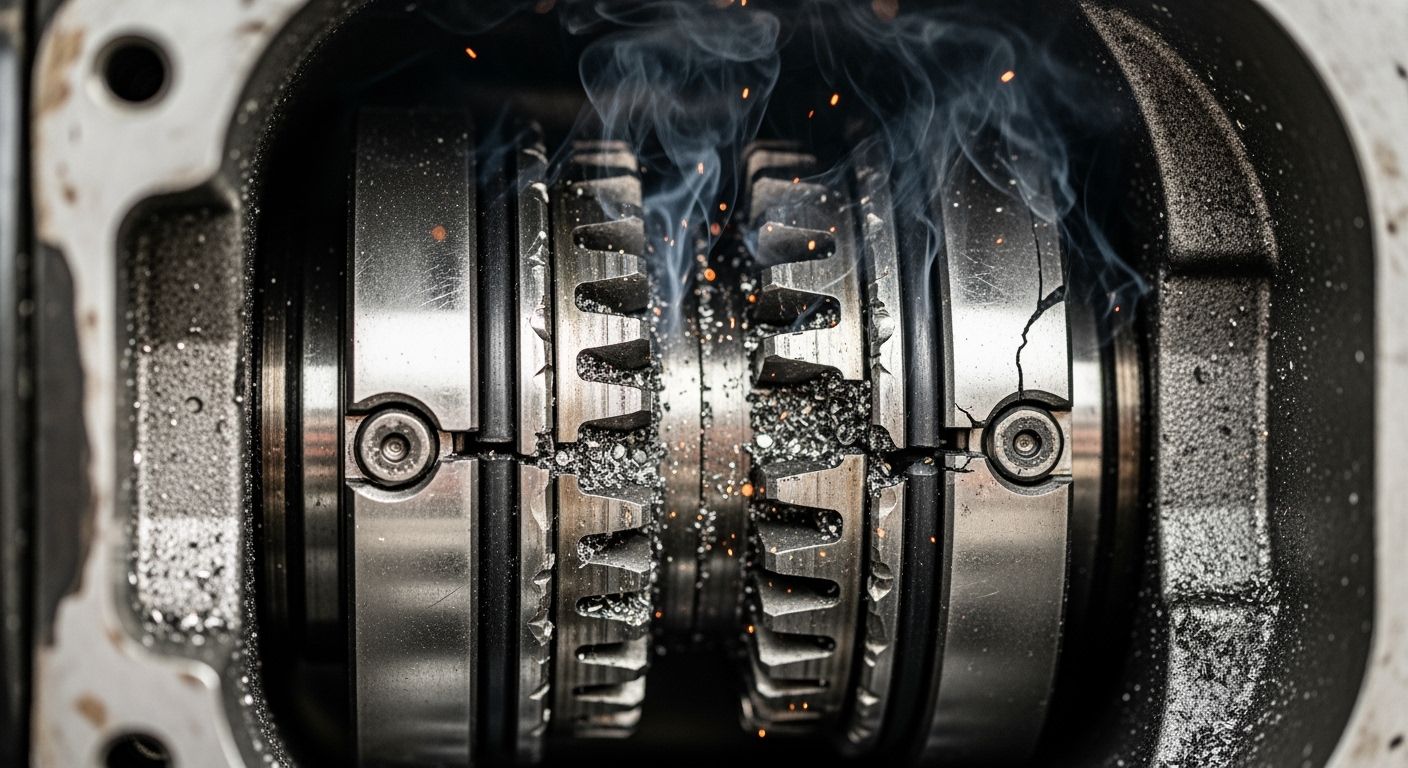
Rigid couplings do not soak up shakes. They can wear out parts and cause them to break.
You can see how flexible rubber couplings work better than other types. NASA tested different couplings at their Vibration & Acoustics Test Facility. Victaulic flexible couplings controlled vibration better than regular connectors. They did better than double sphere rubber connectors and steel braided pump connectors in every size. You get less shaking and more safety for your equipment with flexible rubber couplings.
Flexible rubber couplings also help stop common problems. Here is a table that shows usual ways couplings fail and how to stop them:
|
Coupling Type |
Typical Failure Mode |
Prevention Method |
|---|---|---|
|
Jaw (Elastomeric) |
Compression Set / Shearing |
Standardized Laser Alignment, Calibrated Torque Compliance |
|
Disc (Metallic) |
Fatigue Cracking / Buckling |
Strategic Environmental Shielding |
|
Gear |
Pitting / Scuffing / Galling |
Engineered Lubrication Cycles |
Check your flexible rubber couplings often. Look for damage or wear. Good care helps them last longer and keeps machines safe.
Flexible rubber couplings need less care than gear couplings. You only need to check alignment and look for wear. Gear couplings need oil and more checks. Flexible rubber couplings make your job easier and your machines work better.
Flexible rubber couplings give you an easy way to join shafts, take in shocks, and lower shaking. You can trust these couplings to keep your equipment working well.
Flexible rubber couplings in action
Compensating for misalignment
Sometimes pipes or shafts do not line up right. Flexible rubber couplings help fix this problem. These couplings can bend, stretch, and twist. You do not need perfect alignment to use them. You can use a coupling in plumbing or machines. This keeps everything working well.
Here is a table that shows common types of misalignment and how flexible rubber couplings handle them:
|
Type of Misalignment |
Description |
|---|---|
|
Angular Misalignment |
Pipes meet at an angle, like a 5-degree tilt from uneven ground. |
|
Lateral Misalignment |
Pipes are offset horizontally or vertically, and couplings can stretch or compress. |
|
Axial Misalignment |
Pipes move closer together or pull apart, and couplings allow for limited axial movement. |
Some flexible rubber couplings can handle up to 3 degrees of angular misalignment. Parallel misalignment can be very small or more than an inch. This depends on the type of coupling you use. Donut designs work well for tough jobs. You get good results even if pipes or shafts are not lined up.
If you use a coupling in plumbing, you can join pipes that do not match up. You do not need extra tools or parts. Flexible rubber couplings make it easier to install pipes. They also lower stress on your system.
Tip: Always check the highest misalignment your coupling can handle. This helps you stop damage and keeps your equipment safe.
Preventing leaks in plumbing
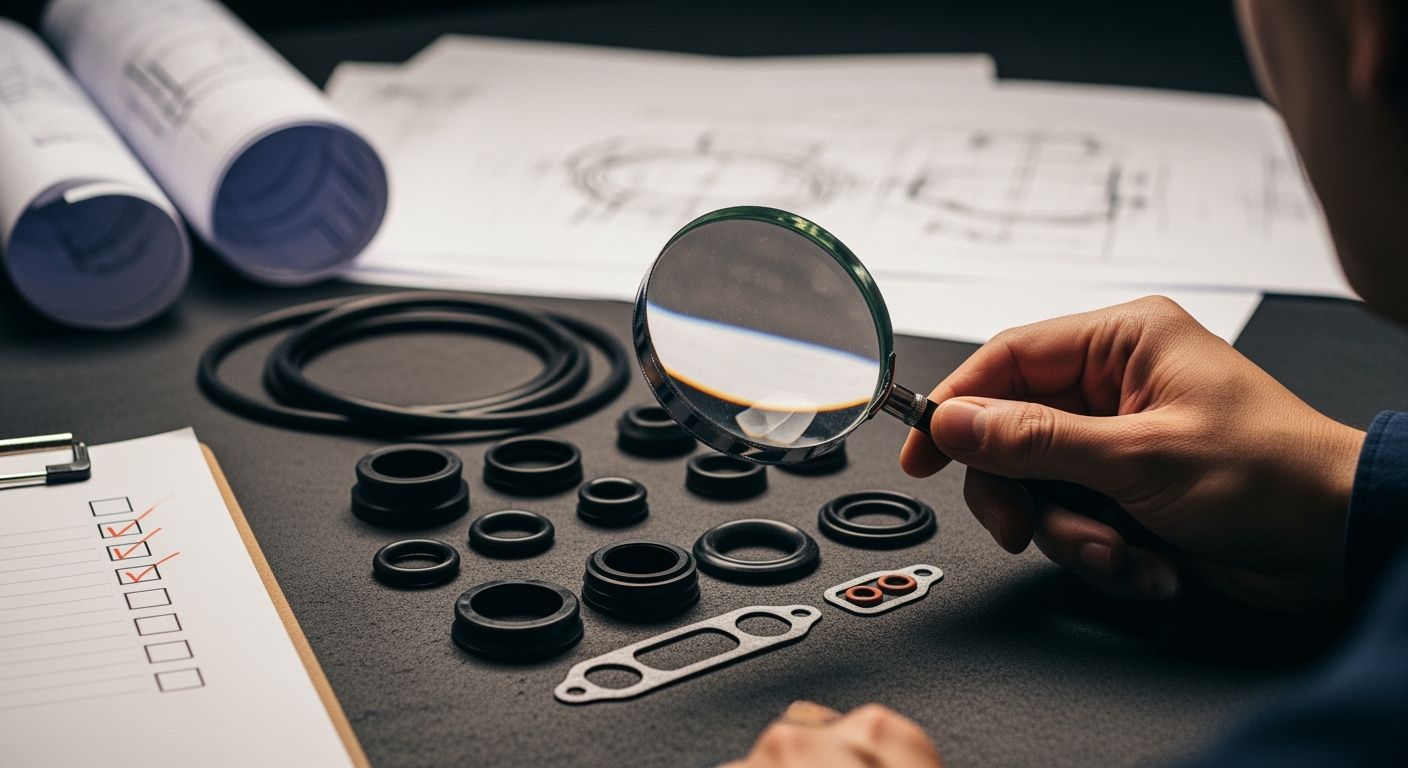
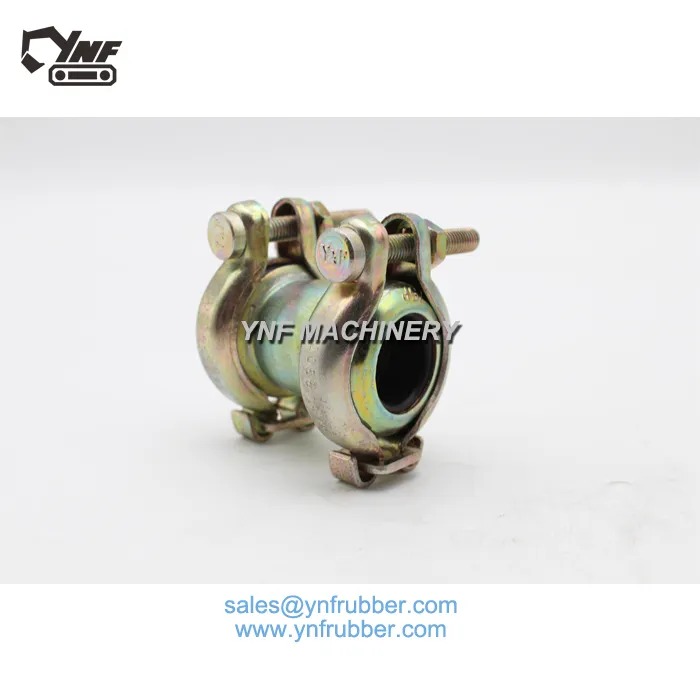
Flexible rubber couplings help stop leaks in plumbing. You need a tight seal so water does not escape. Rubber gaskets inside the coupling block water between pipes and fixtures. This helps you keep your home or business safe.
-
Good rubber materials can handle heat, pressure, and chemicals.
-
Seals and gaskets soften vibrations and make water noise quieter.
-
Installing flexible rubber couplings the right way saves money and makes plumbing last longer.
If you use a coupling in plumbing, you can stop leaks even if pipes move or shake. Flexible rubber couplings soak up movement and keep the seal strong. You do not have to pay for repairs or fix water damage.
Flexible rubber couplings also work in high-pressure systems. You can feel sure your pipes will stay safe. Many plumbers use flexible rubber couplings to stop leaks and keep plumbing working well.
If you want a good solution, think about YNF Rubber for flexible rubber couplings. They have products that help you join pipes and stop leaks in plumbing.
Rubber coupling benefits
Reducing wear and tear
You want your machines to last a long time. Flexible rubber couplings help you reach this goal. When you use a rubber coupling, your equipment can handle small misalignments. It also absorbs vibrations. This flexibility keeps your machines from getting stressed all the time. The coupling works like a cushion between two shafts. It takes in shocks and sudden moves. This means there is less damage to gears and bearings. Other parts also stay safer. Over time, your machines have less wear and tear. You do not need to spend as much on repairs or new parts. Flexible rubber couplings help your equipment run well and last longer.
Tip: Check your coupling often to find early signs of wear. This easy step can save you money and stop bigger problems.
Enhancing performance and reliability
Flexible rubber couplings do more than protect machines. They also help your equipment work better and be more reliable. Using the right coupling helps your machines do their job every day. The table below shows how flexible rubber couplings make things better:
|
Benefit |
Explanation |
|---|---|
|
Misalignment Compensation |
Handles shaft misalignments, lowers stress on bearings and parts, and helps equipment last longer. |
|
Vibration Damping & Shock Absorption |
Soaks up vibrations and shocks, keeps parts safe, and makes the workplace nicer. |
|
Enhanced Load Distribution |
Spreads out loads evenly, lowers stress in one spot, and makes failure less likely. |
You will see your machines run smoother and break down less. They can do hard work without stopping. Flexible rubber couplings help you avoid sudden problems and keep your work going. If you want the best results, pick a coupling that fits your needs. Many people trust companies like YNF Rubber for good flexible rubber couplings that work well and last.
Common uses and selection tips
Applications in machinery and plumbing
You can find rubber couplings in lots of places with pipes. These couplings connect parts and help everything work well. In water supply pipes, rubber couplings make flexible links between plumbing parts. City sewer pipes use rubber couplings to join pipes made from different stuff and stop leaks. In factories, rubber couplings let you join pipes of different sizes and materials fast. You also see them in home pipes, where they make waste and vent connections better.
Here are some ways people use rubber couplings in piping systems:
-
Flexible links in water supply pipes
-
Leak-proof seals in city sewer pipes
-
Fast connections in factory pipes
-
Better waste and vent connections in home pipes
Rubber couplings help fix many problems in piping systems. They make it easy to put in, fix, or upgrade pipes without special tools. You can count on them to keep your pipes safe and stop leaks.
Choosing the right type
When you pick a rubber coupling for your pipes, you need to think about a few things. The right choice helps your pipes last longer and work better. First, look at the service factor. This means you match the coupling to how your pipes will be used. Next, check if the coupling is flexible enough and fits in your space. You should also think about how much misalignment your pipes might have. Some couplings can handle more movement than others.
You must also think about the area around your pipes. Hot or cold weather can change how rubber couplings work. If your pipes get very cold (below -20℃) or very hot (above 45℃), do not use rubber couplings. Think about what kind of load your pipes will carry. If the load changes a lot, you need a stronger coupling. Also, check if your pipes might face dirt, chemicals, or other tough stuff.
Here is a list of what to check when picking a rubber coupling for your pipes:
-
Service factor for your pipes
-
Flexibility and space in your pipes
-
How much misalignment your pipes might have
-
Area and temperature around your pipes
-
Type of load and speed in your pipes
-
If your pipes face dirt or chemicals
Tip: If you want a good supplier for rubber couplings in your pipes, YNF Rubber has many choices for different needs.
Picking the right rubber coupling keeps your pipes strong and safe. You can stop leaks, fix things less, and make sure your pipes work well for a long time.
You can see that rubber couplings help machines run better and last longer. They also help you save money and time because they:
-
Lower how often you need to fix things and cost less
-
Stop leaks and slow down damage
-
Do not need oil or grease
-
Make fixing machines simpler
|
Benefit |
How It Helps You |
|---|---|
|
Keeps machines safe and quiet |
|
|
Misalignment handling |
Protects parts from damage |
|
Easy maintenance |
Cuts downtime and labor |
|
Versatility |
Fits many types of equipment |
If you want couplings you can count on, pick flexible rubber couplings. Many experts trust YNF Rubber for good products that help machines work well.
FAQ
What is the main job of a rubber coupling?
A rubber coupling connects two shafts or pipes. You use it to absorb vibration and allow for small misalignments. This helps your equipment run smoothly and last longer.
How do you know when to replace a rubber coupling?
You should check for cracks, wear, or leaks. If you see damage or your machine shakes more than usual, replace the coupling. Regular checks help you avoid bigger problems.
Can rubber couplings handle high temperatures?
Rubber couplings work best in normal temperature ranges. Extreme heat or cold can damage the rubber. If your system faces tough conditions, ask your supplier for advice.
Where can you buy quality rubber couplings?
You can find reliable rubber couplings from trusted suppliers. YNF Rubber offers many types for different needs. Their products help you keep your machines and plumbing safe.
Are rubber couplings easy to install?
You can install most rubber couplings with basic tools. Follow the instructions and check the fit. If you need help, ask your supplier for support or tips.