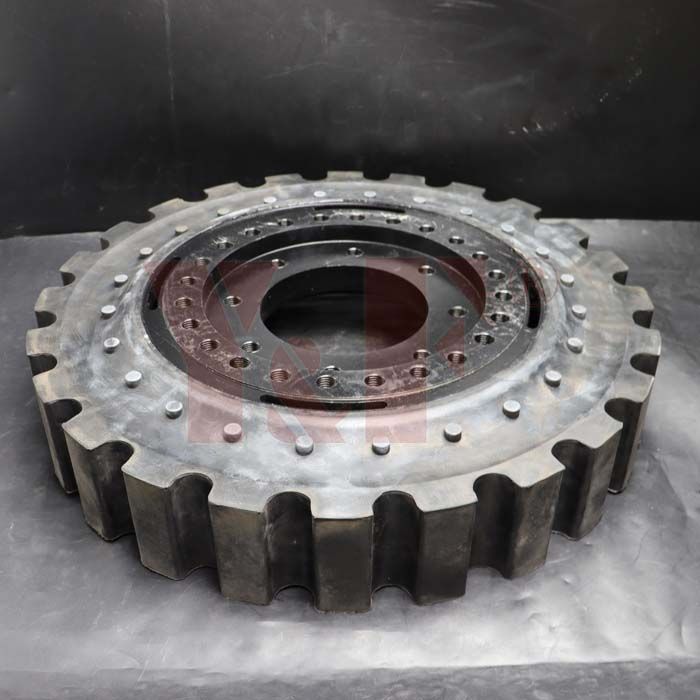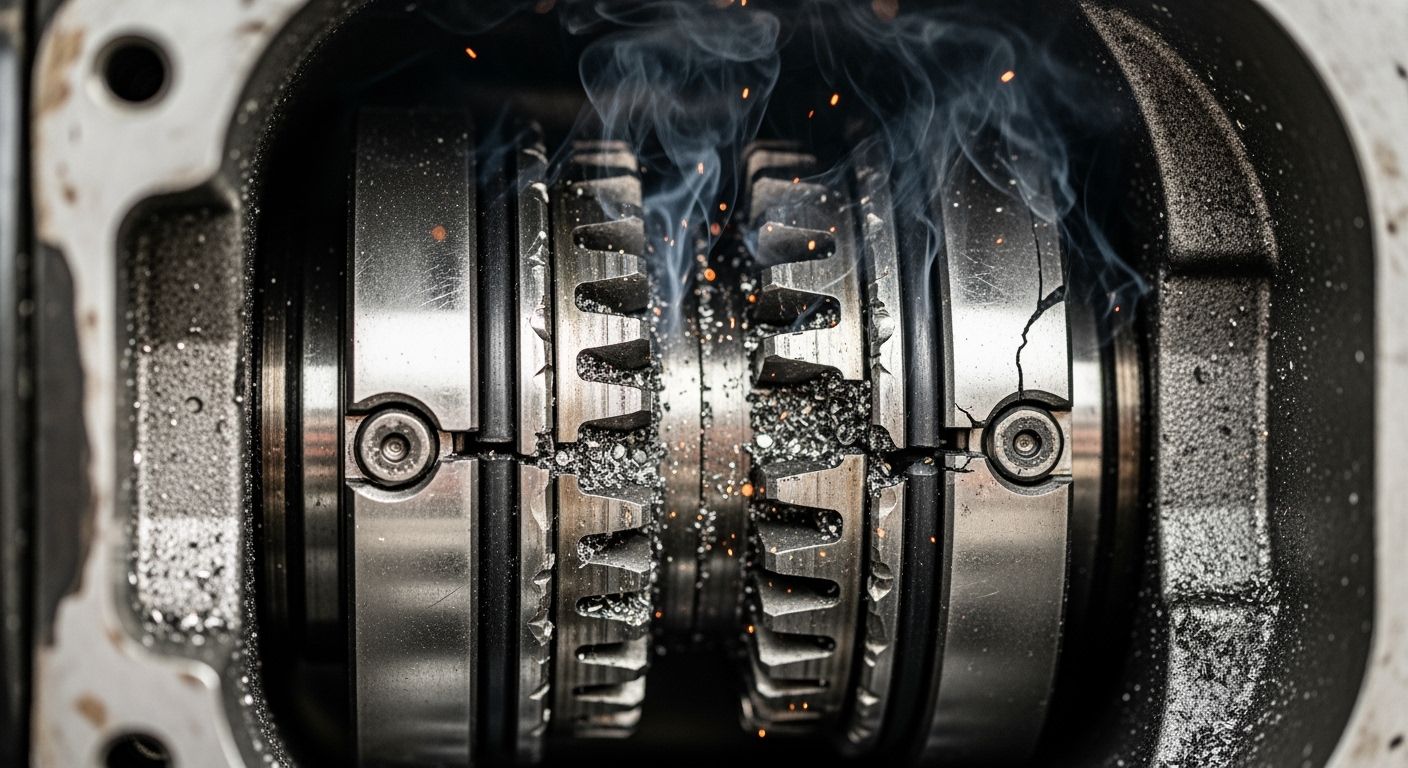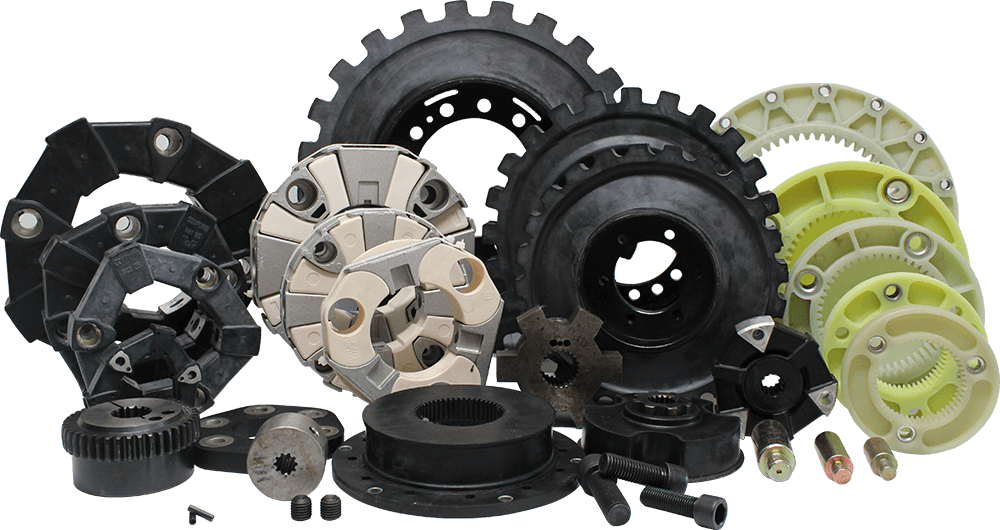

Heavy-duty drive systems put high demand on rubber couplings. These key parts must move large amounts of torque. They also face strong dynamic shear stresses every day. Fast engine pulses create heavy rotational vibrations right away. These vibrations can easily damage the whole drive assembly. Regular rubber parts break quickly from constant cyclic stress. Better elastomer formulations help fix this big structural problem. They increase mechanical toughness and heat resistance quite well. High-performance models like the 249-0059 rubber coupling use smart compound engineering. This design helps the rubber absorb intense shock loads. Material testing keeps these engineered elastomers strong and stable. They work well in tough mining gear and ships. They also run great in big power generation plants.
Key Takeaways
Special rubber blends keep big machines safe. They stop hard bumps. They reduce engine shakes.
Engineers mix carbon black and sulfur into rubber. This process helps boost its mechanical strength.
Tough lab tests make sure of top quality. They also check heat stability. They test shock absorption too.
Oil and heat-resistant properties stop breakdown. They protect against dynamic wear in harsh working environments.
Material Architecture of 249-0059 Elastomer Compounds
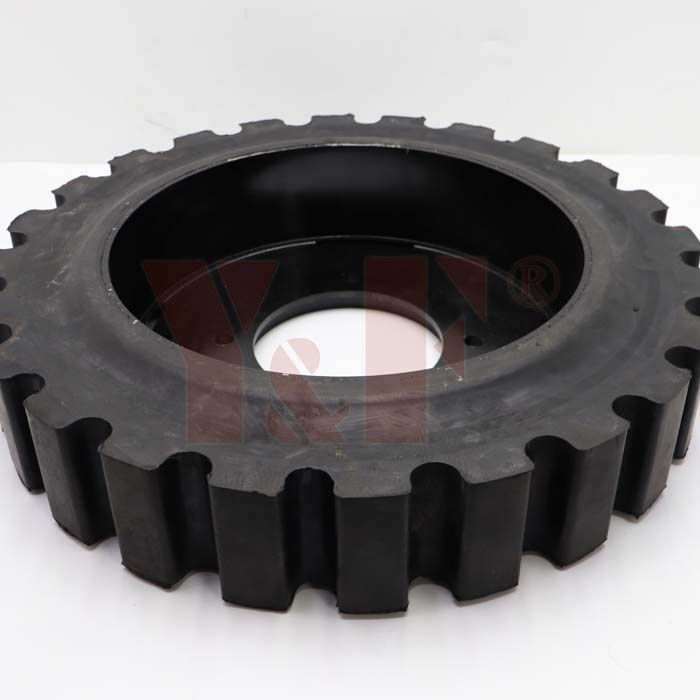
Big drive systems need tough rubber parts inside. Engineers pick smart raw materials for strong flexible pieces. The 249-0059 coupling uses a special blend. This matrix transfers heavy power under hard stress.
Base Polymer Selection
Engineers start by choosing strong natural and synthetic polymers. Natural rubber gives great tensile strength and tear resistance. Synthetic elastomers like nitrile resist heat and oil well. High-torque systems need balanced blends to stop breakdown.
The main polymer backbone absorbs repeated flexes without breaking. Big diggers and boat engines cause constant spinning shocks. This special polymer blend keeps its shape very well. The part springs back right after hard twisting. This raw matrix sets the top load limit.
Carbon Black Reinforcement
Raw rubber polymers are too soft for big machines. Scientists mix special carbon black into the rubber matrix. Tiny carbon black particles bind tightly with polymer chains. This extra reinforcement boosts strength, toughness, and hardness.
Small carbon black particles absorb energy and stop cracks.
Special furnace blacks fight flex fatigue and cool down fast.
Thermal black additives keep the shape solid during big engine pulses.
The exact amount of carbon black changes stiffness. More carbon increases rigidity to move big torque loads. Yet, too much filler lowers flexibility and adds friction. Engineers balance the carbon mix for top shock absorption.
Vulcanization and Cross-Linking Density
Vulcanization turns soft rubber into a tough network. Chemical sulfur and accelerators form strong chain links. This heat curing process happens inside hot industrial molds.
The link density controls how the rubber works. High link density adds extra hardness and shear strength. This dense network stops shape changes during power surges. Yet, medium link density keeps shock absorbing power high.
Balanced linking reduces hot internal friction from fast flexing. Too much heat damages rubber and speeds up aging. The network inside the 249-0059 coupling stays stable in hot weather. Proper sulfur links protect internal bonds during engine starts. Custom vulcanization systems help big industrial machines last long.
Analytical Testing of Elastomer Compounds
Chemical Fingerprinting via FTIR
Engineers test rubber chemical makeup. FTIR light testing checks raw quality. Infrared light passes through samples. Molecular bonds soak up light rays. Spectrometers make clean light charts. Technicians match charts to standards. This step verifies pure raw polymer. Spectroscopy catches bad oils fast. Testing confirms good rubber blends. Molecular checks ensure high shear strength. Chemical testing stops hidden defects. Labs ensure steady batch quality. Technicians drop bad batches instantly.
Thermal Stability via TGA
TGA tracks weight changes while heating rubber in closed test chambers. Systems measure heat damage limits across real heat ranges.
Temperature Range / Stage | Environment | Target Component | Measurement Mechanism |
|---|---|---|---|
25°C – 325°C | Inert (Purge Gas) | Volatiles | Loss of moisture, processing oils, and plasticizers |
325°C – 550°C | Inert (Purge Gas) | Polymer Matrix (Elastomers) | Pyrolysis of NR, SBR, BR (differentiated via DTG peak rates) |
550°C – 850°C | Air (Oxidative) | Carbon Black | Quantitative combustion of carbon black filler |
> 850°C (Residue) | Oxidative | Inorganic Ash / Silica | Non-combusted residue (>3% ash denotes silica reinforcement) |
Heat testing counts exact mix parts inside dynamic rubber parts. Damage charts prove carbon levels for high twists. High residue values show extra ash filler inside batches. Accurate heat data ensures long life inside hot engine bays. TGA rules create tough material mixes for heavy tasks. Mass checks prove total mix strength.
Viscoelastic Analysis via DMA
DMA tests flex rules under twisting stress. Testing tools apply moving twist loads across different heat ranges. Dynamic sensors measure spring power, damping capacity, and cold limits under continuous stress cycles. DMA reads storage modulus and loss modulus together during flex testing. Storage modulus shows spring energy power during dynamic bending steps. Loss modulus shows lost mechanical energy through warm heat loss. Comparing both values shows the shock absorption damping factor. High values mean better vibration dampening in big drives. Tests locate cold glass limits across cold test conditions. Engineers check rubber bend strength during cold engine starts. Flex profiles stop heat damage from quick engine pulses. Full dynamic testing ensures smooth power absorption during sudden torque changes. Engineers fix coupling stiffness using real DMA test data. Dynamic checks protect engine shafts and generator bearings from dynamic shear damage.
Vibration Isolation in 249-0059 Couplings
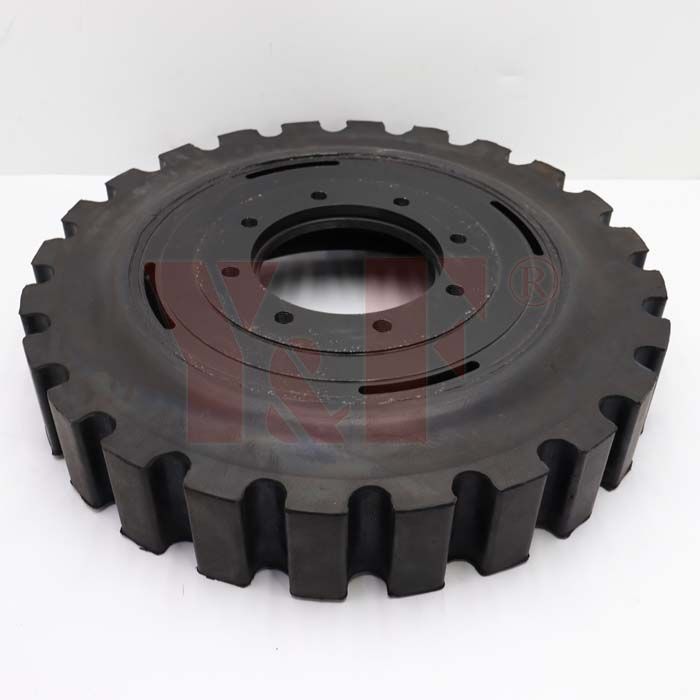
Torsional Vibration Damping
Engine power strokes make continuous rotational pulses. Diesel engines send severe cyclic torsional vibrations forward. Uncontrolled velocity spikes speed up equipment wear fast.
Engineered elastomer compounds isolate destructive firing pulses. Elastomeric shear elements absorb transient energy spikes. They convert dynamic energy into minimal thermal heat. Damping mechanisms stabilize rotational torque flow smoothly. This action protects generator sets from destructive resonance.
Shock Absorption Under Load Fluctuations
Sudden load changes create intense dynamic forces. Mining excavators experience frequent mechanical load surges. Rigid drive connections transmit aggressive impact forces.
The 249-0059 dynamic coupling flexes under impacts. Resilient elastomeric elements absorb heavy shock loads. This action stops peak torque surges instantly. Smooth power transmission reduces daily equipment wear. Output shafts and support bearings last longer.
Hyperelastic Stress Modeling
Engineers use hyperelastic material models for analysis. Non-linear calculations predict complex stress-strain distribution. Precise constitutive equations evaluate internal rubber responses.
Software optimizes physical structural geometry of inserts. Detailed simulations identify internal stress concentrations quickly. Engineers adjust structural cross-sectional profiles for balance. Balanced shear stress maximizes component fatigue life.
Environmental Durability and Fatigue Life
Big power tools work in very rough places. Hot engine bays spill bad fluids on rubber couplings. Heavy heat and daily twists ruin regular rubber quickly. Engineers build smart elastomer mixes to stop fast wear.
Hydrocarbon and Oil Resistance
Engine housings hold harmful fuel spray and oil mist. Nitrile polymers shield against dangerous fluid soak. Special mixes stop soft swell when hot oil touches rubber.
Fluid Barrier Integrity: Strong chains stop oil from entering the rubber fast.
Volumetric Stability: Low swell keeps proper fits inside steel hubs.
Cross-Link Protection: Strong links stop hot oil from breaking rubber bonds.
Engineers test rubber parts inside hot fluid tanks. Low swell proves good material choices for hard jobs.
Thermal Aging and Ozone Cracking
Closed engine spaces create high heat during long runs. Hot air hardens rubber and creates surface micro-cracks. Air ozone attacks weak bonds to speed up damage.
Long heat causes fast oxidation inside simple rubber mixes. Protective powders capture dangerous free radicals during hard work. Special waxes move outside to block bad air attacks.
Dynamic Fatigue Under Cyclic Stress
Spinning drives twist flexible rubber parts millions of times. Cyclic stress tears normal rubber from deep inside. Great elastomer mixes spread shear stress to stop cracks.
fatigue life = strain energy density capacity / crack growth rate
Good carbon black lowers friction heat during fast twists. Less heat protects inner chemical bonds from bad breaks. Tough elastomer mixes hold good spring rates for years.
Custom rubber blends give strong turn force support. They shield drive parts from hard hits. Special rubber mixes soak up severe bumps easily. They lower side twisting forces very well. Full chemical lab checks test these blends. Smooth spin dampening stops costly gear breaks. This shields big generators and heavy mining diggers. These tech safety steps prevent bad delays. Work sites keep running without unexpected stops.
Site bosses keep systems safe with strong parts. They pick top original rubber pieces. Regular checkups find worn rubber early. Workers watch moving weight shifts constantly.
Fitting the tough 249-0059 dynamic coupling ensures smooth power output. It makes drive parts last much longer under heavy stress.
FAQ
What engine applications require the 249-0059 flexible rubber coupling?
This rubber part replaces drive pieces. It fits Caterpillar 3516 engines. It works on generator sets. It links flywheels to big gear. The part runs in diggers. It powers mining machines. It runs boats and plants.
How does the dynamic rubber compound protect drive system components?
The tough rubber absorbs big shocks. It stops heavy vibrations. It blocks engine firing shakes. It cuts quick torque surges. This smooth action stops shaft wear. It keeps bearings safe. Power parts last longer.
How does YNF Rubber ensure the reliability of the 249-0059 element?
YNF Rubber makes strong elements. They use tough elastomer blends. Strict quality checks inspect parts. Good testing ensures long life. The rubber holds big loads. It handles hard dynamic stress. It resists hot engine bays. Parts will not fail fast.
Why should facility managers replace flexible couplings during routine maintenance?
New rubber parts keep power steady. They absorb heavy work shocks. Fresh inserts protect drive systems. Quick replacements stop shaft breaks. They save fixing costs. They prevent bad plant stops.