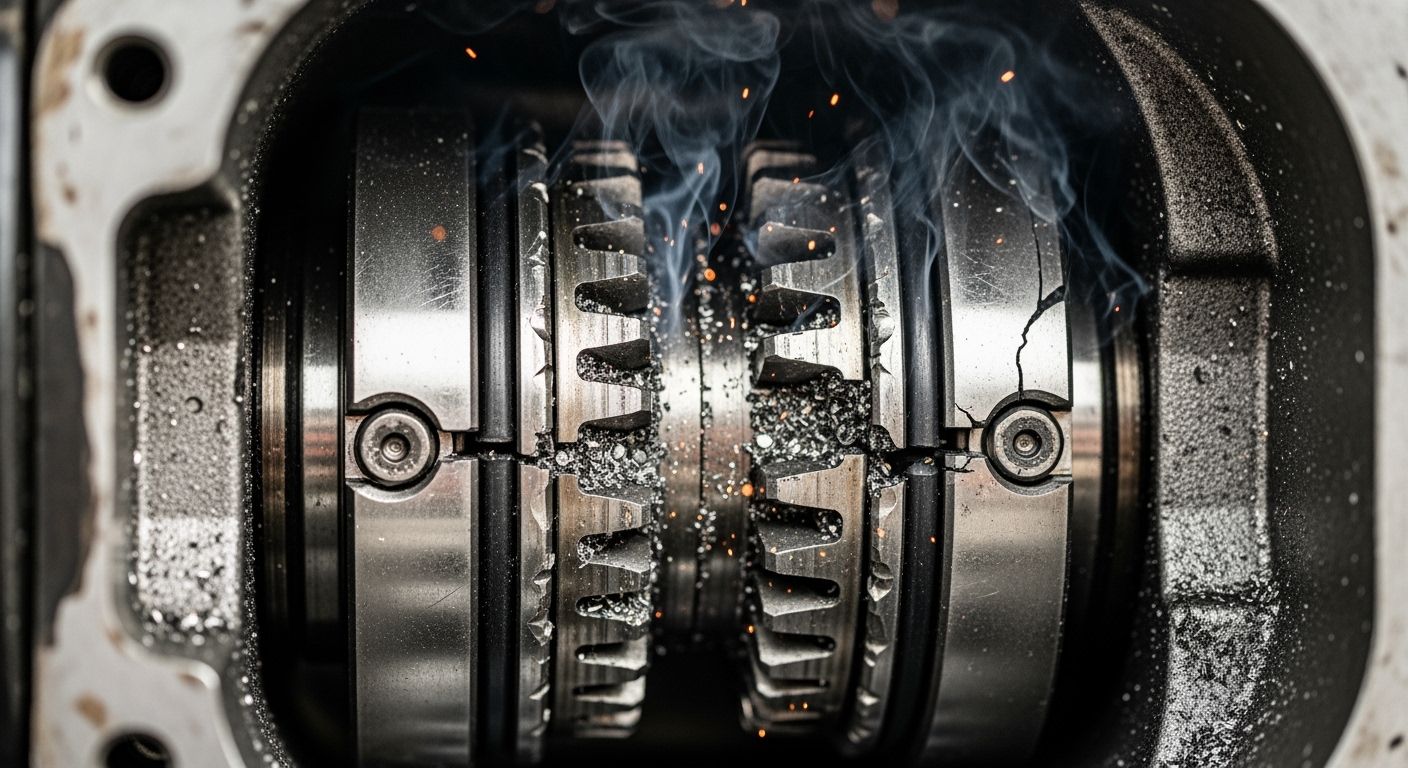
You must spot key excavator pump coupling failure symptoms right away on your job site.
Listen for odd noises and strong shaking. Look for slow hydraulics and black rubber bits near the bell housing. A bad pump coupling soon ruins the hydraulic pump input shaft. It also cracks the engine flywheel flange. Quick action saves your main hydraulic pump from total ruin. You protect your machine’s primary hydraulic pump. You also keep your whole hydraulic system running well. For heavy-duty trust, choose YNF RUBBER for top drive replacement parts.
Key Takeaways
-
Listen for strange grinding noises and feel for strong machine vibrations.
-
Watch for black rubber dust and fluid leaks near the housing.
-
Check shaft alignment every 1,000 hours to stop severe pump damage.
-
Shut down the engine immediately when you see signs of part wear.
7 Excavator Pump Coupling Failure Symptoms
Spot bad coupling signs early. Prevent big machine breakdown damage now. Operators notice early warnings daily. Quick action saves main pumps. It cuts job site downtime.
Abnormal Grinding, Clicking, or Whining Noises
Hear odd noises near engine flyhousings. Worn drive teeth hit metal. They make loud grinding noises. High whining means shaft stress. It hurts pump shaft bearings. Clicking under load means loose bolts. It means broken drive inserts. Inspect couplings when noises start. Failing parts hurt main pump shafts.
Excessive Vibration Near Coupling Guard
Odd shaking warns of bad balance. Feel strong shaking near guards. Broken legs throw off center. Fast spinning mass shakes hard. Shaking ruins front shaft seals. Never ignore main pump failure signs. Watch out during heavy digging.
Rubber Dust and Cracks as Signs of Impending Failure
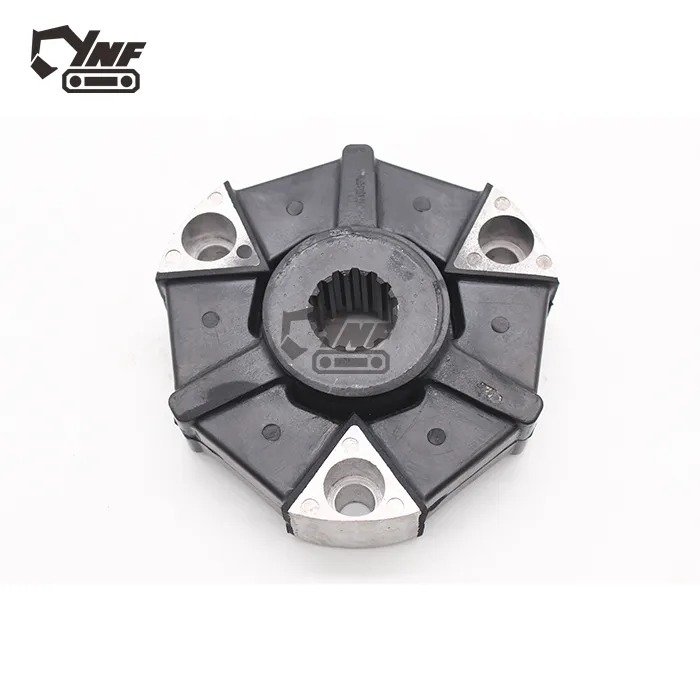
Black rubber dust shows big wear. Twisting forces shred rubber inserts. See physical cracks and splits. Find loose polymer dust inside.
💡 Tech Tip: Rubber bits around housing ports are clear signs of impending failure. Clean debris. Order replacement parts right away.
|
Damage Stage |
Visible Indicator |
Immediate Action |
|---|---|---|
|
Initial Wear |
Fine rubber dust near inspection port |
Schedule maintenance inspection |
|
Moderate Damage |
Visible surface cracks on rubber legs |
Order replacement coupling element |
|
Severe Failure |
Shredded rubber chunks and metal contact |
Shut down engine immediately |
These signs need quick attention. Act before full part separation.
Drive Motor Stiffness and Binding
Damaged drive parts cause stiff moves. They bind main pump shafts. Bad coupling teeth stick fast. They press engine flywheel plates. Feel motor hesitation under load. Sticking creates big pressure spikes. It harms hydraulic pump swashplates. Drag cuts engine power speed. Check alignment to fix stress.
Hydraulic Slowness and Reduced Crawler Speed
Failed rubber parts slip often. You lose boom power quickly. Arm and bucket moves slow. Track travel speed drops down. Slipping parts waste engine power. They starve main pump shafts. Power loss hurts system output. Spotting signs saves total work.
Pump Housing Overheating
Bad alignment makes hot friction. Heat builds inside housing covers. High heat hits pump casings. Heat ruins hydraulic oil fast. Bad oil creates system dirt. Touch casings to check heat. Hot fluid ruins internal seals.
Fluid Leaks Around Pump Coupling Flange
Wobbly shafts break inner seals. They cause dangerous fluid leaks. Spot dark leaks near couplings.
-
Oil drips under housing joints
-
Grease sprays inner guard walls
-
Fluid pools on bottom pans
These spots are clear signs of impending failure. Replace worn parts with YNF RUBBER. Protect your main hydraulic pump.
Field Diagnostic Protocol for a Damaged Pump Coupling
Safety Lockout and Visual Port Inspection
Follow clear safety steps first. Park on flat ground. Lower all parts to the dirt. Stop the engine right away. Take out the key. Flip the main power switch. Tag the battery box now. Release all hydraulic pressure. Do this before opening doors.
🛠️ Field Tip: Never open covers while parts spin. Wait until things cool down.
Remove the small metal cover plate. Use a light to look inside. Search for broken rubber legs. Find loose rubber bits below. Check the metal flange for cracks. Replace broken parts from YNF RUBBER. This protects your main pump shaft.
Straightedge Alignment and Shaft Gap Test
Put a flat metal rule across hubs. Measure side alignment at four spots. Use feeler gauges to check angles. Uneven gaps show bad engine mounts.
|
Diagnostic Test |
Target Measurement |
Field Failure Indicator |
|---|---|---|
|
Parallel Alignment |
Less than 0.2 mm offset |
Straightedge rocks unevenly |
|
Angular Gap |
Equal gap at 90° intervals |
Gap variance exceeds 0.5 mm |
|
Spline Play |
Zero rotational backlash |
Shaft rotates independently |
Grab the pump shaft by hand. Turn it gently both ways. Feel for loose internal play. Push and pull the shaft. Too much movement ruins inner bearings. Check all main mounting bolts. Tighten them to correct settings. Use strong YNF RUBBER parts. They keep your pump aligned.
Root Causes and Corrective Repairs
Addressing Engine Misalignment and Mount Wear
Engine mounts get old. Soft pads drop down. Weight pushes them hard. The flywheel shifts position. Bad alignment hurts the hydraulic pump shaft.
Check rubber mounts often. Swap bad mounts fast. Fix gaps between engines. Check the main hydraulic pump. Use special measuring tools. Good alignment stops quick wear. It protects your hydraulic pump.
Mitigating Shock Loads and Replacing Elements
Hard bucket hits create spikes. Pressure jumps in systems. Digging hits the main hydraulic pump. Force breaks cheap inserts fast. Use good parts for safety. They soak up big hits. Pick the correct hardness rating. Get a good replacement part.
💡 Maintenance Tip: Do not force bad parts. Check alignment before tightening bolts.
Follow these simple repair steps:
-
Take off the housing flange.
-
Move the primary hydraulic pump.
-
Remove old rubber pieces.
-
Clean the hydraulic pump input shaft.
-
Put in YNF RUBBER parts.
-
Tighten bolts to factory rules.
-
Align the secondary hydraulic pump.
Good parts stop quick damage. YNF RUBBER protects your hydraulic pump.
Act fast on site. Watch for seven bad signs. Hear grinding noises. Feel big vibrations. See rubber dust. Notice motor binding. Track slow travel. Check high heat. Find fluid leaks. Shut the engine down. Bad signs ruin pumps. They break whole systems. New parts cost little. Full repairs cost much. Check alignments very often. Save your main pumps. Stop big machine damage. Get good coupling parts. Buy from YNF RUBBER. Keep machines running well.
FAQ
How long does an excavator pump coupling usually last?
Good couplings last a long time. They work 4,000 to 6,000 hours. Bad shaft setups cut this short. They break parts very fast. Check them often to stop stops. This protects your hydraulic pump.
Can you operate your equipment with a damaged coupling element?
No. Stop your machine right now. Broken parts make bad shakes. These shakes hit drive parts hard. The stress breaks your pump shaft. This ruins the whole system.
What causes rubber dust inside the bell housing inspection port?
Crooked shafts twist rubber bits too much. Hard digging rips the legs up. This turns rubber into small dust. Rubber dust gives a clear warning. Fix it before power dies.
How often should you check drive coupling alignment?
Check alignments every 1,000 work hours. Or do it during big engine fixes. Spotting wear early saves inner seals. Good alignment keeps power smooth. Power moves to your pump easily.
Where can you source high-grade replacement couplings?
Get strong parts from YNF RUBBER. Our heavy parts take big hits. They fix bad shaft gaps easily. They shield your main hydraulic pump. Machines stay safe during hard work.