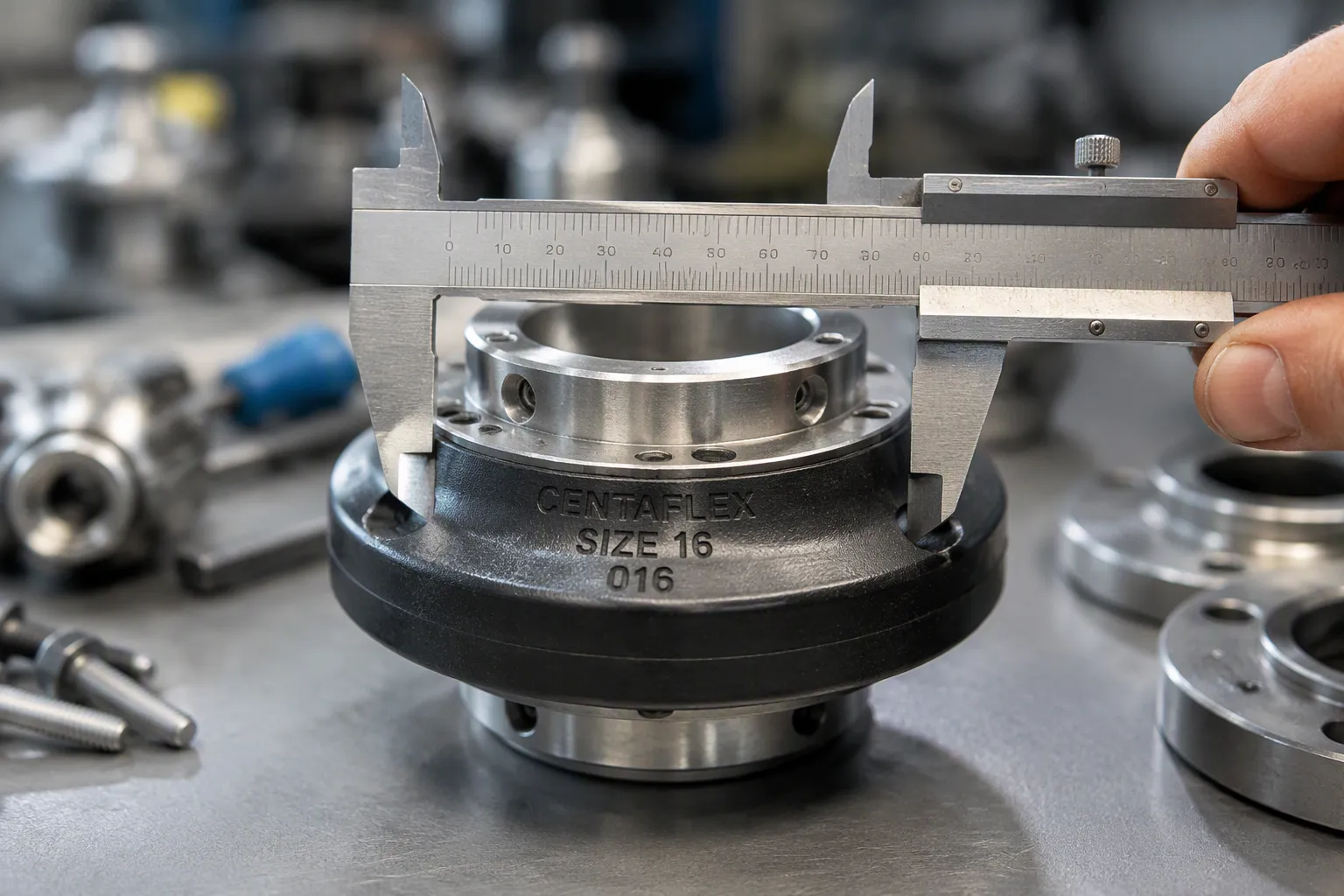
The Centaflex size 16 coupling is part of the CENTAFLEX‑A series. Its outer diameter is specified in the product datasheet, and its weight is provided by the manufacturer. This small unit can handle speeds up to 6000 rpm. Axial bolts and radial bolts hold the assembly together.
Buyers often look for these key numbers:
Torque: check exact ratings with the manufacturer
Max speed: 6000 rpm
Misalignment: angular and parallel limits are available
Overall length: depends on the hub setup
Bore size: depends on the application
Temperature limits: specified in the datasheet
Below, we explain every specification in detail.
Key Takeaways
The Centaflex Size 16 coupling can safely handle speeds up to 6000 RPM, and some uses reach 7200 RPM.
It handles misalignment well: up to ±1° angular and ±0.5 mm parallel, because of its flexible rubber element.
Key sizes are a 150 mm outer diameter, a 42 mm hub length, and a light 0.9 kg element.
The standard rubber works in temperatures from -40°C to +100°C. It also resists oil, grease, and mild chemicals.
Bore sizes begin at 20 mm, and you can order custom bores to match your exact shaft.
Centaflex Size 16 Torque and Speed
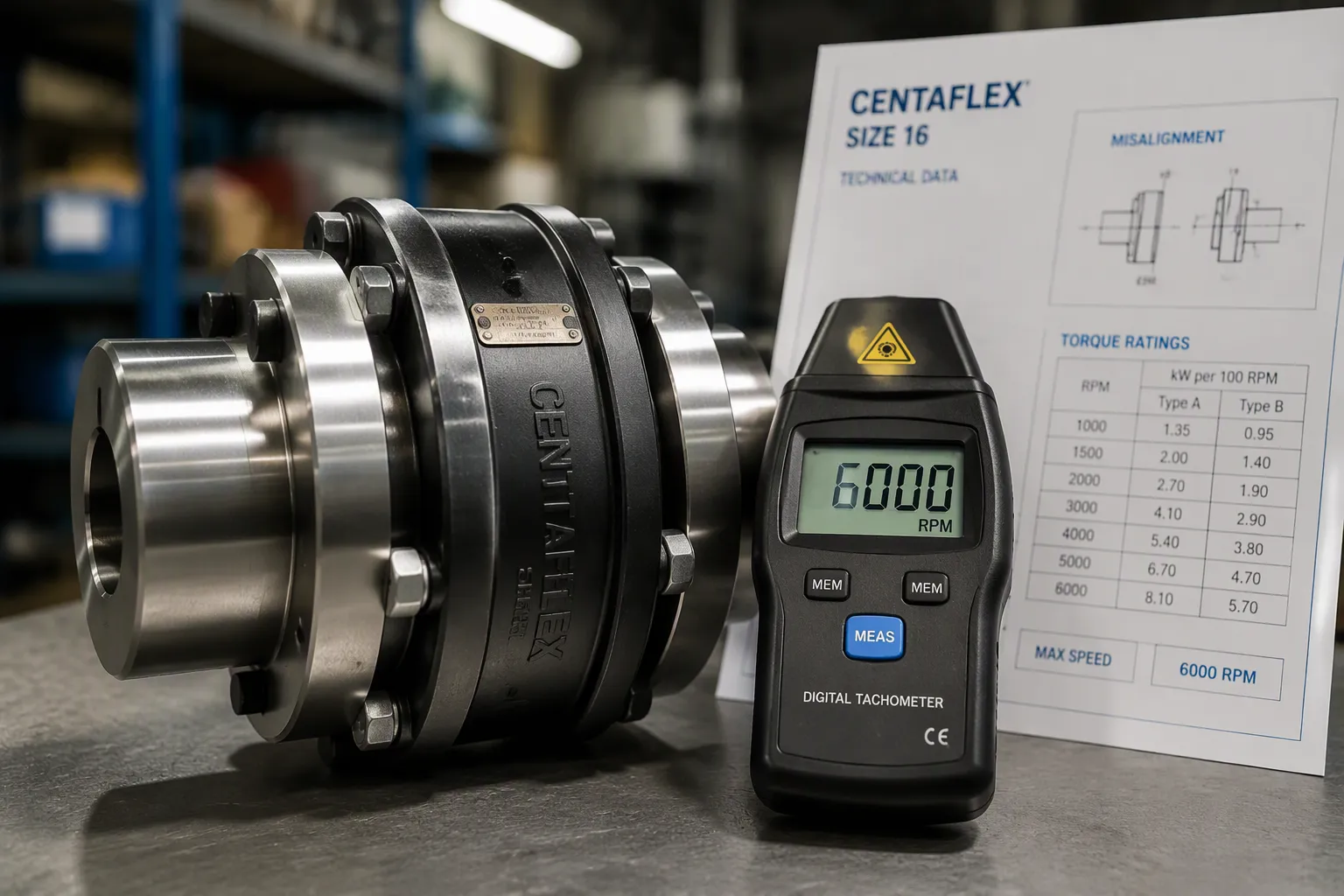
Rated Torque and Max RPM
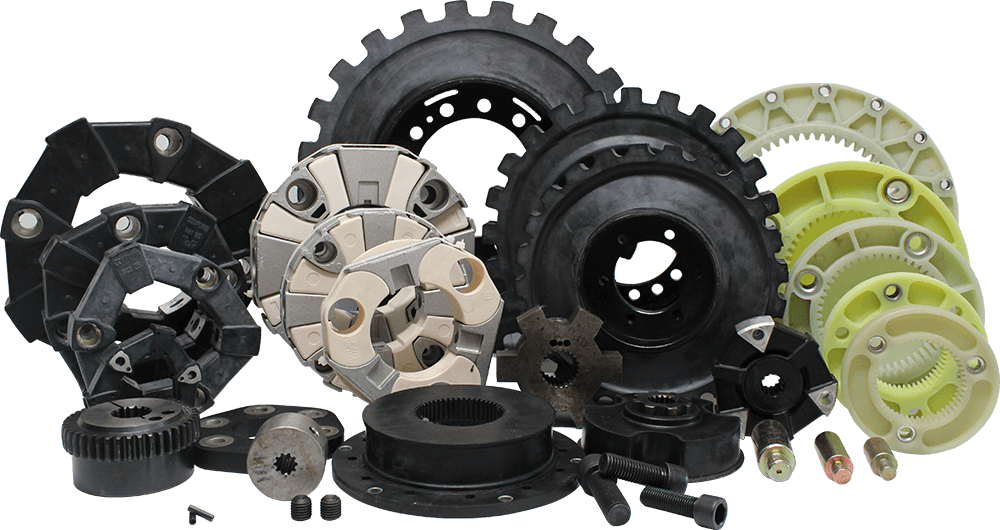
The CENTAFLEX‑A series has a modular design. One coupling body works with different hub and element combinations. Axial bolts and radial bolts hold the assembly tight. This bolt pattern lets a technician service the element without moving the connected machines.
Speed ratings depend on the size and the balance grade. The top operating speed for the size 16A and 16AS couplings is 6000 RPM. A user should treat the lower published limit as the safe ceiling unless YNF Rubber confirms a higher balanced rating for the exact build.
Nominal torque does not show up in typical datasheets for this size. The torque capacity shifts with hub material, bore size, and element hardness. A steel hub with a small bore carries more torque than a larger bore in the same body. Buyers should contact YNF Rubber for exact torque ratings before sizing a drive. This step stops under‑specifying the coupling on a real machine.
The element works as a pre‑compressed rubber‑in‑compression design. Rubber sits under compression inside the housing. This layout gives high flexibility and strong vibration damping. It also soaks up shock loads that would damage a rigid coupling.
Misalignment Capabilities
The flexible element handles shaft misalignment in three directions. These values apply to the standard rubber grade.
Misalignment type | Typical limit |
|---|---|
Angular | Contact YNF Rubber |
Parallel | Contact YNF Rubber |
Axial | Limited by element compression |
Angular misalignment means the two shaft centerlines meet at an angle. Parallel misalignment means the centerlines stay parallel but sit offset. Axial misalignment covers small end‑float movement along the shaft. The rubber element flexes to absorb each type without passing the load to the bearings.
A user should keep total misalignment below the stated limits. Combining angular and parallel offset cuts the remaining capacity for each. Good alignment at installation extends element life and protects the connected equipment.
The pre‑compressed design also damps torsional vibration. This trait fits drives with pulsating torque, such as reciprocating compressors and engine test benches. The coupling stays flexible at high speed, so it holds its damping properties across the full operating range.
A buyer who needs exact torque and misalignment data for a centaflex size 16 build should ask YNF Rubber for a datasheet. The team can match the element grade and hub bore to the application.
Centaflex Size 16 Dimensions and Weight
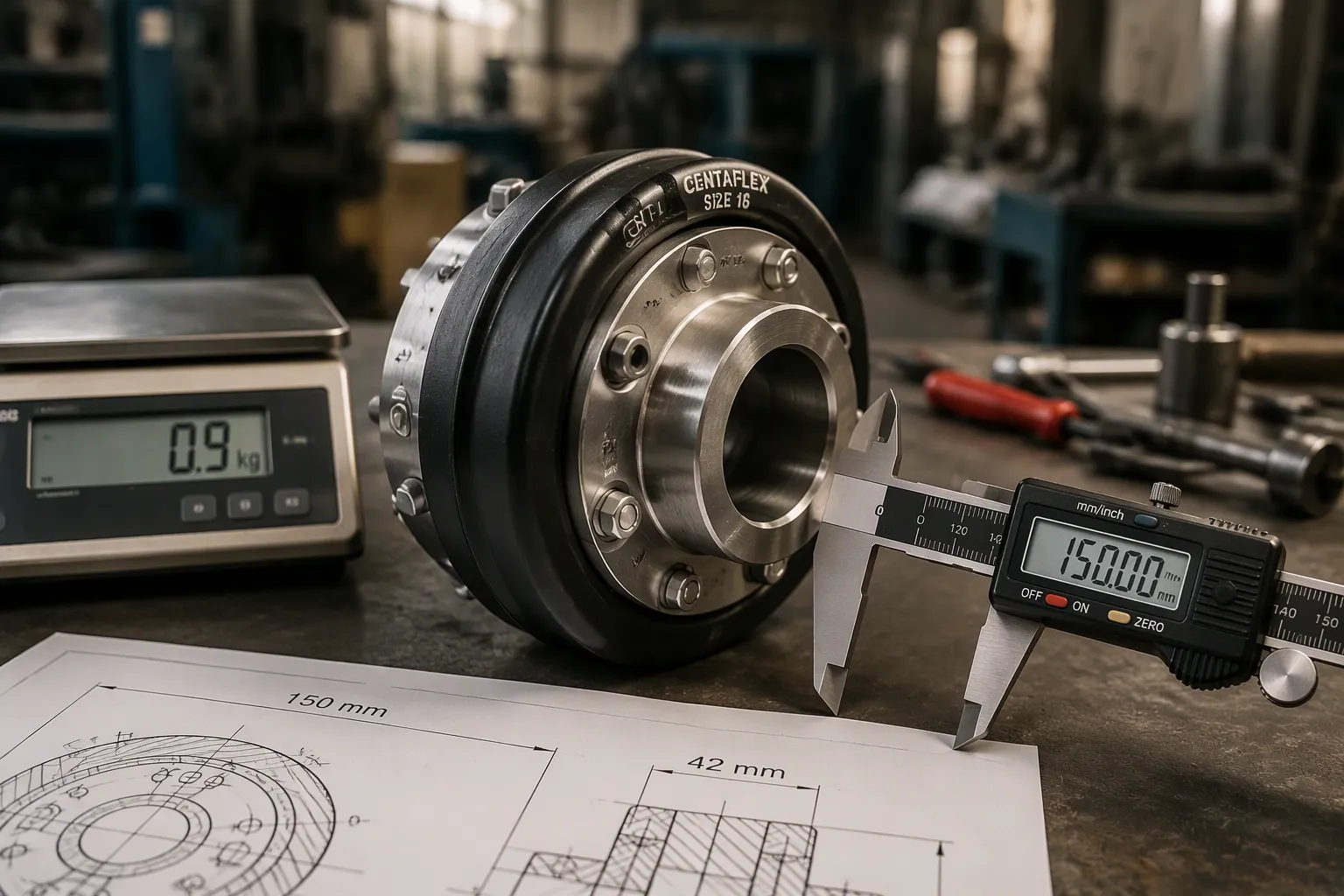
Key Dimensions: OD, Hub, and Length
The centaflex size 16 coupling carries a compact frame. Its outer diameter, listed as d3, is given in the product documentation. This dimension sets the overall footprint and tells a technician how much space the coupling needs inside a guard or housing.
Hub length A, dimension E, G, and hub diameter HD are specified in the product documentation. These figures describe how far the hub extends from the element and how much shaft engagement the bore can accept.
The bolt circle uses three key values. P1 measures 23.5 mm, P2 measures 25.2 mm, and M equals 12 mm. These numbers matter during installation. A fitter uses them to align the bolt holes and confirm the correct fastener size before tightening the assembly.
Dimension | Value |
|---|---|
P1 | 23.5 mm |
P2 | 25.2 mm |
M | 12 mm |
The axial and radial bolts pass through these locations. A user who orders a replacement element or hub should quote these values to avoid a mismatch. The modular design of the CENTAFLEX‑A series means one body accepts different hub and element combinations, so the bolt circle stays consistent across builds.
Overall length depends on the hub setup. A standard hub adds the specified hub length and element width to the element width. A longer hub for a larger shaft pushes the total length outward. A buyer should confirm the final length against the available space on the machine before ordering.
Bore Sizes and Weight
The rubber element weight is given in the datasheet. This light weight helps during handling and reduces the load on the shaft bearings. A single technician can lift and position the element without a hoist.
Bore sizes are available from the manufacturer. The coupling accepts common motor and pump shafts. A buyer can order a pilot bore and machine it to the exact shaft size later. A custom bore is also available for non‑standard shafts. This flexibility lets one frame size serve many drive setups.
YNF Rubber supplies this coupling with pilot bore or custom bore options. The team can match the bore to the shaft diameter and keyway requirements. A buyer who needs a specific fit should share the shaft drawing with YNF Rubber before placing an order.
Bore size affects torque capacity. A small bore leaves more material in the hub and carries more torque. A large bore removes material and lowers the limit. A user should balance the bore size against the torque demand of the drive.
The weight depends on the bore size and hub material. Hub material and bore size cause small changes. A steel hub weighs more than an aluminum hub of the same size. A buyer who tracks total drive weight should confirm the hub material with YNF Rubber.
Temperature and Material Limits
Operating Temperature Range
The rubber element sets the heat limits for the centaflex size 16 coupling. Standard Centaflex elements have a specified operating temperature range. A user should treat this range as the safe window for continuous service. Heat above the top limit softens the rubber compound and speeds up aging. Cold below the bottom limit makes the element stiffer and cuts its flexibility.
Machine builders should check the air temperature around the coupling, not just the room temperature. A guard that traps heat can push the element past its rated ceiling. The same rule applies to drives near ovens, exhaust lines, or hot process equipment. A user who expects temperatures outside the standard window should ask YNF Rubber about other rubber grades before ordering.
Rubber Hardness and Chemical Resistance
The standard Centaflex A element uses natural rubber with a hardness of 60 Shore A. This 60 Shore grade is the most widely used hardness across the CF‑A series, which includes size 16. The value balances two needs. A softer element flexes more and damps vibration better. A harder element carries more torque but passes on more vibration. The 60 Shore grade sits in the middle and fits most motor and pump drives.
The rubber compound resists oil, grease, and mild chemicals. This resistance matters in real installations. Oil mist from a gearbox, grease from a bearing, or splashes from a coolant line will not break down the element under normal conditions. Strong solvents, concentrated acids, and some hydraulic fluids can still harm the rubber. A user who works with harsh media should confirm chemical compatibility with YNF Rubber.
The pre‑compressed rubber‑in‑compression design adds another layer of protection. Rubber sits under compression inside the housing, so the element keeps high flexibility and strong vibration damping across its service life. This layout also soaks up shock loads that would damage a rigid coupling. Together, the 60 Shore hardness and the compression design give the coupling reliable performance in screw jacks, compressors, and engine test benches.
The centaflex size 16 coupling covers three main areas. Torque and speed performance includes specified misalignment limits. Physical dimensions include an outer diameter, hub length, and element weight as given in the datasheet. Environmental limits include a specified temperature range and 60 Shore A rubber.
These traits suit screw jacks, compressors, and engine test benches. The flexible element damps vibration and holds up at speeds up to 6000 rpm.
Use the data above to confirm fitment, or contact our team for bore‑machining options.
FAQ
What is the top speed for the centaflex size 16?
For size 16A and 16AS, the safe limit is 6000 RPM. A user should treat the lower published limit as the highest safe speed.
What misalignment limits does the standard element handle?
Angular and parallel misalignment limits are specified by the manufacturer. Axial movement is limited by the rubber compression. When you combine both types, the remaining capacity goes down.
What is the operating temperature range?
Standard rubber has a specified operating temperature range. If temperatures fall outside this range, you need a different rubber grade.
What bore sizes can you get?
Bore sizes are available from the manufacturer. The coupling takes a pilot bore for custom machining, or a finished custom bore that matches the shaft size.
Does the rubber stand up to oil and chemicals?
The 60 Shore A rubber resists oil, grease, and mild chemicals. For strong solvents or concentrated acids, you should check compatibility with YNF Rubber.