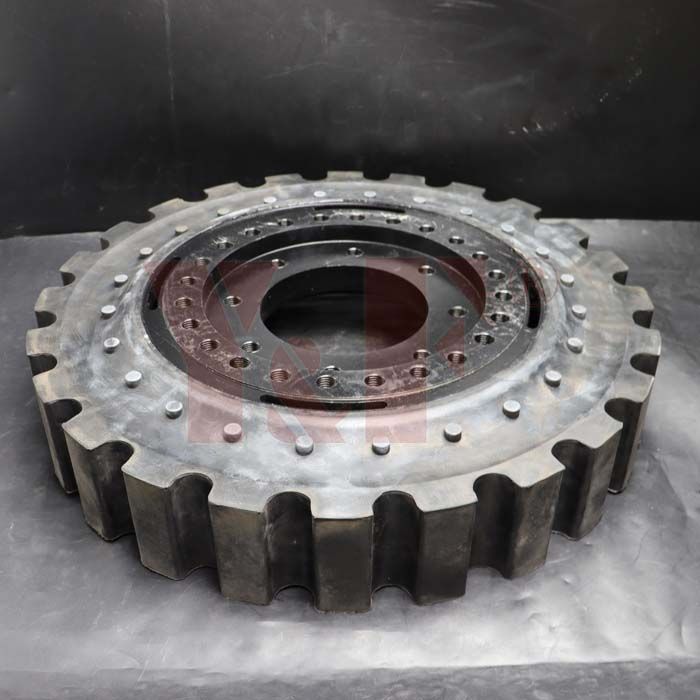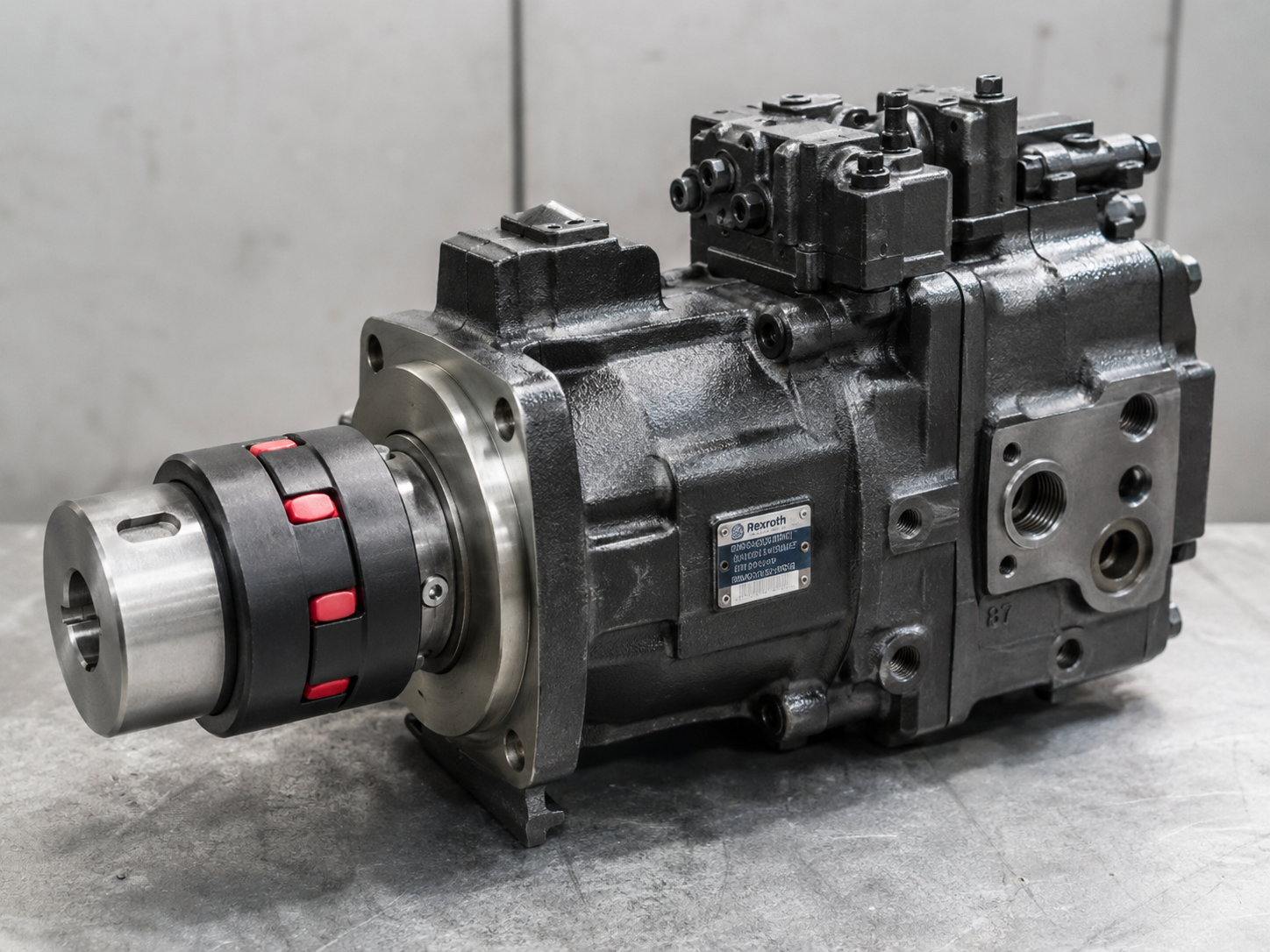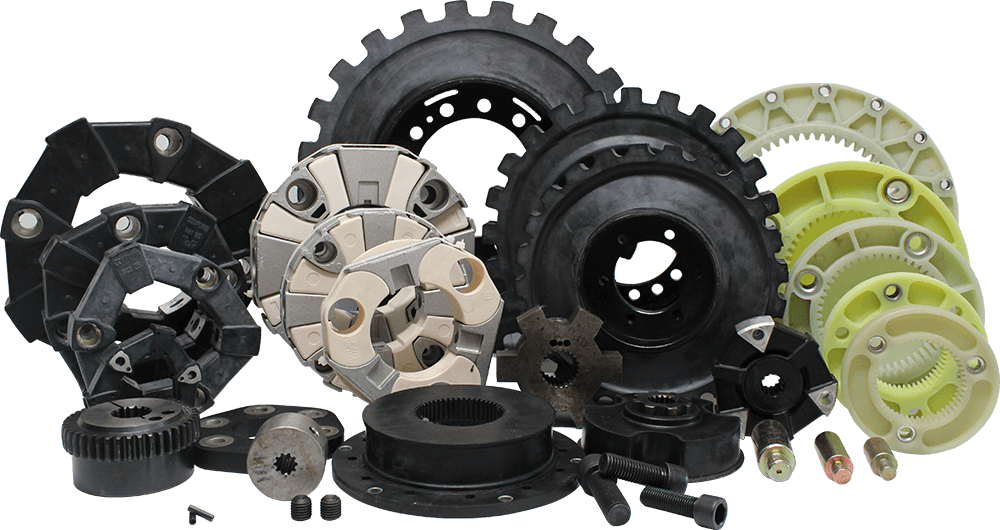

You keep your equipment safe and save money when you check your Centamax 400 often. Good care helps your couplings work well and stops problems. If you want your coupling to work for a long time, you must look at every part. This is very important for air compressor couplings. Using the correct steps for your CM400 Coupling makes your system work better and keeps it safe.
Key Takeaways
Check your Centamax 400 couplings every month. This helps you find problems early. It also helps your equipment last longer.
Follow the manufacturer’s installation rules every time. This stops misalignment. It also makes sure everything works right.
Use laser alignment tools for better checks. These tools help you adjust things easily. They also make your work more accurate.
Keep a clear maintenance log for all checks and fixes. This helps you see patterns in problems. It also helps you stop issues before they happen.
Teach your staff safe ways to care for couplings. This lowers mistakes. It also makes your equipment work better.
Why Centamax 400 Coupling Maintenance Matters
Impact on Equipment Life
You want your machines to last a long time. Taking care of centamax 400 couplings helps you do that. If you check your coupling often, your system works well. You can stop sudden problems and save money on fixing things. Good care makes your machines last longer.
Tip: Always look at your coupling when you do regular maintenance. This easy step helps your equipment last longer.
The centamax 400 coupling gives many good things for your equipment. Here is how taking care of it helps:
Benefit | Description |
|---|---|
Exceptional Vibration Damping | It lowers shaking and noise. Your machines run smoother and last longer. |
Enhanced Torque Transmission | It moves torque well and handles misalignments. This keeps your machines safe. |
Exceptional Misalignment Compensation | It deals with misalignments. This means less wear and your system lasts longer. |
Durability and Cost-effectiveness | Strong materials make it last and handle tough conditions. It saves you money. |
If you take care of your couplings, you get less shaking and protect your machines. You also move torque better and have less wear. This means your equipment works well and lasts longer.
Risks of Poor System Maintenance
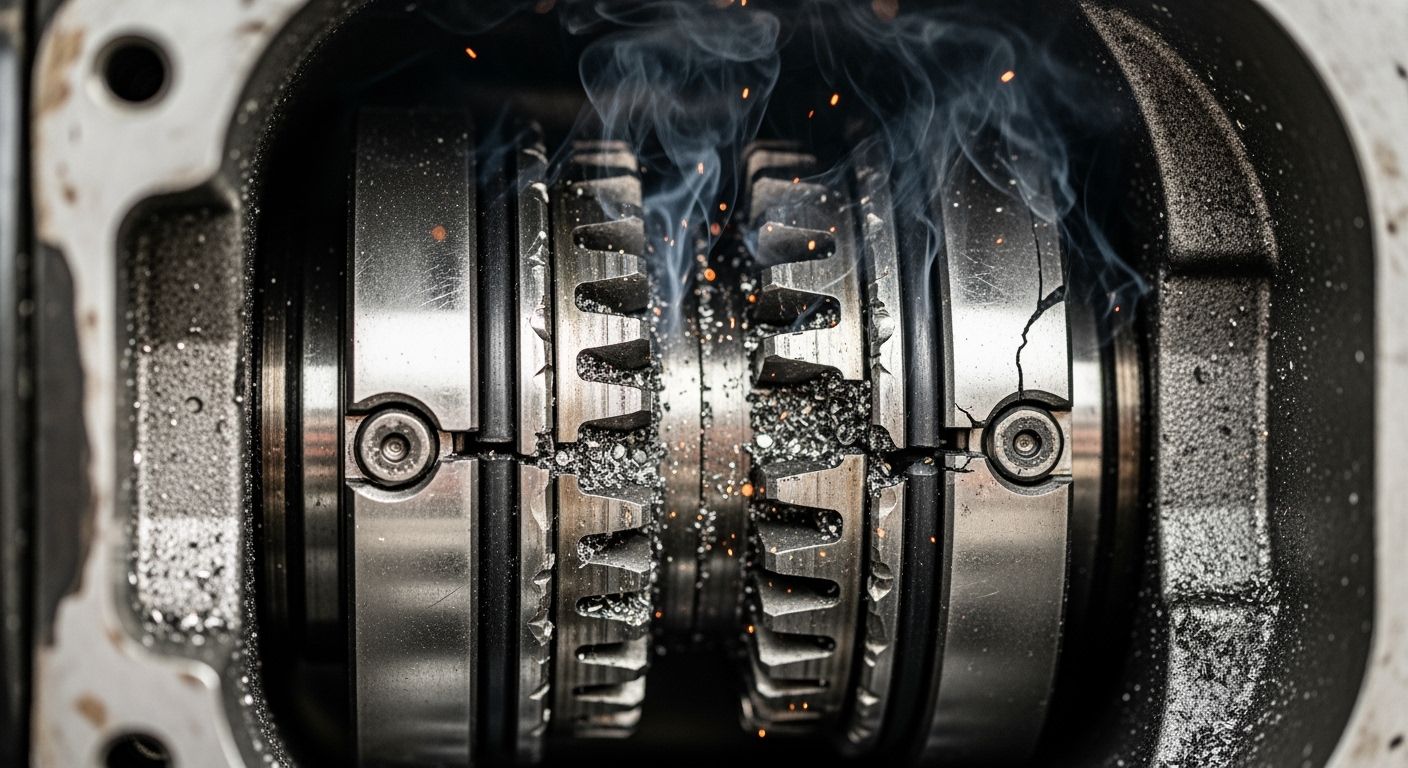
Not taking care of your system can cause problems. If you skip checks, your coupling can wear out fast. You may hear more noise and feel more shaking. Sometimes, things break without warning. These problems make your equipment not last as long and cost more money.
Other parts of your system can get damaged.
You might have to stop working suddenly.
You could pay more for fixing or replacing things.
To stop these problems, always follow your maintenance plan. Change old parts before they break. Watch for strange sounds or movement. Taking care of your coupling keeps your system safe and working well.
Alignment and Installation Best Practices
Following Manufacturer Guidelines
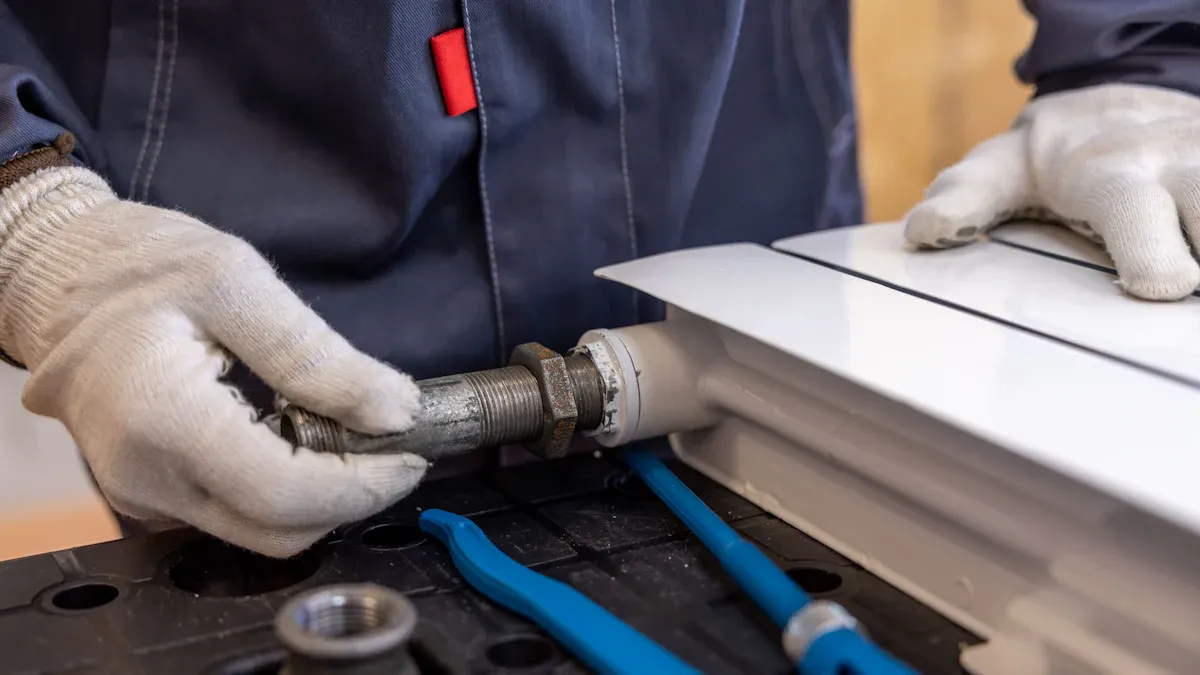
You should always follow the manufacturer’s installation instructions when you install couplings. These instructions help you set up your flexible shaft couplings the right way. If you skip steps or guess, you can cause misalignment. This can lead to early wear or even damage. Always read the manual before you start. Keep the instructions close so you can check each step.
Tip: Mark each step as you finish it. This helps you avoid missing important details.
Using Laser Alignment Tools
Laser alignment tools make your job easier and more accurate. You can use these tools to check alignment quickly. They help you spot even small misalignment problems. Place the tool on both shafts. Follow the tool’s guide to adjust the shafts until they line up. You get better results with laser tools than with just a ruler or straight edge.
Here is a simple process to use laser alignment tools:
Clean the shaft ends.
Attach the laser tool to both shafts.
Turn on the tool and follow the display.
Adjust the shafts until the tool shows correct alignment.
Tighten all bolts and check alignment again.
Preventing Misalignment Issues
Misalignment can cause many problems for flexible couplings. You should check alignment during installation and after running the machine for a short time. Machines can shift after first use. If you use flexible couplings, you get some help because they can handle small misalignment. Still, you must not ignore big problems. Always check alignment if you hear noise or see vibration.
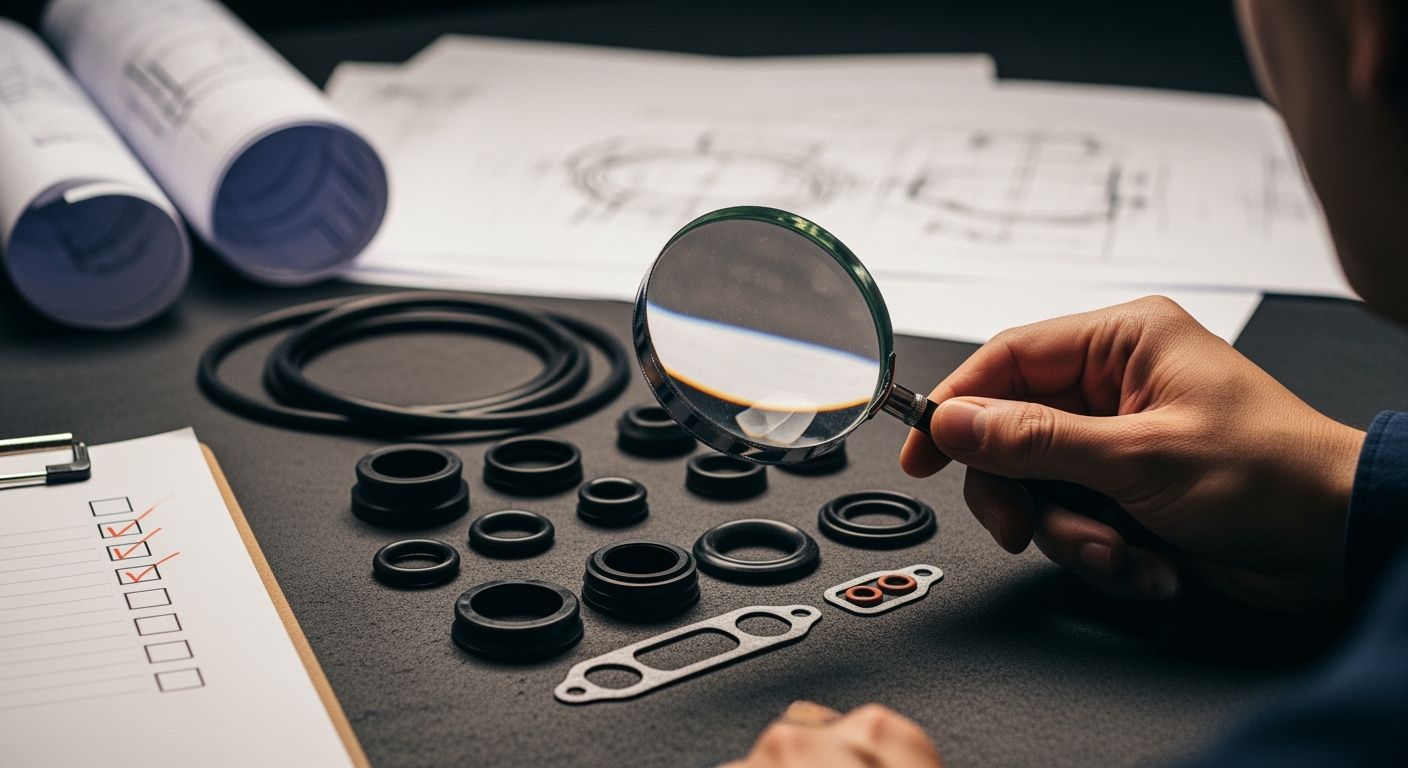
A good practice is to keep a checklist for each installation. Write down when you check alignment and what you find. This helps you spot patterns and fix issues early.
Note: Flexible couplings work best when you keep alignment within the limits set by the manufacturer.
Regular Inspection of Couplings
Visual Inspection Checklist
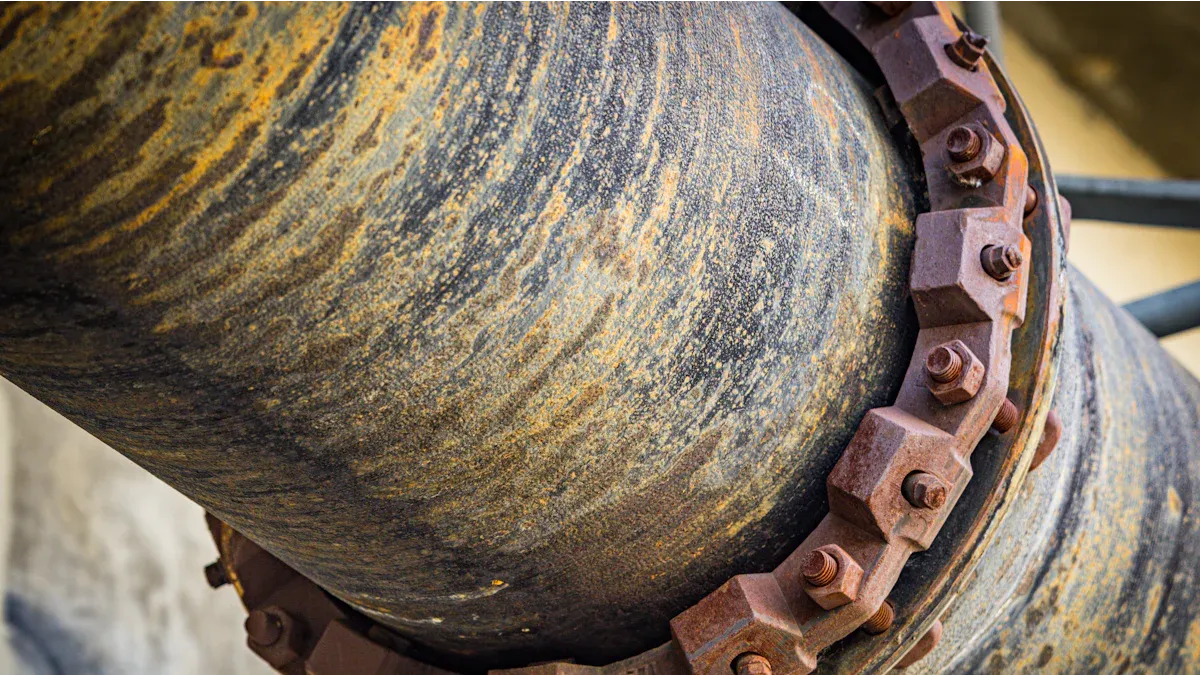
You should check elastomeric couplings often. This keeps your system safe. Looking at the couplings helps you find problems early. Look for cracks or missing pieces on the elastomeric parts. Check if there is oil or dirt on the coupling. Make sure all bolts are tight. If you see damage, write it down and plan to fix it.
Here is a simple checklist for your inspection:
Look for cracks or splits in the elastomeric element.
Check for swelling or hard spots.
Make sure the coupling is clean and dry.
Look for loose or missing bolts.
Watch for strange movement or noise.
Tip: Do a visual check every month or after heavy use.
Rubber Element Replacement
Elastomeric couplings have a rubber part. This part takes in shock and vibration. After some time, it wears out. You need to change it before it breaks. The manufacturer says to check the rubber part every inspection. If you see deep cracks or missing pieces, replace it right away. YNF Rubber gives good replacement parts for Centamax 400 couplings. Using trusted parts helps your equipment last longer.
Note: Always use the right rubber part for your coupling.
Scheduling Maintenance Intervals
You need a clear plan for maintenance. Set times for checking and replacing parts. Most experts say to check elastomeric couplings every month. For heavy-duty systems, check them more often. Write down each inspection and any work you do. This record helps you see patterns and stop sudden problems. Good care keeps your couplings working well and protects your machines.
Task | Frequency |
|---|---|
Visual inspection | Every month |
Rubber element check | Every month |
Rubber replacement | As needed |
Remember: Regular checks help you find problems early and keep your system safe.
Lubrication & Environmental Protection
Lubrication Needs for Centamax 400
You must pay close attention to lubrication when you care for your centamax 400. Proper lubrication keeps your coupling running smoothly. It reduces friction and stops metal parts from wearing out too fast. If you use the wrong lubricant or skip this step, you risk insufficient lubrication. This can cause heat and damage. Always use the lubricant recommended by the manufacturer. Check the product label before you apply it. Clean the area first, then add the right amount of lubricant. Do not overfill or leave dry spots.
Tip: Make a habit of checking lubrication during every maintenance session. This simple step helps your couplings last longer.
Managing Heat, Oil, and UV Exposure
Your coupling faces many environmental risks. High heat can break down the lubricant and damage the rubber parts. Oil leaks from nearby machines can also harm the coupling. UV rays from sunlight can make rubber hard and brittle. You should keep your equipment in a cool, dry place. Use covers or shields to block sunlight. Fix oil leaks right away. Watch for signs of heat damage, like hard or cracked rubber.
Environmental Risk | What to Do |
|---|---|
Heat | Keep area cool and ventilated |
Oil | Clean spills and fix leaks |
UV Rays | Use covers or shields |
Avoiding Contamination
Dirt and dust can get into your coupling and cause problems. Contamination makes the lubricant less effective. It can also wear down the rubber and metal parts. Always keep the area around your couplings clean. Wipe off dirt before you add new lubricant. Use seals or guards if your equipment works in a dirty place. If you need replacement parts, YNF Rubber offers high-quality options that help protect your system.
Note: Cleanliness is key. A clean coupling works better and lasts longer.
Load Management and Overload Protection
Understanding Real vs. Design Loads
It is important to know about real loads and design loads. The design load is the force the manufacturer says the coupling can handle. Real loads are the forces your equipment deals with every day. Sometimes, real loads are bigger than the design load. This can happen if your machine starts or stops quickly. Fast changes in speed can also cause this. If you do not pay attention to these extra forces, your coupling can get damaged.
You should check the loads in your system. You can use sensors or look at the machine’s data. Compare these numbers to the design load in the manual. If real loads are often higher than the design load, you need to do something. High loads can make the coupling move out of place. This can also make it wear out faster.
Tip: After heavy use or strange noises, always check for misalignment.
Specifying Overload Devices
Overload devices help protect your equipment from damage. These devices stop too much force from hurting the coupling. You can use torque limiters, shear pins, or slip clutches. Each device works in its own way, but all of them help stop sudden failures.
Here is a simple table to help you pick an overload device:
Overload Device | How It Works | When to Use |
|---|---|---|
Torque Limiter | Releases at set force | For steady heavy loads |
Shear Pin | Breaks under overload | For rare, sudden overloads |
Slip Clutch | Slips at high torque | For frequent overloads |
Pick the device that fits your system best. If you do not know which one to use, ask your supplier for help. YNF Rubber has good overload protection devices and can help you choose the right one.
Note: Overload protection helps you avoid expensive repairs. It also keeps your couplings safe from misalignment and damage.
Troubleshooting Common Coupling Issues
Early Warning Signs
You can find problems early if you know what to check. Look for these signs that your coupling might fail:
Strange noise or shaking when the machine runs
Cracks or worn spots you can see on the coupling
Bolts that are loose or missing
Oil or dirt building up near the coupling
The machine does not work like it should
If you see any of these signs, start checking right away. Acting fast helps you stop bigger problems and keeps your system working well.
Addressing Poor System Maintenance
Not taking care of your system can make the coupling fail. You should follow a clear plan for maintenance to stop this. Check your coupling every 2,500 hours to find problems early. Check how tight the bolts are every 1,00 hours. Take the coupling apart and look at everything every 3,00 hours. These steps help you find things like too much misalignment or worn parts before they break. Always check if the system is lined up right. Misalignment can break bearings, and people sometimes think it is the coupling. Good troubleshooting means you look at the coupling and the whole system.
Tip: Write down all your maintenance and troubleshooting steps. This helps you see patterns and stop problems before they happen.
When to Replace the Coupling
Sometimes, fixing is not enough. You need to get a new coupling if you see deep cracks, missing pieces, or if the rubber part feels hard or breaks easily. Change the coupling if it keeps failing or you cannot fix misalignment. If you see damage from heat or sunlight, like swelling or color changes, do not wait. Changing the coupling quickly stops bigger problems in your equipment. YNF Rubber has good couplings that help you avoid future trouble.
Symptom | Action Needed |
|---|---|
Deep cracks or splits | Replace coupling |
Hard or brittle rubber | Replace coupling |
Repeated failure | Replace coupling |
Excessive misalignment | Replace coupling |
Remember: Fast checks and quick replacement keep your system safe and help you work without long stops.
Documentation and Staff Training
Keeping Maintenance Records
You need to keep clear records for every maintenance task. Good documentation helps you track what you have done and when you did it. This makes it easier to spot patterns or problems with your coupling. Write down each inspection, repair, and replacement. Use a simple logbook or a digital spreadsheet. Include the date, the name of the person who did the work, and what they found. If you use a checklist, you can make sure you do not miss any steps.
Tip: Review your records before each maintenance session. This helps you plan and avoid repeating mistakes.
A sample maintenance log might look like this:
Date | Task Performed | Findings | Action Taken | Technician |
|---|---|---|---|---|
2024-03-01 | Visual Inspection | No issues found | None | Alex |
2024-04-01 | Rubber Check | Small crack | Replaced | Jamie |
Keeping good records helps you prove that you follow best practices. It also helps you when you need support from your supplier, such as YNF Rubber.
Training for Safe Coupling Maintenance
You must train your staff to handle couplings safely. Proper training keeps everyone safe and helps your equipment last longer. Teach your team how to spot early warning signs and how to use the right tools. Show them how to follow the manufacturer’s instructions step by step. Use hands-on practice and regular refreshers to keep skills sharp.
Hold short training sessions every few months.
Use real examples from your own equipment.
Encourage questions and teamwork.
Note: Well-trained staff make fewer mistakes and keep your system running smoothly.
If you want reliable training materials or expert advice, you can ask YNF Rubber for help. They offer guidance and support for safe coupling care.
You can help your centamax 400 last longer with easy steps. Look at your couplings often and change old parts before they break. Checking often lets you find problems early and keeps your system safe. Taking care of your coupling stops bad maintenance and helps it work longer. Pick trusted suppliers like YNF Rubber for good parts and help. Act now to keep your equipment safe and working well.
FAQ
How often should you inspect your centamax 400?
You should inspect your centamax 400 every month. Check for cracks, loose bolts, and dirt. Write down what you find. This habit helps you spot problems early and keeps your equipment safe.
What signs show your coupling needs replacement?
Look for deep cracks, missing pieces, or hard rubber. If your machine shakes or makes noise, check the coupling. Replace it if you see damage or if it fails often.
Can you use any parts for couplings maintenance?
You should always use trusted parts for maintenance. YNF Rubber offers high-quality options. Using the right parts helps your couplings last longer and keeps your system running well.
Why is alignment important for couplings?
Proper alignment stops early wear and damage. If you keep your couplings lined up, your machine runs smoother and lasts longer. Use laser tools for best results.
Where can you get expert help for coupling care?
You can contact YNF Rubber for expert advice and support. They help you choose the right parts and answer your questions about coupling care.