Buying the wrong kobelco coupling costs you more than just the part. You will face machine downtime, return shipping fees, and lost revenue while your excavator sits idle. You can avoid this problem with three simple steps. First, identify your excavator model and serial number. Second, find the coupling type your machine needs. Third, check all dimensions and part numbers before you order. This guide gives you a clear, easy-to-follow walkthrough. Owners, mechanics, and parts staff can all follow it. Remember that you should always check with official Kobelco resources and authorized dealers for the final confirmation. Check your hydraulic pump details carefully so you order the right part the first time.
Key Takeaways
Locate your excavator model and serial number first. This step saves time and money.
Choose between rubber and metal couplings. Rubber soaks up vibration better.
Use calipers and gauges to measure all sizes. Getting the right sizes stops you from ordering the wrong parts.
Check part numbers and visual clues before buying. This makes sure you have the right coupling.
Check your pick with official catalogs or dealers. This helps you avoid costly mistakes.
Find Your Excavator Model and Serial Number
Every correct part match starts with your excavator model and serial number. These two details are the key to finding the right kobelco coupling. Without them, you might order the wrong pump part. Take time to find these numbers. Spending a few minutes now saves hours of returning parts and costly downtime later.
Where to Locate the ID Plate
Kobelco puts the ID plate in different places based on machine age and size. For older big models like the SK200, you find the plate under the door on the side of the machine. Machines from 2013 and newer have the VIN or serial plate on the right side of the driver’s cab, below the window. This spot is the same as what Caterpillar and John Deere use. The plate covers many models. These include the 17SR, 27SR, 30SR, 50SR, 70SR, 75SR, 80CS, 85CS, SK115, SK130, SK135, SK140SRLC, SK150, SK200, SK210, SK210LC, SK230SRLC, SK235, SK260, SK260LC, SK260SRLC, SK295, SK350, SK485, SK850, ED150, ED160, ED180, and ED185.
Once you find the plate, clean it with a rag. Dirt and grease often cover the details. Write down the model name and full serial number. A photo on your phone is a good backup for later when you check parts lists.
How to Read Model and Serial Ranges
Kobelco serial numbers come in two forms. Some machines use a 7-digit code like YCU-1218. Newer models use a 9-digit code such as LA07-03062. Serial number guides from Kobelco have tables that list each model, its names, and serial number ranges. You use this range to check which parts fit your machine. A small change in serial number can mean a different part design.
For older excavators, finding exact info takes more work. Parts diagrams for that time may not be online. You may need to follow hydraulic lines on your pump to see the part. Look for part numbers stamped on the metal coupling body. Forums and parts dealers who know older Kobelco excavators can help fill in gaps. Always check your model and serial range before you measure dimensions.
Identify the Kobelco Coupling Type
You have your excavator model and serial number. Now figure out which kobelco coupling fits your machine. Kobelco excavators use different designs based on size and age. You must match the right style to your specific machine. A wrong choice means the part will not fit at all. The two main styles are rubber and metal. Each style serves a clear purpose.
Common Coupling Styles and Features
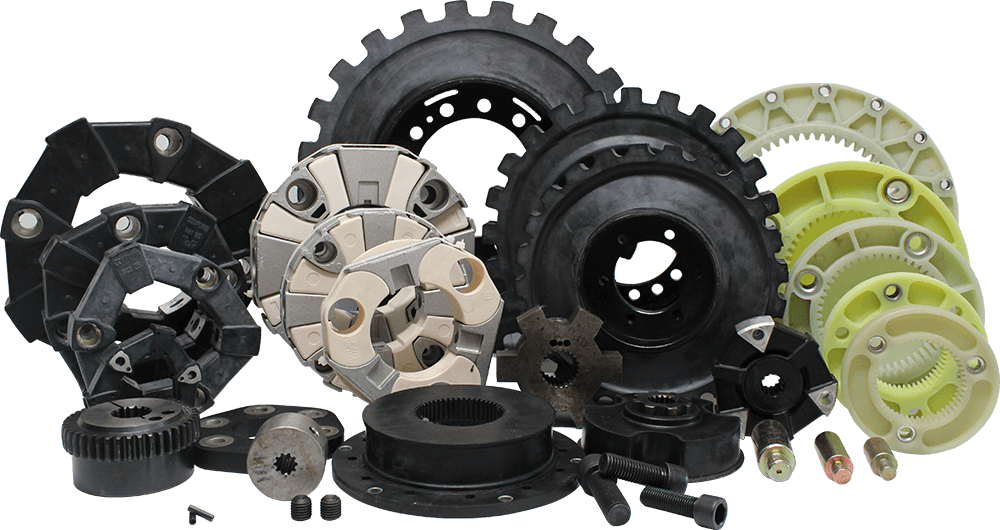
Most Kobelco machines use a rubber connector between the engine and pump. Mechanics call this a pump coupling rubber or a flexible coupling. Its job is to connect the pump to the engine. It also soaks up vibration during operation. Smaller excavators like the SK45 and SK50 use a specific part known as the 22A pump coupling rubber. This pump coupling rubber cushions the driveline and keeps the pump running smoothly.
Machine size determines whether you need a manual or hydraulic component for the attachment end. For the pump-to-engine connection, rubber is the standard. Compare rubber and metal options for your main pump drive.
Rubber vs Metal: Which coupling material is better for Kobelco excavators?
Feature
Metal Options
Rubber Options
Vibration Absorption
Low
High
Noise Level
High
Low
Flexibility
Low
High
Maintenance Needs
More
Less
Metal parts do not soak up vibration well. This leads to more noise and shaking. That shaking can damage the pump and engine over time. Rubber parts act as a cushion. They soak up shocks and reduce noise. This results in smoother operation. It also protects the equipment from sudden jolts. That means fewer repairs and a longer pump drive life.
Aftermarket suppliers offer rubber parts for many Kobelco models. You can find a coupling rubber compound that matches the original part. The key step is to know your model and style before you order.
Reading Part Numbers and Visual Clues
The easiest way to identify the correct excavator pump coupling is to check the part number. Look for a number stamped on the part body. Cross-reference that number with commonly used part numbers. For example, the 22A pump coupling rubber is a standard part for the SK45 and SK50. If you see that number on your old part, you know what to order. This saves time and prevents mistakes.
Visual clues also help you verify the type. A rubber part usually has a star-shaped or flex-plate design. Some mechanics call this a rubber flex-plate. It has bolt holes around a center hub and a rubber section between two metal rings. A metal part is all metal with no rubber in the middle. The shape gives you a clear visual signal.
You should also look at the pump itself. The hydraulic pump coupling connects your engine output to the pump input. If the old part shows cracks or worn rubber, you need a new one right away. These signs indicate a failing part. Vibration and noise during operation also point to a worn component. Replacing it quickly protects the pump from damage.
Check your parts diagram or online catalog. Kobelco lists part numbers by model and serial range. Aftermarket suppliers show pictures and model lists. Use the part number as your main guide. Use the visual look as a backup check.
Now you know the correct part. The next step is to measure the dimensions. Accurate measurements ensure the new part fits your pump and engine perfectly.
Measure Your Hydraulic Pump Coupling Dimensions
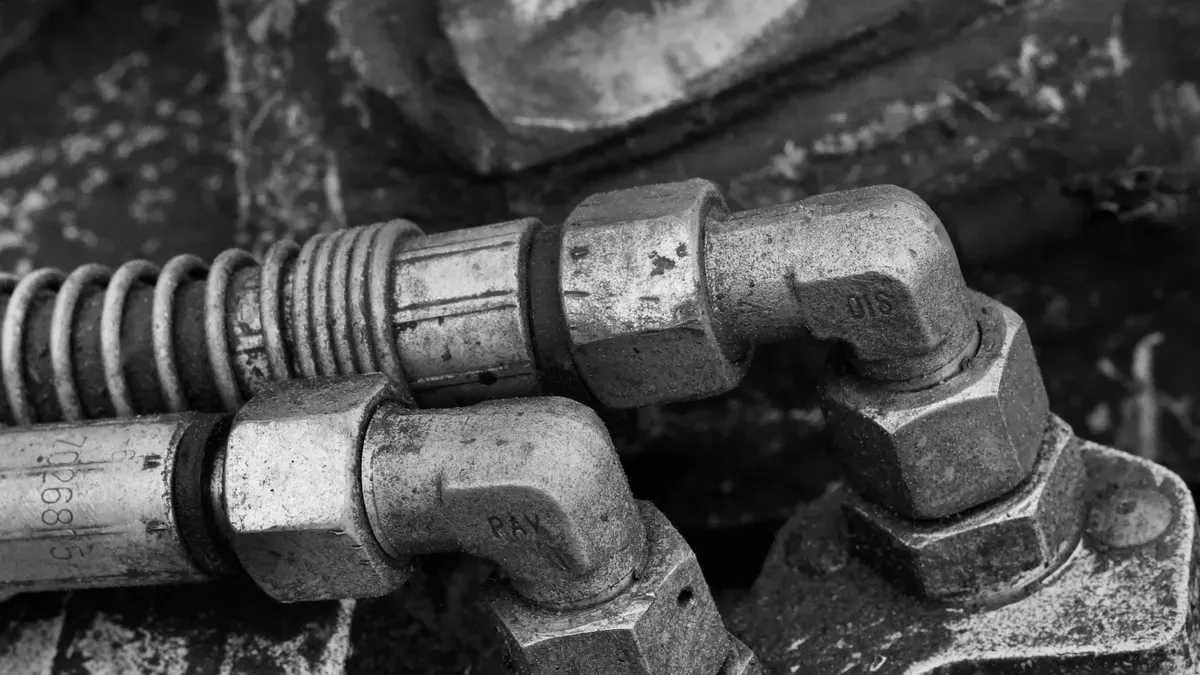
Getting exact measurements is very important when you order flat face couplings for auxiliary hydraulic lines. A tiny size mistake causes leaks, a bad fit, and more downtime. You already know your model and coupling type. Now you need exact numbers from your machine.
Tools and Critical Measurements
Collect the right tools before you begin. You need vernier calipers, a tape measure, and a thread pitch gauge. These tools give you the exact data you need for a correct order.
Follow these steps to check your fitting:
Use vernier calipers to look at the fitting from the side and find out if the thread is tapered or parallel.
Use a pitch gauge to check the thread pitch.
Find the nominal size by measuring the outside diameter or by checking it against a thread profile gauge.
If you have them, compare with known threaded fittings to confirm how well they connect.
You must write down several key dimensions. Measure the inner diameter and outer diameter of the coupling. Check the bolt hole spacing on the pump coupling flange. Note the pilot diameter on the hydraulic pump input shaft. These numbers must match the new part exactly.
Measurement Area | Tool | Key Dimensions / Checks |
|---|---|---|
Male plug (nipple) | Caliper | Outside diameter at the widest inserted part; probe length from tip to base; profile shape such as Flat Face, Poppet, or Ball |
Port thread identification | Thread measurement tools | Thread outside diameter and pitch (TPI or mm) to identify NPT, BSPP, Metric, or JIC |
A straightedge alignment and shaft gap test also helps. Place a straightedge across the pump coupling flange face. Check for gaps between the straightedge and the flange. A gap means the flange is not flat. This test shows wear or damage on the hydraulic pump input shaft.
Flat Face and BSP Fitting Notes
Kobelco SK200 LC pilot lines usually use BSP 30-degree flare fittings. High-pressure lines may be different. You must confirm the fitting style on your own machine. Do not assume all ports on one excavator use the same thread.
Some metric-to-metric hydraulic couplings may have flaws from the factory. These flaws cause leaks or poor sealing. Forums and experts can help you find problem batches. Always check the torque specs for your coupling. Wrong torque values damage the threads or leave the connection loose.
The pump coupling rubber also affects alignment. A worn rubber part changes the angle between the engine and pump. This misalignment puts stress on the hydraulic pump input shaft. Check drive coupling alignment when you install a new part. Good coupling alignment makes your pump last longer and reduces vibration.
You should also check the torque for each bolt on the coupling. Use a calibrated torque wrench. Follow the manufacturer specs for your Kobelco coupling. Over-tightening cracks the flange. Under-tightening lets the coupling slip.
Measure twice before you order. Write down every dimension. Compare your numbers with the parts diagram. This step stops a wrong order and keeps your excavator running.
Cross-Reference and Confirm Your Excavator Pump Coupling
You have your measurements and part number. Now you must check everything before you buy. This last check finds mistakes and makes sure you have the right kobelco coupling for your machine.
Using Kobelco Catalogs and Online Resources
Start with Kobelco’s official website and authorized dealers. These sources give you correct information and genuine parts. You can also use online parts diagrams and part number lists to check your excavator pump coupling. Type your model and serial number into the system. The diagram shows every hydraulic component on your machine. Find the pump coupling rubber in the diagram and write down its part number. Compare this number with the one stamped on your old part. A rubber parts catalog from a trusted aftermarket supplier also helps. These catalogs list part numbers by model and show pictures of each coupling.
Watch for signs of excavator pump coupling failure as you check your machine. These pump coupling failure symptoms tell you the part needs to be replaced:
Too much vibration near the coupling guard or the motor-pump assembly, often from an out-of-balance condition
Strange grinding, clicking, or rattling noises from the coupling, common in elastomeric types
Visible tears or splits in the polymer coupling elements, which require shutdown and careful inspection
You may also see rubber dust and cracks around the coupling body. These key excavator pump coupling failure symptoms mean the part is failing. A damaged pump coupling or damaged coupling element puts stress on the hydraulic pump. Torsional vibration increases and can harm other components. Replace the coupling before it causes more damage.
When to Ask a Dealer or Expert
Some situations need professional help. Part numbers may be unclear on older or uncommon models. You might find no listing for your excavators in online catalogs. A dealer or expert can trace the correct part through their network. They know how machine size affects coupling selection and can confirm torque specs for your replacement coupling element.
Ask for help when you see conflicting information. Different sources may list different parts for the same model. An expert sorts out these conflicts. They also verify that your hydraulic pump coupling matches the pump and engine output. This step protects your machine and prevents a costly wrong order.
You now have a clear three-step process. First, find your excavator model and serial number. Second, identify your part using visual clues and numbers. Third, measure all hydraulic pump dimensions accurately. Always check your findings with Kobelco catalogs or an authorized dealer before buying. This final check stops costly ordering mistakes and return fees. Accuracy protects your machine uptime and performance on every job. A wrong connection causes downtime and lost revenue. You can avoid these problems with careful work. Many excavators run smoothly with the right coupling. Take a few extra minutes to double-check before you order.
FAQ
What tells you your Kobelco coupling is failing?
Vibration near the coupling, grinding sounds, and visible cracks mean it’s failing. Rubber dust around the part shows wear. Replace the coupling quickly to protect the hydraulic pump.
Can you use aftermarket couplings instead of original parts?
Yes, many aftermarket sellers offer matching rubber couplings. Check the part number and model match before you order. Match the sizes shown in the parts diagram.
What do you do if the serial number plate is missing?
Follow the hydraulic lines from the pump to the coupling. Look for printed part numbers on the metal body. Ask Kobelco parts drawings or a dealer for old models.
How do you measure thread pitch on a hydraulic coupling?
Use a thread pitch gauge to find the gap between threads. Compare the outside width with a profile gauge. Record the pitch in millimeters or threads per inch.