When you need a new excavator rubber coupling, your choice is important. The right excavator rubber coupling keeps your equipment safe from shock and misalignment. Many studies show that flexible couplings take in vibrations and lower noise. This helps your machine work better. You also get less damage on shafts and bearings with a good excavator rubber coupling.
An excavator rubber coupling works like a cushion. It lowers the chance of cracks and sudden breaks.
It helps fix misalignment problems. This makes your equipment last longer.
If you pick a strong excavator rubber coupling from a trusted brand like YNF Rubber, your machines stay in great shape.
With these facts, you can feel sure about buying your next excavator rubber coupling.
Key Takeaways
Pick the correct excavator rubber coupling to keep your machine safe from shock and parts not lining up. Always check your excavator’s model and details to make sure the coupling will fit. Think about where and how your excavator works, like the temperature and surroundings, before you choose a coupling. Find strong materials like rubber or polyurethane that can handle pressure and lower shaking. Talk to experts or trusted sellers like YNF Rubber to help you choose the right coupling.
Excavator rubber coupling requirements
To pick the right coupling, you need to know your excavator’s needs. Look at how your machine works every day. Check the technical details. This helps you avoid mistakes. It also keeps your machine working well.
Check model and specs
First, find out your excavator’s model. Check its specs. Every machine needs a certain kind of coupling. Look in the manual for things like shaft size and speed. Also check the mounting type. Make sure the coupling fits these numbers. Always look at how the shafts line up. Bad alignment can make the coupling break early. Watch the safety factor too. It is usually between 1.4 and 1.6. This number helps you pick a coupling that can handle extra stress and keeps your machine safe.
Assess operating conditions
Think about where you use your excavator. Does it work in hot, dusty, or wet places? The coupling’s material matters here. Some couplings change if they get too hot. Pick one that works for your job site. Good couplings give you:
Great shock absorption
Less vibration
Better power transfer
Fixes misalignment
Less stress on parts
Longer life for important parts
Measure load and torque
You need to know the load and torque your excavator uses. Torque is the force that turns the parts. Different machines need different torque. Use this table to compare:
Excavator Class | Operating Weight (kg) | Min Torque (Nm) | Max Torque (Nm) | Motor Displacement (ml/r) | Typical Gearbox Ratio |
|---|---|---|---|---|---|
10-Ton | 10,000–12,000 | 800 | 1,200 | 40–80 | 25:1–35:1 |
20-Ton | 18,000–22,000 | 1,800 | 2,800 | 80–160 | 30:1–40:1 |
35-Ton | 32,000–38,000 | 3,200 | 4,500 | 160–250 | 35:1–50:1 |
50-Ton | 45,000–55,000 | 4,500 | 6,500 | 250–350 | 45:1–60:1 |
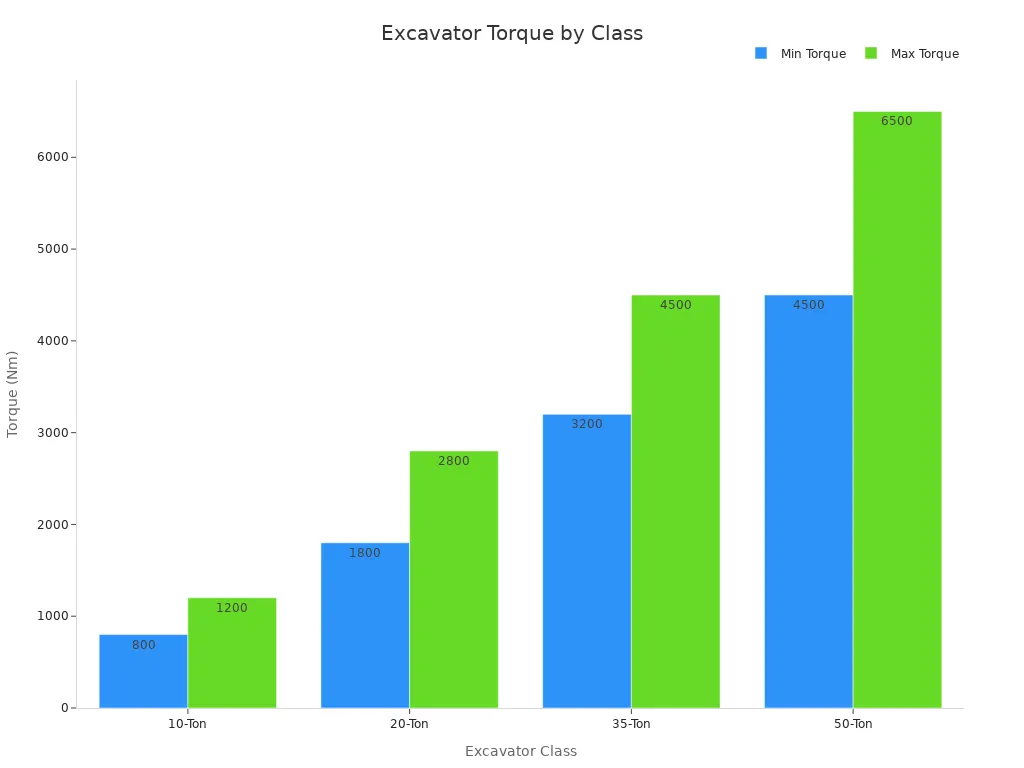
Industry rules like ISO 4409 and ISO 4406 help you measure load and torque. When you know these numbers, you can pick the right coupling. This keeps your excavator strong and working longer.
Tip: Always check your numbers before you buy a new coupling. This step saves you time and money.
Types of rubber coupling for excavators
Common coupling types
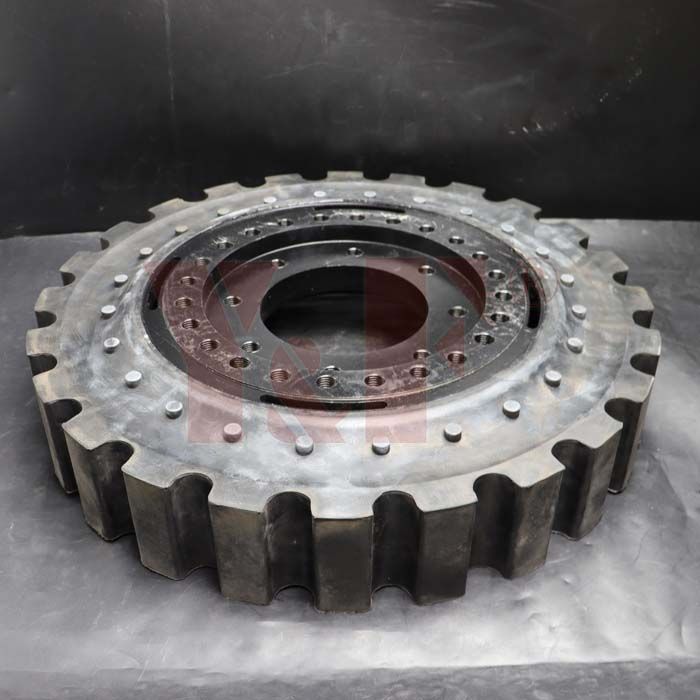
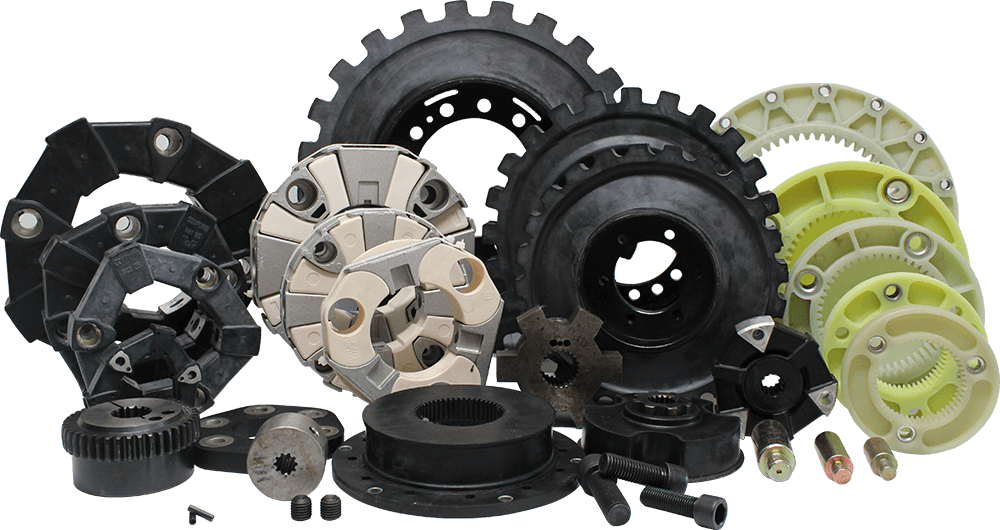
There are different flexible rubber couplings for excavators. Each type works in its own way. YNF Rubber’s flexible rubber couplings help stop shocks. They also let shafts move without getting hurt. Many machines use these couplings. They help your excavator work well and last longer.
Here are some main types you might use:
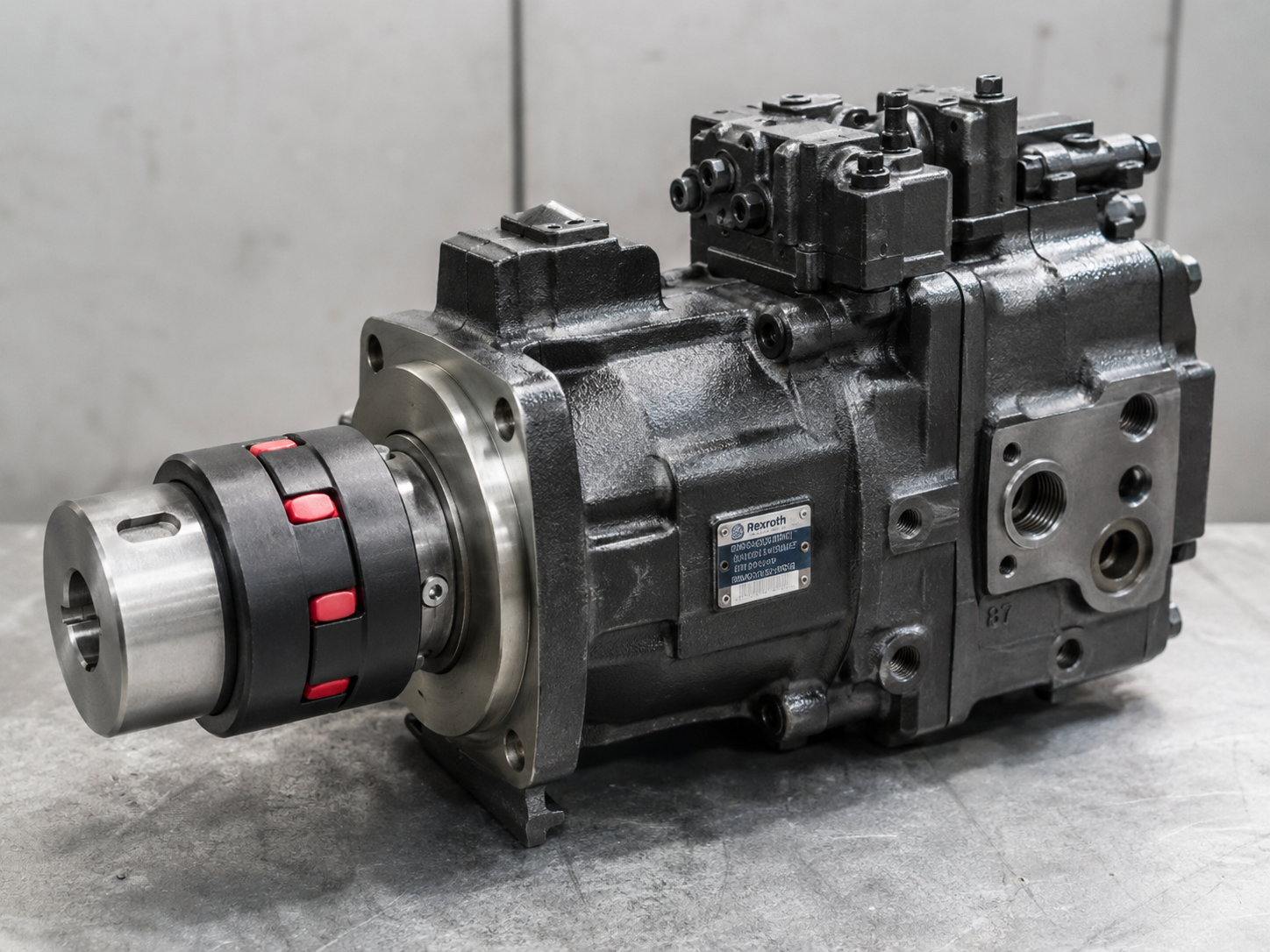
Jaw coupling: This type uses rubber to join two shafts. It fixes small misalignments and makes less noise.
Tire coupling: This type has a rubber ring shaped like a tire. It bends and takes in shocks.
Flange coupling: This type joins shafts with rubber pads and metal flanges. It is good for heavy work.
Pin and bush coupling: This type uses rubber bushes to lower vibration and let parts move.
YNF Rubber’s flexible rubber couplings fit many excavators. They control vibration well and are easy to put in.
Pros and cons overview
You should know what is good and bad about each coupling. The table below shows the pros and cons of flexible rubber couplings:
Advantages | Disadvantages |
|---|---|
Works with heat changes | Handles less pressure |
Makes less noise and shaking | Not for stiff support |
Quick and easy to install | Costs more at first |
Lets shafts move and bend | |
Stops leaks | |
Easy to fix |
Flexible rubber couplings help lower noise and shaking. You can put them in fast. They let shafts move, which stops leaks and keeps your machine safe. You might pay more at first, but you save money later because your excavator lasts longer.
Application suitability
You need to match the coupling to your excavator’s job. Flexible rubber couplings are best for machines that need to take in shocks and fix misalignment. If your excavator works in rough places or lifts heavy things, you need a coupling that handles heat and stress. YNF Rubber’s flexible rubber couplings do this job well. You get strong work and less time fixing your machine.
New trends show that more machines use flexible rubber couplings. More building jobs mean more excavators need couplings that last. Electric machines use these couplings too. They handle new kinds of torque and vibration.
Tip: Always check the types of flexible rubber couplings before you buy. Pick the one that fits your machine and job site.
Rubber coupling selection tips
When you pick a rubber coupling, you want your excavator to stay safe. You also want it to work well. These tips help you focus on what matters most. Look at material, build quality, size, fit, and durability. YNF Rubber’s flexible rubber couplings are made with high standards. They are a smart choice for many excavator owners.
Material and build quality
Always check what the rubber coupling is made of. The right material makes your flexible rubber couplings strong. Most good couplings use rubber or polyurethane. Rubber cushions your machine and lasts a long time. Polyurethane is stretchy and resists oil and rust. Both materials help your coupling take in shocks and lower vibration.
Material | Characteristics |
|---|---|
Rubber | Cushions and lasts long in tough jobs. |
Polyurethane | Stretches well and resists oil and rust, making couplings work better. |
Build quality is just as important as material. A well-made rubber coupling lasts longer and needs less fixing. YNF Rubber’s flexible rubber couplings use strong rubber and steel. These parts handle high torque and keep your excavator running well. The CF-H series works in very hot or cold places. It also resists oils and greases. The elastic ester resin in these couplings takes in shocks and lowers vibration. This means less wear and longer life.
The CF-H series works in tough places and resists heat, oil, and grease.
Strong polyester resin means less wear and fewer repairs.
Elastic ester resin absorbs shocks and lowers vibration.
If you pick a rubber coupling with strong build quality, your excavator will not break down early.
Size, fit, and compatibility
You need the right size and fit for your rubber coupling. If it does not fit, your machine can break. Always check your excavator’s manual for shaft size and mounting type. Follow these steps to make sure your flexible rubber couplings fit:
Pick the fit the manufacturer recommends. This helps you find the right coupling.
Check the shaft and hub for problems. This stops alignment issues.
Use design tools if you can. These tools help you get the best fit.
Good alignment is important. If your rubber coupling does not line up, you get more vibration and faster wear. Flexible rubber couplings from YNF Rubber use standard designs. This means they fit many excavator brands and models. Good compatibility keeps your machine safe and stops leaks or accidents.
Feature | Description |
|---|---|
Dual Safety Protection | Locks attachments if the hydraulic system fails, stopping accidents. |
Multi-Model Compatibility | Fits many excavators (1-45 tons) and attachments, keeping things stable. |
Matched flexible rubber couplings stop leaks and early wear.
Standard designs make alignment easy and improve compatibility.
Good compatibility lowers the chance of accidents.
Tip: Always check the size and alignment before you put in a new rubber coupling.
Durability and resistance
You want your rubber coupling to last a long time. Durability depends on the material and how well it resists heat, oil, and stress. YNF Rubber’s flexible rubber couplings use strong rubber and steel. These materials handle tough jobs and keep your excavator working longer.
When you compare flexible rubber couplings, look at durability, wear rate, and resistance to the environment:
Material | Durability | Wear Rate | Environmental Resistance |
|---|---|---|---|
Polyurethane (PU) | High | Lower | Excellent |
Rubber | Moderate | Higher | Moderate |
Good flexible rubber couplings may cost more at first. But they save you money later. They lower downtime and repair costs. Cheap couplings might seem better, but they can break more and cost more later.
Good rubber coupling protects other parts from damage.
Flexible rubber couplings take in impacts, so your machine wears less.
You get less downtime and more work done with a strong coupling.
YNF Rubber’s flexible rubber couplings meet strict rules. You can trust them to handle heavy loads and tough places. When you follow these tips, you make a smart choice for your excavator’s future.
Choosing the right flexible rubber coupling
When you pick a flexible rubber coupling, you want to avoid mistakes. The right coupling keeps your excavator working well. It helps you get more value from your machine. You should listen to advice from experts and trusted brands like YNF Rubber. This makes you feel sure your equipment will work well.
Avoiding compatibility mistakes
Many people make easy mistakes when picking a rubber coupling. These mistakes can cause leaks, early wear, or even machine failure. You can stop these problems if you know what to look for. Here is a table that shows common compatibility mistakes and what they mean:
Compatibility Mistake | Description |
|---|---|
Sizing Issues | Wrong size can cause pressure drops and less efficiency. This puts stress on parts. |
Material Incompatibility | Using the wrong material can cause leaks and damage. |
Pressure and Temperature Mismatches | Parts must be rated for the right conditions. If not, they can break under stress. |
Always check the size, material, and ratings of your rubber coupling. If you skip these steps, you might get a part that does not fit or breaks too soon.
To help you avoid mistakes, follow this checklist:
Know the torque your machine needs.
Find out the operating speed (RPM).
Measure shaft sizes and keyway dimensions.
Check for misalignment and pick a coupling that can handle it.
Make sure you meet any industry rules.
Decide how stiff or flexible you want the coupling for vibration control.
Think about the total cost, including replacement.
Look for materials with the right certifications and warranties.
Make sure the coupling fits your machine and matches the bolt pattern.
Ask about after-sales support and spare parts.
Tip: Take your time with these steps. If you rush, you can make mistakes and lose money.
Following manufacturer guidelines
Always follow the manufacturer’s instructions when you install or replace a rubber coupling. The manual tells you the right sizes, torque ratings, and steps. If you skip these instructions, you can hurt your machine or the new coupling.
Brands like YNF Rubber test their products for safety and performance. They give clear instructions to help you get good results. Always use the tools they recommend and follow the steps in order. This helps you avoid problems like misalignment, leaks, or early wear.
Read the manual before you start.
Use the right tools for the job.
Check all bolts and fittings to make sure they are tight.
Test the machine after installation to see if everything works.
Note: If you have questions, contact the supplier or manufacturer for help. They can answer your questions and help you with the process.
Seeking expert advice
Sometimes, you may not know which rubber coupling is best for your excavator. In these cases, you should ask for expert advice. Industry professionals and suppliers like YNF Rubber have lots of experience. They can help you pick the right flexible coupling for your needs.
You can ask experts about size, material, or installation. They can also help you with custom solutions if your machine needs something special. Getting advice from professionals saves you time and money. It also helps you avoid mistakes that could damage your equipment.
Contact YNF Rubber for technical support or product recommendations.
Share your machine’s details and working conditions.
Ask about custom options if you need something special.
Tip: Working with experts helps you feel calm. You know your excavator will have the right rubber coupling for the job.
By following these steps, you make sure your excavator works well and lasts longer. Picking the right flexible rubber coupling protects your investment and keeps your machine running.
Where to buy rubber coupling and what to ask
Trusted suppliers and YNF Rubber
You should pick a supplier you trust when buying a rubber coupling for your excavator. YNF Rubber is a good choice because they are reliable. They make rubber couplings, anti-vibration mounts, and other excavator parts. You can get regular or custom options from them. YNF Rubber makes couplings that work with high torque and fit many machines. Their products help fix misalignments and keep your equipment safe. YNF Rubber has many years of experience and knows what excavator owners want.
Use this table to check if a supplier is good:
Criteria | Description |
|---|---|
Experience | Long history shows reliability and expertise. |
Quality Assurance | Strong quality control and certifications mean high standards. |
Customer Support | Responsive support helps you avoid problems and misunderstandings. |
Tip: Pick a supplier with lots of experience and helpful customer support. This helps you avoid mistakes that cost money.
Key questions for suppliers
Before you buy a rubber coupling, ask the supplier some important questions. These questions help you make a smart choice:
What materials do you use for your rubber coupling?
Can your rubber coupling handle the torque and misalignment of my excavator?
Do you offer custom sizes or designs?
What certifications do your rubber coupling products have?
How quickly can you deliver the rubber coupling?
What is the minimum order quantity?
Do you provide technical support or installation guidance?
These questions help you get the right rubber coupling for your machine. You also learn if the supplier is good and reliable.
Warranty and support
Warranty and after-sales support are important when you buy a rubber coupling. YNF Rubber gives you strong products and support after you buy. You get the right product and good quality every time. They listen to your needs and give you special solutions. YNF Rubber lets you order small amounts and has many excavator parts.
Aspect | Description |
|---|---|
Commitment to Quality | Premium rubber and excavator parts. |
Customer-Centric Approach | Solutions tailored to your needs. |
After-Sales Support | Ongoing help and satisfaction. |
Note: Always ask about warranty and after-sales support. This keeps your investment safe and your excavator working well.
You now know how to pick the right excavator rubber coupling. Expert advice helps you find parts that fit your machine. The table below shows how following expert steps makes things better:
Criteria | Benefits |
|---|---|
Temperature | Parts last longer when it is hot |
Compatibility | Coupling fits well and works right |
Customization | Less fixing and better machine work |
YNF Rubber’s Flexible Rubber Coupling takes in vibration and lowers noise. It also fixes misalignment. You get parts that are strong and dependable. Go to YNF Rubber’s website or ask their team for help.
FAQ
What is a flexible rubber coupling used for in excavators?
You use a flexible rubber coupling to connect two shafts. It absorbs vibration and shock. This helps your excavator run smoothly and protects important parts from damage.
How do I know if my rubber coupling needs replacement?
You should check for cracks, wear, or noise. If you see rubber pieces missing or feel more vibration, you need a new coupling. Regular checks help you spot problems early.
Can I install a rubber coupling by myself?
You can install a rubber coupling if you follow the manual. Use the right tools and check alignment. If you feel unsure, ask an expert or contact YNF Rubber for help.
Are YNF Rubber couplings compatible with all excavator brands?
YNF Rubber designs couplings to fit many brands and models. You should check your machine’s specs and ask YNF Rubber if you have questions about compatibility.
How do I order a custom rubber coupling from YNF Rubber?
You can contact YNF Rubber through their official website. Share your machine details and needs. Their team will help you choose or design the right coupling.