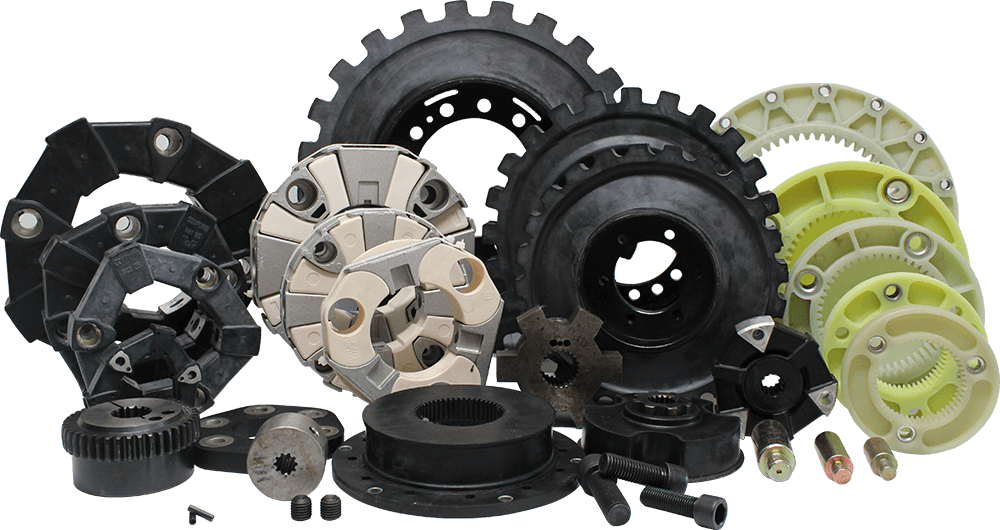

Rubber in shear isolators helps stop vibration and noise. You can find it in factories and homes. People use rubber because it works better than steel for vibration. Rubber does not rust, so it is good in wet or chemical places. Rubber in shear isolators changes vibration into heat. This helps with temperature changes. You can make rubber into many shapes. This helps fix different vibration problems.
Rubber in shear isolators:
Gives more ways to stop vibration than steel.
Stays strong in tough places.
Turns vibration into heat.
Can be shaped for special needs.
Key Takeaways
Rubber in shear isolators takes in vibration and noise. This makes machines and buildings quieter and safer.
Rubber can bend and go back to its shape. It works better than metal for stopping vibration, even in hard places.
Picking the right kind and thickness of rubber isolator is very important. This helps it work best in different vibration cases.
Rubber isolators can help machines last much longer. They lower repair costs and make things work better.
Using rubber isolators in daily appliances cuts down noise. It keeps devices safe and makes homes and workplaces more comfortable.
Rubber in Shear Isolators
Structure and Materials
Rubber in shear isolators has a clever design. These isolators use layers of rubber and steel together. The steel plates make the isolator strong. The rubber layers let it move and flex. Some isolators also have polyurethane disks, friction plates, and bearing blocks. Each part helps the isolator do its job better.
The rubber friction bearing (RFB) uses polyurethane disks, friction plates, bearing blocks, and laminated plates. These parts help the isolator hold heavy loads, reduce shaking, return to shape, and spread out energy. The laminated plate made of rubber and steel helps the isolator return to its shape during earthquakes. The friction plate helps slow down movement by using friction.
This design lets isolators hold up heavy things and handle strong shaking. The rubber layers soak up energy. The steel keeps the isolator steady. Some isolators use special rubber that can take in more energy. This helps protect buildings and machines even more.
The quality of rubber in isolators is very important. Standards like ASTM D945 test how rubber acts when squeezed or stretched. Other certifications, like ISO 9001 and CE Marking, make sure the isolators are safe and high quality.
Shear Stress Handling
Rubber in shear isolators works in a different way than metal springs or pads. When you use these isolators, the rubber stretches and slides when weight is put on it. This is called shear. The rubber can handle a lot of shear stress before it breaks. Shear strength means the most stress the rubber can take before it tears.
High-damping rubber bearings (HDRB) change a lot when loaded many times. This is important for knowing how rubber isolators handle shear stress.
When the isolator is loaded again and again, it gets warmer. This makes it less stiff and able to soak up less energy. This is different from other isolators.
The size of the isolator changes how it handles shear stress when loaded many times. This shows that rubber isolators act in a special way under shear stress.
Temperature also changes how rubber isolators work. In cold weather, the rubber gets harder and does not bend as much. In hot weather, the rubber gets softer. The table below shows how temperature changes the way rubber isolators work:
Study Title | Key Findings |
|---|---|
Experimental Study of the Mechanical Properties of Full-Scale Rubber Bearings at 23 °C, 0 °C, and −20 °C | Rubber isolators work very differently at different temperatures, especially when it is cold. |
Low-temperature effect on seismic performance of isolated highway bridges with high damping rubber bearings | Cold weather makes the rubber move less and soak up less energy. This makes the isolator move more and not work as well. |
You should always pick the right rubber and design for your needs. This helps you get the best results in any place.
Function of Rubber Isolators
Rubber isolators help control vibration and noise. You can find them in machines, cars, and buildings. They absorb vibration and keep equipment safe. They also make places quieter. Let’s see how rubber isolators work.
Vibration Absorption
Rubber isolators react when things shake. The rubber stretches and squeezes when a machine moves. This helps the isolator soak up energy. It stops vibration from spreading. How well they work depends on vibration speed and size.
Rubber stiffness changes with vibration speed and how much you press it. Sometimes, performance goes up or down. This is called resonance. The thickness and type of rubber matter too. A thick soft layer lowers the frequency but makes movement bigger. A stiff layer on top raises the frequency and makes movement smaller.
Aspect | Observation |
|---|---|
Dynamic Stiffness | Changes with speed and pressing, showing peaks and dips. |
Resonant Frequency | Moves up or down with speed and pressing. |
Resonant Amplitude | Gets bigger with low speed and changes with more pressing. |
Layer Type | Effect on Resonant Frequency | Effect on Resonant Amplitude |
|---|---|---|
Upper Soft Layer | Frequency goes down when thicker | Movement gets bigger when thicker |
Stiff Layer over Soft | Frequency goes up when thicker | Movement gets smaller when thicker |
You can pick different rubber types and thicknesses. Thick pads are good for slow vibrations. Thin pads work for fast vibrations. Neoprene rubber is strong and good for medium jobs. Silicone rubber works in hot places and thin layers.
Rubber isolators use different ways to soak up vibration:
Mechanism | Description |
|---|---|
Resilience | Rubber bends and goes back to shape, soaking up energy. |
Damping | Rubber loses energy inside when it bends again and again, turning movement into heat. |
Mass-spring system | Rubber acts like a spring and damper, using its own friction. |
Rubber can handle lots of shaking before it changes shape.
Rubber’s special features help it soak up and lose vibration.
The type of rubber matters too. Magnetorheological elastomers (MREs) are very good at stopping vibration. Tests show MRE isolators cut vibration by more than half. This makes them great for stopping both vibration and noise.
Rubber isolators are not always better than spring isolators. Spring isolators can bend more and help with energy in some jobs. Springs also make an air gap, letting machines move with less energy passing through. Different rubbers, like Butyl Rubber and EPDM, have different ways to stop vibration. This means rubber isolators work differently depending on the rubber.
Noise Reduction
Rubber isolators help block and soak up sound. They stop noise from moving through walls, floors, and machines. Using rubber in shear isolators helps with both vibration and noise.
The kind of rubber changes how well it stops noise. Some rubbers with more friction inside can block more sounds. The table shows how rubber parts change the range of noise they block:
Rubber Component | Effect on f_start | Effect on f_cutoff | Bandgap Width Change |
|---|---|---|---|
ƞIR (0.1 to 1.0) | Goes down | Goes up | Gets wider |
ƞMR (varied) | Moves up | Moves up | Gets narrower |
ƞER (minimal) | Not much effect | Not much effect | N/A |
Changing the rubber mix can make the isolator block more or less noise. This helps you choose the best one.
Rubber isolators help with both vibration and noise. Picking the right rubber and thickness gives better shock absorption and less noise. Soaking up vibration and damping work together to keep equipment safe and spaces quiet.
Tip: Always pick the right rubber isolator for your needs. The best choice will help your machines, buildings, or cars work better and quieter.
Shear-Load Rubber Vibration Isolators
Industrial Applications
Shear-load rubber vibration isolators are used in many places. They protect big machines, vehicles, and buildings from shaking. These isolators help stop damage from vibration. When factories use them, machines do not wear out fast. This means machines last longer and need fewer repairs.
You can stop breakdowns and save money.
Your equipment works better and needs less fixing.
These isolators work well with strong shaking or heavy things. You see them in fans, car engines, and rooftop HVAC systems. Each one shows how isolators help with vibration and make things work better.
Fans use isolators to control shaking from all sides. This helps the fan last longer.
Car engines use isolators to lower engine shaking. This makes rides smoother and quieter.
HVAC systems use isolators to keep shaking out of buildings. This keeps buildings safe and noise down.
The table below shows why these isolators are good for heavy machines and vehicles:
Feature | Benefit |
|---|---|
Deformation under shear stress | Takes in side-to-side shaking, making machines steady. |
High elasticity | Goes back to shape, soaking up and letting out vibration. |
Inherent damping qualities | Changes shaking into heat, helping lose energy. |
Effective vibration isolation | Keeps machines and buildings safe from too much shaking. |
You can make things work better by using RIS pads with other isolators. This mix helps control shaking and noise more. For good products, pick YNF Rubber as your supplier. They have strong shear-load rubber vibration isolators for factories.
Everyday Uses
Shear-load rubber vibration isolators help at home and work. You find them in computers, printers, fans, and home machines. These isolators keep things quiet and safe from shaking.
Computers stay steady and last longer.
Printers work quietly and smoothly.
Fans run without noise or shaking.
Washing machines and fridges use isolators to lower shaking and noise.
You also see anti vibration mounts in home items. These mounts use rubber to protect your things. If you pick the right isolator, your space gets quieter and your devices stay safe.
Shear-load rubber vibration isolators are useful in factories and homes. You get less noise, longer-lasting machines, and a nicer place to be.
Rubber in shear isolators helps keep things safe and quiet. It stops a lot of shaking and noise. Your machines last much longer, up to 40% more. You spend less money fixing things. Your equipment works better and breaks less often. You make good choices for your machines. This helps them stay safe and work longer.
Using rubber isolators keeps people and buildings safe. It stops damage from shaking. Vibration isolation makes places quieter and safer for everyone.
FAQ
What is a shear isolator?
A shear isolator uses rubber to absorb vibration and noise. You find these in machines, vehicles, and buildings. The rubber stretches and slides to protect equipment and make spaces quieter.
Why does rubber work better than metal for vibration control?
Rubber bends and returns to shape. Metal stays stiff. You get better vibration absorption with rubber. Rubber also resists rust and chemicals, so it lasts longer in tough places.
How do I choose the right rubber isolator?
You should check the size, type of rubber, and how much vibration you need to stop. Thicker pads help with slow shaking. Thin pads work for fast shaking. YNF Rubber offers many choices for your needs.
Can rubber isolators reduce noise at home?
Yes! You can use rubber isolators under washing machines, fans, or computers. These pads help block noise and keep your home quiet. You get better comfort and longer-lasting devices.
How long do rubber shear isolators last?
You can expect rubber isolators to last for years. They resist wear, rust, and chemicals. Regular checks help you spot damage early. Replace them if you see cracks or hard spots.