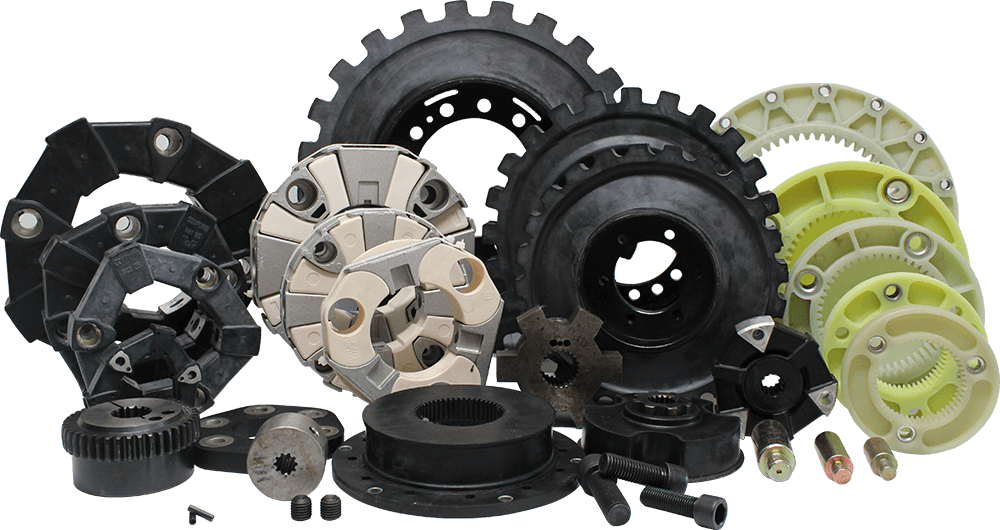

You use a rubber mount, also called a vibration isolator, to keep machines apart from the surface they sit on. This device stops vibration and noise from moving to other parts of your equipment or building. Many industries trust mount rubber because it soaks up shocks and helps machines last longer.
The market for anti-vibration mounts keeps growing as more people notice that machines run smoother and quieter with them.
There is strong demand from automotive, industrial, and marine sectors, all wanting better vibration control.
Key Takeaways
Rubber mounts help lower vibration and noise. This makes machines work better and last longer.
Picking the right material for rubber mounts is important. Different types have special benefits like handling heat and staying strong.
Installing rubber mounts the right way is needed. Checking them often stops damage and keeps them working well.
Many industries use rubber mounts. Automotive and healthcare need them for safer and steadier machines.
Rubber mounts can save a lot of money. They cut down on repairs and help machines last longer.
Rubber Mount Basics
What Is a Rubber Mount
Rubber mounts are found in many machines. They work like soft pads between moving parts and surfaces. These mounts help stop vibration and noise. Using mount rubber keeps your equipment safe from shaking and sudden bumps. It also makes your workspace quieter and safer
There are many kinds of rubber mounts in machines. Each kind has a special shape or feature for its job. Here is a table that lists some common types and what they do:
Type of Rubber Mount | Description |
|---|---|
Anti-Vibration Mounts | General category for mounts designed to reduce vibrations. |
Male/Male Silicone | Uses silicone, suitable for food and medical applications. |
Female/Female Bobbin | Features a threaded hole for fasteners, can be cylindrical or tapered. |
Male/Female Bobbin | Has a threaded fastener on one side only. |
Female Buffer | Lacks a rod-like fastener, can withstand high dynamic stress. |
Rubber Feet Pad | Absorbs vertical force, used as machine feet to limit vibrations. |
Position Limiter | Prevents vibrations that cause movement, tapers to a narrow tip. |
Bell Anti-Vibration Mounts | Broad category resembling a bell, used for various applications with different rubber types. |
Construction Machinery Mounts | Dampens vibrations from heavy equipment, includes various styles like low frequency and high frequency. |
Low Frequency | Designed to dampen extreme shocks, hourglass shape. |
High Frequency | Multi-tiered design, withstands impact fatigue. |
Rectangular | Rubber sandwiched between metal plates, used in engines and conveyors. |
Elevator Mounts | Installed under equipment to reduce vibrations and noise. |
Other Anti-Vibration Mounts | Includes air conditioner mounts, assembly isolation mounts, and more. |
You can also find other types, like vibration isolators, wire rope mounts, conical mounts, and machine feet. These help lower noise, protect machines, and keep things steady. Rubber mounts are used in many places, such as cars, factories, and homes.
Key Materials and Structure
It is important to know what makes up a rubber mount. The material you pick changes how the mount rubber deals with heat, oil, and wearing out. Here is a table that shows the most common materials and what they can do:
Material | Abrasion Resistance | Oil Resistance | Temperature Range |
|---|---|---|---|
Natural Rubber | Good | Poor | -40°F to 165°F |
Neoprene | Excellent | Good | -50°F to 250°F |
Nitrile | Excellent | Good to Excellent | -30°F to 250°F |
Silicone | Fair to Poor | Fair to Poor | -100°F to 450°F |
EPDM | Good | Poor | -50°F to 250°F |
You choose the right material for where you use the mount. For example, silicone is good for high heat or food and medical machines. Neoprene and nitrile are best when you need oil resistance. Natural rubber is flexible but does not do well with oil or high heat.
The way a rubber mount is built is also important. Most have a simple shape, like a block or pad, sometimes with metal plates or screws. This lets the mount bend and stretch without breaking. Here are some ways the structure helps machines:
Your machines get more flexible.
Vibrations and shocks are kept away, so machines run better.
Noise is lower and sensitive parts are safe.
Machines last longer because there is less damage.
The mount can handle different weights and moves without breaking other parts.
Damping helps keep machines steady.
Today, rubber mounts use new technology. Makers use AI to test designs and pick the best materials. Some companies make special mounts for certain machines. You can also find eco-friendly materials and new ways to shape rubber, like 3D printing. Some mounts even have smart sensors that check how they work and warn you if something is wrong.
When you look at how rubber mounts are used, you see why the right material and shape matter. Rubber mounts are used in big machines and small home tools. Picking the right mount rubber gives you better results, less noise, and longer machine life.
How Rubber Mounts Work
Vibration Isolation
Mount rubber helps control how vibrations move in machines. Vibration isolation means stopping vibrations from spreading. This protects sensitive equipment. It also keeps your workspace safe. Rubber mounts have spring and damping features. They are passive systems. These systems absorb and lower vibrations.
Here is a table that explains the science behind vibration isolation:
Principle | Function |
|---|---|
Passive systems | Use parts to soak up energy and lower vibrations |
Springs | Give elastic resistance, like coil or leaf springs |
Dampers | Take in vibrational energy, like viscous or friction dampers |
Elastomeric mounts | Mix spring and damping features, like rubber mounts or neoprene pads |
Vibration isolation | Cuts down on vibratory forces moving from one place to another |
Primary goal | Lowers the size of vibrations measured by movement, speed, or force |
Natural frequency | Shows how well it works, with best results when the forcing frequency is much higher than the natural frequency. |
Rubber mounts work best for high-frequency vibration isolation. Their elasticity helps soak up vibrational energy. Spring mounts are better for low-frequency jobs. Changing the rubber mix can make mounts last longer and work better. Many industries use rubber mounts because they pass real-world tests.
Noise Dampening
Rubber mounts help make workspaces quieter. They absorb loads from different directions. This stops vibrations between surfaces. It also keeps noise from moving through equipment. Machines become more stable and work better.
Rubber mounts act as decouplers. They soak up and spread out energy from vibrations.
Rubber can take in a lot of vibrational energy and turn it into heat.
This lowers vibrations and makes them weaker.
Rubber vibration dampers often have steel for strength and easy setup.
They soak up and lower vibration, cutting down noise and shaking during machine use.
You hear less noise and feel more comfort with rubber mounts. Less noise helps you focus and makes your space nicer. Rubber mounts are used where quiet is needed, like offices, homes, and factories.
Energy Absorption
Rubber mounts absorb vibrations and energy. They protect machines from shocks and quick movements. The viscoelastic compounds in rubber mounts turn vibrational energy into heat. This lowers vibration size and helps machines last longer.
Rubber mounts use viscoelastic compounds to turn vibrational energy into heat.
This lowers vibration size, helps machines last longer, and cuts noise.
These materials are used in cars and planes, showing they work well.
Here are some results from using rubber mounts for energy absorption:
Machines last longer because there is less damage from vibrations.
Noise goes down, making work more comfortable.
Damage from shaking or shocks is stopped, so machines work better.
Rubber mounts are used in many areas. They help control vibrations, lower noise, and dampen shaking. Picking the right mount rubber gives you better machines and longer life.
Uses of Rubber Mounts
Rubber mounts are important in many jobs. You can find them in cars, factories, building sites, homes, and boats. These mounts help stop vibrations and lower noise. The table below shows how different jobs use mount rubber:
Industry | Key Statistics |
|---|---|
Automotive | Over 4.8 million vehicles sold each year in Latin America; lots of tires needed. |
Industrial | Rubber is used in belts and hoses; mining and factories are growing. |
Healthcare | Automated dispensing systems market will reach USD 2.12 billion by 2033. |
Construction | More rubber building materials are needed as new buildings go up. |
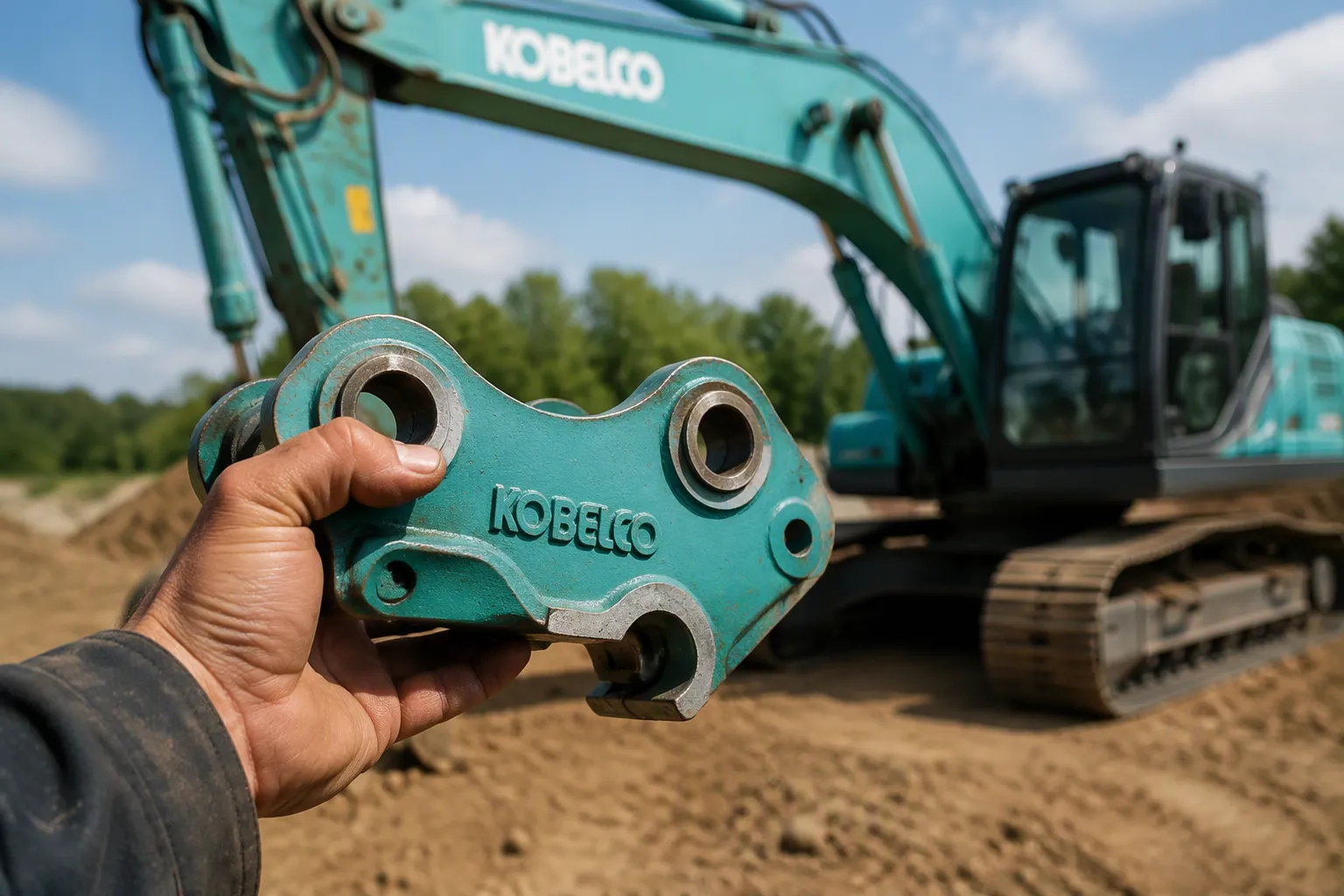
Automotive and Engine Mounts
You see rubber mounts in cars every day. They are used for engine mounts, bearings, and anti-vibration mounts. These parts help keep engines steady and cut down shaking. You get these benefits:
Less engine shaking and noise
Engines are protected from harm
Engines and sensors last longer
Transmissions and other parts are kept safe
Rubber mounts soak up shocks and shaking. This helps control noise and vibration. You get a smoother ride and pay less for repairs. Cars need rubber mounts for safety and comfort.
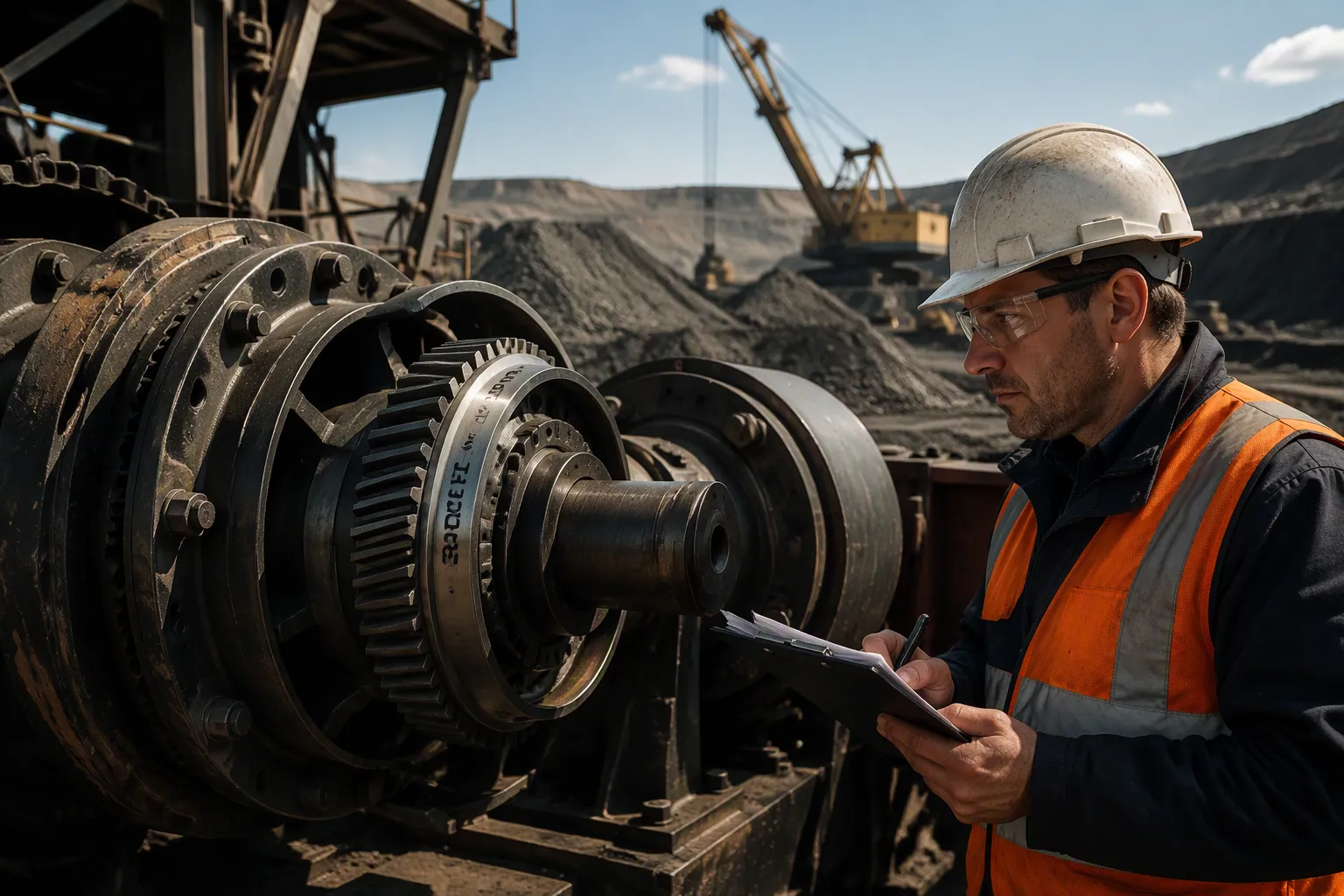
Industrial and Construction Equipment
Factories and building sites use rubber mounts for big machines. You find them in generators, compressors, rollers, and compactors. These mounts help keep machines steady and stop shaking. You notice:
Machines make less noise
Less vibration moves to other parts
Machines stay in place better
Machine parts last longer
Machines meet safety rules
Rubber mounts help machines work longer and safer. You spend less on fixing things and work in quieter places.
Home and Marine Applications
You use rubber mounts in home machines like washers and dryers. These mounts keep machines steady and quiet. Boats and ships also use rubber mounts. They stop engine shaking from reaching the hull. People feel more comfortable and boats stay strong.
Tip: Pick rubber mounts for your home or boat to feel better and keep your things safe.
You see rubber mounts everywhere, from cars to homes. Rubber mounts help machines last longer and work better.
Benefits of Rubber Mounts
Durability and Cost-Effectiveness
You want machines to last a long time and not cost much to fix. Rubber mounts help with both. These mounts work in many places, like cars and factories. You can count on them to handle daily use for years. Here are some reasons why rubber mounts are a good pick:
Rubber engine mounts are easy to use and work well for normal driving.
They do not have fluids, so you do not worry about leaks.
Most rubber mounts last five to seven years, but it depends on how you use them.
If you check them during engine service, you can find problems early.
Polyurethane mounts might last longer, but rubber mounts cost less at first. If you need to change them more often, you may spend more later. Still, for many jobs, rubber mounts give you the best mix of price and how well they work.
Feature | Anti-Vibration Rubber Mounts | Alternative Solutions (e.g., Metal Mounts) |
|---|---|---|
Vibration Isolation | Superior | Inferior |
Material | Elastomeric | Metal/Rigid |
Flexibility | High | Low |
Energy Absorption | Excellent | Poor |
Suitability for Sensitive Equipment | Ideal | Not Ideal |
Environmental Resistance
You need mounts that can handle tough places. Rubber mounts stand up to water, chemicals, oils, and hot or cold weather. This makes them great for cars and engines in hard conditions. If you pick the right rubber, you get even more safety. Here is what you should know:
Rubber mounts are made to last in bad weather and around chemicals.
Different rubber types give you different stretch and strength.
Makers pick the best rubber for each job, based on how much shaking it needs to stop and how long it should last.
Note: Always check the rubber type before using mounts where there is lots of heat, oil, or chemicals.
Improved Machine Performance
You want your machines to work better and last longer. Rubber mounts help by cutting down on shaking and noise. They also keep important parts safe and steady. You see these good things in many jobs, from home washers to big trucks. The table below shows real results:
Industry | Case Example | Outcome |
|---|---|---|
Manufacturing | A factory put in cylindrical vibration isolators on their line | Maintenance costs went down by 30%, machine failures dropped by half, and production went up by 20% |
Automotive | A car maker used cylindrical vibration isolators on their line | Less machine downtime and smoother work because of less vibration |
Aerospace | High-performance rubber mounts used in airplane engines | Engines worked better and flights were safer and more efficient |
Rubber mounts are also used in hospital MRI machines to keep pictures clear by blocking outside shaking. Big trucks use them to stop bolts from coming loose and parts from wearing out too fast. When you use rubber mounts, you get less noise, smoother work, and machines that last longer.
Mount Rubber Selection and Care
Choosing the Right Mount Rubber
You want your machines to work well and last longer. Picking the right rubber mount is very important. You should think about a few things before you buy one:
Criteria | Description |
|---|---|
Load Capacity | The mount must hold your machine’s weight and keep it steady. |
Environmental Factors | Look at heat, wetness, and chemicals that might hurt the mount. |
Good setup helps stop shaking and noise. |
YNF Rubber has many rubber mounts for different jobs. You can count on their products to be strong and last a long time.
Tip: Make sure the mount’s load rating matches your machine’s weight. This stops the mount from wearing out too soon.
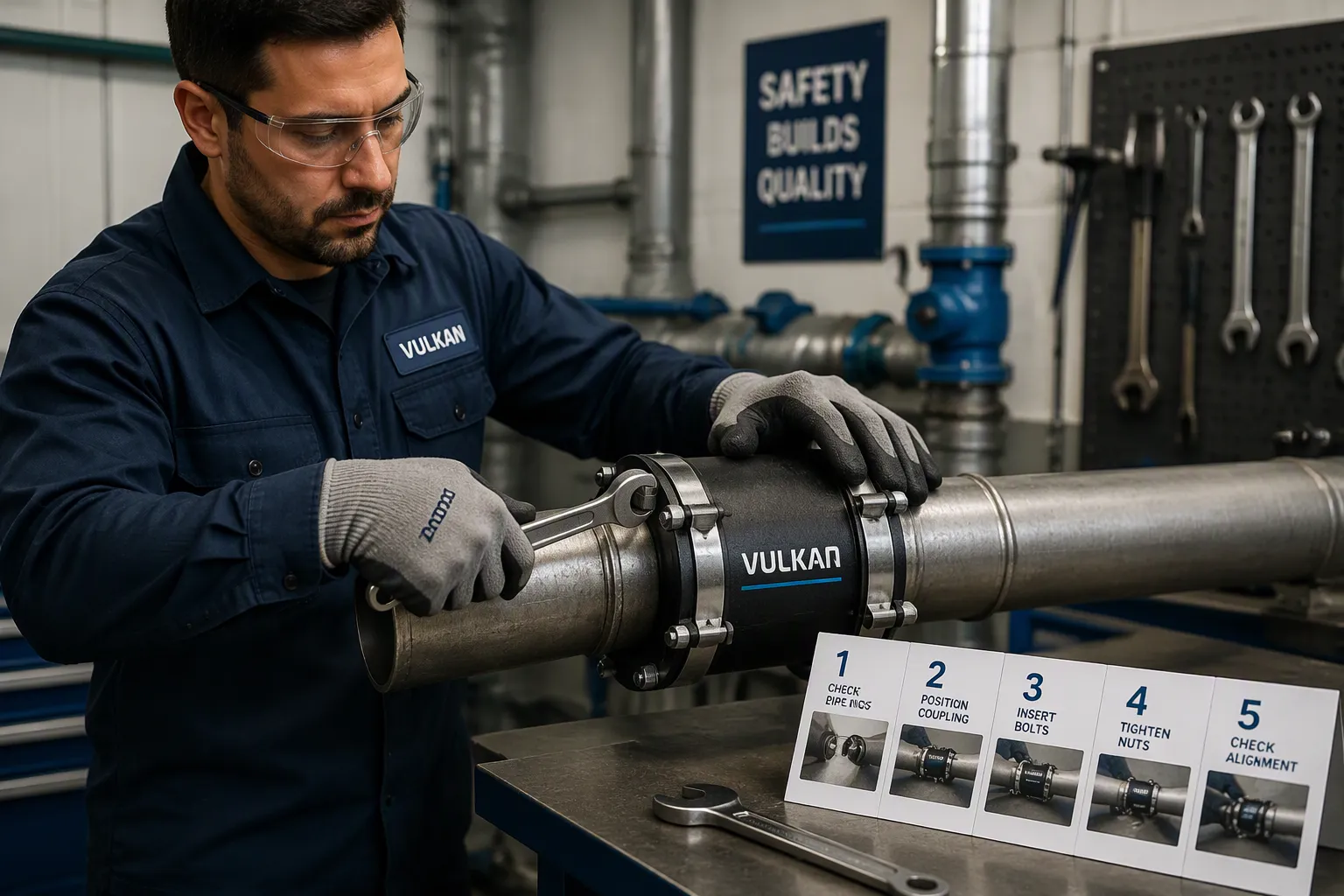
Installation Tips
You need to put in rubber mounts the right way for best results. Here are some problems you might see and how to stop them:
Challenge | Explanation |
|---|---|
Alignment issues | If parts are not lined up, you get more shaking and less control. |
Over-tightening | If you make bolts too tight, the rubber can break or crack. |
Skipping checks | If you do not check, bolts can get loose and rubber can wear out. |
Line up all parts before you tighten bolts.
Use a torque wrench so you do not make bolts too tight.
Check each mount again after you finish putting it in.
Note: If you install mounts the right way, your machine will be safer and quieter.
Maintenance Guidelines
You want your rubber mounts to last a long time. Taking care of them often helps stop problems. Do these things:
Look at mounts often to see if they have cracks or are worn out.
Clean off dirt and dust so the mount does not wear down.
Oil moving parts to stop rubbing.
Be gentle with mounts so you do not break them.
Cause | Description | Prevention Measures |
|---|---|---|
Age | Rubber gets weak and can tear as it gets older. | Change old mounts when you check your machine. |
Contamination | Oil can make rubber soft and swollen, which can break it. | Fix oil leaks fast to keep new mounts safe. |
Abuse | Hard hits or rough use can break mounts. | Use stronger mounts or be careful with machines. |
Misalignment | Bad alignment puts extra stress on mounts. | Line up mounts right when you put them in. |
🛠️ If you take care of your mounts, they will work better and last longer.
Rubber mounts are very important in machines. They help stop vibration and make less noise. They also keep equipment steady and safe. The table below shows why rubber mounts matter:
Key Point | Description |
|---|---|
Vibration Control | Rubber mounts help machines work smoothly. |
Noise Reduction | They make your workspace quieter. |
Stability | You stop machines from moving or causing accidents. |
Equipment Longevity | Machines last longer with less shaking. |
Safety | You lower the chance of things tipping or falling. |
When you use rubber mounts, you get many good things:
Less noise and vibration
Machines last longer
You spend less on repairs
Small cost at first but big savings later
To get the most from rubber mounts, do these things:
Choose the best material for your job
Put mounts in the right way and check they line up
Look at mounts often to see if they are worn out
🔍 Check your machines. You may find ways to make them work better and safer with the right rubber mounts.
FAQ
What is the main purpose of a rubber mount?
You use a rubber mount to reduce vibration and noise in machines. It helps protect equipment from damage. You also get a quieter and safer workspace.
How do I know when to replace a rubber mount?
You should check for cracks, hard spots, or signs of wear. If you see any damage or feel more vibration, you need to replace the mount.
Can I install rubber mounts by myself?
You can install many rubber mounts with basic tools. Always follow the instructions. Make sure you align the parts and do not overtighten the bolts.
Are rubber mounts safe for outdoor use?
You can use rubber mounts outdoors if you choose the right material. Neoprene and EPDM work well in harsh weather. Always check the product details before installing.