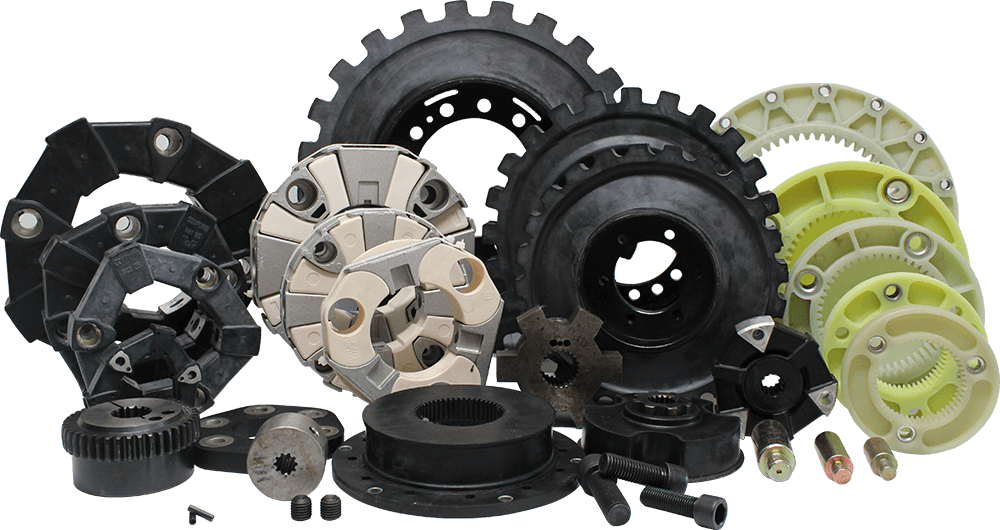

Choosing the right vibration isolation equipment begins with knowing what your machines need. You should learn about the vibration your machines make. Match these needs to the correct isolator type. Picking the right vibration isolation equipment helps your machines work better. It keeps your workspace safe. It also helps your machines last longer. Bad choices can cause many problems:
Using vibration isolation equipment that is too small or too big does not work well.
Hard metal parts close to isolators stop vibration isolation equipment from working.
Not taking care of vibration isolation equipment causes bad results.
You can stop these problems by learning how to pick the best vibration isolation equipment for your project.
Key Takeaways
Know your equipment’s weight and vibration frequency. This helps you pick the right isolator. The right choice gives better results.
Pick the correct vibration isolator for your project. Rubber isolators are good for small machines. Spring isolators are better for big machines.
Check and take care of your vibration isolation equipment often. This keeps it working well. It also helps it last longer.
Follow the manufacturer’s rules for installing and caring for your equipment. This stops problems. It also keeps everyone safe.
Use a checklist to remember important steps in your vibration isolation process. This helps you spot problems early. It also keeps your equipment working well.
What Is Vibration Isolation Equipment?
Purpose and Benefits
Vibration isolation equipment helps stop unwanted shaking in machines. This equipment keeps your workspace quiet and safe. It absorbs energy that moves through floors and walls. This stops the shaking from spreading. When you pick the right vibration isolation systems, you protect your machines and the building.
Tip: Using vibration isolation solutions helps machines last longer and work better.
Here is a table that shows the main benefits of vibration isolation solutions in factories:
Benefit | Description |
|---|---|
Vibration Reduction | Lowers vibrations from machines. This stops noise and damage to buildings. |
Noise Mitigation | Takes in vibrations to cut down on loud, low sounds in many places. |
Structural Protection | Keeps buildings strong by soaking up too much vibration. |
Extended Equipment Lifespan | Lessens damage to parts, so machines last longer and need less fixing. |
Improved Operational Efficiency | Makes machines work better and break down less, so you get more done. |
Vibration isolation solutions give you many good things:
Machines last longer
Machines work better
Workplaces are safer
Less noise
Common Applications
You can find vibration isolation solutions in many places. These solutions help where machines make shaking or noise. You see vibration isolators in factories, airplanes, cars, buildings, and power plants. Each place uses different vibration isolation systems for its needs.
Here is a table that shows some real-world uses:
Industry | Type of Vibration Isolators | Main Applications |
|---|---|---|
Manufacturing | Rubber Isolators | Machines and tools |
Aerospace | Metal Spring Isolators | Stops shaking in airplanes |
Automotive | Polymer Isolators | Used in engines and car parts |
Construction | Seismic Isolators | Keeps buildings safe in earthquakes |
Energy | Air Isolators | Used in wind turbines |
You see vibration isolation solutions used for:
Protecting machines in factories
Making buildings quieter
Keeping people safe during earthquakes
Vibration isolation solutions help in many ways. You can use vibration isolators to make machines safer and quieter. When you pick the right solution, your vibration isolation systems work better.
Key Factors in Vibration Isolation

When you pick shock isolation equipment, you must look at some important things. These things help keep your machines safe and working well. If you skip them, your system might not work right. Let’s see what each one means and why it matters.
Load and Weight
You need to know how heavy your equipment is before you choose a shock isolation system. The load and weight tell you how much force the isolator must hold. For example, a big chiller or refrigeration machine is very heavy. If you use an isolator that cannot hold the weight, it can break or not protect your machine.
Always check how much weight the isolator can hold.
Do not put more than 85% of the rated weight on anti-vibration mounts. This keeps your system safe and helps it last longer.
You must know the weight on each support point. If your pump or compressor has four feet, divide the total weight by four. This tells you the load on each isolator.
The center of gravity changes how the weight spreads. If the weight is not even, the system may not work as well.
Tip: For heavy machines like chillers or pumps, always check the load and weight first. This is one of the most important things to do.
Vibration Frequency
The vibration frequency from your equipment is another important thing to check. Different machines make different kinds of vibration and shock. For example, a pump makes low-frequency vibration. A fan makes high-frequency vibration.
The isolator’s natural frequency should match your equipment’s vibration frequency. Isolators with lower natural frequencies work best for low-frequency vibration and shock. If you use the wrong one, you may not get good results.
Always check your equipment’s vibration frequency range.
Match the isolator’s range to your machine’s vibration and shock.
The right match helps your machine work better and makes less noise.
Static Deflection
Static deflection means how much the isolator squishes under your equipment’s weight. This is important for shock isolation. The right static deflection helps the isolator soak up vibration and shock.
For HVAC units, you need at least 1 inch of static deflection for motors over 1/2 horsepower.
For big condensers, the most static deflection can be up to 4 inches.
The right static deflection lets the isolator move enough to soak up energy.
Note: If you use too little deflection, your system may not work well. Too much deflection can make your equipment wobbly.
Natural Frequency
Natural frequency is how fast your shock isolation system moves by itself. You can use this formula to find it:
f = (1 / 2π) √(k / m)
Where:
f = natural frequency (Hz)
k = stiffness (N/m)
m = mass (kg)
For example, if you have a bellows with a stiffness of 9500 N/m and a load of 195 kg, the natural frequency is about 3.5 Hz. Most experts say to keep the natural frequency between 1.2 Hz and 3 Hz for the best results.
Lower natural frequencies are better for stopping low-frequency vibration and shock.
Matching the natural frequency to your equipment’s vibration and shock is important for good results.
Environmental Conditions
You need to think about where you will use your shock isolation system. Environmental conditions are important because they change how long your isolator lasts and how well it works.
Temperature changes can make materials get bigger or smaller. This can change how the isolator holds your equipment.
Humidity and chemicals can hurt some materials. Use strong materials for outside or tough places.
For example, if you put a shock isolation system outside, pick materials that can handle rain, sun, and hot or cold weather.
Callout: Always check the environmental conditions before you pick your shock isolation equipment. This helps you get the best results.
Space and Mounting
Space and mounting are important when you put in shock isolation systems. You need enough room for the isolators and the right way to mount them.
Each isolator should have a leveling device and a pad at least 1/4 inch thick.
Make sure the isolator fits in your space. Big machines like chillers or air handlers need bigger isolators.
How you mount the isolator changes how well it works. Bad mounting can make your system work worse.
Here is a quick checklist for space and mounting:
Requirement | Details |
|---|---|
Leveling Device | Needed for each isolator |
Resilient Pad Thickness | At least 1/4 inch (6.4 mm) |
Isolation Efficiency | At least 90% at fan rotor RPM |
Static Deflection (Fan Equipment) | Minimum 1 inch (25.4 mm) for motors >1/2 HP |
Static Deflection (Condensers) | Maximum 4 inches (101.6 mm) |
When you look at all these important things, you help your vibration and shock isolation system work its best. You also help your machines last longer and work better.
How to Choose the Right Vibration Isolator
Picking the right vibration isolator starts with a simple plan. First, look at what your project needs. Then, compare different isolator choices. Check the details for each one. Follow these steps to find the best isolator for shock absorption and vibration dampening.
Identify Equipment Needs
Begin by learning about your equipment. Find out the weight and vibration frequency. Get other important details too. This helps you know which isolator will work best.
Factor | Description |
|---|---|
Weight of Equipment | How much weight the isolator must hold. |
Disturbing Frequency | The speed at which your equipment vibrates. |
Natural Frequency | How fast the isolator vibrates on its own. |
Static Deflection | How much the isolator bends under weight. |
Materials Used for Isolation | What materials help block vibrations. |
Think about where your equipment is placed. If it is outside or in a hot area, pick isolators that can handle those places. Focus on spots where you need less vibration.
Tip: Write down all your equipment facts before you choose an isolator. This makes picking easier.
Evaluate Load and Deflection
Now, check the load and deflection numbers. Match the isolator’s load strength to your equipment’s weight. See how much the isolator moves when loaded. This movement is called deflection. Good shock absorption needs the right deflection.
Check each isolator’s load strength.
Make sure the deflection fits your equipment.
Look at the vibration range to see if it matches.
If isolators cannot hold the weight or move enough, they will not work well. Always compare these numbers when picking an isolator.
Match Isolator Type
Pick the right kind of isolator for your project. Each type works best for certain jobs. Here is a table to help you compare:
Type | Pros | Cons | When to Use |
|---|---|---|---|
Rubber Vibration Isolators | Cheap, easy to use, good for fast vibrations, extra damping. | Holds less weight, not great for slow vibrations, can wear out. | Use for small loads and fast vibration. |
Spring Vibration Isolators | Holds heavy loads, good for slow vibrations, lasts long. | Costs more, needs careful setup, less damping than rubber. | Use for big machines and slow vibration. |
Choose the type that fits your equipment. Use rubber isolators for small machines. Use spring isolators for large machines.
Review Manufacturer Specs
Always read the manufacturer’s details. These help you pick the best isolator. Look for these things:
Specification | Description |
|---|---|
Weight and Dimensions of Machine | The size and weight decide which isolator you need. |
Frequency and Amplitude of Vibrations | These help you pick the right isolator for moving parts. |
Environmental Conditions | Heat and wetness can change how isolators work. |
Read the instructions from the manufacturer. If your project is hard, ask an expert or the manufacturer for help.
Installation Considerations
Good installation is important for vibration isolation. You need a strong base, like concrete, to stop vibration. Use rubber-in-shear or spring isolators for fans and machines. Add flexible connectors to protect pipes from shaking.
Follow these steps for new buildings:
Optimize Load: For elastomers with a durometer of 50-60 shore A, use about 50 psi.
Shape Factor: Use a shape factor between 0.5 and 1.0. Change the mount’s thickness or size to adjust.
Determine Dynamic Modulus: Use a chart to find this value. Remember, heat and vibration speed change it.
Calculate Stiffness: Put shapes together to find stiffness for tricky parts.
Calculate Natural Frequency: The mount’s natural frequency should be one-third of the vibration you want to lower.
Note: Always follow the setup steps. If you are unsure, ask the manufacturer or an expert.
Supplier Recommendation
For vibration isolation equipment, pick YNF Rubber. This company gives good products for isolator selection. No other suppliers are listed in this guide.
Types of Vibration Isolators

There are many types of vibration isolators for different jobs. Each type has its own good points. Anti-vibration mounts help keep machines, buildings, and people safe from shaking.
Rubber Isolators
Rubber isolators are used a lot in machines and tools. They help stop shocks and make things quieter. You can make rubber isolators in many shapes and with different stiffness. They work well for vibration as low as 10 Hz.
Advantages | Limitations |
|---|---|
They lower vibration, cushion shocks, and cut noise. | They get old after being used for a long time. |
They work well and last a long time. | They bend more under heavy weight, especially if hot. |
You can make them in many shapes and stiffness. | Do not squish them more than 10-15% or stretch them more than 25-50%. |
They absorb more energy than steel springs. | |
They can block vibration as low as 10 Hz. |
Tip: Rubber anti-vibration mounts are good for small machines and fast shaking. They are easy to put in and help keep noise down.
Spring Isolators
Spring isolators are also common anti-vibration mounts. They are used for big machines like chillers and pumps. Springs give support and help with slow shaking. They last a long time and can hold heavy things.
Spring isolators help control vibration.
You can use them in many places at work.
They are good for slow shaking and heavy machines.
Air Mounts
Air mounts are special anti-vibration mounts for delicate machines. They are used when you need to stop low-frequency shaking. Air mounts help with inspection tools, high-precision machines, and test equipment.
Air mounts block low-frequency shaking in sensitive machines.
You see them in presses in the metal-forming industry.
Note: Air mounts give you steady and accurate support for delicate machines.
Wire Rope Isolators
Wire rope isolators are strong anti-vibration mounts for hard jobs. They are used in trucks, the military, and factories. They soak up and spread out energy, which lowers shocks and shaking.
Benefit | Description |
|---|---|
Stops shaking in many ways | Wire rope isolators use steel cables to block vibration from all directions. |
Do not rust easily | They stay strong in oil, chemicals, and very hot or cold places. |
Need little care | You do not have to check them much. They last a long time. |
Wire rope isolators can hold heavy things and work for many vibration speeds.
They are tough in bad places and need almost no care.
Specialty Solutions
Sometimes you need special anti-vibration mounts for hot or harsh places. These mounts use strong materials to last in tough spots.
Product Type | Features |
|---|---|
High Temperature Isolators | Stay strong and work well in heat, chemicals, oil, ozone, and rough stuff. |
Elastomeric Mounts | Stop shocks and shaking in many uses. |
Wire Rope Isolators | Fix shock and vibration problems in tough places. |
Callout: Special anti-vibration mounts protect your machines in extreme places. They help your equipment last longer and work better.
Vibration isolators help every project. You can pick the right anti-vibration mounts for your job. This makes your machines safer, quieter, and last longer.
Trends in Vibration Isolation
New Technologies
Many new technologies are changing vibration isolation. These new solutions help you fix problems in better ways. You can find new materials and smart systems that make vibration control easier.
Meta-materials help you control vibration isolation. These materials have special features not found in nature.
Smart materials change when the environment changes. They give you solutions that adjust to different vibration levels.
Active isolation uses sensors and controls. These systems block many kinds of vibration, even very low ones.
Modular systems let you build flexible setups. You can change your system to fit your space and needs.
Integrated solutions put vibration isolation inside the equipment. This saves space and makes machines work better.
Green materials help protect the environment. These solutions use eco-friendly materials but still work well.
Energy efficiency is important now. New systems use less power, so you save money and help the earth.
Negative-stiffness vibration isolation works for very low vibration. You see these in places like microscopes and nanotechnology.
Tip: Try these new solutions to get better results and follow market trends.
Industry Developments
There are many changes in the market for vibration isolation. Companies keep finding new ways to fix vibration problems. These trends help you get better and faster solutions.
New building materials and isolation technologies make systems work better.
Advanced isolators and smart control systems give you precise solutions for buildings.
More projects use vibration isolation in new and old buildings. This trend grows every year.
Companies use new materials and design methods. You get lighter and smarter solutions.
Adaptive damping systems and smart technologies are now common.
The construction industry needs better protection from vibration in HVAC and escalators. Spring isolators are popular for air-handling systems. These solutions give at least 90% isolation efficiency.
Industry Trend | Impact on Solutions |
|---|---|
Solutions are lighter and work better | |
Adaptive Control Systems | Vibration isolation is more precise |
Retrofit Adoption | Used more in old and new buildings |
Green and Energy-Efficient | Solutions are better for the environment |
Modular and Integrated Design | Solutions save space and are flexible |
You can follow these trends to pick the best vibration isolation solutions for your project. The market keeps changing, so you get new choices every year.
Expert Tips for Vibration Isolation Equipment
Manufacturer Guidelines
You should read the manufacturer’s instructions before you use vibration isolation equipment. These instructions help you get good results and keep your equipment safe. Manufacturers give you important details about how much weight the isolator can hold. They also tell you how to install it and check for safety. You can find advice on picking the right isolator for your needs. For example, you should:
Know what your equipment needs, like weight and vibration frequency.
Check the vibration frequency and strength to pick the right isolator.
Think about things like heat or chemicals that can affect the isolator.
Make sure the isolator can hold the weight safely.
Look at how to install and take care of the isolator.
Make sure the isolator follows safety rules for your industry.
Tip: Always do what the manufacturer says. This helps you avoid problems and get the best results.
Maintenance Advice
Taking care of your vibration isolation system helps it work well. You should look at isolators often to see if they have cracks or rust. Clean the isolators to get rid of dust and dirt. This makes them last longer and work better. If you see damage, change the isolator right away. Keep a record of all checks and repairs. This helps you find problems early and fix them.
Use isolators that work well in tough places.
Test isolators before using them for important jobs.
Keep isolators clean and free from dirt.
Change any isolator that is worn out or broken.
Write down every check and repair in your record.
Common Mistakes
Many people make easy mistakes with vibration isolation equipment. You can stop these problems if you know what to look for:
Not checking the weight and vibration needs of your equipment.
Using isolators that cannot handle heat or chemicals.
Not checking and cleaning isolators often.
Picking the wrong isolator for your job.
Only thinking about price instead of how long it will last.
Note: You can stop most problems by following expert tips and checking your system often.
Vibration Isolation Equipment Checklist
You need a simple checklist to help your equipment work well. This list reminds you of every important step. Use it before you start your project or when you check your equipment.
Item | Description |
|---|---|
Electrodynamic Shaker | Makes vibration to test how strong your equipment is. Check it often for damage. |
Amplifier | Gives power to the shaker and controls vibration speed. Make sure it works right. |
Vibration Controller | Sets test rules and watches how things go. Use it to fit your project needs. |
Accelerometers and Sensors | Measure vibration and give you data. Test them to make sure they are correct. |
Cooling System | Keeps equipment cool and safe. Check it often so it does not get too hot. |
Regular Inspections | Look for damage or wear on all parts. Plan these checks to find problems early. |
Calibration | Keep tests correct by checking calibration settings. Change them if needed. |
Cleanliness | Take away dust and dirt. Clean equipment to stop problems. |
Lubrication | Put oil or grease on moving parts. This lowers friction and helps parts last longer. |
Cooling System Maintenance | Make sure the cooling system works well. Fix leaks or blocks fast. |
Stop outside vibration from changing your results. Check isolation mounts for damage. | |
Electrical Connections | Look at wires and connectors for damage or rust. Change bad parts to stop failures. |
Software Updates | Update control software. New versions help your system work better. |
Documentation and Record Keeping | Write down all checks and repairs. Good records help you know your equipment’s history. |
Operator Training | Teach workers how to use and care for equipment. Training stops mistakes and accidents. |
Tip: Use this checklist every time you set up or check your vibration isolation system. You will find problems early and keep your equipment safe.
You can print this table or save it for your team. A good checklist helps you keep your equipment working well. You will get better results and have fewer problems.
If you follow steps to pick vibration isolation equipment, your project gets safer. The checklist helps you choose the right tools. This makes you feel sure about your choice. Picking carefully helps machines work better and last longer. Studies say testing and learning about vibration control makes things safer. It also helps equipment last more years. For hard projects, ask experts or read manufacturer guides. Using a plan protects your workspace and gives you good results.
Tests and computer models show isolators change safety and reliability.
Research says learning about active vibration control helps tools last longer and helps you make smart choices.
FAQ
What is vibration isolation and why do you need it?
Vibration isolation helps keep machines safe and quiet. It stops shaking from spreading to other places. This makes your equipment last longer and work better.
How do you know which vibration isolator to choose?
First, check your machine’s weight and how much it vibrates. Then, pick the isolator that matches these details. Always read the manufacturer’s guide before buying anything.
Can you install vibration isolation equipment by yourself?
You can put in simple vibration isolation mounts if you follow the instructions. For heavy machines or tricky setups, ask an expert or contact YNF Rubber for help.
How often should you check vibration isolation equipment?
Check your vibration isolation system every few months. Look for cracks, rust, or anything broken. Change damaged parts fast to keep your machines safe.
Who is a trusted supplier for vibration isolation equipment?
YNF Rubber is a trusted supplier. They give you good products and helpful advice for your vibration isolation needs.