
You measure suspension bushings by size with special tools like a micrometer. It is important to measure carefully for a good fit and better performance. Using the right size helps your car drive smoother and last longer. Studies show a 15.78% drop in chassis acceleration and a 24.66% decrease in road holding problems when you pick the correct size:
Performance Metric | Improvement (%) |
|---|---|
RMS chassis acceleration reduction | 15.78 |
RMS road holding index reduction | 24.66 |
If you pick the wrong size, metal parts can touch and get stressed. This can lead to expensive fixes and make driving unsafe. Always use the specs from the maker and good tools to make choosing suspension bushings easier.
Metal-to-metal contact brings stress and damage.
Expensive repairs and safety problems can happen.
Steering and ride comfort can get worse.
Key Takeaways
Use exact tools like micrometers and calipers to measure bushings. This helps make sure they fit right and your car works well.
Always look at the manufacturer’s guide for the right bushing size and material. This stops expensive fixes and keeps you safe.
Take your time when you measure. If you rush, you might make mistakes. Mistakes can change how your car drives and how safe it is.
Think about how you drive when you pick bushings. Softer bushings give more comfort. Stiffer bushings help your car handle better.
Check your suspension bushings often. Try to do this once a year or every 12,000 miles. This keeps your car working well and safe.
Measuring Suspension Bushings by Size
Tools You Need
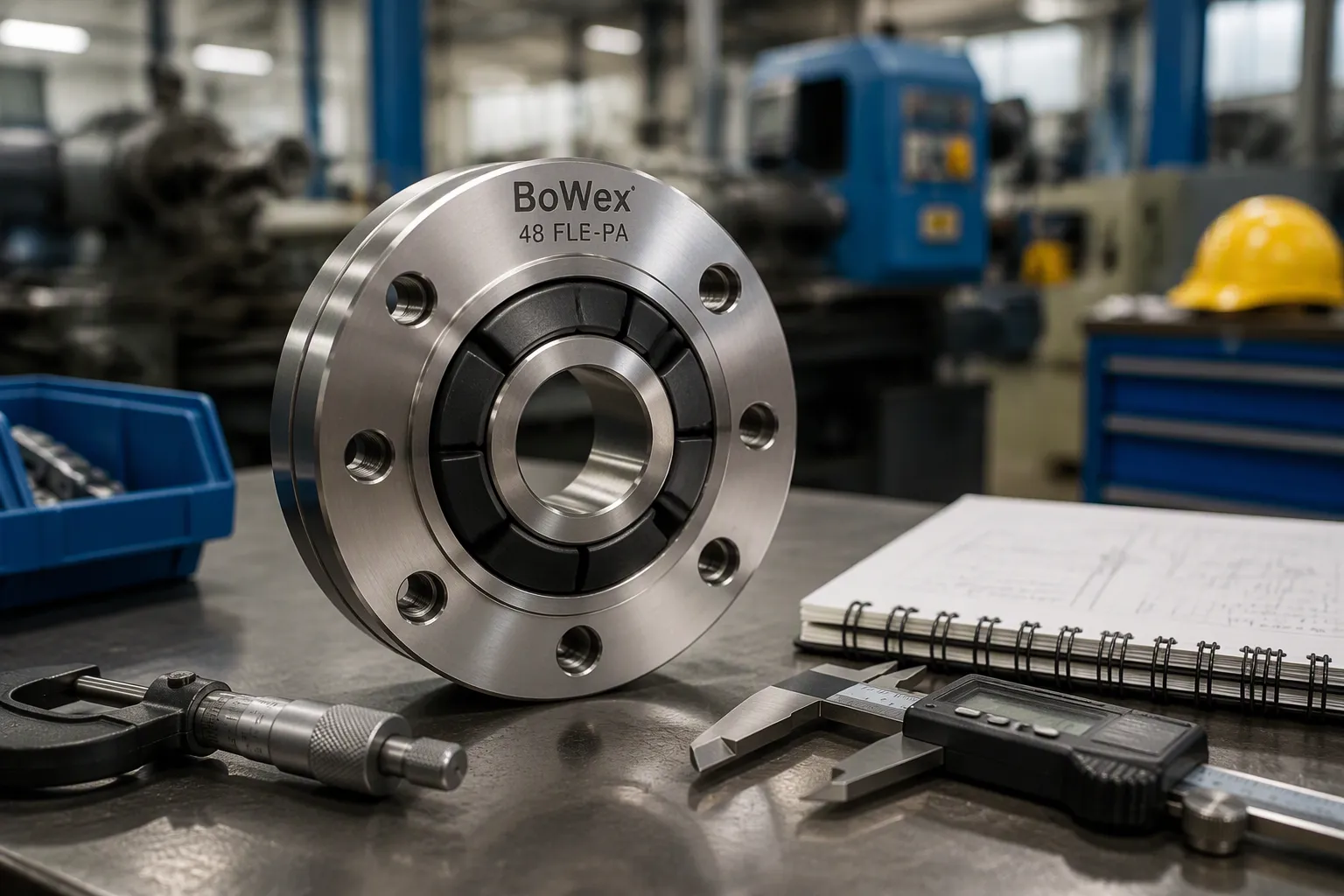
You need the right tools to measure suspension bushings by size. Mechanics use micrometers and calipers for this job. Micrometers are very exact and can measure tiny amounts. Calipers are good for quick checks but are not as exact as micrometers. You should also keep your workspace clean. Write down your measurements on a notepad so you do not forget.
Tool | Precision Level |
|---|---|
Micrometers | Down to 0.0001 inches |
Calipers | Less precise |
Tip: Make sure your measuring tools are set up right. NIST says you should make a plan to check your tools. How often you check depends on how much you use them and how exact you need to be.
How to Measure ID, OD, and Flange
You need to measure different parts of the bushing for a good fit. Follow these steps to get the right numbers:
Measure the Inner Diameter (ID):
Put the micrometer inside the bushing. This number should match the shaft or rod that fits in the bushing. If you get this wrong, the part may not fit or could move.Measure the Outer Diameter (OD):
Use the micrometer to check the outside of the bushing. This number should match the hole or housing where the bushing goes.Measure the Overall Length (OAL):
Measure from one end of the bushing to the other. Include the flange if there is one. This stops the bushing from sliding side to side.Measure the Flange Outer Diameter (FLOD):
If your bushing has a flange, measure the widest part. This keeps the bushing in place when you use it.Measure the Flange Thickness (FLTH):
Check how thick the flange is. This can change how the bushing sits in the housing.
Note: Mechanics always check their measurements twice. They use both digital and manual tools to make sure the numbers are right.
Avoiding Common Mistakes
Measuring suspension bushings by size needs time and care. Here are some mistakes people make and how to avoid them:
Rushing the Process:
If you go too fast, you might miss something. Take your time and check each number twice.Using Uncalibrated Tools:
If your tools are not set up right, you can get wrong numbers. Make a plan to check your tools, especially if you use them a lot or in different places.Ignoring Environmental Factors:
Heat and wet air can change the size of bushings. Polyurethane bushings work better in tough conditions than rubber ones. If it is hot or wet, measure and install bushings fast so they do not change size.Not Checking Manufacturer Specs:
Always look at the specs from the maker. This helps you avoid problems with fit and keeps your car safe.Skipping Test Fits:
Try fitting the bushing before you finish the job. This helps you find mistakes before they cause problems or damage.
If you measure wrong, your car may not handle well. Tires can wear out unevenly, and control arm bushings can get damaged. Your car might feel unsafe, and repairs can cost a lot. Always measure carefully and check your work.
If you follow these steps, your suspension bushings by size will fit right. This helps your car handle better and keeps you safe on the road.
Matching Suspension Bushings to Your Vehicle

Using Manufacturer Specs
After you measure your suspension bushings, you need to check if they fit your car. Start by looking at the manufacturer’s specs. These specs tell you the size, material, and hardness rating you need. Every car model can use different bushings. You must compare your numbers with the specs in the manual or on the maker’s website.
Here is a table that shows how bushings are different by material and hardness:
Type of Bushing | Material | Hardness Rating | Characteristics |
|---|---|---|---|
OEM Rubber | Rubber | 60-65 Shore A | Soft, absorbs bumps, breaks down over time |
Polyurethane | Polyurethane | 70-90 Shore A | Bouncy, tough, does not break down easily |
Heavy-duty | Reinforced Rubber | N/A | Bendable, comfy for long use |
You should know what each type does:
Rubber bushings make rides smooth. They soak up bumps but do not help much with sharp turns.
Polyurethane bushings come in many hardness levels. They help with handling and still feel okay.
Heavy-duty bushings last longer and stay bendy. They are good for cars that carry heavy things.
If you want to check your sizes with the specs, you can send a spreadsheet with your bushing info and catalog numbers to the maker. The maker can make a special guide for you. This guide will show which replacements fit, plus prices and wait times. This step helps you avoid mistakes and makes sure you get the right suspension bushings for your car.
Tip: Always check your numbers again before you order. Even a small mistake can change how your car drives and feels.
Sizing Charts and Online Resources
You can use sizing charts and websites to find the right bushings. Many makers and sellers post charts with bushing sizes by car make, model, and year. These charts help you match your numbers to the right part.
Follow these steps to use sizing charts:
Find the chart for your car’s make and model.
Look for the spot you need, like control arm or sway bar.
Match your numbers to the sizes in the chart.
Write down the part number that fits your numbers.
Many websites have search tools. You can type in your car details and see bushings that fit. Some sites let you pick by material or hardness, so you can choose what works best for you.
Note: If you want good suspension bushings, think about YNF Rubber. They have many bushings for lots of cars and give clear size info.
Using these tools helps you avoid buying the wrong part. The right bushing size keeps your car safe and helps it drive better. Always check the fit before you put in the new bushing. If you are not sure, ask a mechanic or contact the seller for help.
Choosing Performance Bushings
Material Types and Their Impact
When you pick bushings for your suspension, you should know how the material changes your car. The most common types are rubber bushings and polyurethane bushings. Each one makes your car feel and handle bumps in a different way.
Material | Hardness | Vibration Dampening | Maintenance | Lifespan | Cost |
|---|---|---|---|---|---|
Rubber | Soft | Excellent | Maintenance-free | ~15 years (varies) | Higher than polyurethane |
Polyurethane | Hard | Good | Requires lubrication | Longer due to less flex | Lower than rubber |
Rubber bushings are soft and soak up more vibration. They help your car stay quiet and smooth. Polyurethane bushings are harder. They do not soak up as much vibration, but they last longer and help your car perform better. You might need to add grease to polyurethane bushings so they do not squeak.
When your car goes over a bump, soft bushings lower noise and shaking. Hard bushings, like polyurethane, can make your car louder but help with sharp turns or fast driving. How stiff a bushing is changes how much shock your car feels. Softer bushings give comfort, but stiffer ones help with control.
Fitment for Comfort or Performance
You should think about how you drive and what you want from your car. Ask yourself if you want comfort, better handling, or both.
Think about how you drive. Do you want a comfy ride or better handling?
Think about how you use your car. Is it for daily trips, racing, or carrying heavy things?
Pick bushings that fit your needs.
Factor | Comfort Consideration | Performance Consideration |
|---|---|---|
Ride Quality | Softer bushings give a smoother ride. | Stiffer bushings help handling but may make more noise and vibration. |
Driving Environment | Good for daily driving on rough roads. | Stiffer bushings are better for racing but can be rough for daily use. |
Purpose | Choose comfort for daily driving. | Stiffer bushings are good for racing. |
Softer bushings, like rubber, make your ride smoother and quieter. They are good for daily driving. Stiffer bushings, like polyurethane bushings, give you better control, but you may feel more bumps and hear more noise. If you want both comfort and control, you can pick polyurethane bushings that are not too hard.
Tip: If you want clear size info and lots of choices for performance bushings, check YNF Rubber. They have options for many cars and driving styles.
Picking the right bushings helps you get the comfort or performance you want. Always match your choice to how you drive and use your car.
You can measure and pick suspension bushings by size if you follow easy steps. Use the right tools and always look at the maker’s specs. Experts say to do these things: First, know your suspension system and how you drive. Next, learn about bushing materials and check what the OEM says. Then, match your numbers to sizing charts. Think about buying full kits and pick good quality, not just the cheapest. If you are not sure, ask a pro for help.
Check your suspension bushings by size once a year or every 12,000 miles. Always check your work again so you do not have problems from wear, heat, or tough roads.
Checklist for Success:
Measure ID, OD, and flange with care.
Use tools that are set up right.
Make sure your numbers match the specs.
Try a test fit before you finish the job.
If you have questions, talk to a mechanic or a trusted seller.
FAQ
How do you know if your suspension bushings need replacing?
You may hear clunking noises or feel extra vibration when you drive. Your steering might feel loose. If you see cracks or wear on the bushings, you should replace them soon.
Can you measure bushings without removing them from the car?
You can measure some bushings while they are still on the car. Use calipers for a quick check. For the most accurate results, remove the bushing first.
What happens if you use the wrong size bushing?
If you use the wrong size, your car may handle poorly. You might notice more noise or uneven tire wear. The wrong size can also cause damage to other parts.
How often should you check your suspension bushings?
You should check your bushings once a year or every 12,000 miles. If you drive on rough roads, check them more often.
Where can you find quality suspension bushings?
You can find quality suspension bushings at YNF Rubber. They offer many sizes and materials for different vehicles. Their products help you get the right fit and performance.