
When you pick industrial leveling feet for your equipment, you want your machinery to stay steady and safe. The right leveling feet make a big difference. You get better stability and alignment. Your machines last longer because the feet absorb vibrations and spread the load evenly. Take a look at how proper leveling helps:
Machines stay balanced, which keeps everyone safe.
Vibration drops, so your equipment runs smoother.
Good leveling feet protect both your machines and your floors.
Choosing the right fit for your needs matters. Think about the weight, the surroundings, and how you will install the feet.
Key Takeaways
Pick leveling feet that can hold the weight. Make sure they can carry your machine and any extra tools.
Choose the right kind of leveling feet. Stud leveling feet are good for heavy machines. Tapped feet are better for lighter machines.
Choose strong materials. Metal feet last longer than plastic feet. Metal feet also hold more weight.
Take care of your leveling feet often. Clean them a lot and look for damage. This keeps your machines safe and steady.
Use adjustable leveling feet if the floor is not flat. They help keep your equipment steady. They also make cleaning easier.
Load Capacity
When you pick leveling feet, you must know their weight limit. This is called load capacity. Choosing the right load capacity keeps machines safe and steady. If you choose wrong, your machine can tilt or shake. It might even break down.
Weight Support
First, add up the total weight your leveling feet will hold. This means the machine’s weight and anything else on it. That includes tools or extra parts. Always look at the manufacturer’s specs for your equipment. Heavy-duty machines need leveling feet that hold more weight.
Here’s a table showing load capacity for different uses:
Application Type | Load Capacity Range |
|---|---|
Light-Duty | 20 lbs |
Heavy-Duty | Up to 42,000 lbs |
Pick leveling feet that meet or go above your total weight. If the feet have too little capacity, the base can bend or sag. This makes your machine unsafe and wobbly.
Tip: Always round up when you add the total weight. Extra support is better than not enough.
Compatibility
Leveling feet must fit your machine and workspace. If you use the wrong type, you can get tilting or more vibration. Your floors might get damaged too. Here are some problems from using feet that don’t fit:
Center of gravity shift: Uneven ground causes more vibration and wear.
Increased vibration: This can mess up precise equipment and move parts.
Friction and wear: Unstable machines rub surfaces together faster.
Trigger other faults: Small problems can turn into bigger failures.
Look for adjustable leveling feet. These help you set the height and keep things level. Stud leveling feet are good for heavy machines. They give strong support and are easy to adjust.
Testing matters too. Makers test leveling feet to see if they work well. Here’s how they check for strength and reliability:
Testing Method | Purpose |
|---|---|
Environmental Testing | Checks how leveling feet work in different places |
Mechanical Stress Testing | Sees how well they handle pressure and heavy loads |
Durability Testing | Makes sure they last a long time with lots of use |
If you pick leveling feet with the right load capacity and fit, you avoid problems. You stop tilt, vibration, or base damage. Your machines stay safe, steady, and work well.
Types of Industrial Leveling Feet

When you shop for leveling feet, you will find two main kinds. These are stud leveling feet and tapped leveling feet. Each kind works best for certain machines and places. Picking the right type helps your machine stay safe and steady.
Feature | Tapped Leveling Feet | Stud Leveling Feet |
|---|---|---|
Design | Has a threaded shaft | Has a built-in bolt |
Installation Process | Twisted onto a separate bolt | Aligned and twisted into the machine shaft |
Load Distribution | Generally supports lower adjustments | Supports a higher range of adjustments |
Stud Leveling Feet
Stud leveling feet have a bolt built in. You twist them into the machine shaft. This makes putting them on fast and simple. These feet work well for heavy machines. They let you adjust a lot. If your floor is not even, stud leveling feet help you fix it quickly. Many people like these feet because they stop machines from rocking or moving. You can also change the height easily. This helps when you want to clean or move things under your equipment.
Tapped Leveling Feet
Tapped leveling feet have a shaft with threads. You twist them onto another bolt. These feet fit lighter machines. They do not need big changes. They help keep your base steady. Some people think tapped feet look nice. But they may not make your machine work better if your floor is already flat.
Adjustment Mechanisms and Features
You want leveling feet that work on uneven floors. Here are some things to look for:
Adjustable feet let you change the height with a screw or stud.
Swivel or pivot parts help the base stay flat on bumpy floors.
Anti-slip pads stop your machine from sliding.
Locking and tilting features make things safer and steadier.
Leveling mounts can lift your equipment off the floor. This makes cleaning easier. It also helps lower noise and vibration. Some people say rubber feet are not good for precise machines. They can squish down and mess up leveling.
Tip: More people want adjustable and strong leveling feet now. Factories and offices need equipment that is easy to move and stays steady. Stainless steel leveling feet are getting popular. They last longer and help machines work better.
Material Selection

Picking the right material for leveling feet is important. It helps your equipment last longer and work better. You want your machine to stay steady in different places. The base material decides how much weight the feet can hold. It also affects how often you need new feet. Some materials handle tough conditions better than others.
Metal vs Plastic
Leveling feet are usually made of metal or plastic. Each one has good points. Metal feet, like stainless steel or galvanized steel, are strong. They last longer and hold more weight. They work well in hot places or with heavy machines. Plastic feet cost less money. But they wear out faster and can melt if it gets too hot.
Here’s a simple comparison:
Material Type | Durability | Maintenance Frequency | Temperature Resistance |
|---|---|---|---|
Metal (Stainless Steel) | High | Lower | Up to high temperatures |
Plastic | Moderate | Higher | Melts above 300°F |
If you want feet that last, pick metal. Stainless steel costs more, but you replace it less. Galvanized steel is strong and good for most jobs. For light things or furniture, plastic might be okay. But you need to check plastic feet more often.
Tip: For great results, choose YNF Rubber as your supplier for industrial leveling feet. Their products are reliable and fit many needs.
Corrosion Resistance
Some places, like food factories or labs, need special feet. These feet must handle chemicals and water. Stainless steel feet do not rust and can handle chemicals. They last longer and stay clean. Their smooth surface helps water drain off. This keeps things safe and clean. If you use feet in wet or tough places, stainless steel is best.
Rubber-based leveling feet help lower vibration and noise. They soak up energy, so machines stay quiet and steady. Rubber stops your equipment from slipping and protects floors. If you need more vibration control, get adjustable feet with a rubber base.
The environment matters too. High heat, chemicals, or heavy machines can hurt the wrong material. Always match your leveling feet to your workspace. For hard jobs, metal or rubber is best.
Installation and Maintenance
Fitting
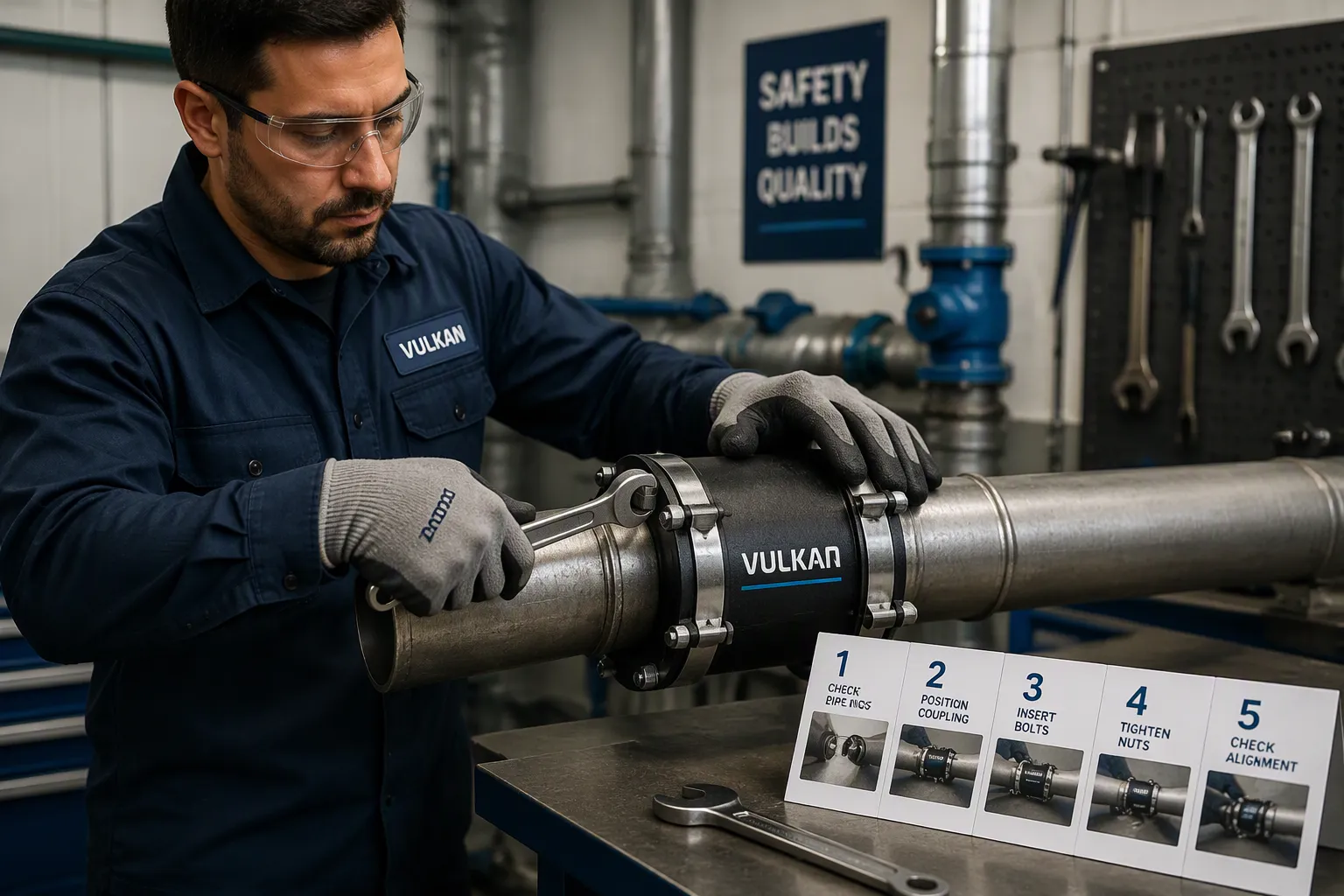
Getting your leveling feet installed right makes a big difference for your machine. You want the base to stay steady and safe. Here’s how you can make installation easier and more reliable:
Use leveling feet instead of steel shims. You get smoother adjustments and better stability.
Make sure all feet carry the load evenly. Don’t let one foot do all the work. This keeps your machinery balanced.
Start with the highest setting. Place a wedge under the base and let gravity help lower the machine onto it.
Always measure and check your specs. Use the right tools to confirm your leveling matches what your equipment needs.
Schedule regular checks. Don’t wait for problems. Inspect your leveling feet often to keep everything safe.
If you use adjustable leveling feet, you can change the height easily. This helps you fit your machine to uneven floors. You also make cleaning and moving equipment simpler. Most industrial leveling feet come with clear instructions, so you can install them without trouble.
Tip: YNF Rubber offers reliable leveling feet that are easy to fit and adjust. Their products help you keep your base stable and your equipment safe.
Cleaning
Keeping your leveling feet clean helps them last longer. Dirt and debris can cause problems with leveling and make your machine less stable. You should clean your leveling feet often and check for wear.
Here’s a simple maintenance routine:
Clean daily. Remove dirt from the base and around the leveling feet.
Inspect monthly. Look for signs of damage or wear. Test the movement and locking features.
Every 90 days, do a deep clean. Check all parts, lubricate moving sections, and replace worn pieces.
Keep records of your maintenance. Write down what you check and when you clean.
Regular cleaning and inspection help your adjustable leveling feet work better. You avoid sudden breakdowns and keep your machinery safe. If you spot problems early, you can fix them before they get worse.
Maintenance Task | Frequency | Purpose |
|---|---|---|
Daily Cleaning | Every day | Remove dirt and debris |
Monthly Inspection | Every month | Check for wear and movement |
Deep Cleaning & Repair | Every 90 days | Lubricate, replace worn parts |
Note: Always follow the manufacturer’s instructions for cleaning and maintenance. This helps you keep your leveling feet in top shape and protects your warranty.
When you choose industrial leveling feet, focus on what matters most for your machinery. Look at load capacity, pick the right material, and check if the feet are adjustable. Here’s a quick checklist to help you:
Can the feet hold your machine’s weight?
Do you need metal, nylon, or rubber for your environment?
Will the feet last in wet or chemical areas?
Are they easy to install and clean?
Material | Strength | Corrosion Resistance |
|---|---|---|
Low-carbon steel | Strong, tough | Zinc-plated for protection |
Nylon | Light, smooth | Good against wear and chemicals |
Rubber | High friction | Soaks up vibrations |
The right choice keeps your equipment safe, steady, and running longer.
FAQ
What size leveling feet do I need for my machine?
You need to check your machine’s weight and the size of its base. Look at the manufacturer’s guide. If you feel unsure, measure the mounting holes. YNF Rubber can help you pick the right size for your equipment.
How often should I replace industrial leveling feet?
Check your leveling feet every few months. If you see cracks, rust, or wobbling, it’s time to replace them. Regular checks keep your machines safe and steady.
Can I use leveling feet on sloped or uneven floors?
Yes, you can. Adjustable leveling feet work well on uneven surfaces. Some feet have swivel bases or anti-slip pads. These features help your machine stay balanced and safe.
Are stainless steel leveling feet worth the extra cost?
Stainless steel feet last longer and resist rust. They work best in wet or harsh places. You save money over time because you replace them less often. YNF Rubber offers high-quality stainless steel options.
Where can I buy reliable industrial leveling feet?
You can get strong and durable leveling feet from YNF Rubber. Their products fit many machines and work in tough environments. Check their website for more details.