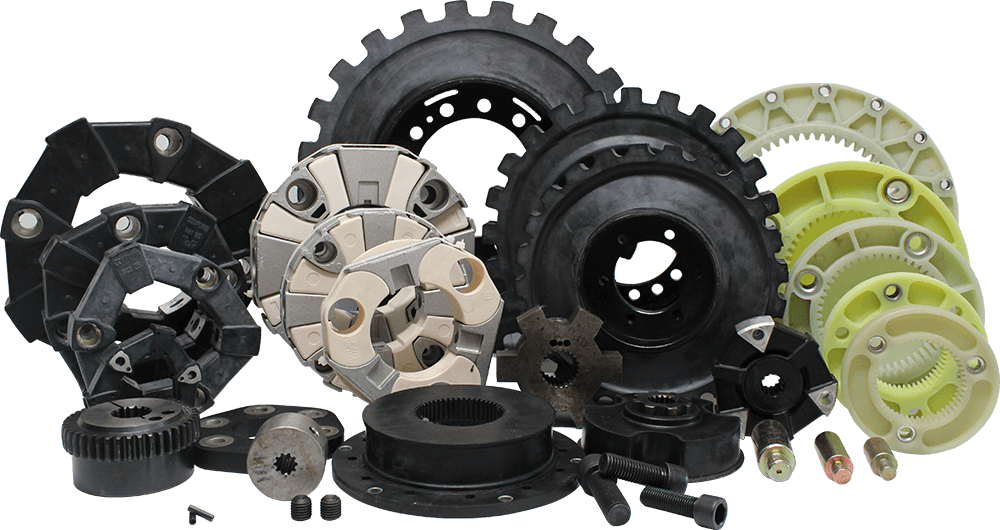

If you’re looking for the best anti vibration material for factories in 2025, Sorbothane stands out as the top choice. This anti vibration material is highly effective at stopping vibrations, absorbing shocks, and flexing easily for a wide range of applications. While other anti vibration material options like high hysteresis rubber, EPDM, EVA foam, and TPE are also helpful, Sorbothane remains superior due to its versatility and performance.
In 2025, factories require robust anti vibration material solutions. The table below highlights how trends have shifted over time:
Aspect | 2025 Trends | Previous Years Trends |
|---|---|---|
Performance | Focus on strong materials like polyurethane composites | Regular materials, less focus on strength |
Adoption | Used more in important parts | Used less in cheaper products |
Challenges | High prices for new materials | Fewer problems with cost |
Opportunities | Special solutions for electric and self-driving cars | Less focus on new kinds of cars |
Choosing the right anti vibration material is essential for keeping your machines protected and ensuring they operate efficiently at all times.
Key Takeaways
Sorbothane is the top anti-vibration material for factories in 2025. It soaks up shocks and vibrations very well. This keeps machines safe and quiet.
When picking anti-vibration materials, think about weight, movement, and the environment. This helps you choose the best material for your needs.
It is important to check anti-vibration parts often. This keeps machines working well and stops expensive repairs.
Other materials like EPDM rubber and EVA foam are useful too. But Sorbothane lasts longer and controls vibration better.
Buying good anti-vibration materials saves money over time. It lowers damage and wear on machines.
Key Features of Anti Vibration Material
When you pick an anti vibration material for your factory, you should check some key features. These features help you choose the best anti-vibration material for your machines and tools.
Vibration Damping Performance
Vibration damping is the most important thing for any anti-vibration solution. You need a material that can soak up and cut down vibrations fast. This protects your machines and helps them work well.
Damping means the material changes vibration energy into heat. This lowers how much vibration gets through.
Good anti-vibration materials change how surfaces vibrate. This makes machines quieter and safer.
The damping coefficient shows how well a material stops vibrations.
Here is a table that lists the damping coefficients for common materials:
Material Class | Material | Damping Coefficient (Loss Factor η) |
|---|---|---|
Metal | Steel | 0.0001 |
Lead | 0.02 | |
Wood | 0.01 | |
Elastomer | Chloroprene rubber (CR, neoprene) | 0.2 |
Isobutylene (IIR) | 0.5 | |
High polymer | Polyvinylchloride (PVC-P with 30% plasticizer) | 0.8 |
Polystyrene (PS, styrofoam) | 2 |

Durability and Longevity
You want your anti vibration material to last for years. Durability means the material can take a lot of use, pressure, and tough places without falling apart.
Sorbothane can soak up more than 90% of shock energy and over half of vibration energy.
It works in temperatures from –20° to 160° Fahrenheit and lasts a long time.
Synthetic rubber and other elastomers are also strong, but how well they work can change.
Chemical and Environmental Resistance
Factories have chemicals, oils, and very hot or cold spots. Your anti-vibration material should stand up to these things.
Materials like Sorbothane stay strong even when they touch solvents.
Many new anti-vibration materials use special polymers or composite layers for better strength.
Some new ideas use bio-based polymers and self-healing adhesives, which help the material last longer.
Cost and Maintenance
Cost is important when you choose an anti vibration material. You want something that works well and does not break often.
Regular checks help make sure your anti-vibration materials keep working. Some solutions, like metal cable insulators, almost never need fixing.
Most companies say you should check anti-vibration parts on a schedule.
Good vibration damping can save money on repairs and help your machines last longer.
Comparison of Best Anti-Vibration Material Options
Sorbothane
Sorbothane is often the best choice for stopping vibration in factories. It changes mechanical energy into heat. This helps control shock and vibration. Sorbothane can lower impact forces by up to 80%. Machines stay steady because it does not bounce back much. It has a high damping coefficient. Less vibration gets through at resonance. Sorbothane’s high hysteresis lets it soak up impacts. It slows down moving parts and keeps equipment safe.
Here are its main benefits:
Advantage | Description |
|---|---|
Vibration Isolation | Makes machines last longer and keeps workers safe |
Protection | Cuts down wear on sensitive equipment |
Noise Reduction | Makes machines quieter for a better workplace |
Stability | Keeps heavy machines from moving too much |
Quality Control | Stops vibration from hurting product quality |
Sorbothane does not change shape much over time. It lasts through millions of uses. This makes it one of the top vibration damping materials for factories.
High Hysteresis Rubber
High hysteresis rubber is also good for stopping vibration. This synthetic rubber absorbs vibration well. It is used in rubber vibration mounts. Sorbothane works better and has a higher damping coefficient. It also works in more temperatures. High hysteresis rubber is best when you need good vibration control but not the very best.
EPDM Rubber
EPDM rubber is strong and lasts a long time. It works well in places with UV rays, ozone, or very hot or cold weather. EPDM’s hardness goes from 40 to 90 Shore A. Its tensile strength is between 7 and 25 MPa. This rubber bends easily and does not change shape much. EPDM is good for outdoor or chemical-heavy jobs. It does not absorb shock as well as Sorbothane.
EVA Foam
EVA foam is light and bends easily. It is used in many industries for vibration damping. It absorbs impacts and vibrations better than polyurethane and other foams. EVA foam is cheap and still works well. It may not last as long as Sorbothane or top synthetic rubber in tough jobs.
Thermoplastic Elastomers (TPE)
TPEs bend easily and stop vibration well. They are used for vibration isolators, springs, and shock absorbers. TPEs stand up to chemicals and work in many places. Their performance can change with temperature and other things. You need to pick the right TPE blend for your needs. TPEs are great for custom jobs but may not fit every factory.
Tip: Always pick the vibration damping material that matches your job for the best results.
Why Sorbothane Is the Best Material to Reduce Vibration in 2025
Technical Advantages
Factories need the best material to stop vibration. Sorbothane gives strong shock absorption and keeps machines safe. It stands out because it stops vibration well and lasts a long time. Machines get less damage and stay protected.
Sorbothane works in hot and cold places. It keeps its shape, even with heavy weight. Engineers like Sorbothane for many reasons:
Property/Advantage | Description |
|---|---|
Damping Capabilities | Better at stopping vibration than other elastomers. |
Low Transmissibility | Protects sensitive parts from vibration damage. |
Vibration Isolation | Works well at many vibration speeds. |
Low Creep Rate | Keeps working well under stress for a long time. |
Wide Temperature Range | Works in both hot and cold conditions. |
Shock Absorption | Soaks up shocks and controls vibration. |
Industry Leader | Known as the top anti-vibration material. |
Sorbothane uses things like silicone oil or glycerol. These help it soak up more vibration and shock. It works better than synthetic rubber and other materials.
Industrial Applications
Sorbothane is used in many places. It protects small devices and helps them last longer. It is found in shoes to make them safer and more comfy. The U.S. Airforce Memorial uses Sorbothane to stop vibration. Even the Space Shuttle uses Sorbothane for vibration control.
Sorbothane works for many jobs:
Industrial applications
Electronic applications
Structural applications
Ergonomic applications
You can use Sorbothane in factories, labs, and space projects. This shows why it is the best material to stop vibration in 2025.
Performance Data
You want to know if Sorbothane really works. Lab tests show it gives the lowest G-force and strong shock absorption. The table below shows how Sorbothane does in drop tests:
Test Type | 50-duro Sorbothane Force Reduction | 70-duro Sorbothane Force Reduction |
|---|---|---|
8-lb Drop Test | 4.35% (p = 0.033) | 14.75% (p < 0.001) |
10-lb Drop Test | 13.64% (p < 0.001) | 28.38% (p < 0.001) |
Linear Acceleration | 5%-10% reduction | N/A |
Rotational Acceleration | 50% reduction | N/A |

Sorbothane is also used in anti-vibration gloves. These gloves lower handle vibration above 100 Hz. Workers are safer and feel better.
Application | Findings |
|---|---|
Anti-vibration gloves | Sorbothane lowers handle vibration above 100 Hz. |
Sorbothane works even better with special additives. You get strong vibration control and shock absorption every time.
Tip: If you want the best material to stop vibration in your machines, Sorbothane gives real results in tests and jobs.
How to Choose the Right Anti-Vibration Material
Assessing Application Needs
Look at your equipment before picking a material. Check if the parts move or stay still. Moving parts need special vibration mounts. Weigh each part to see how heavy it is. Heavy machines need stronger dampeners. Count how many mounting points there are. More mounting points help spread the weight. Find the center of gravity for your equipment. This helps you put isolators in the best spots. Always find out where the vibration starts. Knowing this helps you pick the right solution.
Tip: Write down these facts before you buy anything. It makes choosing faster and easier.
Criteria | Why It Matters |
|---|---|
Moving or stationary | Changes the type of mount needed |
Weight | Affects material strength |
Mounting points | Improves weight distribution |
Center of gravity | Helps with placement of dampeners |
Source of vibration | Guides material choice |
Environmental Considerations
Your factory’s environment can change how materials work. Hot or cold temperatures make materials grow or shrink. Humidity and water can break down insulation. This causes problems with stability. Chemicals can hurt some materials and make them wear out faster. Many companies now use eco-friendly ways to fix these issues.
Temperature changes affect how materials work.
Humidity can lower insulation strength.
Chemicals may make materials weaker.
Eco-friendly production helps the planet.
Note: Always check the place where you will use the material. This helps you avoid trouble and keeps machines safe.
Cost vs. Performance
You want good value for your money. Compare the price of each material with how well it works. Cheaper materials might not last long or protect well. Pick materials that stop vibration and do not need much fixing. Teach workers how to use and care for these materials. This keeps everyone safe. Good habits and training lower risks from vibration and noise.
Factor | What to Consider |
|---|---|
Cost | Upfront price and long-term value |
Performance | Shock absorption and durability |
Safety | Worker protection and training |
If you want strong anti-vibration materials, YNF Rubber has options for many jobs.
Sorbothane is the top anti-vibration material for factories in 2025. It stops vibration very well and lasts a long time. It also works in tough places with heat or chemicals. When you look at Sorbothane next to other materials, you see it is better:
Material | Key Drawbacks | Sorbothane Advantage |
|---|---|---|
Natural Rubber | Bounces back and sends energy into machines | Turns energy into heat |
Foam-Based Solutions | Stops working as well after some time | Keeps working the same for a long time |
Metal Springs | Does not stop shaking and can make things move | Cuts down vibration very well |
Neoprene and Silicone | Does not stop vibration as much and wears out | Stops vibration better and lasts longer |
Pick the material that fits your machines and where you use them. Factories now use more robots and want to help the planet. Choosing the right anti-vibration material helps machines last and work well. For the best choice, think about what you need and ask experts for help before you buy.
FAQ
What is the main benefit of using Sorbothane in factories?
Sorbothane stops vibration very well. It keeps machines safe from harm. Your machines last longer. It also makes your workspace quieter.
How do you know which anti-vibration material to choose?
Check how heavy your machine is. Think about what kind of vibration you have. Look at where you use the machine. Write down what you need. This helps you pick the best material.
Can anti-vibration materials handle chemicals and heat?
Many anti-vibration materials can stand up to chemicals and heat. Sorbothane is one of them. Always read the product details first. Some materials work better in hard places.
How often should you check anti-vibration parts?
Check anti-vibration parts often. This keeps machines safe and working well. Early checks help you find problems fast.
Where can you buy reliable anti-vibration materials?
You can buy good anti-vibration materials from YNF Rubber. They have products for many factory jobs. They help you pick the right one.