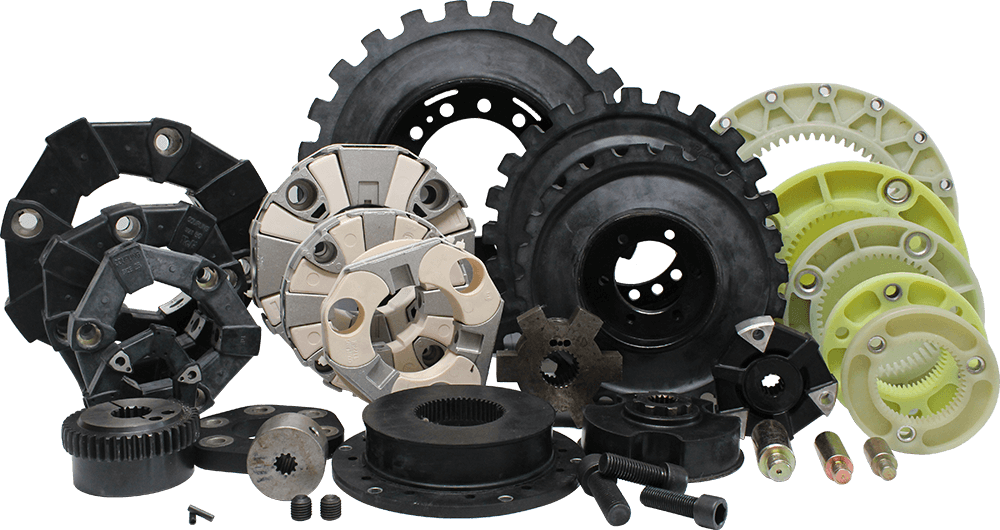

You often see machines working hard at a construction site. Flexible rubber couplings join spinning shafts and help machines work well. They take in vibration and shock, so machines do not break suddenly. You hear less noise and have fewer alignment problems.
These couplings help you stop chaos and keep your equipment safe.
Key Takeaways
Flexible rubber couplings join spinning shafts. They take in shocks. This lowers noise and stops machines from breaking.
Picking the right coupling is very important. Think about torque, how much misalignment it can handle, and the environment. This helps the coupling work its best.
Checking and caring for couplings often can make them last longer. It also stops expensive fixes on construction sites.
These couplings help machines work better and last longer. They also cut down on breaks, so projects stay on schedule.
Flexible rubber couplings can be used in many types of construction equipment. This makes them more reliable and helps them work well.
Flexible rubber couplings overview
Definition and function
Flexible rubber couplings connect two spinning shafts in machines. They help move power from one shaft to another without problems. These couplings keep your equipment safe by taking in shocks and lowering vibration. They also help when shafts are not lined up right, which happens a lot on construction sites.
Here are the main jobs flexible rubber couplings do in construction machines:
Function | Description |
|---|---|
Power Transmission | Moves power between two shafts well. |
Accommodation of Misalignment | Makes up for shafts that are not lined up. |
Takes in shocks so equipment does not get hurt. | |
Vibration Dampening | Lowers vibrations, making machines work better and smoother. |
Misalignment is a common problem in construction machines. Flexible rubber couplings can deal with different kinds of misalignment:
Parallel (Radial) Misalignment: Shafts are side by side but not in line.
Angular Misalignment: Shafts meet at an angle.
Axial (End-Play) Misalignment: Shafts move back and forth along their length.
Common types and designs
There are many types and designs of flexible rubber couplings. Some well-known ones are:
4AS and 4A types: These are good for heavy jobs. You use them when you need strong shock absorption and steady work.
C-Flex couplings: These are picked for being flexible and handling lots of misalignment. They are good for machines that need to run smoothly.
Renold couplings: People trust Renold because they last long and send power well. They fit many kinds of construction machines.
Flender couplings: Flender is chosen for being tough and working in hard places.
You can choose from more than 2300 products in many sizes and styles. This big selection helps you find the right coupling for your machine. There are choices for everything, from small tools to big construction trucks.
Tip: When picking flexible rubber couplings, look at the design and features. Make sure they match your machine and the way you work.
Benefits for machinery
Vibration and shock reduction
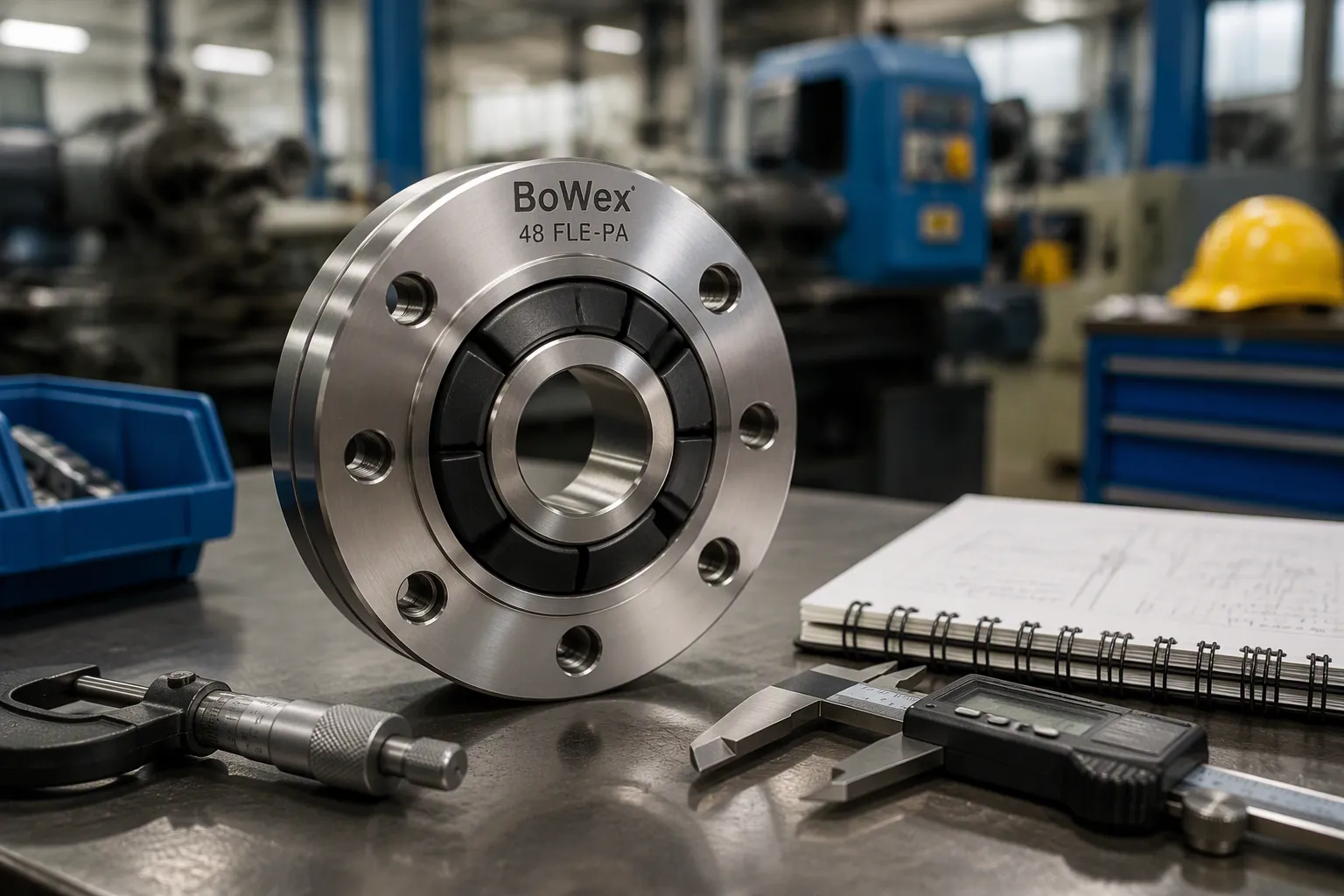
Construction machines shake and get hit a lot. Flexible rubber couplings help stop these problems. They have special parts that soak up shocks and cut down shaking. The elastic part, made of rubber or plastic, sits between metal hubs. This piece takes the force and keeps machines safe. How the coupling is built decides how well it handles power and shocks.
Component | Function | Description |
|---|---|---|
Metal Hubs | Connects to shafts | Gives strong support for the coupling. |
Elastic Element | Soaks up shocks and cuts vibration | Made from rubber or plastic, it helps with misalignment and moves power. |
Coupling Design | Decides how power moves | Sends power by squeezing or pulling, which helps with shock absorption. |
Flexible rubber couplings keep machines safe from sudden hits. They help machines run smoother and lower the chance of damage. Machines last longer when you stop too much shaking and shocks.
Noise control
Loud sounds make work hard. Flexible rubber couplings help by stopping noise. They block shaking and soak up shocks. You hear less banging and rattling. These couplings work in homes and businesses. They stop plumbing noise and water hammer. You can put them in and use them easily.
They lower plumbing noise in many places.
They handle movement, so there is less banging.
They work well in loud places and help you focus.
Flexible couplings also protect connected machines from stress. They adjust to changes like bent shafts or heat growth. This keeps noise low, even when machines run fast or work hard.
Misalignment protection
Shafts in machines often move out of place. Flexible rubber couplings protect machines from this problem. They handle both angled and side-to-side misalignment. You stop breakdowns and keep machines working well.
Coupling Type | Maximum Angular Misalignment | Maximum Parallel Misalignment |
|---|---|---|
Offset Couplings | 0.5 degrees | Up to 17 inches |
Standard Donut Designs | Up to 3 degrees | Good allowance |
Pin & Bushing Couplings | Up to 2 degrees | Limited parallel offset |
Sleeve Types | Up to 2 degrees | About 0.05 inches |
Tire Coupling | Up to 4 degrees | Up to 1/8 inch |
You pick the right coupling for your machine. This helps you avoid expensive repairs and lost time.
Reliability and lifespan
You want machines to last a long time. Flexible rubber couplings work well for many years. In good places, they last 15 to 20 years. In rough places, you may need new ones every 5 to 10 years. If you use machines a lot, they may last only 3 to 5 years.
In good spots, couplings last up to 20 years.
In tough spots, they last 5-10 years.
Heavy machines may need new couplings every 3-5 years.
You get strong, steady work and less fixing. Flexible rubber couplings help machines work longer.
Advantages and disadvantages
Flexible rubber couplings have many good points. They handle heat changes, cut noise and shaking, and let shafts move. You can put them in fast and easy. They stop leaks and are simple to fix. But there are some bad points too. They do not handle high pressure and are not for stiff support. They can cost more at first than other types.
Advantages | Disadvantages |
|---|---|
Handles heat changes | Low pressure limit |
Cuts noise and shaking | Not for stiff support |
Fast and easy to put in | Costs more at first |
Lets shafts move and bend | |
Stops leaks | |
Easy to fix |
You look at prices when picking couplings. For example, Centaflex Size 30 costs more, but YNF Size 30 is cheaper. Both work for excavators, boats, and big machines.
Feature | Centaflex Size 30 | YNF Size 30 Replacement |
|---|---|---|
Price | High | Cheaper and affordable |
Compatibility | OEM fit | Good replacement |
Applications | Excavators, Marine, Industrial | Excavators, Marine, Industrial |
Tip: Think about the good and bad points to pick the best coupling for your machines.
Applications in construction
Machinery examples
You see flexible rubber couplings in many types of construction equipment. These couplings help machines work better and last longer. Here are some common machines that use them:
Excavators
Bulldozers
Concrete mixers
Cranes
Wheel loaders
Backhoes
Pile drivers
Asphalt pavers
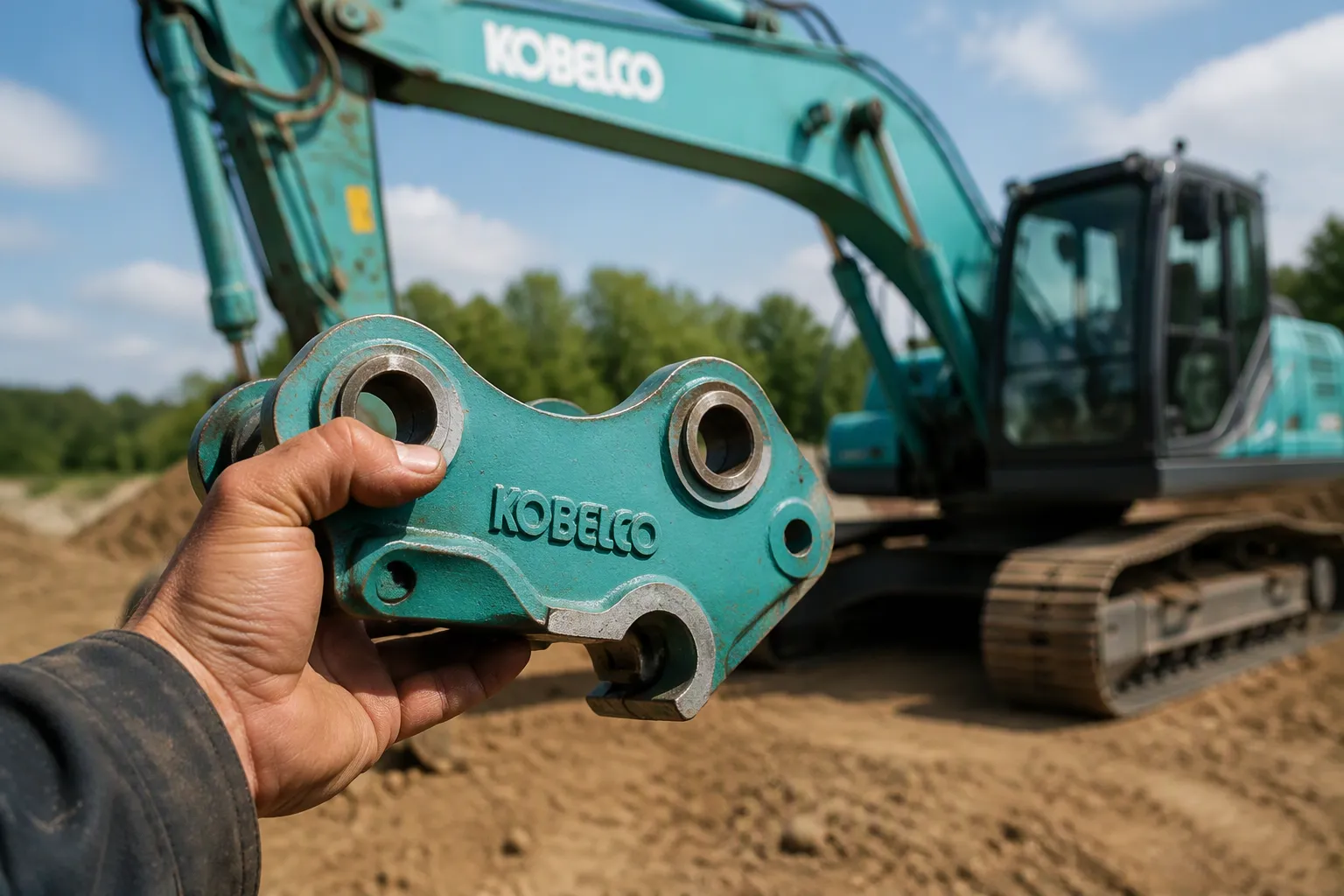
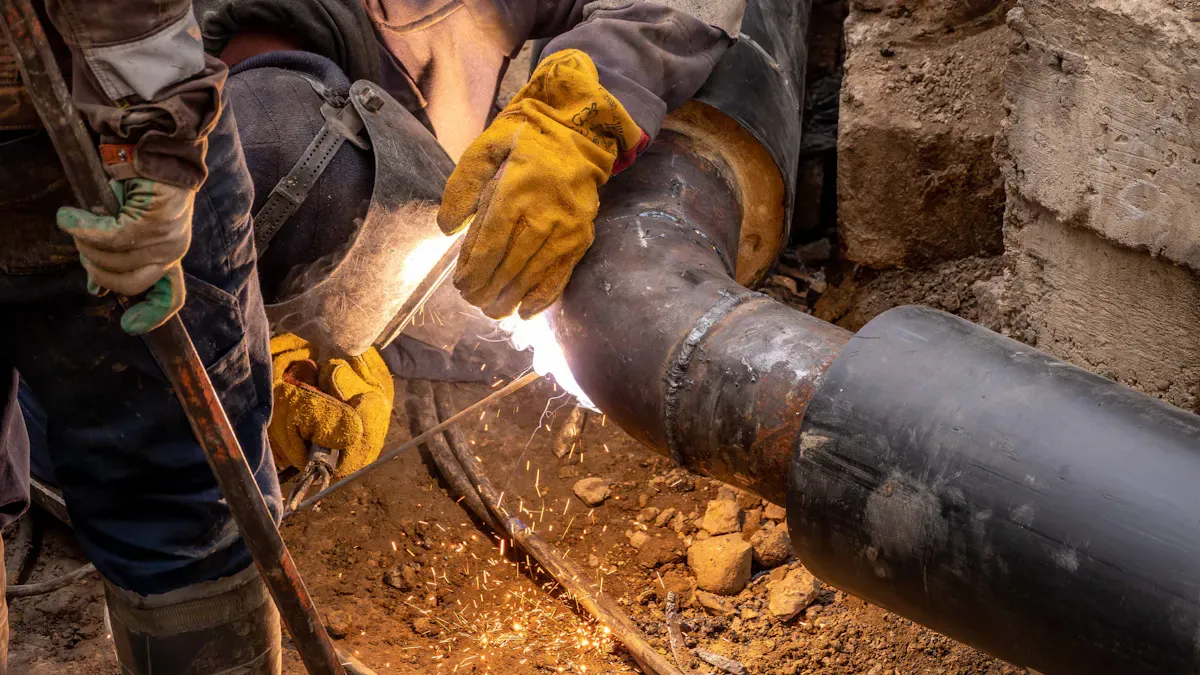
Each machine faces tough jobs and heavy loads. Flexible rubber couplings help these machines handle vibration, shock, and misalignment. You find them in engines, pumps, gearboxes, and drive shafts. They also appear in hydraulic systems and piping connections. When you use the right coupling, your machine runs smoother and needs less repair.
Problem prevention cases
Flexible rubber couplings play a big role in stopping problems before they start. You can avoid many issues that cause chaos on a busy site. Here are some ways these couplings help you:
You spend less time fixing machines because couplings make maintenance easier.
After you finish repairs, you do not need to realign shafts as often. This saves you time and effort.
You can take apart and put together piping systems quickly. This helps when you need to move or change equipment.
Couplings lower the wear on parts that connect to each other. You replace fewer parts and avoid costly repairs.
They stop leaks in pipes and joints. Your systems stay safe and work well.
Note: When you use flexible rubber couplings, you keep your machines running and your projects on track. You avoid delays and save money by reducing downtime.
You see the benefits every day on the job. Machines run longer, break down less, and you finish your work faster. Flexible rubber couplings help you control the chaos that often comes with construction.
Selecting rubber couplings
Key factors (load, size, environment)
You want your construction machines to work well and last long. Picking the right flexible rubber coupling is important. Here are the main things you should check:
Torque Requirements: Make sure the coupling can handle the power your machine needs. If the torque is too high for the coupling, it may slip or break.
Misalignment Tolerance: Look at how much the shafts can move out of place. Some couplings handle more misalignment than others.
Vibration and Shock Load: Think about how much shaking and sudden force your machine faces. Choose a coupling that can absorb these shocks.
Temperature and Environmental Conditions: High heat, humidity, or chemicals can damage rubber. You may need a special rubber if your machine works in tough places.
Size and Installation Constraints: Check if the coupling fits in your machine. Make sure you can install it without trouble.
Note: High humidity can make rubber wear out faster. Chemicals and sunlight can also weaken the rubber and lower its performance.
Maintenance tips
You can help your couplings last longer with good care. Here are some easy tips:
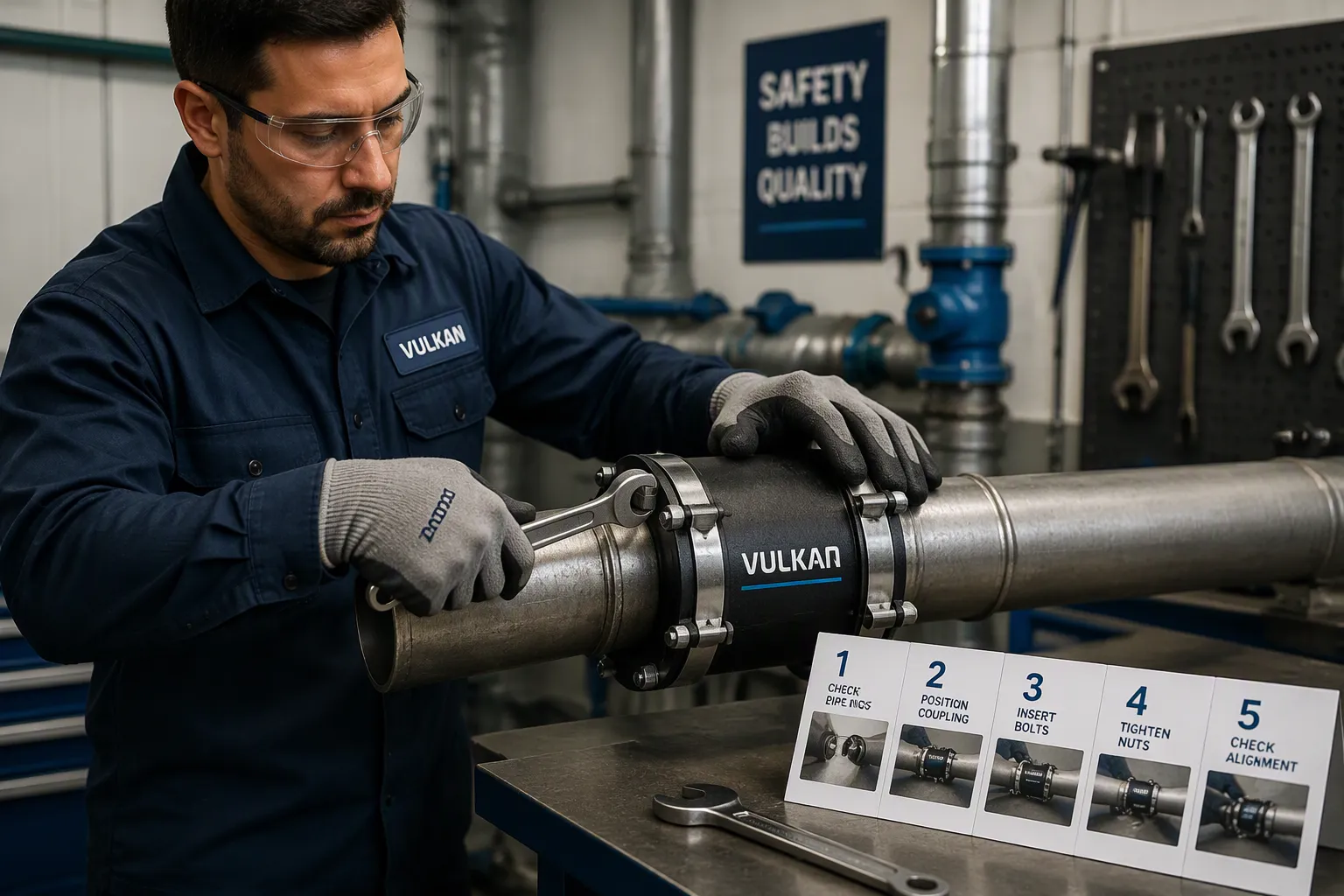
Tighten clamps with a torque wrench. Do not over-tighten.
Use covers or sleeves to protect couplings from sunlight.
Watch for chemicals in water or air that may touch the rubber.
Avoid bending the rubber sleeve too much.
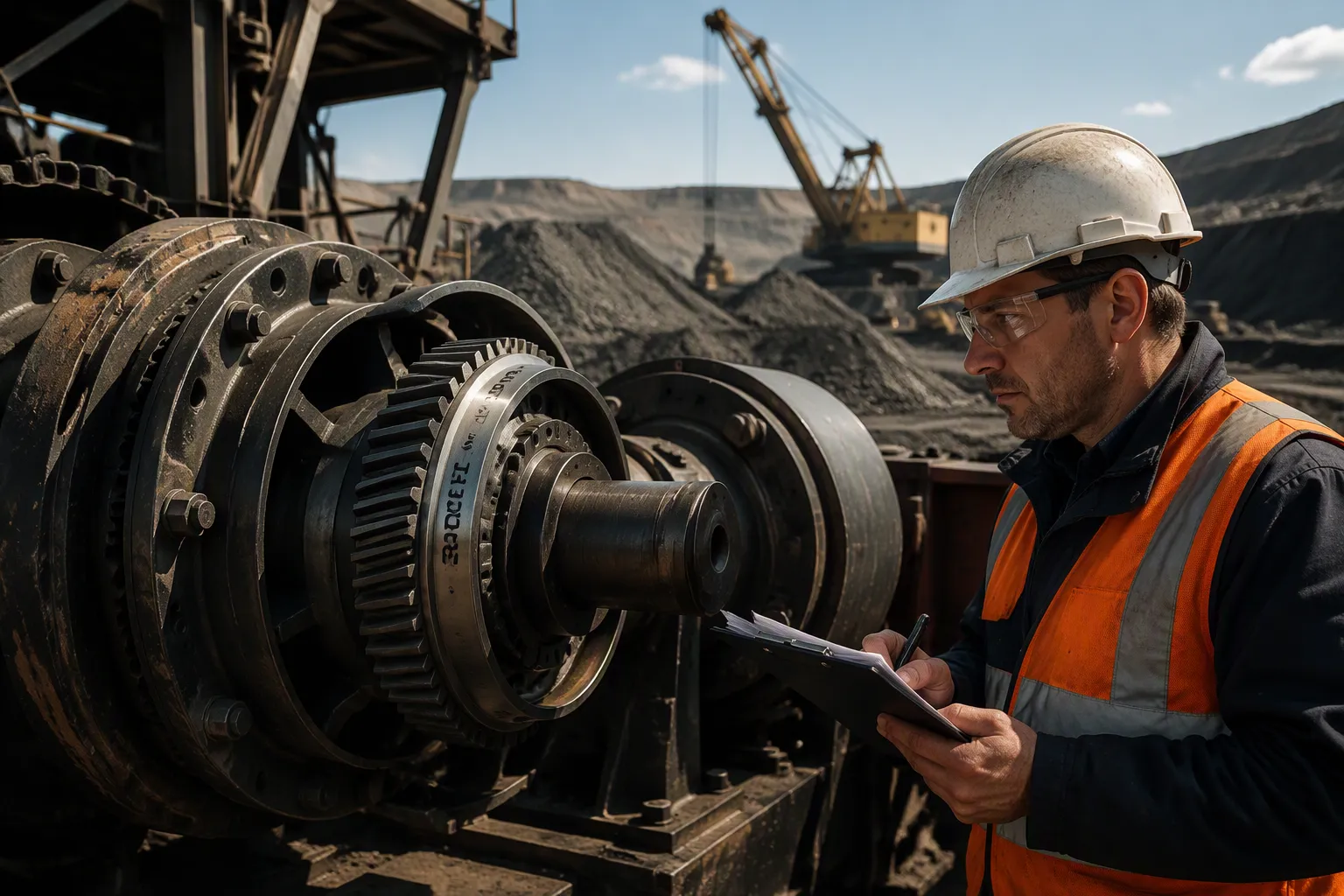
Check for signs of wear, like cracks, heat, or strange noises.
Look for rubber dust or metal shavings near the coupling.
If you see the shaft moving oddly or feel more vibration, check the alignment.
Tip: After installing a new coupling, always check the alignment and do a rotation test. This helps you spot problems early and keeps your machine running smoothly.
Taking these steps helps you get the most from your flexible rubber couplings. You save money and avoid breakdowns on the job.
Flexible rubber couplings help keep construction sites safe and machines working well. They reduce accidents by absorbing vibrations and fixing misalignment. Using them saves money because they need less repair and make equipment last longer. When picking a coupling, check how it handles heat, pressure, and leaks. Make smart choices and inspect your couplings often to get the best results.
Absorbs vibration for safer piping systems
Fixes misalignment to avoid failures
Lasts longer in tough environments
Cuts maintenance costs and stops downtime
Requires careful selection because of temperature and pressure limits
FAQ
What is a flexible rubber coupling?
You use a flexible rubber coupling to connect two spinning shafts. It absorbs vibration and shock. This keeps your machine running smoothly and helps prevent damage.
How do I know which coupling to choose?
You check the size, torque, and environment. Look at how much misalignment your machine has. Pick a coupling that fits your needs and handles the conditions at your site.
How often should I inspect my coupling?
You should inspect your coupling every month. Look for cracks, wear, or strange noises. Early checks help you avoid breakdowns and keep your equipment safe.
Can flexible rubber couplings reduce noise?
Yes! You hear less noise when you use these couplings. They absorb vibration and shock, so your machine runs quieter. This makes your work easier and safer.
Are flexible rubber couplings easy to install?
You can install most flexible rubber couplings quickly. Use basic tools and follow the instructions. If you check alignment and tighten clamps, you get the best results.