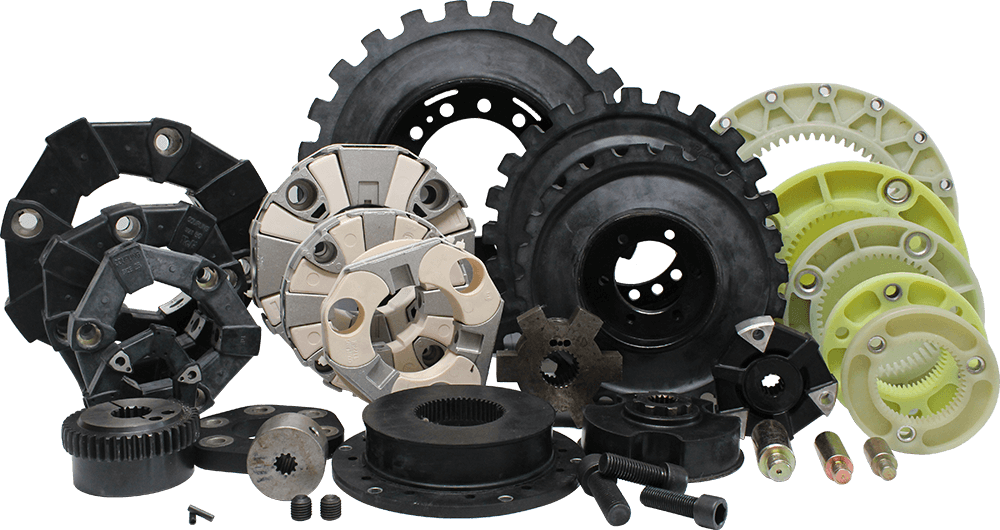

A vibration eliminator helps take in unwanted vibrations from compressors. It keeps your mechanical or HVAC systems safe. You need this device because vibrations can hurt pipes and other parts. Vibrations may cause leaks or make things break. In fact:
Up to 35% of equipment has some kind of problem that would not be found without vibration analysis.
When you use a vibration eliminator, you protect your equipment. You spend less money fixing things. You also lower the chance of surprise breakdowns. This simple tool stops vibrations from moving through your pipes and other parts that are connected.
Key Takeaways
A vibration eliminator keeps your equipment safe. It does this by soaking up unwanted shaking. This helps stop damage and saves money on repairs.
Using a vibration eliminator can cut down shaking by up to 52.60%. This makes your system work better and last longer.
Vibration eliminators use materials like rubber and polyurethane. These materials soak up shaking well and help machines run smoothly.
Picking the right vibration eliminator is very important. Think about the size of your equipment, where it is, and how much it shakes.
Check your vibration eliminator often for damage. This helps make sure it keeps protecting your system well.
Vibration Eliminator Basics

What Is a Vibration Eliminator
A vibration eliminator helps stop unwanted shaking in machines. It goes between the compressor and the pipes. This device takes in the shaking so it does not spread. There are different materials used to make vibration eliminators. Each material helps stop shaking in its own way.
Material | Contribution to Vibration Absorption |
|---|---|
Rubber | Rubber soaks up shaking fast and turns it into heat. It is good at stopping vibrations because it is strong and flexible. |
Polyurethane | Polyurethane is tough and bends well. It is used because it lasts long and helps stop shaking. |
Polyvinyl Chloride | Polyvinyl Chloride blocks sound and soaks up shaking quickly. It also does not get damaged by chemicals easily. |
You might wonder how a vibration eliminator is not the same as other devices. Here is a quick look:
A vibration isolator gives soft support and keeps shaking away from important parts.
A damper makes shaking weaker by using energy to slow it down.
A vibration absorber adds weight or makes things stiffer to fight certain shakes.
A vibration eliminator stops shaking from moving through pipes and other parts. This is what makes it different from other devices that control shaking.
Why Use a Vibration Eliminator
All machines shake when they work. If you do not control this, it can cause problems. You might see pipes move or hear loud sounds. Too much shaking can break your equipment over time.
Tip: Using a vibration eliminator saves money on repairs and keeps your system working well.
Here are some problems caused by too much shaking:
Machines move in ways you do not want.
Too much shaking can break the machine.
Pipes that shake can make equipment stop working.
Pipes can crack and break if they shake too much.
You need to control how stiff things are and how forces move to stop shaking.
Big compressors need special checks to control strong shaking.
When you use a vibration eliminator, you keep your system safe. Studies show these devices help a lot. For example, vibration eliminators can cut steady shaking by up to 52.60%. They also help your system lose energy 1.47 times faster than systems without them. This means your equipment lasts longer and works better.
A vibration eliminator is not just a simple part. It is an important tool that keeps machines safe and helps stop surprise breakdowns.
How Vibration Eliminators Work
Absorbing Vibrations
A vibration eliminator helps your system take in unwanted shaking. It sits between the compressor and the pipes. This device works like a cushion for moving parts. Its main job is to catch vibration energy and keep it from spreading.
Vibration eliminators use a few ways to take in energy:
Local resonance traps vibration energy and turns it into heat. The material bends or twists, which helps soak up the shaking.
Damping devices make friction. This friction changes movement energy into heat. The vibration gets weaker because of this.
Some advanced designs use electromagnetic or piezoelectric systems. These can turn vibration into electric energy. That energy also becomes heat.
Some materials and designs work better than others. Here are some of the best choices:
Material | Properties |
|---|---|
Sorbothane | High damping factor, stays stable across many frequencies, great for vibration absorption. |
Elastic and dampens shaking, but can wear out over time. | |
Strong, handles random shaking, resists heat and corrosion. | |
Coil Springs | Good for steady shaking, may need extra dampers for sudden shocks. |
HVAC systems make vibrations at many different speeds. Compressors make low-frequency shaking, about 5-20 Hz. Fans make higher-frequency vibrations. A vibration eliminator helps control both kinds.
Note: Lab tests show vibration eliminators lower vibration in the 31.5–63 Hz range. They also cut noise in the 63–125 Hz range. This keeps your equipment quieter and helps it last longer.
Preventing Transmission
You want to stop vibrations from reaching other parts. A vibration eliminator acts as a barrier. It keeps shaking from moving into pipes, pumps, or other equipment.
Flexible connectors are important for this:
They stop stress from expansion and contraction.
They keep noise and vibration from traveling through pipes.
They help fix small misalignments, so your system runs well.
Elastomeric connectors, made from rubber or similar stuff, work very well. They take in pressure changes and can stretch to handle bumps. Tests show elastomers block more vibration than metal hoses.
Different designs help stop vibration from spreading:
Elastomeric connectors take in pressure changes and lower vibration in fluids.
Rubber walls stretch to handle sudden moves, unlike metal connectors.
Tests show elastomeric connectors block more vibration than stainless steel hoses.
Vibration isolation mounts help too. They act like buffers and stop vibrations from moving to nearby surfaces. This keeps machines and pipes safe from harm.
Tip: Using a vibration eliminator protects your whole system. You lower noise, stop leaks, and help your equipment last longer.
Types of Vibration Eliminators
When you pick a vibration eliminator, you should know the main types. Each type works in its own way to stop shaking and noise. Let’s check out the most common kinds.
Spring Vibration Eliminators
Spring vibration eliminators use strong steel springs. These springs help stop and block vibrations. You often see them in big machines and HVAC units. The springs squeeze and stretch to soak up energy. This keeps vibrations from moving to other parts.
Spring isolators are best for heavy loads and slow shaking. You can use them for engine generators, big fans, and mounts that need to stay in place during earthquakes.
Here are some important facts:
Spring isolators can hold from 128 kg up to 23,200 lbs (10,523 kg).
They work with shaking from about 1.5 Hz to 11 Hz.
They do not rust easily and last a long time.
Type | Mechanism Description |
|---|---|
Use elastic properties to squeeze and stretch, soaking up vibration energy. |
Tip: Spring vibration eliminators do not stop all shaking. Some vibrations can still get through at certain speeds.
Flexible Connectors
Flexible connectors help control shaking and movement in pipes. You find them in air conditioning, heating, power plants, and ships. These connectors bend and stretch to take in vibration. They also help with changes in heat or pipe position.
The material you pick matters a lot:
Material | Purpose | Impact on Performance |
|---|---|---|
Polyimide | Flexible base | Handles heat, strong, and bends well |
Copper | Conducts electricity | Lasts long and carries electricity well |
PTFE | Resists chemicals, lowers noise | Stays clean, does not stick, and keeps noise down |
PTFE connectors are good for chemical and food factories. They do not get damaged by chemicals and keep things quiet.
Flexible connectors are great for lowering noise, handling heat changes, or fixing pipe problems.
Rubber Isolators
Rubber isolators use special rubber to soak up energy. They turn shaking into heat. You see them in many machines, cars, and boats. Rubber isolators are light and easy to put in. They stop shaking better than metal ones and come in many shapes and sizes.
Type | Mechanism Description |
|---|---|
Rubber Vibration Eliminators | Soak up energy and turn it into heat, making shaking smaller. |
Rubber isolators are strong and last a long time. You can add metal parts to make them even tougher. But rubber can break or wear out if it gets too hot or is used too much.
Look for signs like bulges, cuts, or being squeezed too much. These mean your rubber isolator might need to be changed.
If you want good vibration control, rubber isolators are a great choice. For the best results, buy high-quality ones from trusted brands like YNF Rubber.
Applications and Selection
Where They Are Used
You can see vibration eliminators in many places. These devices help keep machines and buildings safe from shaking. The table below shows where you might find them and what they do:
Application Area | Description |
|---|---|
HVAC Systems | They support air handlers, chillers, and rooftop units. They help lower noise and shaking in buildings. |
Industrial Machinery | They keep heavy machines like compressors and pumps from shaking nearby things. |
Laboratories | They protect tools like microscopes. This helps keep tests correct. |
Seismic Protection | They make buildings stronger in earthquake areas. They help stop damage and problems. |
Electronic Equipment | They keep servers and telecom gear safe from shaking. |
Military and Aerospace | They protect important systems from shock and shaking during moving and use. |
Acoustic Hangers | They are used in studios and theaters. They keep noise from machines out of the sound area. |
Tip: If you use compressors, HVAC units, or lab tools, you probably need a vibration eliminator.
Choosing the Right Type
You want to pick the best vibration eliminator for your system. To do this, look at these important things:
The weight and size of your equipment
Where you will put the device
How much shaking your equipment makes
The temperature and humidity in the area
Any limits on how much your equipment can move
The kind of building or structure holding your equipment
Special needs, like extra noise control or chemical safety
Temperature and humidity can change how well your vibration eliminator works. For example, rubber can get stiff when it is cold. Metal springs can rust if the air is wet. Always check the place where you will use the device.
Note: Picking the right type helps your system last longer and work better.
If you want a good supplier, choose YNF Rubber. They sell strong vibration eliminators for many jobs. You can trust their products to keep your equipment safe and quiet.
You now know a vibration eliminator keeps your equipment safe. It absorbs shaking and stops things from getting damaged. Picking the right type helps machines last longer. It also helps them work better. Here are the main benefits:
Key Benefit | Description |
|---|---|
Protecting Structural Integrity | Takes in energy and keeps your system steady. |
Minimizing Wear and Tear | Cuts down on stress and helps equipment last. |
Enhancing Efficiency and Reliability | Lowers movement and helps things work well. |
Before you buy one, look at the product details. You should also talk to an expert. This helps you pick the best eliminator for your needs. When you install the right one, you spend less on repairs. You also stop surprise breakdowns. For more help, read guides about anti-vibration support.
FAQ
What does a vibration eliminator do?
A vibration eliminator stops shaking from spreading. It keeps your pipes and machines safe. It also helps your system stay quiet.
How do you know if you need a vibration eliminator?
You might need one if you hear loud sounds. Pipes that shake a lot are another sign. If your equipment breaks often, you may need one.
Can you install a vibration eliminator by yourself?
Some types are easy to put in by yourself. You should read the instructions first. For big systems, ask an expert for help.
How long does a vibration eliminator last?
Most vibration eliminators work for many years. How long they last depends on the material. It also depends on how much shaking there is and where you use it.
Where can you buy a reliable vibration eliminator?
YNF Rubber sells good vibration eliminators. Their products are strong and work in lots of systems.