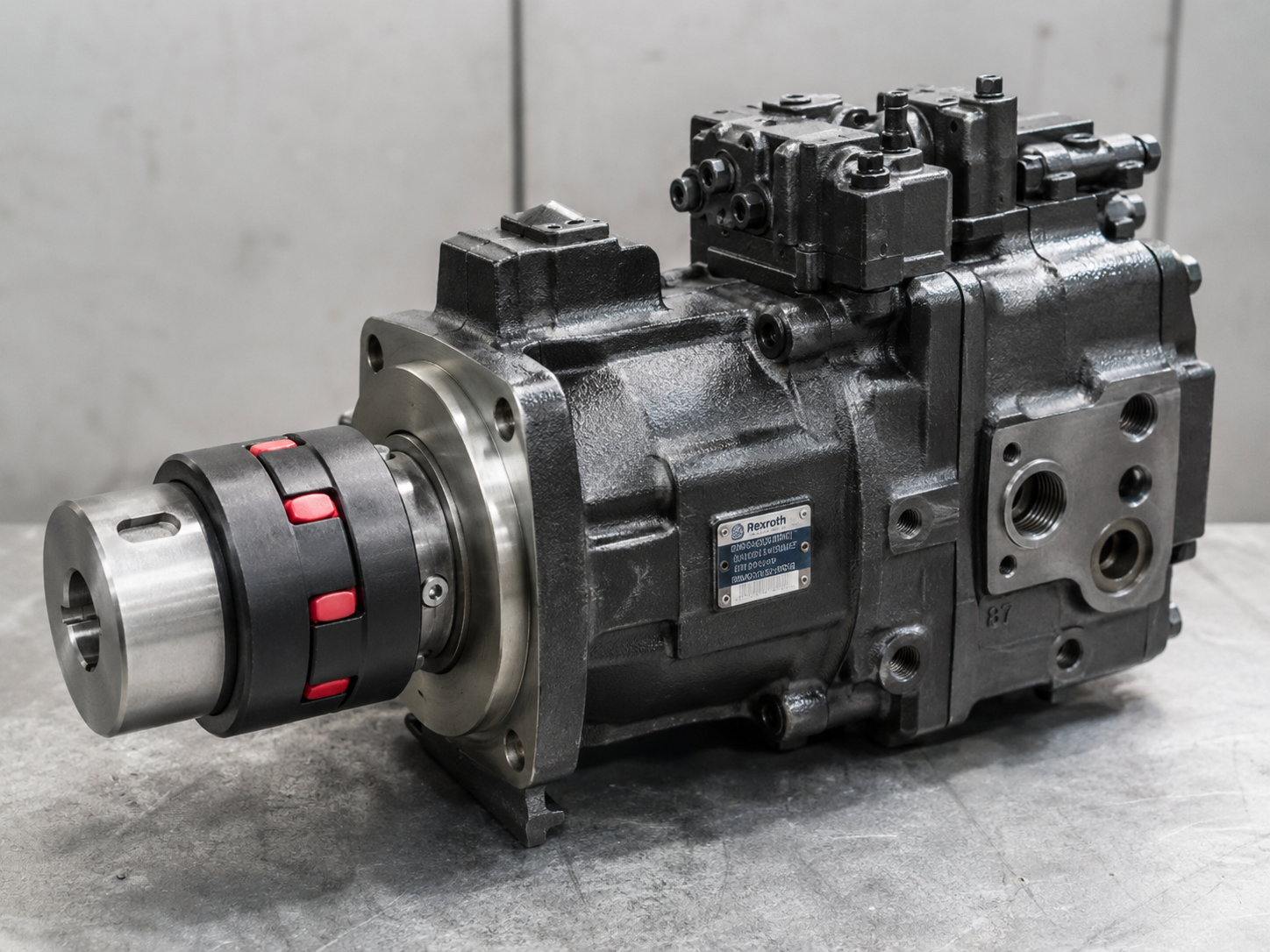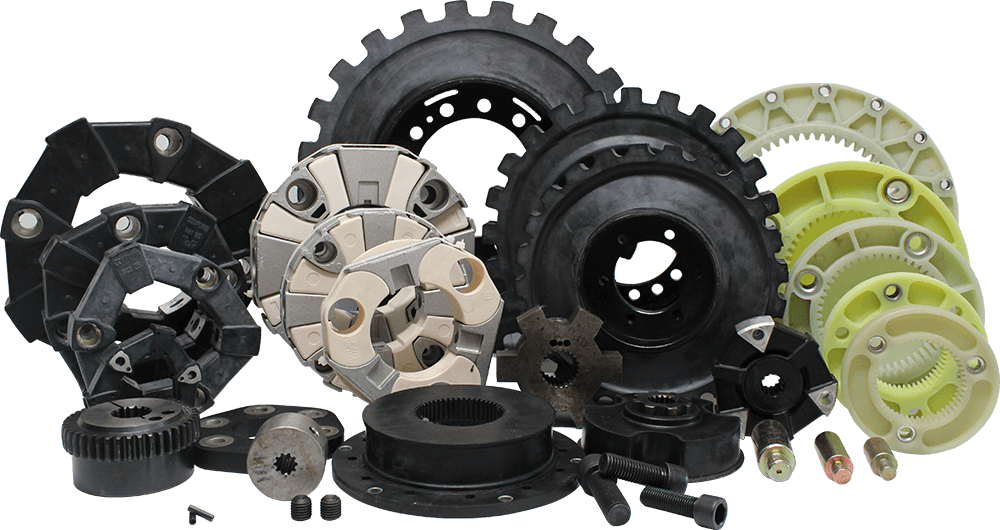

An air compressor rubber coupling links the motor and compressor. It helps them work well together. This small part takes in shocks and lowers noise. Using an air compressor rubber coupling keeps your machine safe from harm. It also helps the system work better. Picking the right air compressor rubber coupling makes things work well and last longer. If you want your equipment to stay good, check your air compressor rubber coupling often. Doing this can save you time and money. A strong air compressor rubber coupling keeps your system working well.
Key Takeaways
An air compressor rubber coupling links the motor and compressor. It helps power move smoothly and makes less noise.
Check your rubber coupling often for damage or cracks. This stops expensive repairs and helps your equipment last longer.
Picking the right rubber coupling makes your machine work better. It absorbs shocks and fixes misalignment. This makes your machine quieter and more efficient.
Using a rubber coupling lowers vibrations. This keeps your air compressor safe and means you need less maintenance.
Buying good rubber couplings can save you money over time. It lowers repair costs and makes your equipment more reliable.
Air Compressor Rubber Coupling Explained
What is a Rubber Coupling
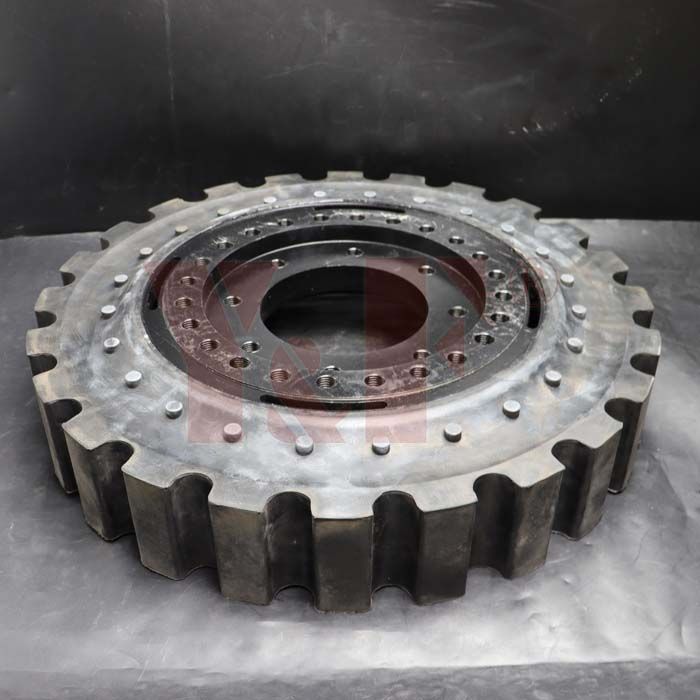
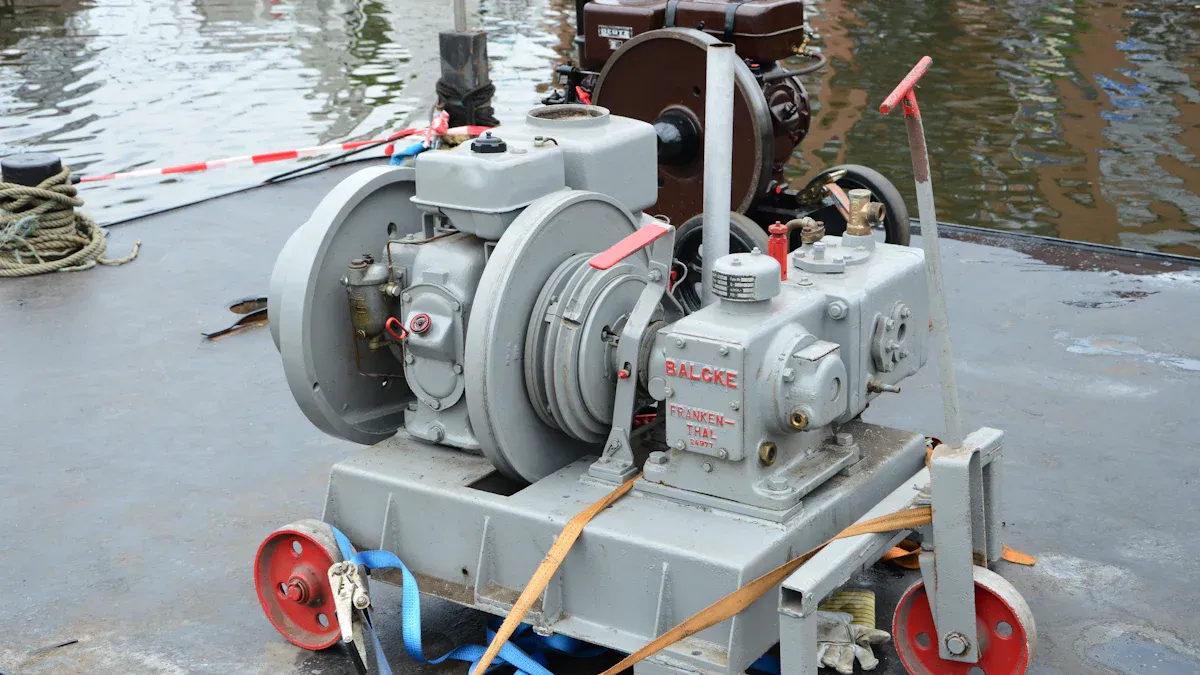
A rubber coupling is like a bendy connector. It joins two shafts together. In air compressors, it links the motor and the compressor pump. Its main job is to move power from one part to another. It also handles movement and shaking. A rubber coupling is special because it can bend and stretch. It does not break easily. This helps your machine work well, even if the parts are not lined up just right.
Rubber couplings are made from different materials. Each material is good for something. Here is a table that shows the most common materials used in rubber couplings for air compressors:
Material Type | Properties |
|---|---|
Natural Rubber (NR) | Excellent elasticity and tear resistance; less resistant to oil and ozone. |
Neoprene (CR) | Good resistance to oil, heat, sunlight, and aging; ideal for harsh environments. |
Nitrile Rubber (NBR) | Highly resistant to oils, fuels, and hydraulic fluids; used in industrial settings. |
Polyurethane (PU) | Superior abrasion resistance and load-bearing capacity; less flexible than rubber. |
Hytrel | Excellent fatigue resistance and temperature stability for high-performance couplings. |
When you pick a rubber coupling, look for these things:
It should be very flexible
It should soak up shocks
It should make less noise
It should help if parts are not lined up
These things help your air compressor run quietly. They also help it last longer. A rubber coupling does more than just connect parts. It keeps your equipment safe and helps everything work together.
How Air Compressor Couplings Work
You may wonder how a rubber coupling works inside your air compressor. The way it works is simple but important. Here is what happens step by step:
The motor turns a metal hub on its shaft.
The force goes through the rubber spider’s arms to the second hub. This hub is on the compressor pump.
The rubber bends a bit. This takes in shaking and lets the parts move if they are not lined up.
The rubber stretches when the machine starts or stops. This softens sudden changes in force.
The rubber goes back to its shape after bending. Power keeps moving smoothly.
This design helps your air compressor coupling do hard work every day. The rubber coupling keeps your system safe from shocks. It also helps it run quietly and not stop suddenly. Your machine works better and lasts longer because the rubber coupling does the tough jobs.
Why Air Compressor Couplings Matter
Vibration Absorption & Misalignment
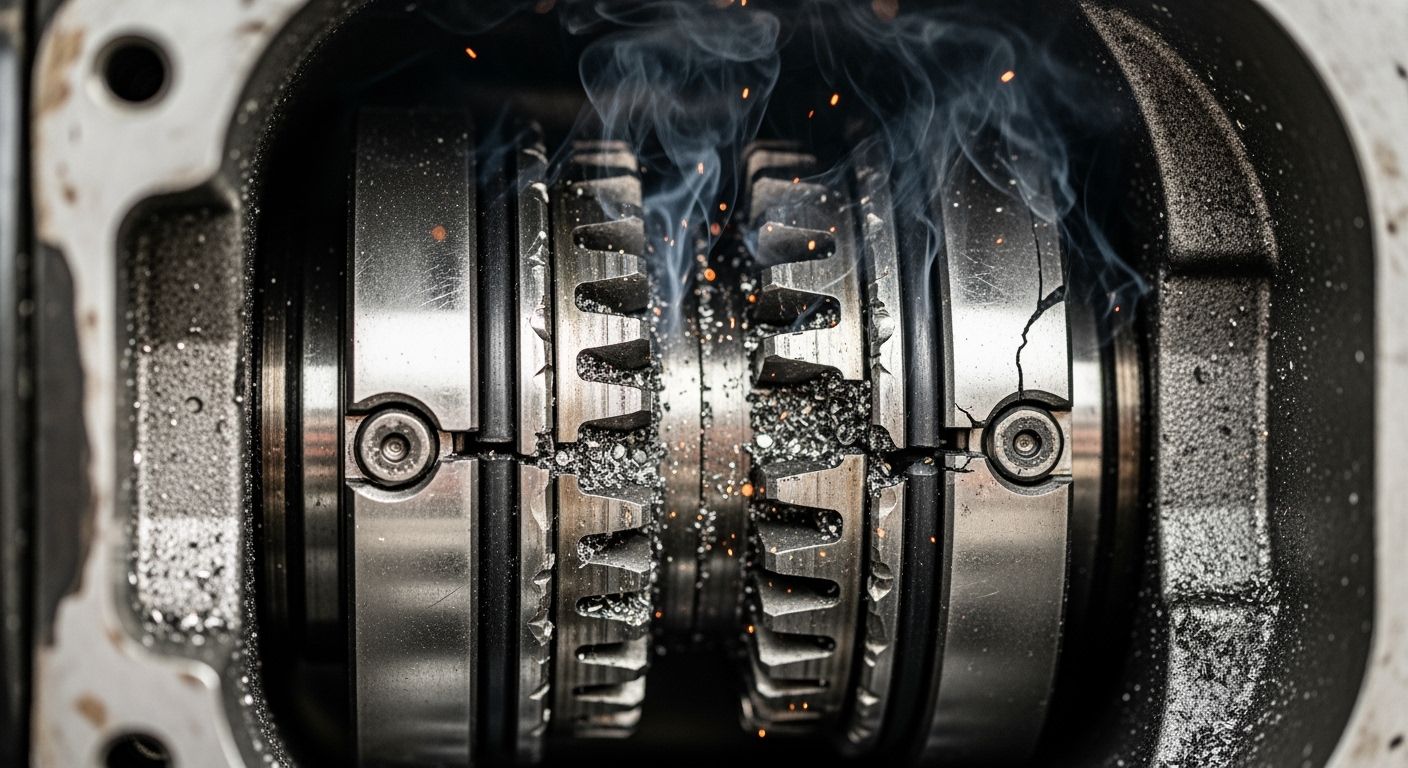
You want your air compressor to work well every day. A rubber coupling helps make this happen. It sits between the motor and compressor pump. This part takes in vibrations from moving parts. Using a rubber coupling stops vibrations from reaching other parts. This keeps pipes and equipment safe. If you do not stop vibrations, leaks or less power can happen over time.
A rubber coupling also helps when shafts are not lined up. Sometimes, the motor and compressor are not straight. This is called misalignment. It can happen after using the machine for a long time or moving it. A rubber coupling bends and stretches to fix this. It keeps power moving even if shafts are not straight.
Here is a table that shows how couplings handle misalignment:
Type of Coupling | Functionality |
|---|---|
Flexible Couplings | Made to handle misalignment, absorb shocks, and lower vibrations. |
Elastomeric Couplings | Use rubber or plastic to fix misalignment and absorb shocks. They do not need much care and are good for places where misalignment happens. |
Using a rubber coupling also lowers shaking. This makes your machine quieter and steadier. You get better vibration control, so your air compressor lasts longer. You also lower the chance of your machine stopping because it stays in good shape.
System Protection & Performance
A rubber coupling does more than connect parts. It protects your whole air compressor system. You want to avoid expensive repairs and keep your equipment working. A rubber coupling takes in shocks and vibrations. This stops damage before it starts. You also get better load sharing, so each part wears less.
Here are some ways a rubber coupling protects your system:
It takes in vibrations and shocks, stopping damage.
It fixes misalignments, lowering stress on the machine.
The flexibility helps share the load, so parts wear less.
Your air compressor works better with the right rubber coupling. The system runs smoother and avoids sudden stops. This means less downtime and fewer repairs. You also get strong vibration control, keeping your equipment safe. If you want to avoid machine stops, check your rubber coupling often and change it when needed.
A good rubber coupling keeps your air compressor working well. It fixes alignment problems, takes in shocks, and keeps your system safe. You get better performance and save money on repairs. You also lower downtime and make your equipment last longer.
Benefits of Rubber Coupling in Air Compressors
Enhanced Performance
You want your air compressor to work well every day. A rubber coupling helps by making power move smoothly. It cuts down on vibration and noise. This makes your workspace quieter and nicer. The rubber coupling also helps if the motor and compressor are not lined up. Even when the shafts are not perfect, it keeps things running well.
Here is a table that shows how a rubber coupling helps:
Performance Improvement | Description |
|---|---|
Smooth Power Transfer | Rubber coupling helps connect drive shafts well. |
Vibration Minimization | It lowers vibration, so the compressor is quieter. |
Misalignment Absorption | Handles different misalignments for better reliability. |
Noise Reduction | Makes less noise for a better experience. |
Extended Equipment Lifespan | Lowers stress on parts, so they last longer. |
A rubber coupling also helps air flow the right way. This keeps your air compressor working well and saves energy.
Reduced Maintenance
Using a rubber coupling means you do not need as much maintenance. It takes in shocks and helps with misalignment. This stops parts from wearing out fast. When you use a rubber coupling, you help stop air leaks. This saves energy and money on repairs. The rubber coupling keeps air pressure steady. This protects your air tools from too much strain. Flex couplings also lower stress on shafts and bearings. You do not have to fix or change them as much.
Rubber coupling helps air flow and stops leaks.
It lowers the chance of repairs and downtime.
You spend less time and money fixing things.
Increased Equipment Lifespan
A rubber coupling can help your air compressor last longer. Some types, like the 1614873900, last 30% longer than others. By handling misalignment and lowering vibration, the rubber coupling protects your equipment from wearing out early. It keeps the system running well and helps all parts work together. When you use a rubber coupling, you keep stress off the shafts and bearings. This means your air compressor and tools stay in good shape for years.
Tip: Check your rubber coupling often. Change it if you see it is worn out. Doing this can help you avoid big repair bills and keep your equipment working longer.
A rubber coupling is a smart pick if you want your air compressor to work well for a long time. It helps with misalignment, lowers vibration, and keeps your system safe.
Applications & Selection Tips
Common Uses
Air compressor rubber couplings are used in many places. They connect the drive shaft to the compressor. This helps power move without problems. These couplings are important in air systems. Look at this table to see where couplings are used and what they do:
Industry | Application Description | Benefits |
|---|---|---|
HVAC | Used in heating, ventilation, and air conditioning systems. | Makes power transfer smooth, lowers vibration, and cuts noise. |
Petrochemical | Used in high-pressure and hot places for pumps and compressors. | Makes systems reliable, lowers stress on pipes, and stops leaks. |
Mining | Helps machines in tough places with heavy loads and lots of shaking. | Makes machines reliable and lowers maintenance costs. |
Construction | Used in portable air compressors and pneumatic tools. | Stops shock and misalignment, making equipment last longer. |
Manufacturing | Used in compressors for automation and assembly lines. | Keeps machines precise, saves energy, and lowers downtime. |
Marine | Connects engine shafts with other systems on ships and platforms. | Makes marine systems stable and improves efficiency. |
Quick release couplings and air compressor fittings are also used. They make connections easy and safe.
Choosing the Right Air Compressor Coupling
Think about your system’s needs before picking a coupling. YNF Rubber has flexible couplings for many air compressor fittings and tools. Their couplings use strong rubber and steel. This gives a tight seal and long life. Here are some things to look at:
Factor | Description |
|---|---|
Rubber Quality and Material | Pick heat-resistant rubber like EPDM or NBR for a tight seal and lasting use. |
Compatibility and Fit | Make sure the coupling fits your shaft and hub size. |
Load and Torque Capacity | Choose a coupling that can handle your compressor’s load and torque. |
Environmental Resistance | For hard jobs, use couplings that can handle heat and dirt. |
YNF Rubber’s couplings meet ISO and DIN standards. They also make custom couplings for special needs. Their products help air flow well and keep a tight seal. This stops leaks and keeps your air system safe.
Installation & Maintenance Tips
Install your coupling carefully. Use the right tools and quick release couplings for easy setup. Always check if the coupling fits well and seals tight. This stops leaks and keeps your system safe. Check your couplings often and replace worn parts. This helps your equipment last longer.
Tip: Keep your rubber couplings in good shape with regular checks. This lowers vibration, cuts repairs, and keeps your air compressor running well.
YNF Rubber’s couplings need little care. Their design helps you avoid repairs and downtime. You can trust their couplings to keep your equipment safe and working. If you need help, YNF Rubber gives support and custom solutions for your couplers and fittings.
You need a tough rubber coupling to help your air compressor work well. Picking a good one like YNF Rubber gives you lots of good things:
Benefit | Description |
|---|---|
Cost Savings | Strong parts last longer, so you fix and replace less. |
Technical Support | Experts help you use your machine the right way. |
Customization Options | Special parts fit your needs and help save energy. |
Good couplings help you spend less money. They stop your machine from breaking down and help it last longer.
To get the best results, do these things: 1. Look at all parts to see if they are clean or broken. 2. Make sure everything fits and lines up before you tighten it. 3. After you start your system, check for leaks.
Pick YNF Rubber if you want a solution you can count on.
FAQ
What signs show my rubber coupling needs replacement?
You may notice more vibration, noise, or visible cracks in the rubber. If your air compressor shakes or makes odd sounds, check the coupling. Replace it if you see damage or wear.
How often should I check my air compressor rubber coupling?
Check your coupling every three to six months. Look for cracks, wear, or loose parts. Regular checks help you catch problems early and keep your air compressor running well.
Can I install a rubber coupling by myself?
Yes, you can install it if you follow the instructions. Use the right tools and make sure the parts fit tightly. If you feel unsure, ask a professional for help.
Why should I choose a flexible rubber coupling from YNF Rubber?
YNF Rubber offers strong, durable couplings that fit many air compressors. You get custom options, expert support, and products that meet international standards. These couplings help your equipment last longer and work better.