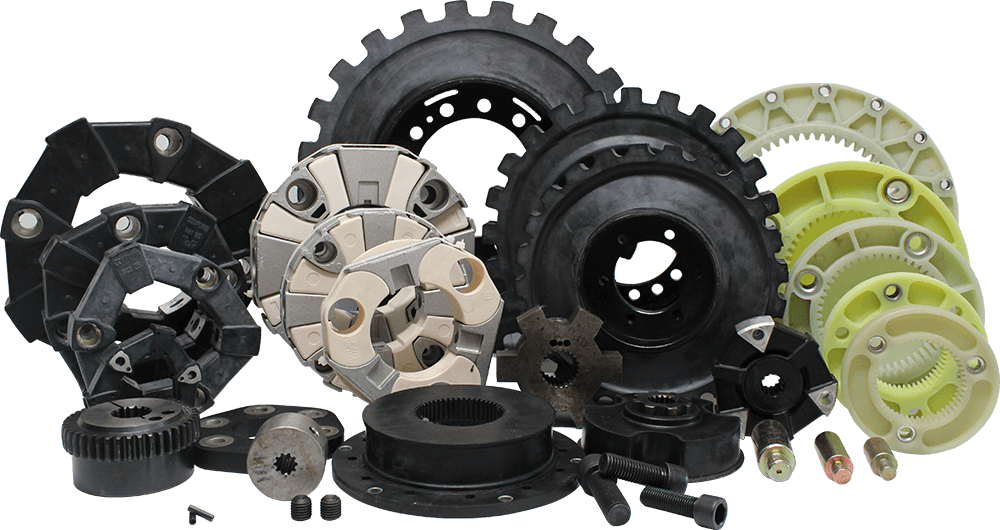

A mechanical isolator helps stop unwanted movement and sound. It controls vibrations from machines or building structures. You use a mechanical isolator to lower vibrations that move through walls or floors. Many people hear less noise in buildings when a mechanical isolator is used. Recent studies show a mechanical isolator made from composite materials can help buildings during earthquakes. It also helps lower noise pollution. You depend on a mechanical isolator to keep your equipment safe. It also makes your space more comfortable. The isolator stops vibrations before they spread. This makes life quieter and safer each day.
Key Takeaways
Mechanical isolators help stop bad vibrations and noise. This makes places quieter and safer for everyone. Using mechanical isolators keeps equipment safe from harm. Machines can last longer and work better with them. There are different types of isolators, like spring, rubber, and air isolators. Each type is used for special jobs in different industries. You need to pick the right isolator for your equipment’s weight. The kind of vibration also matters when choosing. YNF Rubber is a good choice for strong and long-lasting isolators. They are known for making quality products that stop vibrations.
Mechanical Isolator Benefits
Vibration Reduction
Machines and buildings often shake in ways you do not want. These shakes can make noise, break things, or bother people. Mechanical isolators help stop these shakes. When you use vibration isolation mounts, you keep shakes from moving through floors and walls. This makes places quieter and safer.
Mechanical isolators work better than some other ways. Look at the table below to see the difference:
Performance Metric | Mechanical Isolators | Nonlinear Inerters (SYI) |
|---|---|---|
Peak Dynamic Displacement | Moderate | Low |
Peak Force Transmissibility | High | Low |
Effective Isolation Frequency Band | Narrow | Broad |
Softening Characteristic | Limited | Enhanced |
Mechanical isolators give strong vibration isolation. They work well when you need to stop certain shakes. Vibration isolation mounts help machines stay steady and safe from damage.
Noise Control
Noise can make homes or work hard to enjoy. Mechanical isolators help control noise by stopping shakes before they turn into sound. Vibration isolation mounts block shakes from moving through walls and floors. This keeps rooms quiet so you can focus or relax.
Noise control is good for your health. The table below shows how mechanical isolators help:
Benefit | Description |
|---|---|
Reduces Structure-Borne Noise | Stops shakes from turning into sound, especially low sounds. |
Enhances Occupant Comfort | Quieter places are better for people living there. |
Improves Equipment Longevity | Machines last longer because they get less damage. |
Vibration isolation helps you live better. It also keeps your machines safe from shakes.
Equipment Protection
You use machines and special equipment every day. Mechanical isolators protect your equipment by lowering shakes and stopping unwanted movement. Vibration isolation mounts shield your machines from bad shakes.
Here are some ways mechanical isolators help:
Shakes can make machines work badly and wear out fast.
Vibration isolators soak up shakes and stop them from spreading.
Good isolation stops damage, makes machines last longer, and keeps things safe.
Machines last longer because they get less damage.
You spend less money fixing machines.
Machines work better and break less.
Isolators keep machines safe from bad shakes.
They stop movements that can break machines early.
Using rubber mounts or springs helps machines last longer.
You save money on repairs with vibration isolation. For example:
Old lip seals need to be changed every few months. This can cost $800–$2000 each year for one pump in a dusty place.
Bearing isolators last many years and cost less, about $30–$100 each year over ten years.
You can save more than $1.75 million in ten years by using bearing isolators.
Equipment with vibro isolators can cost 30% less to fix one time.
Vibration isolation keeps your equipment safe and saves you money and time. When you pick vibration isolation mounts, your machines last longer and work better.
Tip: If you want good vibration isolation mounts, try YNF Rubber for your needs.
How Mechanical Isolator Technology Works

You need isolator technology to keep machines and buildings safe. It stops unwanted movement. This technology uses smart designs to control vibration and noise. Let’s see how isolator technology works and why it is important for vibration isolation.
Lowering Natural Frequency
Isolator technology starts with a simple idea. You want the natural frequency to be lower than the vibration source. When this happens, most vibrations do not pass through. The natural frequency depends on how much the isolator squishes under your equipment’s weight. If the isolator bends more, the natural frequency goes down. This makes vibration isolation work better.
For example, a mass-spring system shows that more bending lowers the natural frequency. You get better isolation when the isolator uses materials that squish easily. In factories, you see different materials used for isolator technology. Steel springs have a low damping factor. Rubber and neoprene have higher damping. The table below shows how damping factors change with different materials:
Material | Approx. Damping Factor C/Cc | Tmax (approx) |
|---|---|---|
Steel Spring | 0.005 | 100 |
Natural Rubber | 0.05 | 10 |
Neoprene | 0.05 | 10 |
Butyl | 0.12 | 4.0 |
Barry Hi Damp | 0.15 | 3.5 |
You can pick the right material for your needs. Lower natural frequency means better vibration isolation and less noise.

Note: Always check the natural frequency and damping factor when you pick isolator technology. This helps you get the best vibration isolation for your equipment.
Damping Mechanisms
Isolator technology uses damping to absorb and control vibration energy. Damping means the isolator takes in vibration energy and turns it into heat. This stops vibration from spreading to other parts of your building or machine.
There are several damping techniques in isolator technology:
Damping Technique | Description | Key Materials |
|---|---|---|
Absorption | Takes in sound waves and mechanical energy, turning it into heat. | Foams, elastomers |
Barriers and Enclosures | Block sound from moving through. | Various dense materials |
Structural Damping | Put on vibrating surfaces to stop resonance and lose energy. | Specialized damping materials |
Vibration Isolation | Keeps parts apart so vibration does not move between them. | Mounts, gaskets, pads |
You use mounts, pads, and gaskets to stop vibration from moving through things. Elastomers like rubber and neoprene work well because they have higher damping. These materials make isolator technology better at stopping vibration.
Tip: For strong vibration damping, pick isolator technology with high-damping materials like natural rubber or neoprene.
Mass-Spring Systems
Mass-spring systems are the main part of isolator technology. You see these systems in many vibration isolation products. The mass is your equipment, and the spring soaks up vibration. When you use mass-spring systems, you block vibration from reaching sensitive places.
Here’s how mass-spring systems work in isolator technology:
The mass-spring system acts like a shock absorber for vibration isolation.
Rubber vibration isolators use this idea to lower vibration in machines and buildings.
Isolator technology uses springs and dampers to drop the natural frequency below the vibration source.
You put flexible parts between the vibration source and what you want to protect. This makes a two-degree-of-freedom system for better vibration isolation.
Good isolator technology matches the natural frequency to the vibration source. If you do not match the frequency, the system can make vibration worse instead of better.
You should know that isolator technology works best when designed for the right frequency range. Locally resonant phononic crystal isolators work better than steel spring isolators at low frequencies. These advanced systems create a low-frequency bandgap that blocks vibration from things like trains or big machines.
Mass-spring systems can sometimes make ground motion worse if you do not match the frequency right.
Vibration isolation systems lower vibration, but they cannot stop it all.
How well isolator technology works depends on the vibration frequency and the system’s design.
Remember: Always check the frequency range of your isolator technology. Good design gives you the best vibration isolation and keeps your equipment safe.
Isolator technology uses mass-spring systems, damping, and smart material choices to give you strong vibration isolation. You protect your equipment, lower noise, and make your space safer and more comfortable. If you want good vibration isolation, pick isolator technology that fits your needs and uses quality materials like those from YNF Rubber.
Types of Vibration Isolation
There are different kinds of vibration isolation systems. Each kind is good for certain jobs. You can find these systems in homes, factories, and hospitals. The main types are spring vibration isolators, rubber vibration isolators, and air isolators.
Spring Isolators
Spring vibration isolators use metal coils to soak up vibration. They are used with heavy machines. These isolators can hold a lot of weight. They work well for low-frequency vibration. You see them in HVAC units, presses, and turbines. They also help support server racks in data centers.
Type of Isolator | Load Capacity | Frequency Range | Applications |
|---|---|---|---|
Spring Vibration Isolators | High loads | Low-frequency isolation | Heavy-duty machinery, HVAC units |
Application Area | Description |
|---|---|
HVAC Systems | Used to hold HVAC equipment and lower noise and vibration. |
Industrial Machinery | Keeps heavy machines from shaking other equipment or buildings. |
Laboratories | Helps sensitive tools work right by stopping vibration. |
Tip: Spring vibration isolators are great for big machines. They help keep your equipment safe and quiet.
Rubber Isolators
Rubber vibration isolators use soft rubber to soak up vibration and noise. You see them in washing machines, cars, and medical tools. These isolators are best for light or medium loads and medium-frequency vibration. They are easy to put in and save you money.
Soaks up vibration
Makes things quieter
Saves money
Easy to install
Rubber vibration isolators have some limits. They are not good for very heavy loads. You use them for special jobs.
Cannot hold very heavy things
Good for certain uses
You find rubber vibration isolators in many places:
Cars to lower engine vibration
Home machines like washers
Medical tools for better accuracy
Note: YNF Rubber makes strong rubber vibration isolators for many uses.
Air Isolators
Air isolators use air to make a cushion. This cushion soaks up vibration and keeps equipment safe. You see air isolators in CNC machines, robot arms, and medical imaging tools. They change air pressure to give the best isolation.
Step | Description |
|---|---|
1 | Sensors or machines find vibration. |
2 | The system sends in compressed air. |
3 | An air cushion forms to soak up vibration. |
4 | The cushion stops vibration to protect parts. |
5 | Air pressure changes to keep isolation strong. |
6 | The system lets out air and gets ready again. |
Air isolators are used in factories, planes, hospitals, and electronics. You use air isolators when you need very good vibration control.
Callout: Air isolators are best for delicate tools and equipment. They help you get steady and correct results.
You can choose the right vibration isolation system for your needs. Spring vibration isolators, rubber vibration isolators, and air isolators each have special benefits. YNF Rubber gives you good rubber vibration isolators for many jobs.
Applications in Industry and Pharmaceutical
Machinery and Equipment
Mechanical isolators are used in many industries. They help control vibration in machines like pumps and generators. You also find them in cars, where they stop engine and exhaust vibration. They are used in suspension and chassis parts too. These devices lower noise and help machines work well. In HVAC systems, they stop vibration from compressors and fans. You use them in computers, servers, and lab tools. These products protect your equipment and help it work better.
Industrial machines: Stop vibration in pumps and generators.
Cars: Block vibration in engines, exhausts, and suspensions.
HVAC: Lower noise and vibration from fans and compressors.
Electronics: Keep computers and lab tools safe.
Mechanical isolators soak up vibration and stop shocks. They keep heavy machines steady and lined up. This helps you work safely and with good results. Machines last longer and work better with stable bases. If you want good vibration isolation, you can pick YNF Rubber.
Building Structures
Mechanical isolators are used in buildings to stop vibration from trains and earthquakes. They help keep buildings safe and quiet. The table below shows how they work in real buildings:
Case Study Description | Key Findings |
|---|---|
Three-directional vibration isolator for buildings | Stopped metro and earthquake vibration. |
Pseudo-static tests on mechanical properties | Lower compression stiffness, vertical damping ratio of 9%. |
Full-scale masonry building field test | Lowered metro vibration and noise. |
Seismic isolation performance analysis | No tensile stress, safe compressive stress and shear strain. |
You also use pipe riser isolation to stop vibration in pipes. This keeps buildings safe and quiet. Mechanical systems in buildings need vibration isolation to protect people and equipment.
Pharmaceutical Environments
In drug factories, you must keep things clean and stop germs. Mechanical isolators make a barrier that blocks germs and keeps things steady. You use them to protect sensitive tools from vibration, noise, and heat changes. This helps keep your products safe and good.
Pharmaceutical isolators must meet ISO 5 cleanroom rules.
You need grade A air for clean work.
Isolation is important for safe products and following rules.
Clean work areas are needed for making medicine.
You use mechanical isolators for cleaning and keeping rooms safe.
Pharmaceutical isolators help you follow strict cleaning rules. You use them in clean rooms to keep people out and lower germ risks. The fill-finish area must be Zone A/ISO Class 5. The area around it is Zone D/ISO Class 8 in the EU or ISO Class 7 in the US. You must check all surfaces and watch the air to stop germs from spreading. These steps keep your medicine safe and pure.
Tip: You can trust YNF Rubber for mechanical isolators in drug factories and cleanrooms. Their products help you keep things clean and stop germs in every job.
Mechanical isolators help stop bad vibrations and loud sounds. They keep your equipment safe and make things safer for everyone. These devices also help you follow safety rules. You can find mechanical isolators in buildings, labs, and other places.
Function/Importance | Description |
|---|---|
Vibration Isolation | Keeps vibrations away from your equipment. |
Safety | Stops problems from spreading in fault zones. |
Operational Efficiency | Makes work easier and more comfortable. |
Compliance with Safety Standards | Helps you follow safety rules for electrical systems. |
If you hear shaking or loud sounds, your equipment may need vibration isolation. YNF Rubber can help you make your space safer and quieter.
FAQ
What does a mechanical isolator do?
A mechanical isolator blocks vibration and noise you do not want. It helps keep machines, buildings, and special equipment safe. This makes your space quieter and safer for everyone.
Where can you use mechanical isolators?
Mechanical isolators work in many places like factories, homes, hospitals, and labs. You can use them with pumps, HVAC units, cars, and medical equipment.
How do you choose the right mechanical isolator?
First, look at how heavy your equipment is and what kind of vibration you have. Then, pick an isolator that fits your needs. YNF Rubber has many choices for different uses.
Can mechanical isolators help with earthquake safety?
Mechanical isolators can help keep buildings safe during earthquakes. They lower the shaking that moves through walls and floors.
Why should you pick YNF Rubber for isolators?
YNF Rubber makes strong and dependable mechanical isolators. Their products last a long time and work well. Many people choose YNF Rubber for vibration isolation.