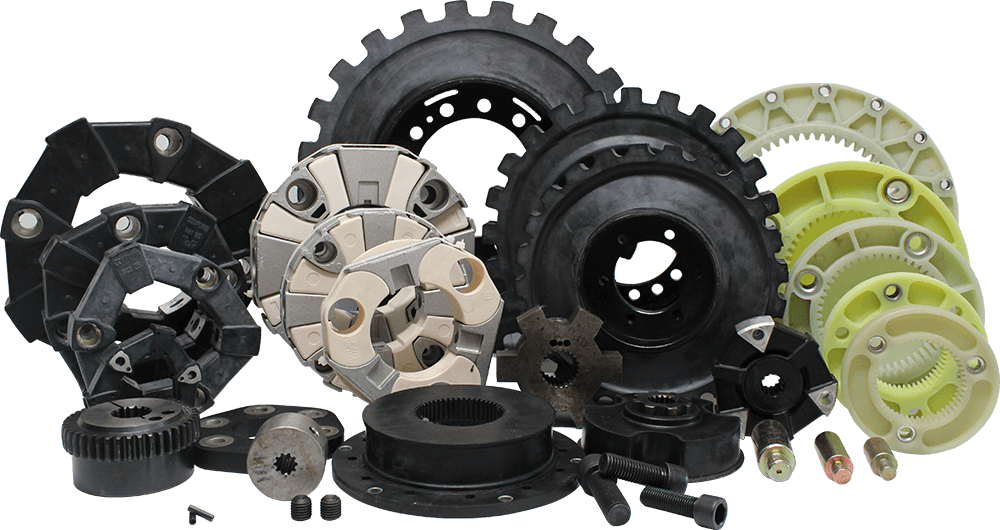

HVAC isolators take in vibration and noise from HVAC equipment. They stop these problems from spreading into the building. Isolators make a barrier between loud systems and your rooms. Recent studies show isolators cut down noise and vibration a lot. This helps people feel more comfortable and keeps the building safe. When you use isolators, you make things quieter and steadier for everyone inside.
Key Takeaways
HVAC isolators help lower noise and shaking from machines. This makes rooms quieter and more comfortable.
When isolators are put in right, they keep buildings safe from shaking damage. This helps the building stay strong.
Picking the best isolator, like spring or rubber, depends on what the machine needs and how much it shakes.
Using soundproof stuff and duct silencers makes isolators work better. This gives better air and more comfort.
Checking isolators often and putting them in the right spot is very important. This helps them work well and makes HVAC machines last longer.
HVAC Noise and Vibration

Sources of Vibration
Many kinds of HVAC equipment make vibration in buildings. When air conditioning units or heat pumps run, they shake and move. Compressors and power generators also cause vibration. Even pipes that hang and ventilation ducts can send vibration. This vibration can go through walls and floors.
Air conditioning units
Heat pumps
Compressors
Power generators
Suspended piping systems
Ventilation ducts
Vibration from these systems moves through the building. This can make rooms feel shaky and not comfortable. If you do not use the right isolation, the problem can get worse. You might hear or feel it far from where it started.
Impact of Noise
Noise from HVAC systems can hurt comfort and health. In offices, loud HVAC noise makes it hard to focus. Studies show bad air and noise can make people anxious and less productive. You might feel more stressed or tired if the noise lasts a long time.
Noise can travel in different ways:
Noise moves through ductwork from HVAC equipment.
Noise comes out of ductwork into rooms.
Airflow noise comes through grills or diffusers.
Source of Noise | Description |
|---|---|
Air Handling Units (AHUs) | Big fans and moving air make a lot of noise. |
Cooling Towers and Chillers | Vibrations and fans make steady background noise. |
Exhaust and Ventilation Systems | Fast air and fans make loud sounds. |
Ductborne Noise | Sound moves in ducts and comes out of vents. |
Noisy ductwork can make homes or offices less peaceful. If you want less HVAC noise, try soundproof heating ducts and other fixes. Good isolation helps make spaces quieter and healthier for everyone.
How HVAC Isolators Work

Isolation Principles
You can use hvac isolators to help control noise and vibration. These isolators sit between machines and the building. They stop shaking from moving into walls and floors. This keeps rooms quiet and steady.
Vibration isolation helps your equipment work better.
Isolators keep people safe and make rooms more comfortable.
Using vibration isolators helps things run smoothly.
Isolating moving parts stops noise and vibration from spreading.
Vibroacoustic isolators can absorb almost all extra vibration.
Good isolation keeps your hvac system working well.
Put vibration isolators between the equipment and the building to block shaking.
Damping vibration isolators use special materials to soak up energy. They mix soft support with energy absorption. This blocks vibration from moving into the building. It lowers noise and keeps the building safe from harm. Engineers use springs or rubber pads to separate pumps from the building. Flexible couplings and elastomeric connectors also help stop vibration in pipes.
Tip: Always keep moving parts away from the building structure. This helps stop noise and vibration from spreading.
Types of HVAC Isolators
There are different kinds of hvac isolators you can use. Each one works best for certain jobs. Here are the main types:
Type of Isolator | Description |
|---|---|
Spring Isolator | Uses big springs with special stiffness to soak up vibration. |
Flexible Rubber Connectors | Lets things move without being stopped by pipes or ducts. |
Spring isolators can hold heavy things and work in hard places. You see them in big hvac systems and factories. They use strong materials so they last a long time. Rubber isolators handle medium vibration and help lower noise. They cost less and are good for smaller budgets. You often find them in homes and cars.
Feature | Spring Isolators | Rubber Isolators |
|---|---|---|
Load Capacity | High | Moderate |
Vibration Frequency | Low to High | Low to Moderate |
Durability | Very High | Moderate |
Cost | Higher | Lower |
Spring isolators are best for big machines and strong shaking.
Rubber isolators are good for medium vibration and noise.
Vibration mounts help lower vibration and noise from hvac units.
Practical Example:
You can put spring isolators under rooftop air conditioners. This stops the roof and walls from shaking. For smaller systems, use rubber isolators under compressors or fans. Flexible rubber connectors help stop vibration from moving through pipes and ducts.
Materials for Soundproof HVAC Systems
You need the right materials to make hvac systems quieter. These materials soak up vibration and block noise. You can cover inside surfaces to lower sound in big duct systems. New hvac models use better materials to control noise.
Wrap ducts with sound damping materials to keep vibration inside.
Use duct silencers to stop sound from getting into ducts.
Isolation pads or vibration mounts help lower noise and vibration from hvac units.
Build an hvac closet to cover the system and make it quieter.
Material | Acoustic Properties | Installation Ease |
|---|---|---|
Vibra Block® Sound Deadening | Stops vibration well, great for soundproofing | Easy to use with sticky backing |
Fabric-Wrapped Foam | Soaks up sound, keeps heat in, safe from fire and smoke | Good for ductwork |
Quiet Wrap™ Pipe Soundproofing Wrap | Thick barrier, blocks sound well in pipes | Works well for pipes |
RoadblockR™ Dampening Material | Strong aluminum and butyl, made for metal duct soundproofing | Easy to put on metal ducts |
Sylomer® and Sylodyn® are special materials that help stop vibration and noise. Sylomer® works for many vibration jobs. Sylodyn® is strong and good for hard tasks. Both act as soft vibration isolators. You can use them to keep vibration out of the building. This makes the building quieter and lowers noise.
Note: Sound damping materials and duct silencers are important for quiet hvac systems. They help you control noise and vibration for better comfort.
Isolator Benefits
Comfort and Quiet
You want your rooms to be calm and quiet. Vibration isolators help block noise from HVAC systems. They stop low sounds from moving through walls and floors. This makes your space much quieter. Studies say low sounds can cause stress and health problems. Isolators lower noise and vibration so you feel better. You can think more clearly in a quiet place. Soundproof HVAC systems use special materials and duct silencers. These keep noise low and help you feel comfortable every day.
Tip: If you add soundproof materials and vibration mounts, your space will feel much quieter.
Protecting Structures
Vibration isolators do more than lower noise. They also keep your building safe from damage. When HVAC equipment runs for a long time, it sends strong shakes into the building. Over time, this can make cracks or weaken parts. Isolators soak up these shakes and stop them from reaching walls and floors. This keeps your building strong and safe. Many cities have rules for isolators. For example:
The New York City Mechanical Code says isolators must block at least 90% of vibration at the lowest frequency.
Isolators should give a static deflection of at least 0.30 inches.
Extra restraints are needed to keep vibration between 8 Hz and 80 Hz safe.
Using isolators helps you follow these rules and protects your property from expensive repairs.
Equipment Longevity
You want your HVAC equipment to last a long time. Vibration isolators help by stopping extra shaking of moving parts. They keep parts like bearings and rotors from wearing out fast. This means your system works better and breaks less often. Soundproof solutions, like damping materials and silencers, also help your equipment stay in good shape. Lowering noise and vibration helps your HVAC units last longer. This saves you money on fixing or replacing them.
Remember: Using the right isolators and soundproof materials is a smart way to protect your building and enjoy a quieter space.
Selection & Installation
Choosing HVAC Isolators
You must pick the right vibration isolators for your HVAC equipment. The best isolator depends on a few things. Use this table to help you choose:
Criteria | Description |
|---|---|
Load Capacity | Make sure the isolator can hold your equipment’s weight. |
Vibration Frequency and Amplitude | Different isolators work best at certain vibration levels. |
Environmental Conditions | Think about temperature, humidity, and chemicals in your area. |
Choose isolators that are easy to put in and fit your setup. | |
Maintenance Needs | Pick isolators that are easy to check and replace. |
Cost Considerations | Look at the total cost, including buying, installing, and keeping them working. |
Compatibility with Application | Make sure the isolator fits your system’s needs. |
YNF Rubber makes strong vibration isolators for all kinds of HVAC systems. Their products help lower noise and vibration. This makes your space quieter and more comfortable.
Installation Tips
You want your vibration isolators to work well. Follow these steps for the best results:
Make sure your equipment is level and the frame is strong.
Use brackets that are much stiffer than the isolators.
Spread the weight evenly across the vibration mounts.
Add sound damping materials to pipes that shake a lot.
Keep moving parts away from building walls and floors.
Use duct silencers and soundproof wraps to lower noise.
Put isolators where they block the most noise and vibration.
Tip: Placing isolators and sound damping materials in the right spots can make your HVAC system much quieter.
Common Mistakes
Many people make mistakes when putting in vibration isolators. Here are some things to avoid:
Mistake | Description |
|---|---|
Incorrectly Positioning the Thermostat | Bad placement can cause poor temperature control and more noise. |
Not Enough Space for Airflow | Crowded outdoor units can get noisy and overheat. |
Poor Placement of Indoor Units or Vents | Bad airflow design can make rooms noisy and uncomfortable. |
Ignoring Refrigerant Leaks | Leaks can cause noise, lower cooling, and harm your health. |
Bad Ductwork | Old or leaky ducts can trap noise and lower air quality. |
Skipping Steps | Missing any part of the process can lead to more noise and system problems. |
DIY Repairs | Untrained fixes can make noise and vibration worse. |
If you install vibration isolators the wrong way, you might get more noise. You could also damage your equipment or make it wear out faster. Always follow the right steps and use good products like those from YNF Rubber.
You can use isolators to keep vibration and noise from spreading. These soundproof solutions help make your rooms quiet. They also protect your building from harm. Many experts say isolators do a lot of good things. They lower noise and vibration. They help stop damage to the building. They make rooms more comfortable. They also help soundproof HVAC systems. When you pick soundproof isolators, your space gets quieter. You also help your equipment last longer. Soundproof HVAC systems give you more comfort and help your systems work better for a long time.
FAQ
What is an HVAC isolator?
An HVAC isolator is a device that takes in vibration and noise from HVAC equipment. You put it between the machine and the building. This keeps rooms quiet and helps protect the building from harm.
How do I know if I need HVAC isolators?
You might need HVAC isolators if you hear loud sounds or feel shaking from your HVAC system. If your rooms are noisy or you see cracks in the walls, isolators can help fix these problems.
Can I install HVAC isolators myself?
A trained professional should install HVAC isolators. Good installation keeps your system safe and quiet. If you install them wrong, you might get more noise or break your equipment.
What materials work best for soundproofing HVAC systems?
You can use things like Sylomer®, Sylodyn®, and special rubber pads. These soak up vibration and block noise. They help make your HVAC system much quieter.
Where can I buy quality HVAC isolators?
You can buy strong HVAC isolators from YNF Rubber. Their products help lower noise and vibration in many HVAC systems.