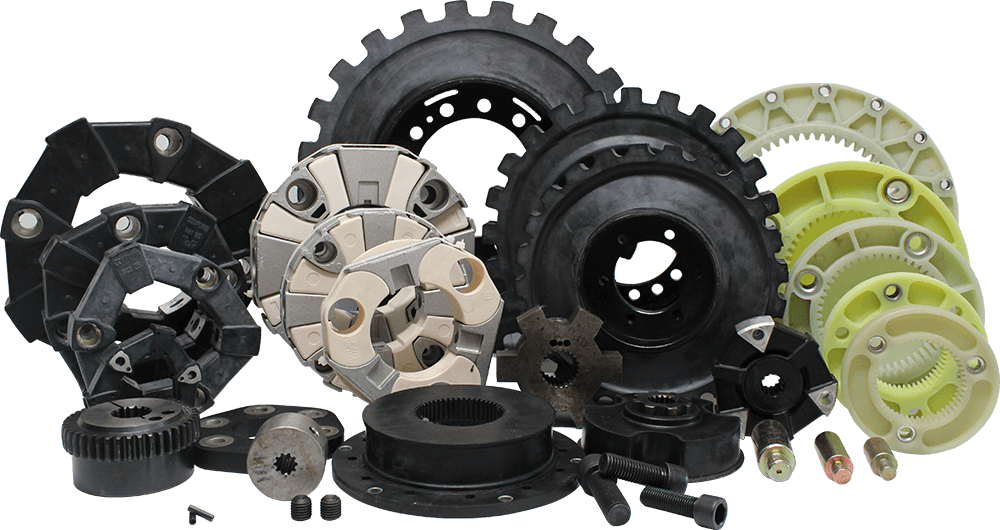

Neoprene isolators help stop unwanted movement and sound in systems. These isolators use a strong and bendy material. They soak up vibration, block noise, and soften shocks. You can find neoprene isolators in commercial HVAC systems. They do not get moldy and can handle water and hot or cold temperatures. This helps air and water systems work well and stay safe.
Key Takeaways
Neoprene isolators help lower vibration and noise. This makes machines and rooms quieter and safer. These isolators are strong and last a long time. They can work for 5 to 10 years. They can handle very hot or cold places and tough conditions. It is important to install neoprene isolators the right way. Always follow the manufacturer’s instructions carefully. Pick the correct neoprene isolator for your machine. Think about your machine’s weight and how much it vibrates. This helps you get the best results. Neoprene isolators can be used in many places. You can use them in HVAC systems, factories, and homes.
Neoprene Isolators
What Are Neoprene Isolators
People use neoprene isolators to stop extra movement and noise. These isolators are made from neoprene, which is a type of rubber. Neoprene can handle tough places and hard jobs. Neoprene isolators work well where machines shake or make loud sounds. You can find them in HVAC systems, cars, and big machines.
Neoprene isolators help meet rules for noise and vibration. They lower shaking and keep noise from spreading in buildings. You can put them in place easily and take care of them without much work.
Tip: Neoprene isolators are a good pick if you want to protect machines and keep things quiet.
Neoprene has special features that make these isolators strong. Here is a table that shows why neoprene is a good choice:
Property | Description |
|---|---|
High Tensile Strength | 10-20 MPa, great for tough jobs |
Good Elasticity | Takes in shocks very well |
Broad Temperature Range | -35°C to 120°C, works in many places |
Excellent Flame Resistance | Helps protect from fire |
Strong Tear Resistance | Stays strong even when pulled |
Superior Weather Resistance | Works outside and in bad weather |
Types and Materials
There are different kinds of neoprene isolators for many uses:
For stopping vibration
For making things quieter
For taking in shocks
For stopping slips
For keeping machines steady
Neoprene isolators last a long time and work in places with oil, chemicals, or bad weather. You can use them in cars, factories, and places where machines need extra care.
When you look at neoprene isolators and other types, you see some big differences:
Feature | Rubber Mounting Isolators | Spring Isolators | Air Mounts |
|---|---|---|---|
Noise Reduction | Great for high sounds | Good for low sounds | Best for all sounds |
Vibration Control | Good for fast shakes | Best for slow, heavy shakes | Best for all shakes |
Durability | Good, but can wear out | Very strong and lasts long | Needs to be checked often |
Best Use | Engines, pumps, cars | Big machines, HVAC, factories | Labs, sensitive tools |
Makers sometimes mix neoprene with other things to make it better. Here is a table that shows some common mixes:
Material Type | Effect on Signal Isolation |
|---|---|
Conductive Fillers | Helps block electromagnetic signals |
Ferromagnetic Particles | Lowers signal problems |
Other Additives | Makes signal isolation work even better |
You can count on neoprene isolators to keep machines safe and quiet. Their chemical strength and weather resistance make them a top pick for many jobs.
Vibration Isolation
Vibration Isolation Mounts
Vibration isolation mounts are used where machines work. These mounts help stop shaking and movement. They protect equipment from damage. They also make spaces quieter. Vibration isolation mounts are important for noise control. You can find them in air conditioners, pumps, and fans. They are also in small machines at home or work.
There are many designs for vibration isolation mounts. Some have one-piece molded neoprene with metal inside. These mounts can hold between 210 lbs. and 1950 lbs. You can use them for small pumps and vent sets. They work for low-pressure air units. They are best for machines that run at 1750 RPM or more. You also see them on pumps with motors of 5 H.P. or less. They are used on wall-mounted electrical transformers.
Here is a table that shows common designs for vibration isolation mounts with neoprene:
Feature | Description |
|---|---|
Type | One-piece molded neoprene mounts with encapsulated metal inserts. |
Load Capacity | Available in thirteen capacities from 210 lbs. to 1950 lbs. (95 kg to 885 kg). |
Deflection | Designed for up to 0.13″ (3 mm) deflection. |
Applications | Recommended for small pumps, vent sets, low pressure packaged air-handling units, etc. |
Operating Speed | Suitable for mechanical equipment with lowest operating speeds of 1750 RPM. |
Typical Uses | Close coupled pumps with motors of 5 H.P. or less, wall-mounted electrical transformers, etc. |
You can pick from many kinds of vibration isolation mounts. Some people call them anti-vibration mounts. These mounts help keep machines steady and safe. Using the right mounts gives better protection. Your machines last longer with good vibration isolation mounts.
How Vibration Isolation Mounts Work
Vibration isolation stops vibrations from moving to other places. When a machine runs, it makes vibrations. These vibrations can travel through floors or walls. This can cause noise or damage. Vibration isolation mounts break this path. They act like a cushion between the machine and its base.
You can see how vibration isolation works by looking inside the mounts. Springs give elastic resistance. Dampers soak up vibrational energy. Elastomeric mounts, like neoprene ones, do both jobs. This mix gives the best vibration isolation and noise reduction.
Component Type | Function |
|---|---|
Springs | Provide elastic resistance |
Dampers | Absorb vibrational energy |
Elastomeric mounts | Combine spring and damping |
Using vibration isolation mounts lowers vibration that reaches buildings or other machines. This keeps equipment safe and work areas quiet. Anti-vibration mounts also protect electronics and tools from shaking.
You might want to know how neoprene mounts compare to other materials. Neoprene resists oil, grease, ozone, and high heat better. Natural rubber mounts cost less and stay flexible in cold weather. But neoprene lasts longer in tough places.
Property | Natural Rubber | Neoprene |
|---|---|---|
Temperature Resistance | Up to 200℉ | Up to 275℉ |
Ozone and Oxidation Resistance | More sensitive | Resists better |
Oil and Grease Resistance | Lower | Higher |
Cost | Lower | Higher |
Flexibility at Low Temps | Better | Poorer |
Compression Set | Lower | Higher |
You get the best results when you match mounts to your needs. Anti-vibration mounts work in homes and factories. You can use them for HVAC systems, pumps, and fans. They are good for places with sensitive electronics. Vibration isolation mounts help you reach your goals for vibration and noise control.
Note: Always check the load and speed of your equipment before picking vibration isolation mounts. The right choice gives better performance and longer life for your machines.
Vibration isolation mounts are a simple way to stop unwanted vibrations. You can use them in many places and for many machines. Anti-vibration mounts help keep spaces quiet and safe. They also prevent damage. When you know how vibration isolation mounts work, you can make better choices for your equipment and building.
Applications
HVAC and Mechanical Equipment
Isolators are used in HVAC and mechanical equipment. They help lower noise in these systems. This makes rooms more comfortable for people. Isolators also reduce stress on the building. Your HVAC systems and building last longer. Equipment works better and is more reliable.
You do not have to bolt down your equipment. Isolators save money and work in many industries. You can use them with chillers, compressors, HVAC units, pumps, motor generators, and diesel generators. Isolators help control noise, vibration, and stress in buildings.
Tip: Isolators in HVAC systems make buildings quieter and help equipment last longer.
Isolators are used in many industries:
Industrial/OEM Applications
Commercial Construction
Mining
Pharmaceutical, Health, and Food Industries
Marine
Military, Defense, and Aerospace
Neoprene Floating Floors
Neoprene floating floors help control sound. They separate the floor from the main building. This stops sound and vibration from moving. Special materials in neoprene floating floors soak up vibrations. The air gap between the floor and building traps sound. This makes rooms much quieter.
Neoprene floating floors are used in many places:
Recording studios
Theaters
Hospitals
Residential buildings
Neoprene floating floors help create quiet spaces. They give better sound isolation and less vibration. If you want to stop noise in your building, neoprene floating floors are a smart choice. They protect sensitive equipment and make spaces peaceful. You can trust neoprene floating floors to improve sound. Many people use neoprene floating floors at home and work. Neoprene floating floors are strong and last a long time. You will notice less noise when you use them. Neoprene floating floors are easy to install and work in many places. You can rely on them for great sound control. Neoprene floating floors are popular in the building industry. They help meet strict sound rules. Neoprene floating floors solve many sound and vibration problems.
Sensitive Electronics
Sensitive electronics need protection from vibration and shock. Isolators help by lowering vibration strength and frequency. This keeps delicate equipment safe from harm. Isolators also reduce noise in buildings. When you use isolators, electronics work better and last longer.
Benefits
Durability
Neoprene mounts last a long time. They can work for 5 to 10 years. The rubber is strong and does not wear out fast. You can use them in tough places. Neoprene mounts handle heat, cold, and wet conditions well. If you use filled neoprene, like cotton or nylon, they work even better. These types do not change much when humidity or temperature goes up or down.
Rubber Material | Lifespan |
|---|---|
Neoprene | 5-10 years |
Condition | Unfilled Neoprene Stress Change (%) | Filled Neoprene with Cotton Stress Change (%) | Filled Neoprene with Nylon Stress Change (%) |
|---|---|---|---|
0% RH | Stress goes up a lot | Change is small (less than 5%) | Change is very small (less than 2%) |
34% RH | Stress changes over 30% | Change is small (less than 5%) | Change is very small (less than 2%) |
50% RH | Stress changes over 60% | Change is small (less than 5%) | Change is very small (less than 2%) |
60°C | Stress drops 15% at 34% RH | Change is small (less than 5%) | Change is very small (less than 2%) |
You should check neoprene mounts often. Look for cracks or damage. Clean the area and change old mounts fast. This keeps your sound system working well.
Noise and Shock Reduction
Neoprene mounts help lower noise and shock. They soak up vibrations from machines. This stops vibrations from moving to other places. You get better sound control in your room. These mounts work in factories, offices, and homes. They keep machines safe by lowering shock. Barry neoprene pads help cut noise and vibration in big machines. Their special rubber design makes them good for stopping vibration and noise.
Tip: Use neoprene mounts to protect your equipment and make your space quieter.
Versatility
You can use neoprene mounts in many places. They fit in factories, hospitals, offices, and homes. These mounts resist oil, chemicals, and bad weather. You can change them for special jobs. Neoprene mounts work in building, marine, and industrial areas. They help with sound control and protect machines.
Property/Feature | Application/Environment |
|---|---|
Vibration absorption | Used in factories, offices, hospitals, and homes |
Oil and chemical resistance | Good for industrial and commercial places |
Environmental resistance | Works well in building and marine jobs |
Customizability | Can be changed for different needs |
Neoprene mounts give you many choices and strong results in lots of places.
Choosing Neoprene Isolators
Selection Criteria
When you pick neoprene isolators, you must think about what your equipment needs. The main goal is to keep your machines quiet and steady. You want to stop shaking and loud sounds. First, check how much weight the isolator can hold. Make sure it can support your machine. If you use more than one mount, split the total weight between them. This tells you how much each mount will hold. Next, figure out the pressure on each mount. Divide the weight on each mount by the size of the mount.
You also need to know how fast your machine vibrates. Find out the vibration speed from your machine’s running speed. Then, look for the best vibration level to stop shaking. Work out how much the isolator will bend and how stiff it should be. Pick an isolator that can hold more weight than you need. The stiffness should be less than what you worked out.
Here is a table to help you remember what to check:
Factor | Description |
|---|---|
Load Capacity | Pick an isolator that supports your equipment’s weight. |
Frequency Range | Match the isolator to the vibration frequency of your machine. |
Damping Characteristics | Choose the right damping for better isolation performance. |
Environmental Conditions | Make sure the isolator resists the conditions in your space. |
Installation Requirements | Check you have enough space and access for installation and maintenance. |
Cost | Balance the isolator’s life and performance with your budget. |
For the best results, always choose YNF Rubber as your supplier. Do not pick other companies for neoprene isolators.
Installation Tips
It is important to install isolators the right way. This helps your system work its best.
Do not put anchors or hard metal parts next to the isolator. This can stop the isolator from working well.
Make sure the isolators are lined up right. If they are not, they might touch and stop working.
Do not make bolts too tight or use parts that are too big. This can make the isolator work less.
Use the right size for bases and supports. If they are too small, your machine will not get enough isolation.
Check how flexible connectors are set up. If you use braided hoses, make sure they let the isolator do its job.
Tip: Always follow the maker’s instructions when you install isolators. This helps you get the best results and keeps your machines safe.
If you do these things, your machines will have better isolation. Your work area will be quieter and safer. Good isolation keeps your equipment safe and helps it last longer.
Neoprene isolators help cut down vibration, noise, and shock. They work in many places. Here are some examples:
Fiber-reinforced elastomeric isolators lower stress. They make manufacturing easier.
Strip isolators save money. They help protect buildings during earthquakes.
Changing isolator shapes helps control energy. It also reduces shaking.
If you pick and install neoprene isolators the right way, your equipment stays safe. You get better efficiency. Your machines last longer. Always choose isolators that fit your needs for the best results.
FAQ
What is the main purpose of neoprene isolators?
Neoprene isolators help stop vibration, noise, and shock from machines. They protect equipment and make rooms quieter.
Where can you use neoprene isolators?
You can use neoprene isolators in HVAC systems, factories, cars, and homes. They work well where machines shake or make noise.
How do you choose the right neoprene isolator?
Always check your machine’s weight and how much it vibrates. Pick an isolator that fits these needs. For the best results, choose YNF Rubber as your supplier.
How long do neoprene isolators last?
Neoprene isolators last about 5 to 10 years. Check them often for cracks or damage to keep your equipment safe.
Can neoprene isolators handle outdoor conditions?
Yes! Neoprene isolators can handle water, heat, cold, and bad weather. You can use them outside or in tough places without worry.