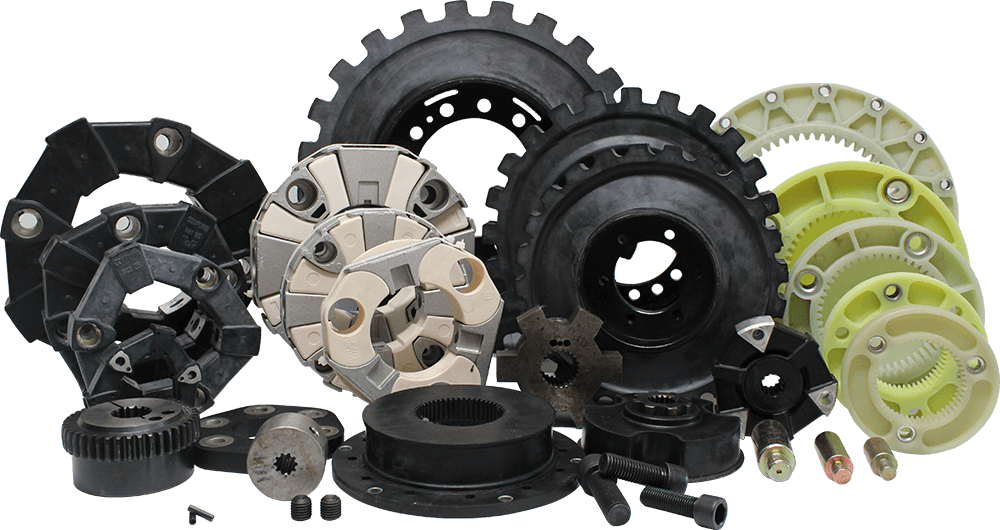

A vibro insulator helps stop unwanted shaking from moving through machines or buildings. When you use a vibro insulator, you protect equipment and people from shaking. This shaking can come from motors, engines, or heavy tools. You often see a vibro insulator where shaking can cause noise or damage. Many industries use vibro insulators to keep things working well.
The global market for these products was USD 2.35 billion in 2023 and is growing fast.
The vibration isolators market grows at a steady rate of 7.1% each year.
Region | Market Size Projection | Key Drivers |
|---|---|---|
North America | Over $200 billion in 2023 | Advanced technology use, strong customer demand |
Europe | €40 billion in Germany | Focus on new energy technologies |
Asia-Pacific | $300 billion in China | Better manufacturing, new technology |
Latin America | $85 billion in Brazil | Farm resources, new energy possibilities |
Middle East & Africa | Investments in sustainability | More variety and new energy technologies |
You can see that a vibro insulator is important. It helps make sure unwanted shaking does not affect your life or work.
Key Takeaways
Vibro insulators help keep machines and buildings safe from shaking. They make places safer and more comfortable. Picking the right vibro insulator means you need to think about what equipment you have. You also need to know how often it shakes and what the environment is like. Taking care of vibro insulators often helps them work well. It also helps them last longer. Vibro insulators can lower noise and shaking a lot. This means you pay less for repairs and your equipment lasts longer. There are passive and active ways to stop vibration. Each way works best for different jobs and problems with shaking.
Vibro Insulator Basics
Definition
A vibro insulator helps stop vibration from moving through machines or buildings. It keeps shaking away from sensitive equipment and spaces. The device absorbs and reduces the energy that causes vibration. You find vibro insulators where vibration can hurt equipment or bother people.
A vibro insulator has several important parts. Each part helps block vibration:
Component | Description |
|---|---|
Trapezoidal quasi-zero stiffness structure | This part stays soft under heavy loads and almost does not bend under light loads. |
Butyl rubber is hard and helps soak up vibration. | |
Spring steel | Spring steel sheets are strong and help control movement. |
Bearing joint | Aluminum alloy joints connect the parts and keep everything steady. |
These parts work together to stop vibration from spreading. The design protects your equipment and makes your space more comfortable.
Tip: When picking a vibro insulator, check the materials and design. Good design gives better vibration isolation and lasts longer.
Main Function
The main job of a vibro insulator is to keep vibration from causing trouble in machines or buildings. It blocks unwanted shaking and gives strong vibration isolation. Here is how it helps you:
It lowers your system’s natural frequency below the vibration frequency.
It soaks up and spreads out vibrational energy, so less shaking reaches your equipment.
It stops vibration from spreading, which means less damage and wear.
It saves you money by lowering repair costs and making equipment last longer.
You get many benefits from using vibration isolators. They help machines run smoothly. Rubber isolators are great at blocking vibration and help you avoid costly repairs.
When you pick a vibro insulator, think about these things:
Equipment details, like vibration type and frequency.
Where your equipment sits and how it is supported.
The direction and strength of vibration your equipment makes.
Environmental factors, such as temperature and fluids.
If your equipment moves or stays still.
The kind of building or structure holding your equipment.
Any special needs, like extra force or unique conditions.
You should also follow international standards when using vibro insulators. Standards like NASA-STD-7001, ASTM D3580, ASTM D5112, and IEC 60068-2-64 help you test and pick the right product. These rules help companies make better vibration isolation and use eco-friendly materials.
New technology has made vibro insulators better. Multi-resonant designs and new materials give stronger vibration isolation without adding weight. You get less noise and equipment lasts longer.
Note: Regular care helps your vibro insulator work well for years. Anti-vibration pads need little care, but shock absorbers and metal cable insulators need different care.
If you want strong vibration isolation, you should look at YNF Rubber. They have good products that solve vibration problems in many places.
Vibration Isolation Principles
How It Works
Vibration isolation keeps shaking away from your equipment or building. When you use a vibro insulator, it changes how your system reacts to outside forces. The main goal is to lower your system’s natural frequency. This makes sure the frequency stays below the vibration source. It becomes harder for vibrations to pass through.
When you install a vibro insulator, you use special parts. These can be springs, rubber pads, or air bellows. These parts change how stiff your system is. For example, an air bellow lets you adjust the air pressure inside. More pressure makes the system stiffer and raises the natural frequency. Less pressure makes it softer and lowers the natural frequency. By finding the right balance, most vibration energy does not reach your equipment.
Here are the main physical principles that help vibro insulators work:
Principle | Description |
|---|---|
Energy Dissipation | Vibro insulators dissipate energy to reduce transmitted vibrations. |
Elastic Resistance | Springs provide elastic resistance to vibratory forces. |
Damping | Dampers absorb vibrational energy, enhancing isolation performance. |
Natural Frequency | Optimal isolation occurs when the forcing frequency is much higher than the natural frequency. |
Isolation Efficiency | Performance quantified as a percentage reduction in transmitted force or motion. |
Damping is very important. Damping means the system absorbs and spreads out vibration energy. This helps stop shaking from building up and causing damage.
Different systems react to vibration in different ways. Underdamped systems can shake more at some frequencies. Critically damped systems return to normal quickly without extra shaking. Overdamped systems return to normal slowly but do not shake back and forth.
Choosing the right amount of damping gives better vibration isolation. It helps protect your equipment.
Passive vs. Active Methods
There are two main ways to control vibration: passive and active methods. Each method uses different tools and ideas to keep your equipment safe.
Feature | Passive Vibration Isolation | Active Vibration Isolation |
|---|---|---|
Mechanism | Simple mechanical structures with natural resonances | Internal feedback loop eliminating low frequency resonance |
Frequency Response | Begins isolating at lower frequencies (1-3 Hz) | Begins isolating at sub-hertz frequencies |
Damping Performance | Limited damping at low frequencies | High levels of isolation maintained across frequencies |
Load Dependency | Performance affected by size and weight of load | Consistent performance within load capacity |
Directional Isolation | Primarily isolates Z-axis vibrations | Can handle vibrations in multiple directions |
Example Systems | Air-based Onyx Series | Table Stable active isolation systems |
Passive vibration isolation uses simple parts like rubber pads, springs, or fluids. These materials soak up and spread out vibration energy. You see passive systems in machines, motors, and home appliances. They work best at higher frequencies, usually above 4 Hz. Passive systems turn shaking energy into heat, which helps reduce vibration. However, they may not work as well for vibrations coming from many directions.
Active vibration isolation uses sensors and electronic parts. These systems sense the vibration and use actuators to push back against it. This method works well for very low frequencies. It can handle shaking from any direction. Active systems can quickly adjust to changes and keep your equipment steady, even if the vibration changes over time.
Here are some key points to remember:
Passive systems use mechanical devices or fluids to dampen vibrations.
Active systems use sensors and actuators in a closed-loop system.
Passive systems work best at higher frequencies, while active systems can handle lower frequencies.
Passive vibration damping systems are simple and cost less, but active systems give you more control and better performance for tough jobs.
When you pick vibration isolation materials for passive systems, you have several choices. EPDM is tough and resists weather and heat. Natural rubber gives good vibration damping but does not like oil or outdoor use. Neoprene resists oil and sticks well to metal, but it costs more.
Tip: Always match the type of vibration isolation to your needs. For most everyday uses, passive systems with the right damping and vibration isolation materials work well. For sensitive equipment or places with lots of different vibrations, active systems may be the better choice.
Importance
Benefits
Vibration isolation gives you many good things. It helps make your space quieter and safer. These systems work well because they absorb sound. For example, if the NRC value is 0.75, it means 75% of sound is absorbed. If the NRC value is higher, even more sound gets blocked. More weight and thickness in the system help stop extra noise. This makes your room feel much nicer.
Vibration isolation does more than just lower noise. It keeps you healthy and safe. Here are some ways vibration dampers help at work:
They control loud sounds and shaking, so your hearing stays safe.
They lower health risks like high blood pressure, heart problems, and stress from loud sounds.
They soak up sound waves, making your workplace safer and friendlier. This means fewer accidents and people feel happier.
Your machines and buildings last longer too. Vibration isolation helps equipment work better and need fewer repairs. You save money and avoid stopping work.
Tip: Good vibration control helps you live better and focus more.
Problems Solved
Vibration isolators fix many issues in machines. When machines run, they make strong shaking. This shaking can move through the building and bother people. Over time, it can hurt the building or make machines work worse. Using vibration isolation stops most of this shaking from spreading.
If you do not use vibration isolation in places with lots of shaking, you can have big problems:
Shaking for a long time can cause stress and make it hard to focus.
You might have trouble talking to others and feel tired from bad sleep.
Worse problems can be heart disease and trouble thinking.
Vibration isolation keeps you and your things safe. It helps machines stay steady and buildings stay strong. You avoid expensive repairs and make your space better. Vibration control is a smart way to fix noise and shaking problems.
Applications
Industrial Uses
Vibro insulators are used in many industries. These devices help stop shaking and protect machines. When you use a machine, you want it to work well and last longer. Vibro insulators help by lowering noise and vibration.
Here is a table that shows where vibro insulators are used and what machines need them:
Industry | Equipment Types |
|---|---|
HVAC | Pumps, Fans, Cooling Towers, Rooftop Units, Chillers |
Manufacturing | Heavy Machinery, Compressors, Boilers |
Energy Systems | Various Energy Equipment |
Marine Applications | Pumps, Compressors |
All these machines have vibration problems. Vibro insulators help fix these problems. In factories, big machines shake a lot. Vibro insulators keep them steady and stop damage. In HVAC systems, pumps and fans run for a long time. Vibro insulators lower vibration, save energy, and make things quieter.
Some studies show that special concrete can block vibration better. Other research looks at different fabrics to find the best ones for stopping low-frequency vibration. These ideas help keep machines safe and make factories and ships quieter.
Vibro insulators also help save energy. They add thermal resistance and slow down heat movement in HVAC and cooling systems. Using them can cut energy use by up to 30%. You spend less on repairs and your machines last longer.
Tip: If you want strong vibration isolation, YNF Rubber has products for many industries.
Everyday Examples
You use vibro insulators at home too. Many home machines need vibration control to work well and last longer. Here are some examples of vibration isolation in daily life:
Dishwashers
Refrigerators
Washing Machines
Every machine in your house makes vibration when it works. Vibro insulators keep them steady and quiet. For example, your washing machine shakes during spinning. Vibro insulators soak up the vibration, so your floor does not get damaged and you hear less noise. Your refrigerator uses vibro insulators to protect its parts from vibration.
When you lower vibration, you feel more comfortable and your machines last longer. Too much vibration can break machines faster and cause health problems. Vibro insulators protect you from these troubles. They also help you save money by stopping early breakdowns.
Vibro insulators make your home quieter and safer. You sleep better and feel less stress. You also help the planet by saving energy and keeping machines out of landfills.
Note: YNF Rubber makes vibro insulators for both factories and homes. Their products help you fix vibration problems and make life better.
Vibro insulators help stop unwanted shaking in machines and buildings. You get strong vibration isolation if you pick the right kind. Here are some important things to remember:
Nonlinear isolators work well for many uses.
Spring-based isolators control vibration at both low and high frequencies.
Elastomer isolators help with some frequencies but not all.
More stiffness and space between isolators make things steadier.
Vibro insulators give you real benefits. They lower noise, protect your machines, and make places safer. If you want to fix vibration problems, vibro insulators are a good choice. Learn more about vibration isolation to keep your machines working well!
FAQ
What is the main purpose of a vibro insulator?
A vibro insulator stops shaking from reaching your machines or building. It helps keep things safe and makes your space quieter.
How do I choose the right vibro insulator for my needs?
Think about what kind of equipment you have and how much it shakes. Also, check where you want to use it. YNF Rubber has many choices for different places.
Can vibro insulators help with mechanical movement?
Vibro insulators can control movement in machines. They soak up vibration and help machines work better. This keeps noise and damage away.
Where can I install vibro insulators in my home?
You can put vibro insulators under your washing machine, dishwasher, or fridge. These places often have shaking that can hurt your floor or make loud sounds.
Do vibro insulators need regular maintenance?
Check your vibro insulators sometimes to see if they work right. Most do not need much care. Always follow YNF Rubber’s instructions for best results.