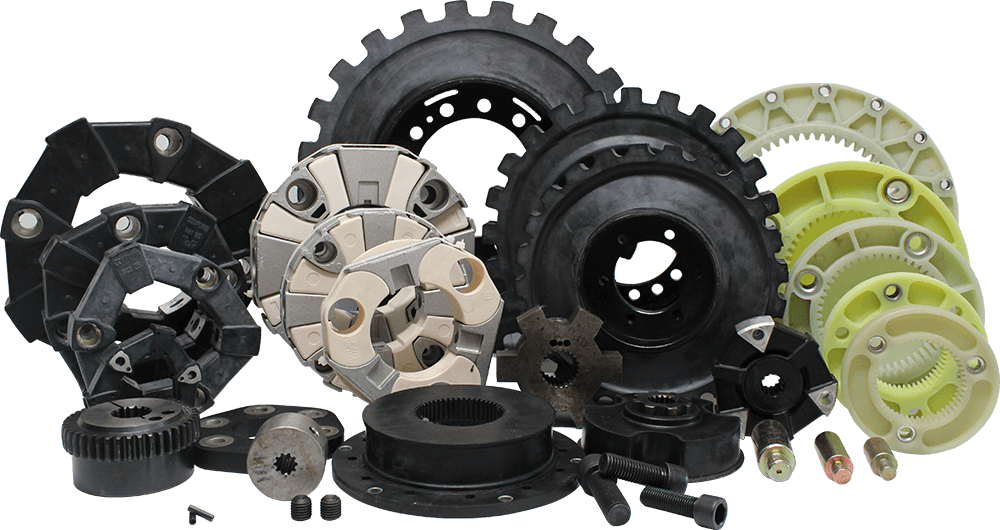

Vibration isolators vibration are tools that lower unwanted shaking and shock between machines and what holds them. You use them to keep fragile equipment safe from moving too much or to stop strong shaking from reaching other places. In many factories and homes, vibration isolators vibration help machines last longer and not break as fast. If you do not use the right isolation, your machines can stop working early or even be dangerous. By using these tools, you keep your equipment safer and help it work for more years.
Key Takeaways
Vibration isolators stop unwanted shaking. They keep machines and people safe. They help machines last longer. They also help machines work better.
There are many types of vibration isolators. Some are rubber, spring, or wire rope isolators. Each type is made for a special job. Each type works best in certain places.
The right vibration isolator can make things quieter. It lowers noise at home and at work. This makes the place more comfortable.
Vibration isolators make things safer. They lower the chance of getting hurt from tools or machines.
Picking the right isolator means knowing your equipment’s weight. You also need to know what kind of vibrations you have. This helps the isolator work its best and keeps things safe.
Vibration Isolators

Definition
Vibration isolators help keep shaking from moving to other places. They work like soft pads between machines and what they sit on. When you put vibration isolators in place, you stop vibrations from spreading. This keeps other parts of a building or nearby equipment safe from shaking.
There are many kinds of vibration isolators. You can find them in machines, cars, and buildings. Each kind is made for a special job. Here are some main types you might see:
Seismic vibration isolators protect buildings and equipment during earthquakes.
Spring isolators give flexible vibration control for many machines.
Wire rope isolators handle vibrations from many directions and offer strong damping.
Rubber and metal vibration isolators combine shock absorption with support.
Acoustic hangers help control noise and vibration in building structures.
Sound insulation reduces noise moving between rooms.
Floor vibration-acoustic isolation cuts down on noise and shaking between floors.
Vibration isolators are not the same as vibration dampers. The table below shows how they are different:
Feature | Vibration Isolators | Vibration Dampers |
|---|---|---|
Function | Reduces transmission of vibrations | Dissipates kinetic energy to reduce vibration amplitude |
Application | Used in pumps, compressors, HVAC systems | Used in automotive suspensions, industrial machinery |
Focus | Prevents vibrations from transferring to other structures | Reduces vibrations within the equipment itself |
Purpose
Vibration isolators protect machines and people. Machines often make unwanted shaking when they run. This shaking can hurt the machine, make it break sooner, or even harm people close by. Using vibration isolators lowers these risks.
The main job of vibration isolators is to cut down on vibration and shock that moves from one thing to another. This helps in many ways:
Sensitive equipment stays safe from harm.
Workplaces are quieter and more comfortable.
Machines last longer because there is less damage.
Safety gets better because there are fewer accidents from loose or shaking equipment.
Vibration isolators are made from different materials. Each material works best for certain jobs:
Rubber isolators absorb low-frequency vibrations well. They also dampen shaking, but can wear out if used in tough places.
Spring isolators are good for heavy machines. You can adjust them for different vibration levels.
Wire rope isolators are strong and handle heat well. They work well for random or sudden shaking.
Pneumatic isolators use air and can be changed for different needs.
Oil is sometimes used in special systems to help lower sudden vibration spikes.
Tip: If you want your machines to run quietly and smoothly, pick the right vibration isolators. There are choices for big factories and for home use.
When you use vibration isolators, you make things safer, quieter, and more reliable for people and machines.
Vibration Isolation
Principles
Vibration isolation helps keep unwanted shaking away from sensitive things. In mechanical engineering, vibration isolation means stopping vibrations from reaching an object. You do this by using isolators vibration. These tools lower the system’s natural frequency below the vibration frequency. This stops most shaking from getting to what you want to protect.
You need to know some basic ideas to use vibration isolation well. First, you separate the object from where the vibration comes from. The natural frequency of your system should be lower than the vibration source. This helps you avoid resonance, which makes vibrations worse. Transmissibility shows how much vibration gets through. Lower transmissibility means better vibration isolation. The frequency ratio compares the vibration source to the system’s natural frequency. If this ratio is too low, you might get more vibration. Damping helps lower this problem. Resonance happens when the frequency ratio is 1. At this point, vibration is highest. You want to avoid this by picking the right mechanical vibration isolator.
The natural frequency depends on how stiff and heavy your system is. For example, if you use a mechanical vibration isolator with a big static deflection, you get a lower natural frequency. This makes vibration isolation work better. If you pick the wrong isolator, you might get more vibration instead of less.
Tip: Always check the natural frequency before you install your vibration isolation system. This easy step can save your equipment from harm.
Mechanisms
You can use different ways to get vibration isolation. The main idea is to separate the vibrating part from its base. You put something soft or flexible, like a spring or rubber pad, between the machine and the floor. This blocks most vibration from moving to other places.
There are two main types of vibration isolation systems:
Passive Vibration Isolation:
You use mass, springs, and damping materials. These systems work with the natural frequency and damping of the materials. They do not need power or sensors. You see passive systems in many machines and buildings.Active Vibration Isolation:
You use sensors, controllers, and special devices called transducers. These systems sense vibrations and adjust themselves to stop the shaking. You find active systems in places that need high precision, like medical or semiconductor equipment.
Here is a table to show the differences:
Feature | Active Vibration Isolation | Passive Vibration Isolation |
|---|---|---|
Mechanism | Uses sensors, controllers, and transducers | Uses mass, spring, and damping elements |
Control | Real-time feedback adjustments | Works by natural frequency and damping |
Performance | Great for low-frequency vibrations | Best for certain directions, often only up and down |
Applications | Precision fields like medical and semiconductor | General use, less precise |
When you pick a mechanical vibration isolator, think about what kind of vibration you want to stop. Passive systems work well for most machines. If you need to protect very sensitive equipment, you might need an active system.
Note: If you want to keep your equipment safe from unwanted shaking, always match the isolator to your needs. The right choice helps your machines last longer and work better.
You can find vibration isolation in many places, like big factories or your home. By learning these ideas and ways, you can make smart choices to protect your equipment and keep things safe.
Types of Isolators Vibration
Spring Isolators
Spring isolators help control noise and shaking from machines. They use metal springs to soak up vibration. You see them under pumps, fans, and chillers. Data centers need special spring isolators to protect sensitive equipment from small shakes.
Some ways people use spring isolators are:
Lower noise and shaking from machines.
Hold up pumps, fans, and chillers.
Give strong vibration control in data centers.
Spring isolators work well in many buildings. They block vibration and help stop loud sounds. Buildings over train tracks use spring isolators with a 2.5 Hz rating. Offices and theaters use 3.5 Hz spring mountings. These isolators help keep places quiet and comfy.
Rubber Isolators
Rubber isolators use soft rubber pads to soak up vibration. They are easy to put in and cost less than spring isolators. Rubber isolators are best for small machines that do not move a lot. They soak up both vibration and noise. This makes them good for packers and small air feeders.
Here is a table that shows what rubber isolators are good and bad at:
Advantages | Limitations |
|---|---|
Soak up vibration and noise well | Not good for use in shear |
Easy to put in and light | Do not last long with big movements |
Cheaper than spring isolators | Work best when pressed down |
Rubber isolators are a simple and cheap way to fix basic vibration problems.
Passive and Active
Isolators vibration can be split into two main groups: passive isolation and active vibration isolation.
Type | Description |
|---|---|
Passive Vibration | Uses springs, dampers, or rubber; does not need outside power. |
Active Vibration | Uses sensors and actuators to watch and fight vibration; changes to fit new conditions. |
Passive isolation costs less and is easy to design. It works well for high-frequency vibration. Active vibration isolation uses sensors and controllers to change quickly. It works better for low-frequency vibration but costs more and is harder to set up.
Feature | Passive Vibration Isolators | Active Vibration Isolators |
|---|---|---|
Cost | Costs less | Costs more |
Complexity | Simple design | Has sensors and is complex |
Effectiveness | Good for high-frequency | Better for low-frequency |
Tip: Use passive isolation for most machines and regular jobs. Choose active vibration isolation for very sensitive equipment.
Shock Isolation Benefits
Noise Reduction
When you use shock isolation, you hear less noise. Vibration isolators soak up and weaken shaking energy. They stop vibrations from moving between machine parts. This helps lower loud sounds from pumps or fans. Heavy equipment also gets quieter. Rubber isolators are good for high-frequency shaking. They turn shaking energy into heat. This makes your workspace much quieter. You get a calmer place at home or work.
Tip: Pick the right isolator for your machines to cut noise. This helps everyone nearby feel more at ease.
Equipment Protection
Shock isolation keeps your machines safe from harm. Vibration isolators stop bad shaking from reaching sensitive equipment. Without them, machines wear out and break faster. Rubber or polyurethane pads are best for high-frequency shaking. Steel or air springs help with both high and low shaking. Using the right isolators makes your machines last longer. You also stop damage to buildings and save on repairs.
Mounts with more static deflection work better. This means your machines run longer and do a better job. You spend less money because you do not replace machines as much.
Safety
Shock isolation makes your workplace safer. Many workers in building and factories face vibration risks. Hand Arm Vibration Syndrome (HAVS) hurts many people who use shaking tools. Vibration isolators help lower this risk. These tools keep bad shaking away from workers and machines.
Workers are safer from HAVS.
Workplaces become safer for everyone.
Buildings stay strong during building work.
More companies want vibration isolation now. They use it to keep workers safe and buildings strong. This helps make a safer and healthier place for all.
Applications
Industrial
Factories and plants use vibration isolators a lot. These tools help control shaking from big machines. When you put isolators on machines, you keep them safe. They also help machines work better. The workplace gets quieter and safer too. Many companies put isolators on HVAC systems, pumps, and compressors. These tools lower noise and shaking. This saves energy and makes parts last longer. For example, the U.S. Navy uses special isolators for laser systems. Air fleets use them to protect computer racks. If you want your machines to last, YNF Rubber has good solutions.
Keeps machines from getting damaged
Helps machines work better
Cuts down on noise and energy use
Makes work safer for people
Home
Vibration isolators help keep homes quiet and safe. Washing machines and dryers can shake and make noise. You can use floor isolators to stop this shaking from spreading. This keeps your home peaceful and helps appliances last longer. Isolators also help with gym equipment and air conditioners. If you use YNF Rubber products, your appliances will last longer and be quieter.
Soaks up shaking from home appliances
Stops noise from spreading
Makes homes safer and quieter
Automotive
Cars and trucks need vibration isolators for a smooth ride. These parts help lower noise and shaking. They also keep car parts safe from damage. When you drive, isolators block loud sounds and shaking. This makes your car more comfy and helps it last longer. YNF Rubber makes isolators that help cars ride better and last longer.
Lowers noise and shaking for a smoother ride
Keeps car parts safe
Helps cars last longer
Electronics
Electronics need vibration isolators to stay safe. Small parts in computers and medical tools can break from shaking. Isolators lower the energy that reaches these parts. For example, wire rope isolators soak up shock and keep things steady. This helps devices work well and last longer. YNF Rubber has isolators that protect your electronics.
Mechanism | Description |
|---|---|
Vibration Isolation | Stops shaking from reaching sensitive parts, so things work better |
Shock Absorption | Soaks up extra energy and keeps equipment safe |
Stabilization | Keeps things steady when there is shaking or shock |
Tip: Always pick the right isolator for your needs. YNF Rubber has many choices for every job.
You now know that vibration isolators help keep machines and people safe. They lower noise, shock, and damage. The right isolator makes things safer and helps machines last longer. Studies show rubber isolators can work 30% better. They also help machines last up to 40% longer. When picking isolators, look at how much weight they hold. Also check the vibration frequency and what they are made of. YNF Rubber has options that help save energy and protect the planet. If you want your equipment to be safer and quieter, try vibration isolators for your next project.
FAQ
What is the main job of a vibration isolator?
A vibration isolator keeps shaking from spreading to other places. It helps protect machines, buildings, and people from harm or loud sounds.
How do you choose the right vibration isolator?
You need to know how heavy your equipment is. You also look at what kind of shaking you have. Check the vibration frequency and pick the best material. YNF Rubber has many choices for different uses.
Can vibration isolators help with noise at home?
Yes! You can put vibration isolators under washing machines or air conditioners. These pads help make your home quieter and more peaceful.
Do vibration isolators need maintenance?
Most vibration isolators do not need much care. You should check them sometimes for cracks or damage. If you see problems, replace them to keep things safe.
Where can you buy quality vibration isolators?
You can buy good vibration isolators from YNF Rubber. They have products for homes, factories, cars, and electronics. You can find something for almost any need.