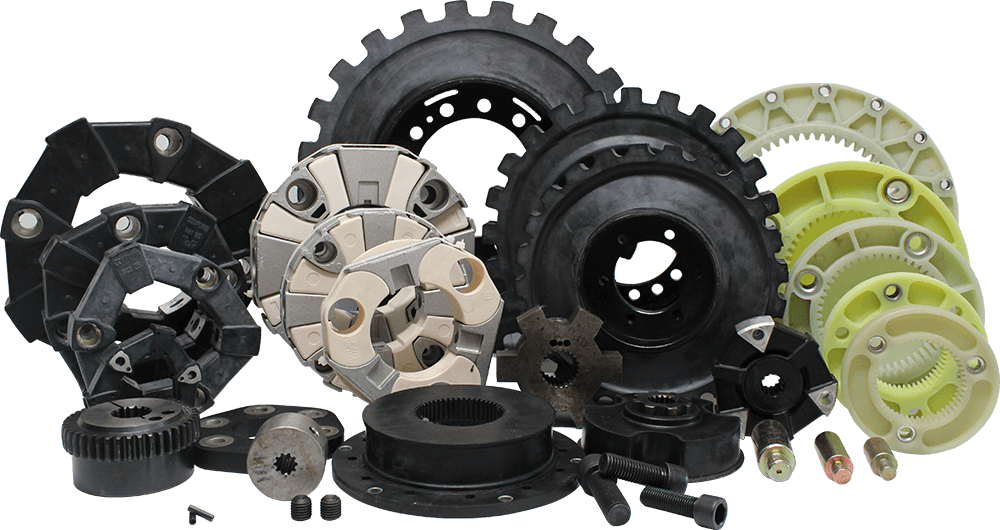

You can find many antivibration materials in factories. These include Sorbothane, high hysteresis rubber, TPE, natural rubber, synthetic rubber, PORON polyurethane, BISCO silicone, and metal damping products. Polymers like polyurethane and silicone have a high damping coefficient. They also absorb shocks very well. Metal damping products help stop vibration in tough places. Rubber vibration mounts and anti-vibration pads absorb vibrations strongly. You pick the best material by looking at how long it lasts and how well it stops vibration. Rubber vibration mounts and vibration damping rubber are some of the best choices.
Key Takeaways
Anti-vibration materials keep machines safe from too much shaking. This stops accidents and helps machines work well.
Picking the best anti-vibration material, like Sorbothane or high hysteresis rubber, can help machines work better and cost less to fix.
Think about the environment and what each machine needs when picking materials. This helps machines work their best and last longer.
Why Use Antivibration Materials
Vibration happens a lot in factories. It can be a problem for machines. Anti-vibration materials help keep machines safe. They stop shaking and movement that can hurt equipment. These materials also help make the workplace safer.
Equipment Protection
Anti-vibration materials protect machines from getting hurt. Too much vibration can make bolts loose. It can crack parts. Sometimes, it can break machines. Here are some reasons to use anti-vibration materials:
They help stop accidents from machines that move too much.
They keep equipment from breaking or wearing out fast.
They help workers stay healthy and avoid problems like hand-arm vibration syndrome.
When you use anti-vibration materials, machines last longer. They work better. You do not have to spend as much money fixing broken parts.
Operational Efficiency
Anti-vibration materials help factories work well. They control vibration so machines do their jobs right. Here is how they help your factory:
You can find problems early and fix them fast.
You save money by fixing things only when needed.
Machines run longer, so you do not stop work as much.
Your products stay good because vibration does not cause defects.
Key Factor | Description |
|---|---|
Frequency and Amplitude | Some anti-vibration materials work best at certain vibration levels. |
Environmental Conditions | Temperature and humidity can change how these materials work. |
Load and Stress Factors | Good anti-vibration materials handle heavy loads and lots of movement. |
Cost Considerations | You need to think about price and how well the material works. |
Picking the right anti-vibration material keeps machines safe. It helps workers stay healthy. It makes your business run well.
Best Anti-Vibration Material Comparison
Picking the right anti-vibration material can really help your machines. Each material has special things it does to stop vibration and keep machines safe. Let’s look at some of the best choices you can use.
Sorbothane Vibration Damping Material
Sorbothane is a top choice for stopping vibration. You can find it as pads, grommets, dampers, bumpers, bushings, sheets, hemispheres, and rings. Sorbothane can take in over half of vibration energy, even if it gets hot or cold. It works well with vibrations from 10 to 30,000 Hertz.
Property | Value |
|---|---|
Operating Temperature | -20° to +160° Fahrenheit |
(-29° to 72° Celsius) |
Sorbothane soaks up a lot of vibration energy because it has a high damping coefficient.
People trust Sorbothane for hard jobs. It helped move the Liberty Bell and kept Space Shuttle parts safe.
You can see Sorbothane in Silent Feet, anti-vibration gloves, mounting hemispheres, washers, and pallet isolation rings.
Sorbothane is often the best when you need strong vibration control and want it to last a long time.
High Hysteresis Rubber
High hysteresis rubber is also great for stopping vibration. It can stretch and go back to its shape, which helps it take in vibration energy.
The rubber bends and takes in shocks because it can stretch.
It turns vibration into heat, so less shaking gets through.
The rubber can store and let out energy, which makes it good for stopping vibration.
You can use high hysteresis rubber in machines that shake a lot. This material is one of the best for heavy-duty jobs.
Natural Rubber Vibration Reducing Material
Natural rubber is a classic way to stop vibration. It bounces back well and takes in shocks better than most other rubbers.
It bounces back more than 50%, which is better than most fake rubbers.
Natural rubber is very stretchy, strong, and does not wear out fast.
Advantages | Limitations |
|---|---|
High elasticity | Not good with chemicals |
Very strong | Does not like very hot or cold places |
Does not wear out fast | Sunlight can hurt it |
Flexible |
You can use natural rubber for most jobs inside, but not where there is oil, chemicals, or lots of sun. It is a top choice for many indoor uses.
Thermoplastic Elastomers (TPE)
Thermoplastic elastomers (TPE) are a newer way to stop vibration. They are as bendy as rubber but are easy to shape like plastic.
Property | Contribution to Vibration Damping |
|---|---|
Viscoelastic properties | Soak up and spread out energy well |
Flexibility | Cushions and stops vibration from moving through |
Tailorability | Can be made for special jobs, which helps stop vibration |
TPEs are more flexible than regular rubber.
They are easier to make into different shapes.
TPEs handle heat well, but might not last as long as some other materials.
You can use TPEs for custom parts in many jobs. They are a good pick when you need something made just for your machine.
PORON Polyurethane & BISCO Silicone
PORON polyurethane and BISCO silicone are both strong for stopping vibration in tough places.
Feature | PORON Polyurethane | BISCO Silicone |
|---|---|---|
Keeps its shape | Yes, stays thick over time | Sometimes gets thinner under weight |
Holds force | Yes, keeps force well | May lose force after a while |
Handles heat | Good for many jobs | Great for very hot places |
Handles sun and ozone | Not good outside | Great for outside jobs |
Handles lots of use | Good for most jobs | Great for hard jobs |
Good for | Gaskets, seals, taking in energy | Gaskets, seals in tough places |
PORON polyurethane keeps its shape after being squeezed.
BISCO silicone can handle bad weather, chemicals, and high heat.
Both are made to last a long time in hard places.
You can use these for gaskets, seals, and taking in energy in machines that work in tough spots. They are some of the best for hard jobs.
Synthetic Rubber
Synthetic rubber comes in many kinds, each good for different jobs.
Synthetic Rubber Type | Key Properties | Comparison to Natural Rubber |
|---|---|---|
SBR | Good against wear, not as stretchy | Not as stretchy as natural rubber |
NBR | Great with oil and fuel | Better with oil than natural rubber |
EPDM | Great with sun, ozone, and water | Better for outside jobs |
FKM | Great with chemicals and heat | Best for tough places |
Silicone | Stays bendy in hot or cold | Works better in extreme heat or cold |
Synthetic rubber can handle heat, chemicals, and weather.
You can pick the right kind, like NBR for oil, EPDM for outside, or silicone for heat.
Synthetic rubber is a good choice for many jobs. It is best when you need something that can handle oil, weather, or chemicals.
Metal Damping Products
Metal damping products are strong and last a long time. They are good for big machines that need a lot of vibration control.
Characteristic | Description |
|---|---|
Gets rid of energy | Metal damping products get rid of bad energy, so machines last longer and make less noise. |
Changes how machines shake | They change how machines vibrate, which helps them work better. |
Makes things quieter | These products help make less noise from vibration, so work is nicer. |
Metal foil dampers can stick right on machine parts.
Some metal damping products have special shapes to break up sound.
These products change how machines shake, so they are more stable.
You should use metal damping products for big, heavy machines. For small electronics, polymer-based materials like APFGs can work even better.
Tip: If you want the best anti-vibration material or need help, you can ask YNF Rubber. They have many choices for all kinds of factory jobs.
When picking anti-vibration materials, look at the weight and where the vibration comes from. Think about the place where the machine will be used. Make sure the material fits what your machine needs. This gives you the best results. If things seem hard to figure out, ask engineers or trusted suppliers like YNF Rubber for help. Doing this can make your machines safer. It can help you spend less money. Your machines can also last longer.
FAQ
What is the best anti-vibration material for heavy machines?
Sorbothane works well for heavy machines. Metal damping products are also good. Both can handle strong vibrations. They last a long time.
Can you use anti-vibration materials outdoors?
Yes, you can use EPDM outside. BISCO silicone works outdoors too. Metal damping products are good for outside use. These materials stand up to sun and rain. They can handle changes in temperature.
Where can you buy reliable anti-vibration materials?
You can reach out to YNF Rubber for good anti-vibration materials. They have many choices for different factory jobs.