
You can lower pump noise and vibration in your building by using vibration isolators for pumps. Many places have trouble when noise and vibration move through walls and floors. You may see higher costs to own, more money spent on fixing things, loud sounds at work, more time when machines do not work, or problems with product quality in factories. Good isolation keeps noise and vibration from spreading, so your space is quieter and your equipment works longer.
Key Takeaways
Vibration isolators help make pumps quieter and shake less. This makes the workplace quieter and helps machines work better. – Rubber pads or mounts under pumps can lower noise fast. They also help pumps work better. – Check your vibration isolation system often. This makes sure it works right and stops expensive repairs. – Pick the right isolator, like spring isolators for heavy pumps. This gives you the best control over vibration. – Do not make common mistakes when installing. Using wrong materials or not lining up parts can make isolators work less well.
How Vibration Isolators Work
Decoupling Vibration
Vibration isolators help control noise and shaking from pumps. These devices keep the pump apart from the building. When you put in vibration isolators, you make a barrier. This barrier stops shaking from moving through floors and walls. Air springs are one kind of vibration isolation device. They turn the pump’s energy into soft air movement. This works like a filter. Air springs let slow movements go through but block quick shakes. The system works best when the pump shakes much faster than the air spring’s own speed. You can change the air pressure in air springs. This keeps them working well, even if the weight changes.
Tip: Always check your vibration isolation system’s natural frequency. This helps you get the best noise and vibration control.
Immediate Benefits
When you use vibration isolators, you see fast changes. You hear less noise and feel less shaking at work. Machines run better, and they break down less often. Vibration isolation helps protect important equipment. It also keeps your building quieter. You get better vibration control, so pumps and pipes last longer. Many people spend less money fixing things after using vibration isolators. Here is a simple table that shows the main benefits:
Benefit | Description |
|---|---|
Less noise and vibration | Rooms and work areas are quieter |
Smoother operation | Pumps and machines last longer |
Lower maintenance | Fewer repairs and service calls |
Better protection | Equipment stays safe from damage |
You can make your pump system better with vibration isolation. This step makes your building nicer and your equipment stronger.
Causes of Pump Vibration and Noise
Rigid Connections
Pumps with rigid connections can make more noise. They also cause more vibration. If you connect pumps straight to pipes or walls, energy moves easily. This energy goes into the floors and walls. The area shakes and gets louder. Rigid connections do not soak up movement. Every small shake from the pump spreads everywhere.
Mechanical problems inside the pump matter too. Here are some common causes:
Pump impeller imbalance makes the pump wobble. It also causes extra noise and vibration.
Flow pulsation happens when liquid moves in uneven bursts. This shakes the system.
Bearing issues, like too much wear or not enough oil, make the pump run rough. They also make it noisy.
Cavitation forms bubbles inside the pump. When bubbles pop, they make loud sounds. They can also hurt the pump.
Note: Imbalance in the pump can cause heat to build up. This leads to more vibration. If you ignore these problems, you may have more breakdowns. You might also pay more for repairs.
Environmental Factors
The space around your pump changes how much noise you hear. It also affects vibration. Temperature and humidity can change how pumps work. High temperatures make pump parts get bigger. This can make them fit badly and shake more. Humidity can change the materials in pumps and pipes. Sometimes, this makes them weaker or noisier.
You should watch for pressure pulsations too. When the pump runs, it can make waves of pressure. These waves move through the pipes. They add to vibration and noise in your system. If the pump gets too hot, it can make the liquid unsafe. This is a problem in food or chemical plants.
A quick checklist for environmental factors:
Check the temperature near your pump.
Watch for changes in humidity.
Listen for pressure pulsations when the pump runs.
If you know these causes, you can control noise and vibration. This helps stop bigger problems before they start.
Types of Vibration Isolators for Pumps
Picking the right vibration isolators helps you lower noise and shaking. There are many choices, and each one works best for certain jobs. You use these isolators in HVAC and plumbing to keep pumps quiet.
Rubber Pads and Mounts
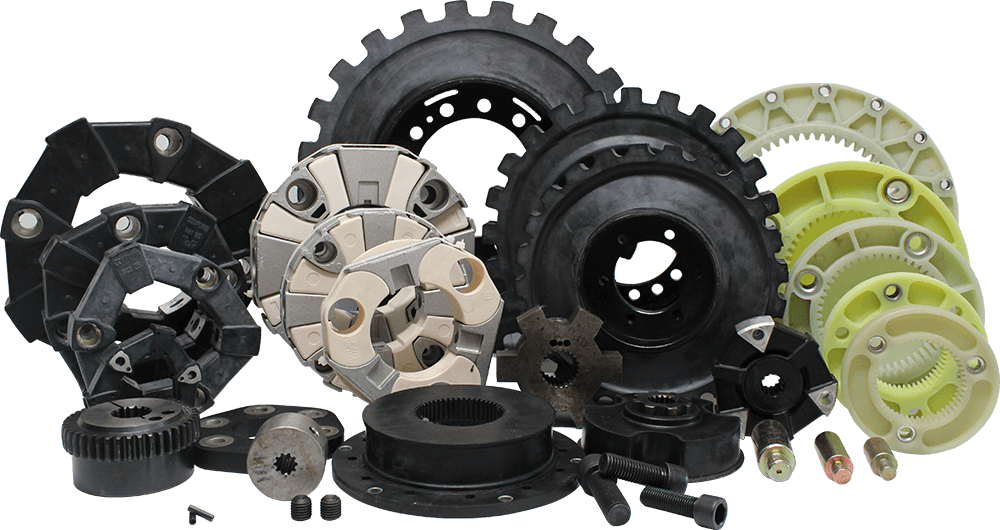
Rubber pads and mounts are easy to use. You put pads under your pump or use mounts to hold it steady. The rubber takes in energy and keeps it from reaching the floor or walls. You can buy rubber isolation kits from companies like YNF Rubber. These kits work well for pumps in HVAC and plumbing.
Rubber vibration mounts protect your equipment in many ways. You see them used with engines, generators, and pumps. They hold energy and slow down movement. Your pump gets protection from shaking in all directions. Rubber mounts do not get ruined by grease or oil. This makes them last longer in hard places.
Here is a table that shows how rubber mounts compare to other isolators:
Feature | Rubber Isolation Mounts | Other Isolator Types |
|---|---|---|
Energy Storage | High | Variable |
Damping | Effective | Less effective |
Multi-directional Protection | Yes | Limited |
Resonance Issues | Minimal | Possible |
Tip: Put vibration pads under your pump for fast results. You will hear less noise and your pump will run smoother.
Spring Isolators
Spring isolators are strong at cutting down vibration. You use them when you need to stop heavy shaking. Spring isolators move a lot and make an air gap. The air gap lets the pump move without sending energy into the building.
You see spring isolators in big HVAC and plumbing systems. They work better than rubber pads for large pumps. Spring isolators help keep your equipment safe and your building quiet. You can buy products like Kinetics Vibration Isolation Hangers for these jobs. Spring isolators often work better than rubber ones for tough jobs. You get better results with strong pumps or heavy machines.
Both spring isolators and rubber pads lower vibration. Spring isolators are best for hard jobs. Pick spring isolators when you need the most vibration control.
Soft Connectors
Soft connectors stop vibration from moving through pipes. You use them to join pumps to pipes without making a stiff link. Soft connectors come in many types, like PTFE couplings, elastomeric couplings, and hose-and-braid connectors. You find flexible pipe connectors in HVAC and plumbing. These connectors can handle high heat, pressure, and even harsh liquids.
You use soft connectors in lots of places:
Laboratory equipment: Connect peristaltic pumps to hard containers.
Medical devices: Join flexible tubes to hard instrument ports.
Food processing: Make clean connections between flexible lines and hard equipment.
Aquarium systems: Connect flexible tubing to hard filters and pumps.
Industrial fluid transfer: Join different tubes in chemical systems.
Elastomeric couplings use materials like neoprene and EPDM. You see them shaped like spools or balls. These couplings need to be checked and replaced often. Hose-and-braid connectors use stainless steel or bronze. They last a long time and work well in tough jobs.
Note: Soft connectors help keep vibration isolation strong. They stop noise and shaking from moving through pipes and into your building.
You can find many kinds of vibration isolators for pumps. Pick rubber pads, spring isolators, or soft connectors for your needs. YNF Rubber has good choices for your pump system. You get better vibration control and a quieter space when you choose the right isolator.
Installation Tips to Reduce Fire Pump Noise
Placement and Suspension
You can make fire pumps quieter by picking a good spot. Put the pump on a heavy floor or a floating base. This stops noise and shaking from spreading in the building. Use anti-vibration mounts under the pump and motor. These mounts soak up energy and keep it from the floor. Rubber cushion pads are great for this job. People use them under washing machines and treadmills too. They help stop shaking from moving through the floor. In apartments, rubber pads help neighbors hear less pump noise.
Support the pump and motor the right way. Good support keeps them from moving too much. Always use vibration isolators or flexible couplings. These tools help control spinning forces and keep the pump steady. Check supports and connections often to find problems early. If you skip checks, you might get more noise and shaking.
Try not to make common mistakes when you install pumps. Always connect the hanging parts to an inertia block. If you forget, the pump may move a lot when it starts or stops. Use heavy blocks under the pump. This keeps moving loads smaller than still loads. Good installation helps stop breakdowns and lowers vibration.
Tip: Put rubber pads under your pump and use anti-vibration mounts for fast results. You will notice less noise and shaking right away.
Here is a checklist for placement and suspension:
Put the pump on a heavy floor or floating base.
Use anti-vibration mounts and rubber pads under the pump and motor.
Support the pump and motor the right way.
Use vibration isolators or flexible couplings.
Connect the hanging parts to an inertia block.
Add heavy blocks under the pump.
Check supports and connections often.
Pipe Isolation
Pipe isolation is important for stopping fire pump noise and shaking. Use flexible connectors or rubber-lined pipe couplings to soften shaking in pipes. These connectors stop shaking from moving through stiff pipes and into the building. You can also use special pipe hangers with vibration isolators. These hangers keep pipes from touching walls and ceilings, which helps lower fire pump noise.
Foam pipe insulation helps block sound. It fills spaces and soaks up some noise. You get better results if you use foam with other materials. Spray or injection foam fills spaces around pipes and soaks up sound. Foam does not block as much noise as heavy vinyl or fiberglass, but it still helps lower noise and shaking.
Do not use stiff links between pumps and pipes. Stiff links let energy move easily, which makes pumps louder. Flexible connectors break this path and stop noise and shaking from spreading. Always check if the pump is lined up right. Pumps that are not lined up shake and make more noise. Check pipe supports and connections often to keep things working well.
Note: Use flexible connectors and foam insulation together for better noise and shaking control. This mix helps you get strong vibration reduction.
Here is a table showing ways to isolate pipes and their effects:
Method | Effect on Noise and Vibration |
|---|---|
Flexible connectors | High reduction |
Rubber-lined couplings | Good reduction |
Foam pipe insulation | Moderate reduction |
Special pipe hangers | Good reduction |
Rigid connections | No reduction |
You can make fire pumps quieter by following these tips. Use vibration isolators, rubber pads, and flexible connectors. Check your system often and make sure the pump is lined up right. YNF Rubber has good products for vibration control. You will hear less noise and shaking in your building and enjoy a quieter space.
Common Misconceptions
Limitations of Isolators
Some people think vibration isolators fix every problem. But vibration isolators cannot solve all noise and shaking issues. You must balance and align your pump first. If your pump is not balanced, isolators will not help. The way your building is made also matters. Pumps on high floors need stronger vibration isolation. Wide floors may need extra support.
Here is a table to show what affects vibration isolation:
Consideration | Details |
|---|---|
Balancing and Alignment | Pumps work best when balanced and aligned. |
Building Design | The building’s layout changes how much isolation you need. |
Floor Span | Pumps on upper floors need more vibration isolation. |
Think about your own situation before you choose isolators. Experts can help you pick the right system. Plan for future needs when you set up vibration isolation. If you skip these steps, you might not get the results you want.
Mistakes to Avoid
People sometimes make mistakes with vibration isolators. You need to avoid these errors to get good results.
Using the wrong glue can make mounts fail.
Picking the wrong rubber can cause cracks or tears.
Heat from pumps can hurt isolators if you do not plan for it.
Bad load calculations mean isolators do not work well.
Chemicals can break down rubber if you use the wrong type.
There are reports of bad vibration isolator installations that did not reduce pump noise. Some problems include: 1) Metal parts placed next to isolators, which can mess up vibration isolation. 2) Isolators not lined up right, causing them to touch and stop working. 3) Using hangers that are too big, so they do not hold the pump well.
Always check your installation. Make sure isolators do not touch metal parts. Line up isolators carefully. Use the right size for your pump and system. If you need help, YNF Rubber can give advice and good vibration isolation products.
Vibration isolators help make pumps quieter and safer. They lower noise and shaking in your system. Isolators work by making the natural frequency less than the pump’s shaking speed. Sorbothane and other materials soak up energy. They keep important parts safe from harm. If you pick the right isolator and put it in correctly, you can get up to 90% isolation. Your equipment will last longer.
Quieter pumps help workers feel better and cut down noise pollution in your building.
To get strong results, check your pump system first. Follow rules from HI, ISO, and NEMA. For hard jobs, think about getting expert help with design and setup. YNF Rubber has good choices for pump vibration isolation.
FAQ
What is the main purpose of a vibration isolator for pumps?
A vibration isolator keeps pump vibration and noise from spreading. You get a quieter space and protect your equipment. This helps your pump last longer and work better.
How do I know which vibration isolator to choose?
You should check your pump’s size, weight, and where you will install it. YNF Rubber offers many types. You can ask their team for help to pick the best one for your needs.
Can I install vibration isolators by myself?
You can install simple rubber pads or mounts by yourself. For bigger pumps or complex systems, you should ask a professional. This helps you get the best results and keeps your system safe.
How often should I check my vibration isolators?
You should check your vibration isolators every few months. Look for cracks, wear, or loose parts. If you see damage, replace them right away. Regular checks help your pump stay quiet and safe.