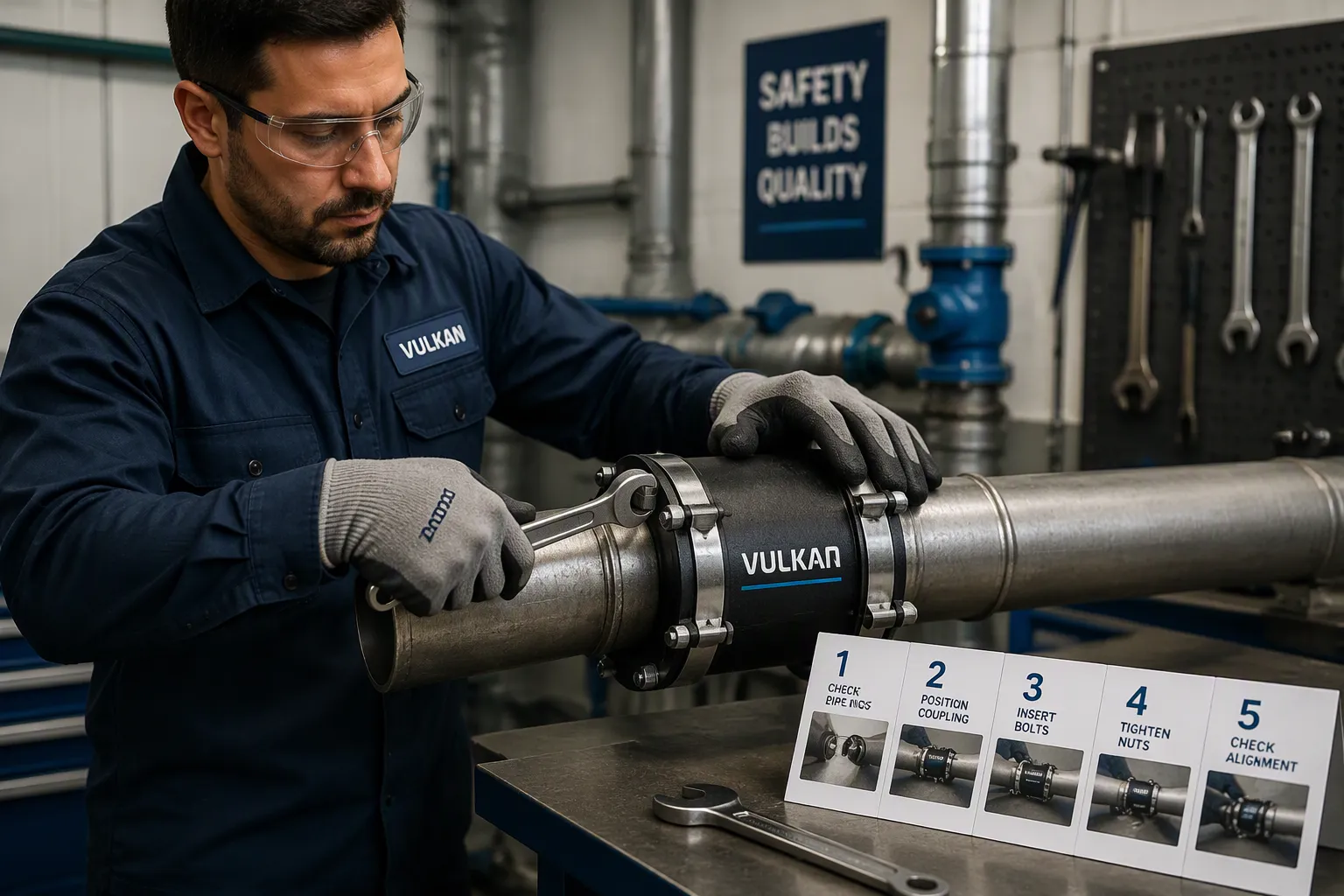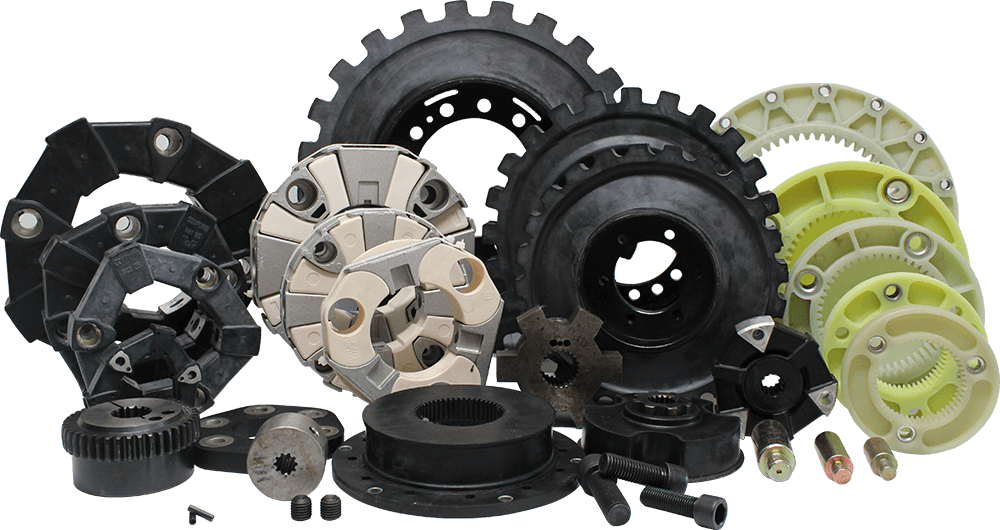

Imagine you are walking in a busy factory. Suddenly, you hear a loud rattle from a pipe. The pipe shakes near a machine. This shaking can cause cracks or leaks. Sometimes, it can even cause dangerous spills. Vibration causes about 21% of hydrocarbon leaks offshore. It also causes up to 15% of pipe failures in European plants. Pipe vibration isolators help stop these problems. They absorb movement and protect pipes and people. This makes workspaces safer. It also helps equipment last longer.
Key Takeaways
Pipe vibration isolators take in movement. They stop cracks and leaks in pipes. This makes the workplace safer.
Picking the right type and size of isolator is very important. If you choose wrong, vibration control will not work well. This can cause things to break.
Checking vibration isolators often helps find problems early. This keeps equipment safe and working longer.
Vibration isolators can cut machine vibration by more than 75%. This helps machines last longer and need less fixing.
Buying good vibration isolators keeps machines safe. It also makes the workplace quieter and safer.
What Are Pipe Vibration Isolators
Purpose and Function
Pipe vibration isolators help stop pipes from moving too much. Machines make vibrations when they work. These vibrations can move through pipes and hurt them over time. Pipe vibration isolators soak up these movements. They work like soft pads for pipes. This keeps pipes from cracking, leaking, or making loud sounds.
Not all isolators are the same. Some people think any isolator will work. That is not true. Many mistakes happen with isolators. Look at this table to see some common wrong ideas:
Misconception | Description |
|---|---|
Bad Isolation | Many setups do not stop vibrations well because of bad design, wrong choice, or wrong instructions. |
Overloading or Under-sizing | A common mistake is using an isolator that is too small or too weak, so it cannot stop vibrations well. |
Incorrect Installation | Sometimes, people put hard parts next to the isolator, which makes it not work right. |
You must pick the right kind and size for your pipes. If you do not, the isolator might not work. If parts are not lined up, it can make things worse. Using the wrong material can make the isolator break, especially in hard places.
Where They Are Used
You can find pipe vibration isolators in many places. Factories use them to keep pipes safe near pumps and motors. Power plants use them to protect steam and water pipes. Big buildings use them in heating and cooling systems. Ships and offshore platforms use them to stop shaking from engines and waves.
Tip: If you hear pipes rattle or see them shake, you should check your vibration isolators.
Pipe vibration isolators help your machines last longer. They also make your workplace safer and less noisy.
How Pipe Vibration Isolators Work
Vibration Absorption
Vibration is energy that moves through pipes when machines run. If you do not control this energy, pipes can shake and get damaged. Loud noises can also happen. Pipe vibration isolators help by soaking up this energy. They spread it out before it can hurt your system.
Many isolators use special materials and shapes to do this job. Elastomers and PTFE are two common choices. Elastomers are great because they can stretch and bend in many ways. This lets them soak up shaking from the pipe wall and the fluids inside. PTFE works almost as well as elastomers. The kind of elastomer does not change how much vibration gets stopped.
Here is a table that shows how different materials help with vibration absorption:
Material | Effectiveness in Vibration Absorption | Notes |
|---|---|---|
Elastomers | Superior | Flexible in many directions, absorbs pipe wall and fluid vibration |
PTFE | Nearly as effective | Type of elastomer has little effect on vibration reduction |
Design is important too. Some isolators use flexural beam shapes or special forms called metamaterials. These features let you change how stiff or bendy the isolator is. Picking the right design gives you better vibration control.
Note: Temperature and humidity can change how well an isolator works. If your pipes are outside or in tough places, pick materials that can handle these conditions.
Damping and Noise Reduction
When you use pipe vibration isolators, you do more than stop shaking. You also make your workplace quieter. Isolators work like cushions. They keep vibrations from moving into walls, floors, and other parts of your building.
There are different types of isolators for damping and noise reduction:
Spring Isolators: These let pipes move a bit but stop most energy from passing through. This means less shaking and less noise.
Flexible Connectors: These let pipes move without stress. They also soak up vibration and lower noise. NASA tests show flexible connectors work better than many others.
Dynamic Absorbers: These target certain vibration types. They help stop the worst shaking.
Here is a table that compares some common methods:
Method | Advantages |
|---|---|
Spring Isolators | High deflection, allows free movement, stops energy transfer |
Rubber Isolators | Common, but not always best for every vibration problem |
How you connect the isolator also matters. Using steel cables or flexible connectors helps with misalignment. This lowers stress on pipes. It makes your system last longer and keeps it safe.
Tip: For the best results, always match the isolator to your system’s needs. Think about the environment, the type of vibration, and the materials used.
Pipe vibration isolators help keep pipes safe, equipment quiet, and your workplace comfortable.
Why Isolation Matters
Risks of Vibration
When pipes vibrate, there are many dangers. Vibration can hurt both people and machines. Here are some common problems:
Equipment can break from shaking all the time.
Pipes can crack or leak because of fatigue failure.
Compressors and pumps may not work well.
Flow-induced and acoustic-induced vibration can make things unsafe.
Hydrocarbon leaks can happen, causing money loss and danger.
Vibration often causes process piping systems to fail. Even small shakes can get worse and cause big trouble.
Many cities and groups have rules to keep you safe. For example, the General Services Administration Fuel Gas Code 2024 says you must use approved support and vibration isolation. The New York City Mechanical Code 2022 has rules for noise and vibration in boilers and pipes. These codes help protect your equipment and your team.
Preventing Damage
Pipe vibration isolators help stop many kinds of harm. They keep your pipes and machines safe. The table below shows how they help:
Type of Damage | Description |
|---|---|
Structural Damage | Stops harm to the structure of piping systems |
Wear on Equipment | Reduces wear caused by too much vibration |
Noise Transmission | Lowers noise from vibrations in your system |
Using vibration isolators helps you follow safety rules. These devices lower vibration, so machines have less stress and workers hear less noise. This makes your workplace safer and more comfortable. Less vibration helps your team stay healthy and pay attention.
When you control vibration, you protect your money and your people.
Pipe vibration isolators are important for keeping your facility safe, quiet, and working well.
Types of Pipe Vibration Isolators
There are many kinds of pipe vibration isolators you can pick. Each kind works in its own way. Some are better for certain jobs than others. Here is a simple look at some common types and what they do:
Type of Isolator | Mechanism Description |
|---|---|
Spring Isolators | Use springs to absorb vibrations. You can find helical coil, air, and hydraulic types. |
Rubber Isolators | Made from rubber to soak up vibrations. These can be natural or synthetic. |
Viscous Dampers | Use thick fluids to absorb shaking. Dashpots and hydraulic snubbers are examples. |
Foam Isolators | Made from foam like polyurethane or silicone. |
Pneumatic Isolators | Use compressed air to cushion vibrations. |
Magnetic Isolators | Use magnets to reduce shaking. |
Electromagnetic Isolators | Use electric and magnetic forces for isolation. |
Combined Isolators | Mix different methods for better results. |
Spring Isolators
Spring isolators have metal springs that take in shaking. You often see them under heavy machines or between pumps and pipes. These isolators let pipes move a bit but stop most shaking from spreading. People use spring isolators in power plants, factories, and HVAC systems. Some new ones use smart materials or special shapes to work even better.
Tip: Spring isolators work best when you pick the right size and type for your system.
Flexible Connectors
Flexible connectors help pipes deal with movement and shaking. They are usually made from rubber, which is good at stopping noise and vibration. You can find flexible connectors in pump rooms, HVAC systems, and places where pipes meet moving machines. Rubber connectors are better than metal ones for cutting noise and shaking. They also help save money because they keep pipes from coming apart or bending.
Here is what flexible connectors can do for you: They take in movement from heat or different materials. They lower noise and shaking from pumps and compressors. They help stop leaks and expensive repairs.
Note: For less noise and shaking, pick rubber flexible connectors.
Dynamic Absorbers
Dynamic absorbers go after certain kinds of shaking. You use them to stop flow-induced vibration or resonance that can hurt equipment. These devices help your system run well, even if fluid flow changes or machines speed up and slow down. You will see dynamic absorbers in places like water plants or chemical factories where shaking can cause big trouble.
Application Description |
|---|
Control flow-induced vibrations in piping systems. |
Stop resonance that can damage pumps and other equipment. |
Reduce shaking from changing fluid flow. |
Callout: New dynamic absorbers use smart materials and modular designs. This means you can make them fit your system better.
If you need pipe vibration isolators you can trust, check out YNF Rubber. They have many products for different jobs in industry.
Installation and Maintenance
Best Practices
You want your pipe vibration isolators to work well for a long time. Good installation is very important. Here are some best ways to do it:
Pick the right type and size for your system. If you choose wrong, vibration control will not work well.
Put each isolator in the right way. Always follow the maker’s instructions for the best results.
Think about where you put the isolator. Pipes on rooftops or on the ground may need different setups. The building’s material, like wood or concrete, also matters.
Use damping to lower vibration. You can add an inertia base to the isolator. This helps stop the pipe from shaking too much.
Wrap Sylomer® bands around the pipe and under the isolator base. These bands help stop high-frequency vibrations from spreading.
Tip: If you plan carefully before you start, you will save time and money later.
Inspection Tips
Checking your system often helps you find problems early. You should look at your pipe vibration isolators a lot to keep things safe and quiet. Here are some tips for checking them:
Look for wear, cracks, or damage on the isolators.
Make sure all bolts and fasteners are tight and secure.
Check that the isolators have not moved out of place.
Listen for new noises or rattling. These sounds can mean something is wrong with the isolator.
Watch for leaks or movement in the pipes near the isolators.
Training helps you find problems faster. Many experts say you should take a Piping Vibration Analysis Training Course. This course teaches you how to stop vibration and fix problems. You also learn about important rules like API and ISO. Another good choice is the Pipework Vibration Course. This class lets you learn at your own speed. It shows you how to find and fix vibration problems. You can even get a certificate when you finish.
If you check your system often and get good training, you will keep your system safe and working well.
Benefits for Safety
System Longevity
You want your machines to last a long time. Pipe vibration isolators help you do this. When you use them, vibration drops by more than 75%. Less vibration means your machines do not break as fast. You do not have to fix or replace them as often. This saves you money.
Here is a table that shows how isolators help:
| Evidence Type — Description | | Vibration Reduction — Piping vibration drops by 75% or more. | | Equipment Lifespan — Machines last over 140% longer. | | Maintenance Cost Reduction — One-time repair costs drop by 30%. | | Annual Benefit — You can save about USD 2 million each year by avoiding work stops. |
“Buying vibration isolators helped us a lot. Our machines are more reliable, we spend less on repairs, and everything works better. It has changed how we run things.” – Plant Manager
You will see fewer problems and less time when machines stop. Your equipment works better. You save money every year. You also do not have to stop work as much.
Equipment and Personnel Protection
Pipe vibration isolators keep your machines and workers safe. These devices soak up energy from shaking pipes. They protect sensitive machines from shocks and harm. Your work stays steady.
Vibration isolators soak up energy from shaking.
They stop damage to important machines.
They help your work stay steady.
Vibration isolators are made to stop vibration from moving to other places. They work by soaking up and stopping the energy from shaking. This keeps important machines and buildings safe from harm.
Your workers are safer too. Less shaking means less noise and fewer dangers. You lower the chance of leaks and accidents. Vibration Solutions Inc. saw machine downtime drop by 75% after using vibration isolation joints. This makes your workplace safer and helps you get more done.
Using bearing isolators can save over $175,000 each year for a small pump group.
These savings show that buying vibration isolators is a smart way to save money.
Bearing isolators lower costs by cutting down on repairs and machine stops.
If you want good protection and to save money for a long time, pick YNF Rubber for your pipe vibration isolators. You get safety, better work, and peace of mind.
Pipe vibration isolators help keep your pipes safe and working well. They stop dangerous shaking from moving through pipes and machines. These isolators also help lower noise and protect buildings. They stop expensive problems from happening.
Key benefits are:
Less vibration makes places quieter and safer.
Lower noise helps people work better.
Protects buildings so systems last longer.
Check your pipes for shaking problems now. Pick YNF Rubber for isolators you can trust. This will make your building safer and help it work better.
FAQ
What is a pipe vibration isolator?
A pipe vibration isolator is a tool that helps stop pipes from shaking and making noise. It keeps your equipment safe and helps your workplace stay safe. Using one also helps your pipes last longer.
How do I know if I need vibration isolators?
Check your pipes for rattling, shaking, or loud sounds. If you notice these things, you probably need vibration isolators. Checking your pipes often helps you find problems early.
Can I install vibration isolators myself?
You can put in some isolators if you follow the directions. For harder jobs, you should get help from an expert. Always pick the right size and kind for your pipes.
How often should I inspect my vibration isolators?
Look at your vibration isolators every few months. Watch for cracks, loose bolts, or if they move. Checking early helps you stop bigger problems.
Where can I buy quality pipe vibration isolators?
You can get good pipe vibration isolators from YNF Rubber. They have many kinds for different jobs. You will get strong help and products you can trust.