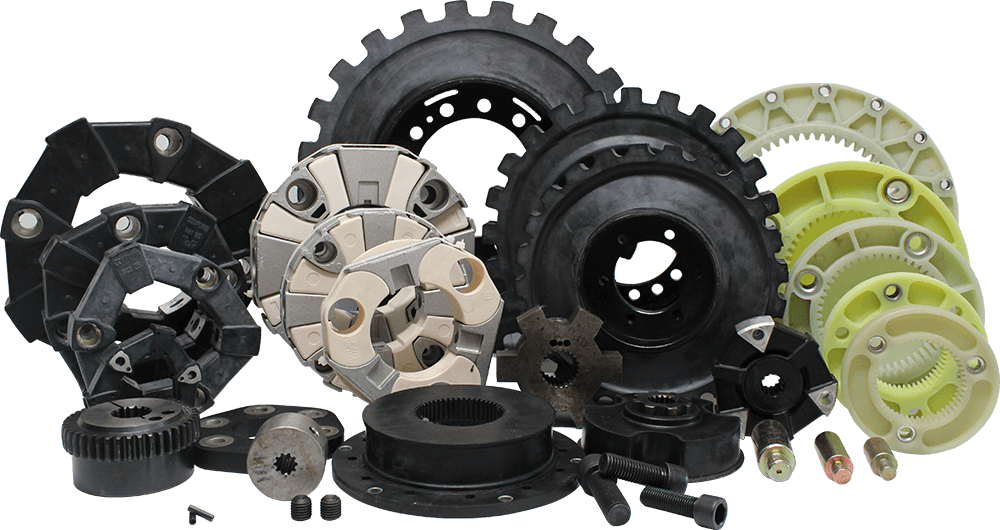

Mounting isolator systems help control vibration and noise. You use a mounting isolator to protect machines. It also helps make machines more stable. A mounting isolator spreads the weight out. This keeps machines safe and lowers damage. When you install a mounting isolator, vibration goes down a lot. It can drop by up to 90%. This means you do not need as much maintenance. Your equipment will last longer.
Benefit | Impact |
|---|---|
Maintenance Cost Reduction | Fewer repairs and lower costs |
Operational Stability | Equipment works better and more reliably |
Vibration Reduction | Up to 90% less shock and vibration |
Equipment Longevity | Machines last longer with a mounting isolator |
A mounting isolator also makes the workspace safer for everyone.
Key Takeaways
Mounting isolators can cut machinery vibration by 90%. This helps lower maintenance costs. It also makes equipment last longer.
Installing mounting isolators the right way helps machines stay steady. This makes machines work better and keeps them safe.
Picking the right isolator type is very important. You can use rubber, spring, or air mounts. These help absorb vibration and shock well.
Machinery Vibration

What Is Vibration
You see vibration when a machine shakes or moves. Vibration happens when energy goes through machine parts. This energy comes from different places. Heavy machines often have vibration. Here are some main causes:
Imbalance: If parts spin with uneven weight, vibration gets worse.
Misalignment: If shafts or parts do not match up, vibration starts.
Looseness: Loose parts let vibration spread more easily.
Environmental Factors: Outside things, like other machines or earthquakes, can cause vibration.
Vibration travels through metal, rubber, or other stuff. You might feel it as a buzz, hum, or shake. Sometimes, vibration is weak. Other times, it is strong enough to break your equipment.
Tip: You can find vibration early by listening for odd sounds or feeling strange movement in your machine.
Why Vibration Matters
Vibration changes how your equipment works. If you ignore vibration, your machine can break and be unsafe. Vibration wears out bearings, seals, and other parts faster. Studies show that controlling vibration helps bearings last 2-3 times longer. Seals can last 1.5-2 times longer. Your whole machine can last twice as long.
Impact Area | Description |
|---|---|
Equipment Lifespan | Vibration control helps bearings, seals, and machines last longer. |
Safety Risks | If you do not control vibration, machines can fail and hurt people. |
Historical Example | The Sayano-Shushenskaya HPP disaster in 2009 shows vibration can cause deadly accidents. |
Vibration makes your workspace less safe. If a machine breaks from vibration, people can get hurt. You keep your team and equipment safe when you control vibration.
Mounting Isolator Function
Vibration Isolation Mechanism
Mounting isolators stop unwanted vibration from reaching machines and building foundations. These devices act like barriers. They block vibration from moving between equipment and the floor. This makes your workspace quieter and safer.
The equation of motion for a single-degree-of-freedom isolation system is:
mx¨ + cx˙ + kx = F(t)
Here, m means mass, c means damping, k means spring stiffness, and F(t) is the force from vibration.
There are two main types of vibration isolation systems:
Type of System | Components | Function |
|---|---|---|
Passive | Springs, Dampers, Elastomeric mounts | Dissipate energy and reduce vibrations |
Active | Sensors, Actuators, Control algorithms | Counteract incoming vibrations |
Passive vibration isolators work well for most machines. They lower how much vibration gets through. You get better results when the isolator drops the system’s natural frequency below the vibration frequency. This creates a region where vibration reduction works best.
Frequency ratio shows how well isolation works.
Transmissibility curves show how much vibration passes through at different frequencies.
When the transmissibility ratio is less than 1, vibration isolation is strong.
You should think about where you put your machines. Even weight distribution helps keep equipment stable. If you mount your machine on a heavy concrete base, you lower the center of gravity. This reduces rocking and keeps vibration under control.
Reason | Explanation |
|---|---|
Stability | Inertia masses make the system more stable by spacing out mounts. |
Lower Center of Gravity | A heavy concrete base lowers the center of gravity and reduces rocking. |
Even Weight Distribution | A concrete block helps spread weight evenly for symmetrical mounting. |
Minimize External Forces | The design reduces the effect of outside forces on the machinery. |
Vibration isolation protects your building and sensitive equipment. This helps your machines and workspace last longer.
Energy Absorption
Mounting isolators use energy absorption to control vibration. When your machine shakes, the isolator takes in the energy and turns it into heat. This stops vibration from spreading. You get less noise and less wear on your equipment.
Material | Type | Key Features |
|---|---|---|
Sorbothane | Viscoelastic polyurethane | Shock and vibration absorption, low transmissibility, long fatigue life, combines multiple properties |
E.A.R. C-1002 | Energy absorbing material | Exceptional damping impedance ability, effective for vibrational energy absorption |
You need to pick the right material for your isolator. Sorbothane and E.A.R. C-1002 are good choices. They absorb vibration and last a long time. You get better vibration control and less damage to your machines.
Damping helps most when your machine runs near its natural frequency.
Elastomeric isolators have high damping, so they reduce vibration at resonance.
Steel springs have low damping, so more vibration passes through at resonance.
More damping means less vibration at resonance, but it does not change isolation much at other frequencies.
Even load distribution helps with energy absorption too. When you spread the weight evenly, you keep your machine stable. This stops too much movement and helps your system last longer.
Even load distribution keeps suspended parts steady.
It stops too much movement, especially in machines with uneven weight.
Putting isolators at the center of gravity makes things more stable and helps the system last longer.
Shock Absorption
Shock absorption is another important job for mounting isolators. You need this to protect your machines from sudden impacts. When something heavy drops or your machine stops quickly, the isolator absorbs the shock. This keeps your equipment safe and working well.
Principle/Benefit | Description |
|---|---|
Energy Absorption | Shock isolation systems take in strong, short shocks and spread out the energy. |
Damping | Energy turns into heat, which lowers shock transmission. |
Deflection Capacity | More deflection means less acceleration and a longer response time. |
Increased Equipment Longevity | Less wear and fewer failures from shock. |
Improved Efficiency | Less vibration means better performance. |
Enhanced Precision | Sensitive equipment stays accurate after shocks. |
Elevated Safety in Transport | Shock effects on cargo and passengers are reduced, making things safer. |
Reduced Costs | Fewer replacements and lower maintenance costs because of shock protection. |
Boosted Productivity | Machines work better and output stays high. |
You need to think about a few things for good shock absorption:
Material properties, like the type of elastomer, affect flexibility and durability.
Temperature changes can make elastomers stiffer or softer, changing how well they absorb shock.
Where your equipment is matters. You may need different isolators for stationary or moving machines.
The direction and type of vibration also affect your choice.
Tip: If you use the right mounting isolator, you protect your machines from sudden shocks and keep your workspace safe.
Mounting isolators help you get better vibration control, energy absorption, and shock absorption. You keep your machines running longer and safer.
Mounting Isolator Types

Rubber Mounts
Rubber mounts help stop vibration in machines. They change shape when pressed and then bounce back. This action takes in vibration and turns it into heat. The heat lowers the effect of vibration on your equipment. Rubber mounts sit between moving parts and the frame. This keeps vibration from spreading and makes things quieter.
Type of Rubber Mount | Design Description | Typical Applications |
|---|---|---|
Cylindrical Mounts | Round rubber with threaded rods | Compressors, pumps |
Conical Mounts | Shaped like a cone for more stability | Engines, generators, fans |
Plate Mounts | Flat rubber between metal plates | Printing presses, conveyors |
Hemispherical Mounts | Dome-shaped rubber on a metal base | Lab instruments |
Bushing Mounts | Rubber tube with metal sleeves | Suspension, shock absorbers, cars |
Rubber mounts work best for high-frequency vibration and noise. You see them in compressors, pumps, and lab tools. If you want good vibration isolators, YNF Rubber has strong products for these jobs.
Tip: Rubber mounts can wear out over time, so check them often.
Spring Isolators
Spring isolators help heavy machines with vibration. They use metal springs to soak up and slow down shaking. These mounts bend more, so they block vibration better for big loads. Spring isolators make a space for your machine to move and cut down energy transfer.
Spring isolators work for many vibration types.
You can put them in different ways for more balance.
They stand up to hot, cold, and harsh chemicals.
Spring isolators fit big machines, HVAC units, and generators. If you need strong vibration mounts, YNF Rubber sells spring isolators to keep your machines safe.
Air Mounts
Air mounts use air springs to fight vibration. These mounts let slow movement happen but block fast shaking. Air mounts change air pressure to match heavy or light loads. This keeps vibration control steady.
Principle | Description |
|---|---|
Mechanical Low-Pass Filter | Air springs let slow moves happen, block fast vibration. |
Dynamic Load Adaptation | Changing air pressure keeps things working well. |
Material Selection | Strong rubber and fabric make them last longer. |
You use air mounts for sensitive machines and lab tools. These mounts are great for stopping low-frequency vibration. YNF Rubber sells air mounts for careful jobs.
Note: Air mounts need air all the time and work best for slow vibration.
If you want to know how anti-vibration mounts work, each type handles energy in its own way. Pick the right mount for your machine and where you use it. YNF Rubber has all kinds of anti-vibration mounts for your needs.
Mounting isolators help lower vibration and noise. They also cut down on maintenance costs. Your workspace becomes safer and quieter. Look at the table below to see how isolators help with noise:
Benefit | Description |
|---|---|
Low cost | Saves money while reducing noise. |
Large noise reductions | Makes machines much quieter. |
Rugged | Strong and works well in many places. |
Pick isolators that fit your machine’s weight and where you use it. Spread the weight out to keep things steady. Check isolators often so your machines work well.
FAQ
How do you choose the right mounting isolator for your machine?
First, look at how heavy your machine is and how much it shakes. YNF Rubber has many isolators for all kinds of machines.
Can mounting isolators reduce noise as well as vibration?
Yes. Mounting isolators help lower noise and vibration.
Your workspace will be quieter.
YNF Rubber’s isolators are good for noise control.
How often should you inspect mounting isolators?
Inspection Frequency | Reason |
|---|---|
Every 6 months | You can spot damage early. |
After heavy use | You stop problems before they happen. |