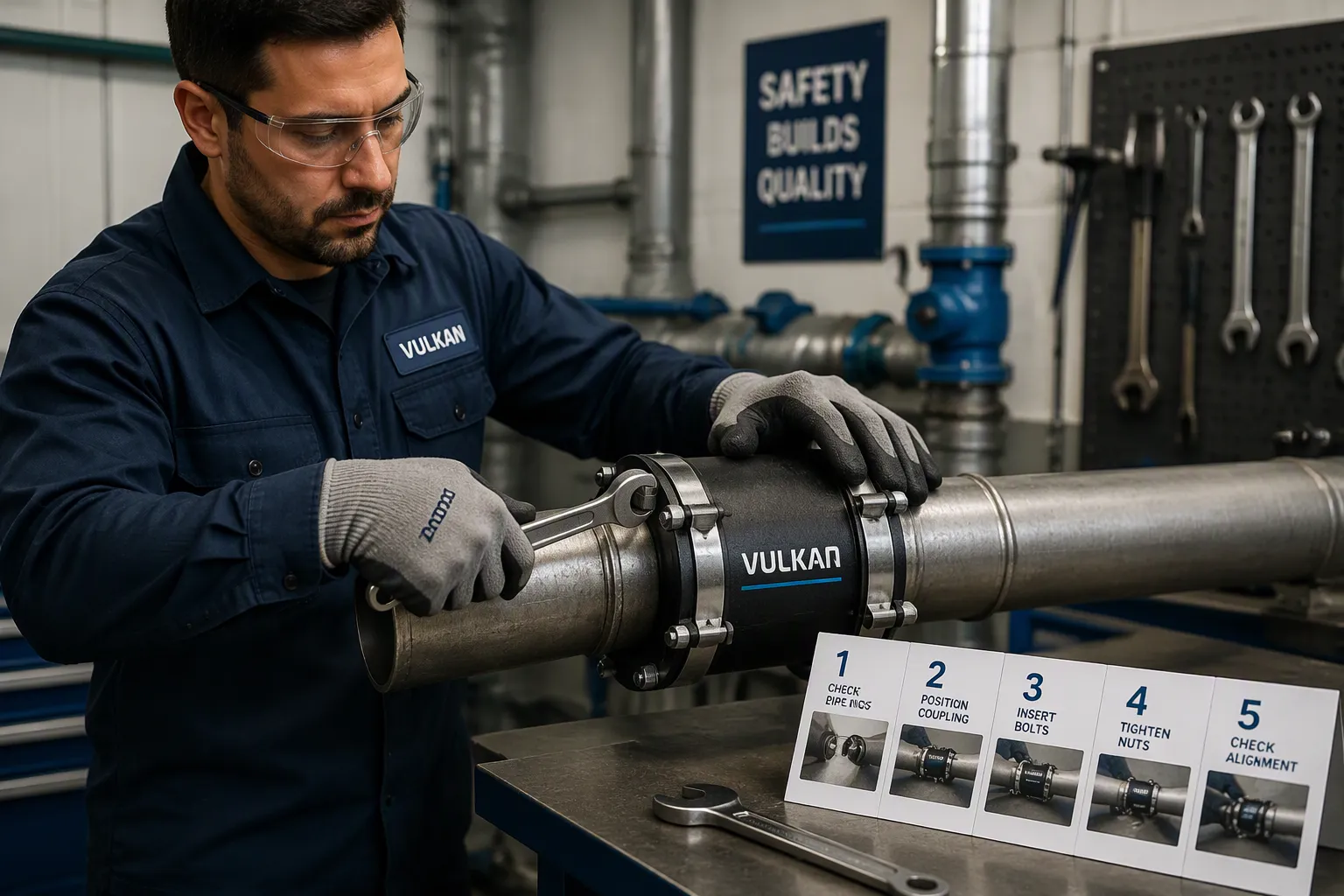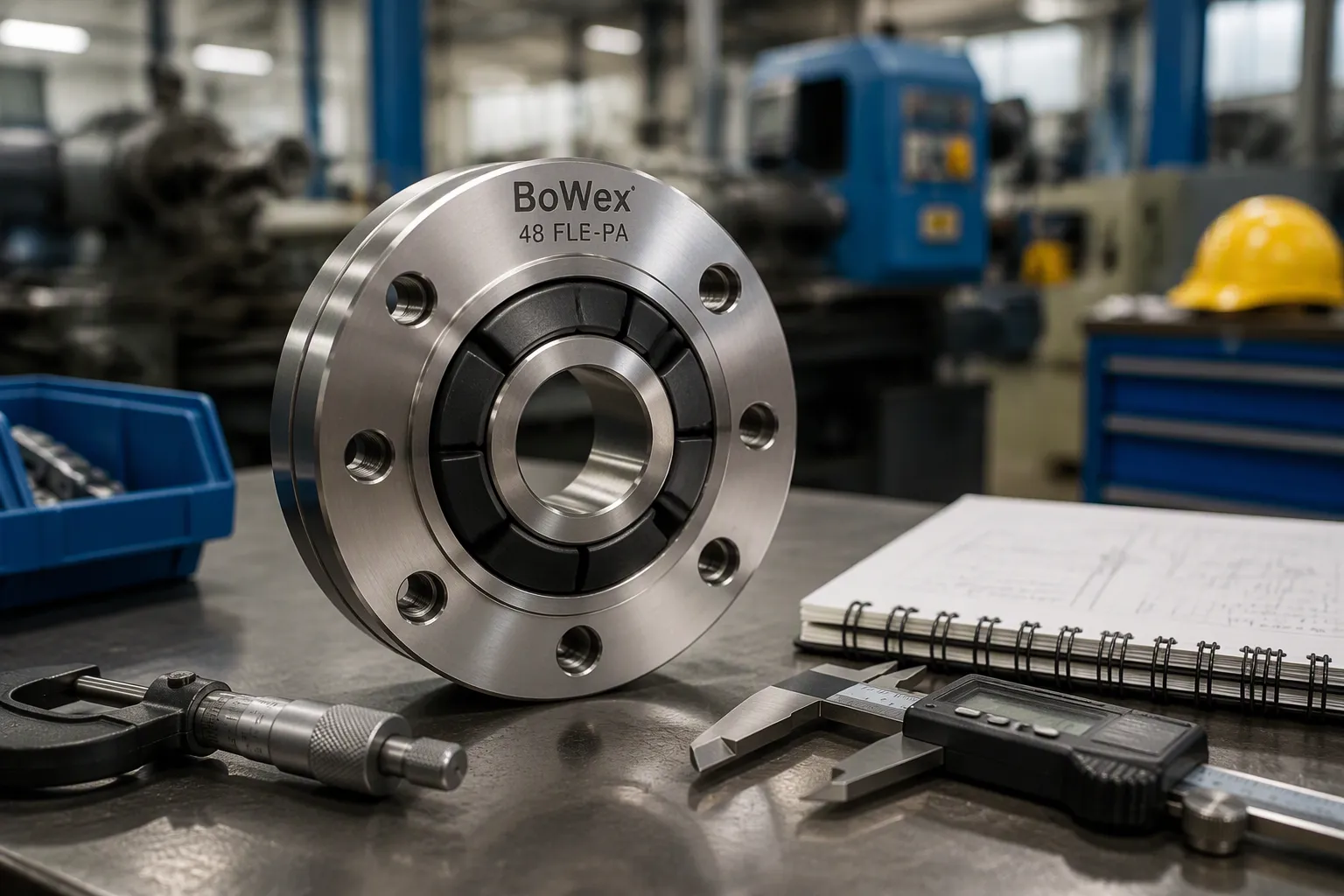

Machine leveling bolts help keep machines steady and working well. You use these bolts to adjust and hold heavy equipment in place. They make sure each machine sits flat and does not wobble. This easy step protects machines from harm and keeps people safe.
In precision manufacturing, even a small tilt can cause trouble. Uneven leveling can make products bad and wear out parts faster.
About 30% of mechanical failures happen from poor assembly. This often comes from bad leveling or mounting.
Good leveling lowers vibrations, makes less noise, and helps machines last longer.
Key Takeaways
Machine leveling bolts help equipment stay steady. They stop machines from shaking. This keeps machines safe and helps people at work stay safe.
Leveling feet lower vibrations and noise. This makes machines last longer. It also makes the workplace quieter.
Good leveling is very important for making things with care. It keeps products good and stops machines from breaking because of bad setup.
There are many kinds of leveling mounts for different jobs. Some are adjustable, some stop vibrations, and some are strong for heavy work.
Check leveling bolts often and keep them working well. This keeps everyone safe and follows workplace rules.
Machine Leveling Bolts Explained

What Are Machine Leveling Bolts
Machine leveling bolts help keep equipment steady and balanced. People also call them leveling mounts or leveling feet. They let you change the height and angle of machines so they sit flat. Most leveling mounts have a threaded stud and a strong base. You turn the stud to move the machine up or down. This makes it easy to fix uneven floors or surfaces.
Leveling feet and mounts are made from strong metals like iron or stainless steel. These metals do not rust or wear out fast, so your machines stay safe and stable for many years.
Here is a table that shows the main parts and materials used in machine leveling bolts:
Component/Material | Description |
|---|---|
Screw Material | 1045 Carbon Steel |
Surface Treatment of Thread | Bright chromate plating |
Body Material | 1045 Carbon Steel |
Main Body Surface Treatment | Bright chromate plating |
Surface Treatment of Thread | Nickel Plating |
Main Body Surface Treatment | Nickel Plating |
Material | Iron or Stainless Steel |
Leveling mounts often have foot jack bolts and leveling nuts. These parts help you make small changes to the height and keep things locked in place. Leveling feet are used for heavy jobs because they hold a lot of weight and stop machines from moving.
How They Work
Leveling feet and mounts use simple ideas from mechanics. You turn the threaded shaft to change the height. The foot or pad touches the ground and spreads out the weight. This helps balance the machine, even if the floor is not flat. Some leveling mounts can tilt up to 15° off center. This helps the foot touch the ground better and stops wobbling.
Leveling feet soak up vibration and lower noise.
You can lock the stud with a jam nut for more safety.
Anti-vibration leveling mounts help machines that shake a lot, like generators or compressors.
The adjustment part in machine leveling bolts lets you set the height and angle. Swivel-head types help you level machines on sloped floors. Strong steel and stainless steel parts keep the bolts tight and stop them from bending.
You get exact leveling by turning the bolt one way or the other. This makes it simple to set up your equipment just right.
Where They’re Used
You see machine leveling bolts, leveling mounts, and leveling feet in many places. They help keep machines safe and working well in tough spots.
Industry | Applications |
|---|---|
Industrial Machinery | Stabilizing heavy machinery, production lines, precision equipment, and heavy-duty applications. |
Laboratory and Medical | Ensuring stability for analytical instruments, medical devices, and cleanroom equipment. |
Food and Beverage | Maintaining balance in processing equipment and ensuring sanitary compliance in packaging lines. |
Office and Commercial Furniture | Improving usability and durability of desks, cabinets, and display fixtures. |
Transportation and Logistics | Stabilizing shipping containers, truck rigs, and loading docks. |
Vibration Isolation | Reducing noise and vibration in HVAC systems, generator sets, and audio equipment. |
Outdoor and Harsh Environments | Supporting solar panels, marine equipment, and construction machinery. |
Heavy-duty leveling feet can hold up to 30,000 pounds each. You use these where machines need to stop shaking and resist chemicals. You can also get leveling mounts made for special sizes and weights.
Leveling feet and mounts work in factories, labs, kitchens, offices, and outside.
You use them to keep machines, furniture, and equipment steady and safe.
Key Benefits
Protects Machines from Damage
You want your machines to last a long time. Leveling feet help with this. They give your equipment a strong base. This keeps everything in place and stops damage. If a machine is not level, it can move or shake. This makes parts wear out faster. Leveling feet keep machines steady and avoid these problems.
Here is a table that shows how leveling feet help:
Feature | Description |
|---|---|
Adjustable Stabilization | Lets you level machines on uneven floors and keeps them straight. |
Load Distribution | Spreads weight so machines do not tip or wobble. |
Anti-Vibration Solutions | Rubber pads soak up shakes and lower the chance of damage. |
Using leveling feet helps machines work well and saves money on repairs.
Reduces Vibration and Noise
Leveling feet do more than keep machines still. They also cut down on shaking and noise. When you put on leveling mounts, you stop shakes from moving through the machine. This keeps other parts safe and makes your workspace quieter.
Leveling mounts soak up shakes at the base and stop them from spreading.
They control extra movement and lower noise by stopping metal from hitting metal.
Less shaking means machines last longer and work safer. Leveling feet help soak up shakes so your equipment stays in good shape.
Improves Safety and Accuracy
Leveling feet make your workspace safer. When machines sit flat, they do not tip or slide. This keeps you and others safe from harm. Leveling also helps machines work better. Precision equipment needs a steady base to do its job right. Leveling feet keep things lined up so machines make good parts every time.
Here is a table that shows how leveling feet help at work:
Benefit | Description |
|---|---|
Safety | Leveling mounts stop machines from tipping and keep people safe. |
Vibration Control | They lower shakes and keep machines steady. |
Noise Reduction | Less movement means less noise, so work is quieter. |
Machine Lifespan | Fewer shakes and better leveling help machines last longer. |
Leveling feet are important for precision machines. They keep equipment steady and straight, which helps with safety and accuracy.
Types of Leveling Mounts and Feet

When you pick leveling mounts or feet, you should know the types. Each kind helps with a different problem. Some fix uneven floors. Others stop strong vibrations. You can find adjustable ones for many needs.
Standard Leveling Feet
Standard leveling feet help keep things steady. You use them in places like schools, kitchens, and factories. These feet have a threaded shaft. This lets you change the height a little. The base spreads out the weight. It also stops slipping.
Feature/Application | Description/Use Case |
|---|---|
Height Adjustment | Helps fix uneven floors and keeps things stable. |
Materials | Made from steel or strong plastics for strength. |
Base Design | Spreads weight and often stops slipping. |
Threaded Design | Makes it easy to change the height. |
Load Capacity | Works for light or heavy jobs. |
Furniture Manufacturing | Levels desks and chairs. |
Industrial Equipment | Keeps machines steady for better work. |
Electronics and Technology | Holds server racks and cabinets steady. |
Medical and Laboratory Equipment | Makes lab tools and hospital beds safe. |
Commercial Kitchens | Supports heavy kitchen gear. |
Retail Displays | Keeps shelves and displays upright. |
Automotive Manufacturing | Adds stability in car assembly. |
Aerospace and Defense | Used for aircraft and defense equipment. |
Healthcare and Hospital Furniture | Levels hospital carts and beds. |
Construction | Stabilizes scaffolding and temporary structures. |
Workshop and Garage Equipment | Keeps workbenches and tool cabinets steady. |
Educational Institutions | Levels school furniture on different floors. |
Adjustable Leveling Mounts
Adjustable leveling mounts let you change the height easily. They work well for sloped or uneven floors. These mounts are good for heavy machines. You can set the height just right.
Feature | Adjustable Leveling Feet | Fixed Feet |
|---|---|---|
Height Adjustability | Yes, you can adjust it. | No, stays the same. |
Ideal for Uneven Floors | Great for uneven floors. | Not good for that. |
Load Capacity Options | Works for light or heavy jobs. | Only for lighter loads. |
Pick adjustable mounts if you need to change the height often. They give you more choices than standard feet.
Anti-Vibration Leveling Feet
Anti-vibration mounts help control shakes and noise. Use these when machines shake a lot. These feet have rubber or elastomer pads. The pads soak up shocks. Steel or stainless steel parts make them strong.
Material/Element | Purpose |
|---|---|
Rubber | Soaks up shocks and stops vibrations. |
Elastomers | Spread out vibrational energy. |
Steel | Gives support and lasts long. |
Stainless Steel | Does not rust and is very strong. |
Use anti-vibration mounts in factories, cars, and planes.
These mounts keep machines quiet and safe from harm.
Heavy-Duty Leveling Mounts
Heavy-duty mounts hold very big weights. Use them for large machines in factories or building sites. These mounts can be adjusted and hold over 10,000 pounds.
Capacity Range | Maximum Weight |
|---|---|
Low Capacity | 50 lbs |
Medium Capacity | 350 lbs – 3000 lbs |
High Capacity | Over 10,000 lbs |
Pick heavy-duty mounts for extra support.
Some pads can hold from 350 lbs to over 3,000 lbs.
How to Choose the Right Leveling Mounts and Feet
Think about a few things before you pick leveling feet or mounts.
Criteria | Description |
|---|---|
Weight capacity | Make sure the feet can hold your equipment and extra weight. |
Surface conditions | Use adjustable feet for uneven floors. Use rubber pads for smooth floors. |
Material compatibility | Pick materials that fit your space. |
Height adjustment range | Look for adjustable features to get the right height. |
Vibration & noise control | Use anti-vibration mounts if you want less noise and shaking. |
Mounting options | Choose screw-on, bolt-down, or free-standing styles. |
Aesthetic considerations | Pick finishes like chrome or nickel for a nice look. |
Tip: If you want good leveling mounts, feet, or pads, YNF Rubber has high-quality products for every need.
Why Machine Leveling Bolts Matter
Performance and Longevity
You want your machines to work well for many years. Leveling mounts and leveling feet help you do this. When you use machine leveling bolts, your equipment sits flat and steady. This support keeps machines from moving or tipping over. Even with heavy loads, the machines stay in place. You can change leveling mounts easily, so machines stay balanced on any floor.
Leveling feet also help stop vibrations. Less shaking means your machines last longer. You spend less money fixing them. Your equipment works for more years. Leveling also helps machines run without long breaks. If you set up machines right, you avoid problems that slow your work.
Using the right leveling mounts keeps your machines working well and helps you avoid expensive downtime.
Leveling feet with nylon bases help lower noise. They also soak up more vibrations than all-metal feet. You can get heavy-duty types for big machines. There are custom sizes for special needs.
Safety and Compliance
You need your workplace to be safe. Leveling mounts and leveling feet help you follow safety rules. They keep everyone safe. When you use machine leveling bolts, your machines stay in place. They do not tip over. This helps stop accidents and keeps your equipment safe.
Leveling bolts keep machines steady and lined up.
Good alignment stops accidents and protects your machines.
Leveling is important for making good parts and meeting quality rules.
Leveling feet also help you follow safety laws. Many factories must meet strict rules for machine setup. Using leveling mounts shows you care about safety and quality.
Here are some reasons to use machine leveling bolts in your facility:
You make your workspace safer by stopping machines from tipping.
You lower vibrations, which means less wear and tear.
You help your machines last longer by stopping vibration damage.
Tip: Always check your leveling mounts and feet to make sure they are tight and in good shape. This easy step keeps your machines safe and helps you follow safety rules.
Machine leveling bolts help keep equipment steady and safe. They make machines work better and shake less. Many jobs need machines to be level for good results.
Bolted connections stop machines from shaking and breaking apart.
You can use shims or wedges to see if you need leveling bolts.
CNC lathes, grinders, and molding machines work best when level.
You can find tips and guides online about how to install them. YNF Rubber has strong leveling bolts for your machines.
FAQ
What is the main purpose of machine leveling bolts?
You use machine leveling bolts to keep your equipment steady and flat. These bolts help you adjust the height and angle, so your machines do not wobble or shake.
Tip: Leveling bolts protect your machines and help them last longer.
How do I choose the right leveling mount for my machine?
You should check your machine’s weight and the floor type. Pick adjustable mounts for uneven surfaces. Choose anti-vibration mounts if your machine shakes a lot. YNF Rubber offers many options for different needs.
Can I install machine leveling bolts by myself?
You can install most leveling bolts with basic tools. Turn the bolt to adjust the height. Lock it in place with a nut. Always follow your machine’s manual for safety.
How often should I check my leveling bolts?
You should check your leveling bolts every few months. Look for loose bolts or signs of wear. Tighten or replace them if needed. Regular checks keep your machines safe and working well.
Where can I buy high-quality machine leveling bolts?
You can find reliable machine leveling bolts at YNF Rubber. They offer strong, durable products for many types of equipment.
Supplier | Product Range | Quality |
|---|---|---|
YNF Rubber | Leveling bolts, mounts, feet | High |