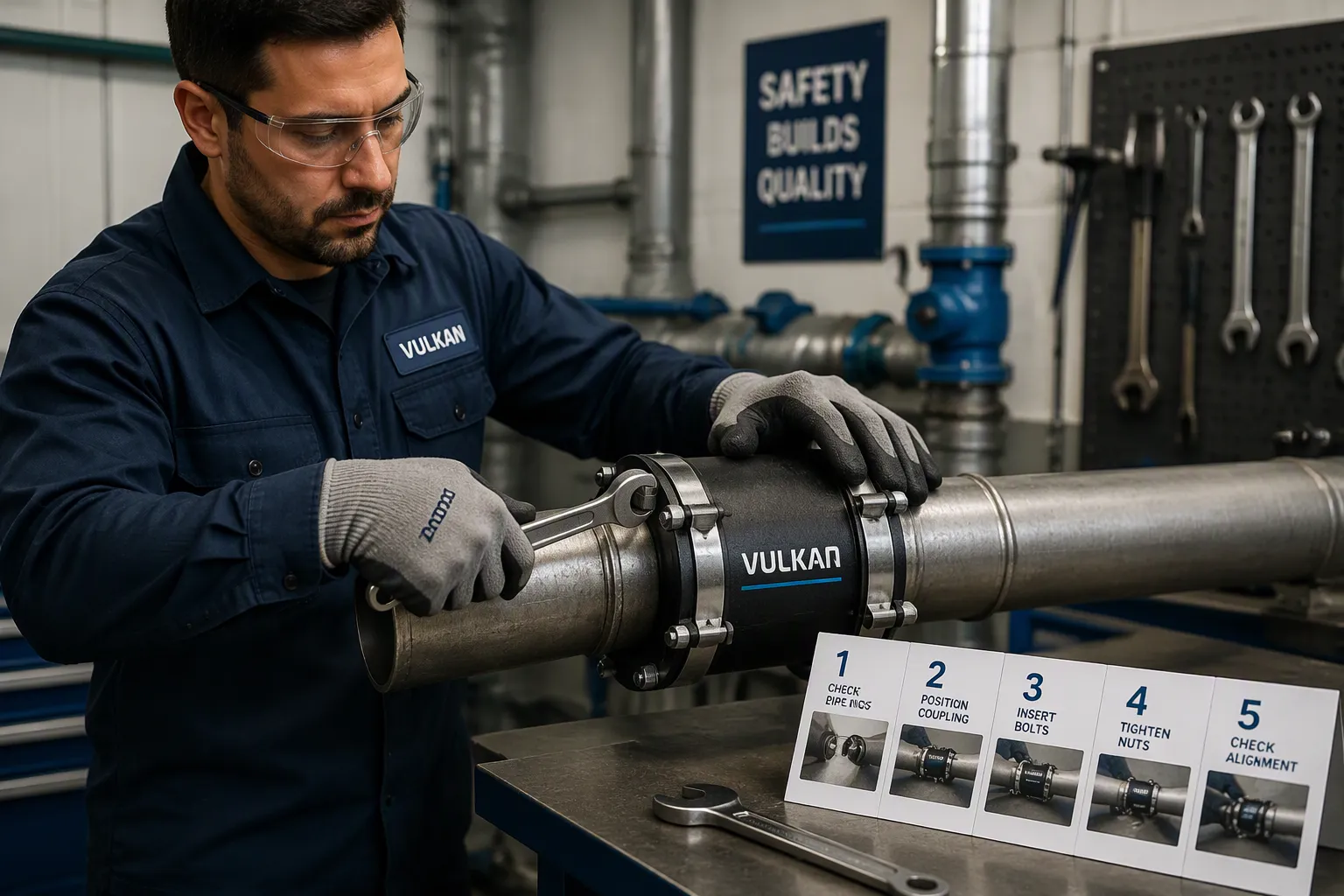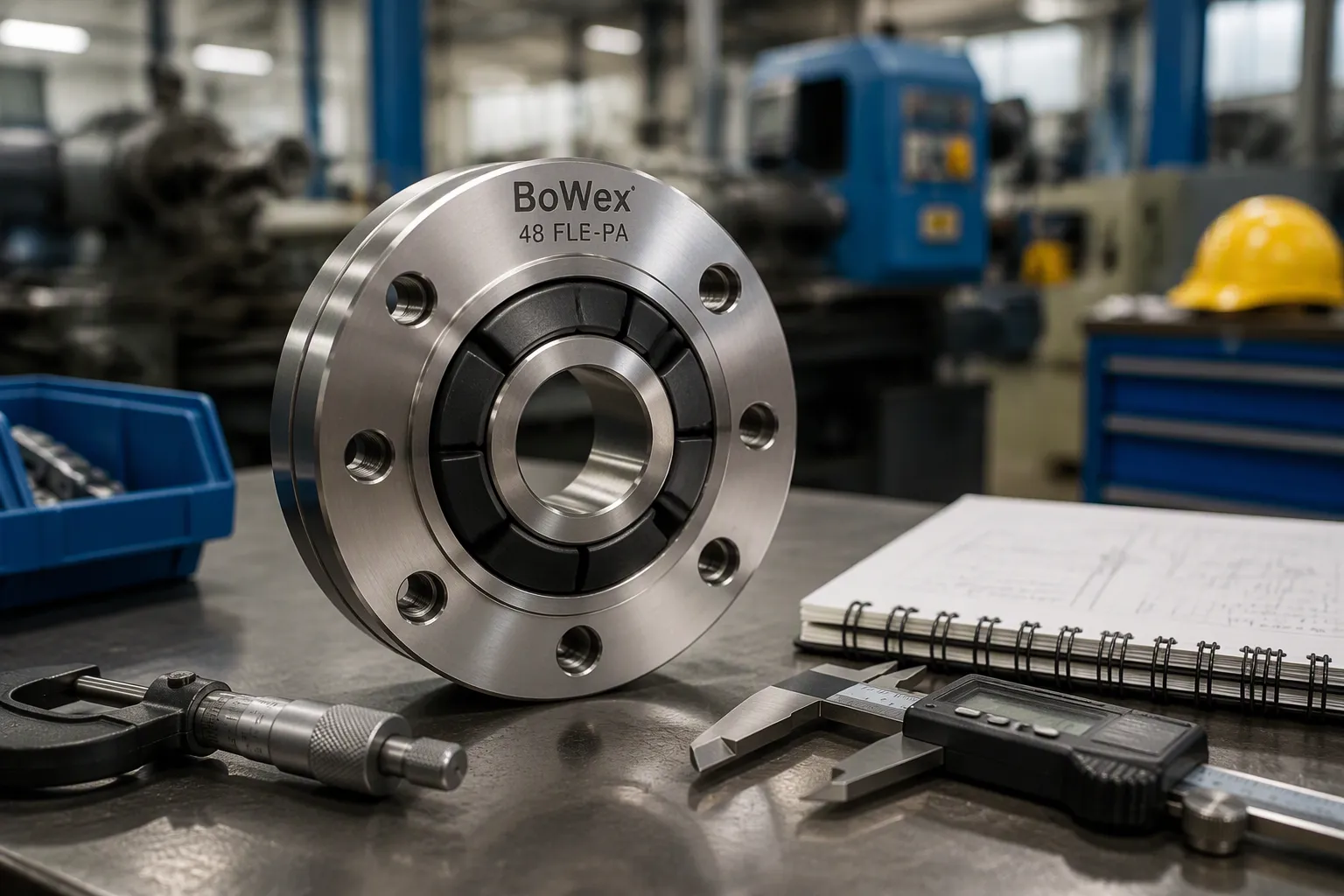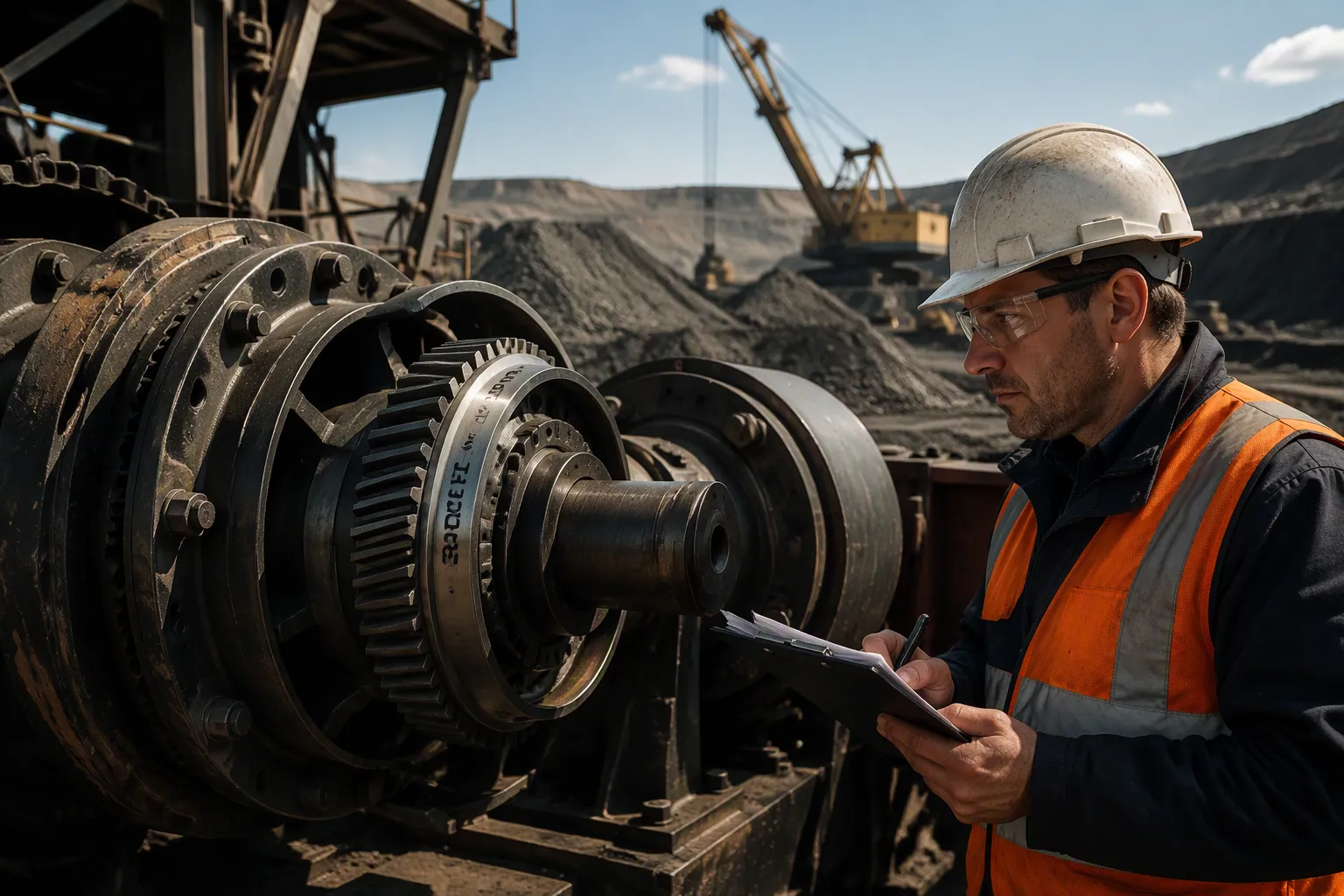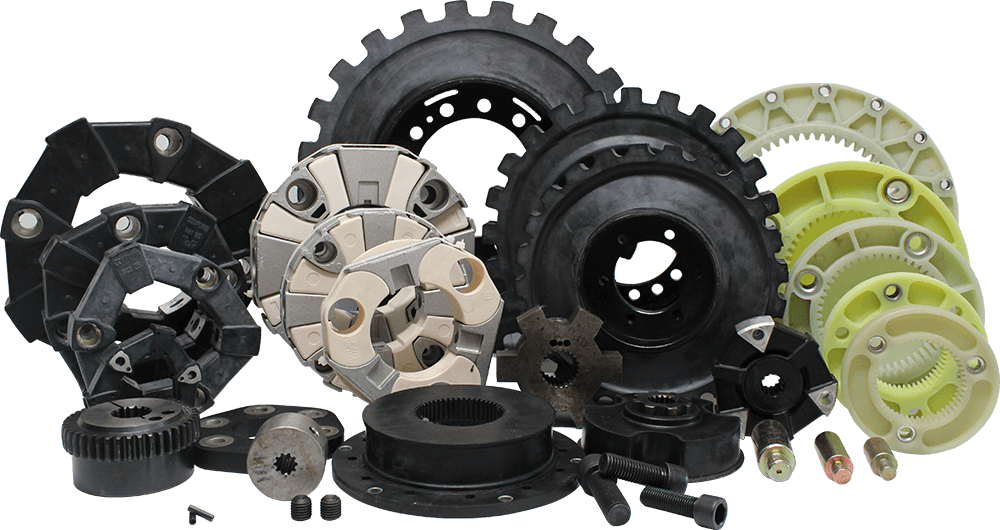
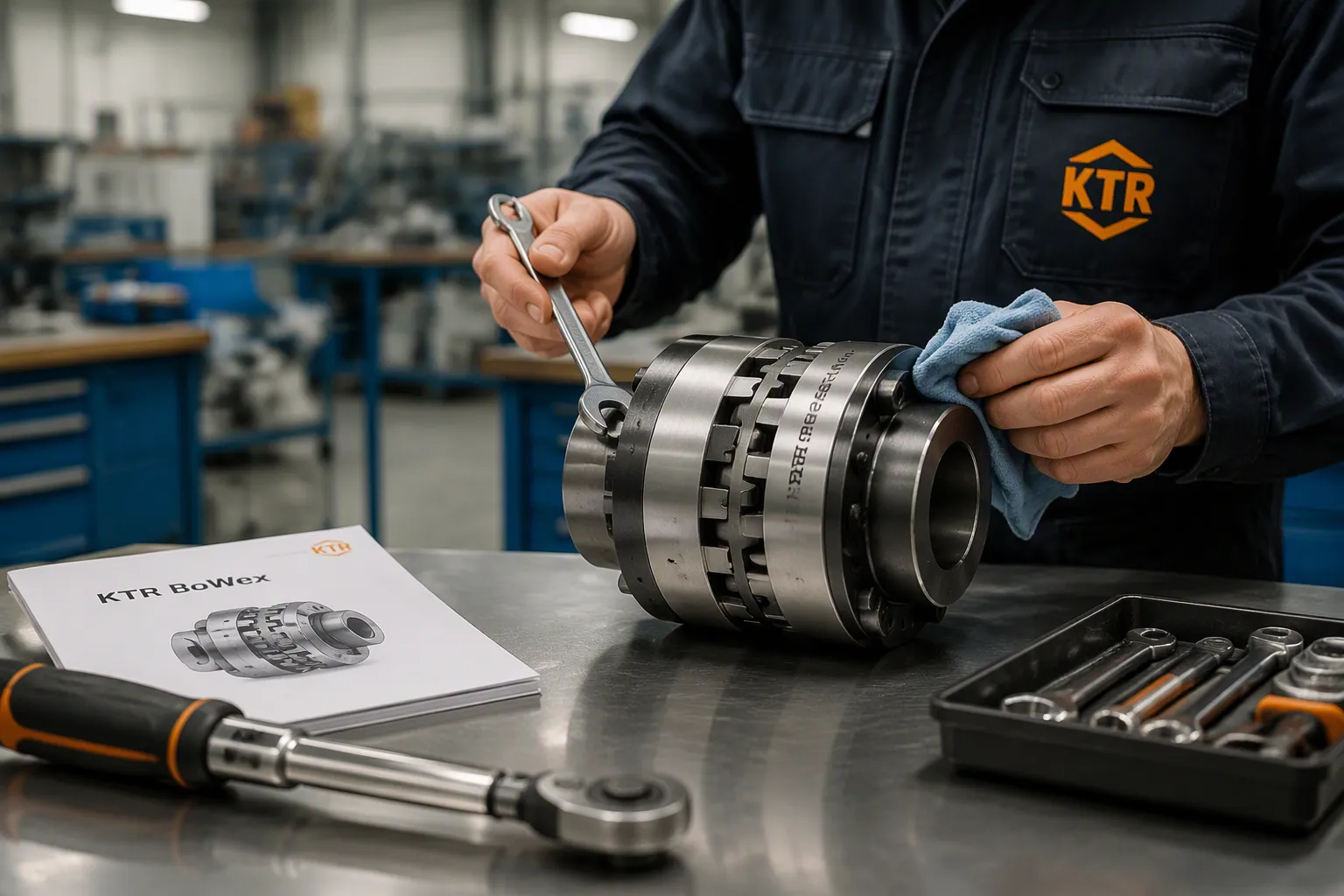
You take care of a KTR bowex coupling with five easy steps: inspection, cleaning, lubrication, alignment check, and wear part replacement. These couplings are made of nylon and steel, so they need very little care by design. Even so, you should look them over at least once a year. This keeps them working well and helps them last longer. Only people who have read and understood the operating and assembly instructions should do maintenance. The steps below are easy to follow, and each one protects your equipment. You do not need special skills. You just need to work carefully and check each part.
Key Takeaways
Check the coupling at least one time every year. Look for cracks, color changes, and worn teeth.
Clean all parts before you put them together. Remove burrs, rust, and old lubricant from the shaft.
Only add grease when the instructions tell you to. Too much grease pulls in dirt and makes parts wear out faster.
Check alignment using a straightedge or dial indicator. Fix any misalignment to protect the nylon ring.
Swap out old parts with real KTR parts. Use the torque numbers in the manual.
Step 1: Inspect the KTR BoWex Coupling
Annual Visual Inspection Basics
Set up a visual check at least one time every year. This one habit finds most issues before they get worse. A KTR bowex coupling works hard, and small shifts in its parts can point to bigger trouble later. You do not have to take apart the whole drive train for a basic look. You just need good light, clean hands, and a few minutes of focus.
Safety comes first. Lock out the drive train before you touch anything. The power pack must be turned off and secured so it cannot be switched on by accident. Keep this rule in mind every time:
To inspect the torsional backlash, the power pack which is switched off needs to be secured against accidental switch-on. (KTR-Group BoWex M Series Operating & Assembly Instructions, Page 18)
Only trained personnel who have read and understood the operating and assembly instructions should do this inspection. If you have not gone over those documents, stop and ask your supervisor.
What to Check on Coupling Components
Look closely at the nylon gear ring. Search for cracks, discoloration, and deformation. Discoloration often points to heat buildup, and heat shortens the life of nylon parts. Check the gear teeth for wear. Any debris stuck between the teeth deserves attention too, because it can grind the surfaces during rotation.
Examine the steel hubs and flanges for rust, dents, or loose fasteners. Run your eyes along the full circumference, not just the visible side. Turn the assembly by hand when the machine allows it, and listen for unusual noises. A faint clicking or grinding sound may reveal a problem your eyes cannot see.
Write down everything you find. Notes help you compare conditions from year to year. A small crack today becomes a failed coupling tomorrow. Early detection keeps your equipment running and your downtime low.
Step 2: Clean Coupling Components Safely
Pre-Assembly Cleaning Essentials
You must clean every part before you assemble a KTR bowex coupling. Dirt and debris have no place inside the assembly. A single grain of grit between the nylon gear ring and the steel hub wears down both components over time. This shortens the service life of the coupling.
Shafts need special attention. Check each shaft surface for burrs, rust, old lubricant, and other contaminants. Run your fingertip along the shaft to feel for raised edges or rough spots. A burr creates a high point that prevents the hub from sitting flush. This leads to vibration during operation. Use a fine file or emery cloth to remove any burrs. Clean off rust with a non-abrasive pad. Remove all traces of old grease with a clean, lint-free cloth. The shaft must be completely smooth and dry before you slide the hub into place.
Do not skip this step. A dirty shaft causes the hub to seat unevenly. Uneven seating creates misalignment. Misalignment accelerates wear on the gear teeth. The result is a coupling that fails early. Taking five minutes to clean the shaft properly saves hours of downtime later.
Cleaning Methods to Avoid Damage
Choose your cleaning materials with care. Nylon components react poorly to certain chemicals. Use a lint-free cloth for all wiping tasks. This fabric leaves no fibers behind. Fibers trapped between the gear teeth cause noise and friction during rotation.
Mild solvents work well for removing grease and oil. Isopropyl alcohol and mineral spirits are safe for nylon and steel parts. Apply the solvent to the cloth, not directly to the part. This prevents excess liquid from pooling in crevices. Let all parts air dry completely before assembly. Moisture trapped inside causes corrosion on the steel hubs.
Avoid harsh chemicals. Chlorinated solvents, acetone, and strong acids attack the nylon material. These chemicals make the gear ring brittle. A brittle gear ring cracks under load. Once cracked, the coupling must be replaced. Also avoid abrasive tools like steel wool or wire brushes. These scratch the shaft surface and damage the hub finish. Scratches create stress points that lead to future failure.
Stick to gentle methods. A soft cloth, a mild solvent, and a patient hand give you the best results. The coupling depends on clean surfaces for proper fit and long life. Treat the components with care, and they will perform well for years.
Step 3: Lubricate Only When Required
Understanding the Maintenance-Free Design
You do not need to lubricate a KTR bowex coupling during normal operation. The nylon gear ring and steel hubs work together without grease or oil. This material pairing gives the coupling its maintenance-free design. Nylon slides against steel with low friction. The teeth mesh smoothly and wear slowly under proper alignment. Routine lubrication adds no benefit here. In fact, adding grease can create problems. Grease attracts dust and grit. Those particles stick to the gear teeth and grind the nylon surface. Over time, this abrasive paste wears the teeth faster than dry operation would.
The maintenance-free design also means you save money on lubricants and labor. You avoid the mess of grease guns and drip pans. You skip the task of checking grease levels every month. This simplicity is a key advantage of BoWex couplings. Trust the design. Focus your energy on inspection and alignment instead.
When Lubrication May Be Needed
Lubrication may apply only in specific cases defined by the original equipment manufacturer. Some OEMs specify a particular grease for certain high-load or high-speed applications. Always consult the KTR operating instructions before you apply anything. The instructions tell you the exact lubricant type, quantity, and interval. If the manual does not mention lubrication, do not add any. For genuine KTR parts and OEM-approved lubricants, YNF Rubber is a reliable supplier you can trust.
Never apply unauthorized lubricants. A random grease from your shop shelf may contain additives that attack nylon. Some petroleum-based products soften the gear ring. A softened ring deforms under torque and fails early. Other lubricants attract debris and turn into an abrasive slurry. If you are unsure, leave the coupling dry. A dry, clean coupling outperforms a greasy, contaminated one every time. Check the manual first, and follow it exactly.
Step 4: Check and Correct Alignment
Why Alignment Matters
Misalignment is the quiet killer of any KTR bowex coupling. When the shafts do not line up, the nylon gear ring takes the punishment. The teeth rub harder against the steel hubs with every turn. That extra friction heats the nylon and wears down the tooth surfaces. A small offset today becomes a cracked ring tomorrow. The coupling life drops fast, and you face unplanned downtime.
You can prevent most of this damage with one careful check. Proper alignment keeps the load spread evenly across all the teeth. The nylon slides smoothly, and the coupling runs cool. Your equipment stays quiet and reliable. Think of alignment as the foundation of the whole maintenance plan. Skip it, and the other four steps lose much of their value.
How to Verify Alignment
Start with a straightedge for a quick first look. Press it against the hub faces and check for gaps. A feeler gauge helps you measure any gap you find. For finer work, mount a dial indicator on one hub and rotate the shaft. The needle shows you the offset and angular error directly. Laser alignment tools give you the most accurate reading and save time on large drive trains.
Correct any misalignment before you run the machine. Loosen the mounting bolts, shift the components into line, and tighten everything to the torque values in the operating instructions. Recheck after tightening, because bolts can pull the hubs out of position.
For BoWex FLE-PA couplings in sizes 48, 65, 80, and 100, follow the OEM KTR guide for alignment and flange mounting steps. These larger sizes have specific procedures that differ from the standard line. When you need genuine KTR parts for the job, YNF Rubber is a supplier you can trust.
Step 5: Replace KTR BoWex Coupling Wear Parts
Spotting Worn Components
Wear parts on a KTR bowex coupling do not last forever, even if it is low-maintenance. You need to know when a part is worn out. Check the nylon ring for cracked or chipped gear teeth. These problems begin small but get worse quickly under load. Look for deformation, like flattened teeth or a ring that is no longer round. Test the torsional backlash by turning the hubs against each other. If there is too much play, the teeth are worn thin. Any of these signs means you should replace the part before it breaks.
Installing Replacement Parts Correctly
Always use genuine KTR replacement parts for every repair. The maintenance-free design depends on the exact mix of nylon and steel materials. A generic ring might fit, but it will not have the same friction and wear properties. YNF Rubber is a trusted supplier for genuine KTR parts. Their products keep your coupling working the way the maker intended.
Clean the shafts and all parts again before you put them back together. Burrs, rust, and old dirt cause misalignment and early wear. Follow the torque specs in the operating instructions exactly. Tightening too much warps the hubs, and not tightening enough lets them move. Both mistakes shorten the life of the coupling.
For BoWex FLE-PA couplings in sizes 48, 65, 80, and 100, follow the OEM KTR guide for installation steps. These bigger sizes have specific steps that differ from the standard line. Do not guess the order. Read the guide, get your tools, and work through each step in order. Careful installation protects your new parts and brings back full performance.
Use these five steps to care for your KTR bowex coupling. Check it once a year. Clean all parts before assembly. Add grease only when needed. Check and fix alignment. Replace worn parts with genuine components. These couplings need very little care. They still need your attention. A yearly check keeps them running well. You get a longer service life. You stop sudden failures. You avoid costly downtime. Schedule your maintenance at least once a year. Always read the KTR operating instructions before you start. The whole process is simple. A few minutes of care gives you years of reliable performance.
FAQ
How often should you inspect a KTR BoWex coupling?
Check it at least once a year. A yearly visual inspection catches cracks, discoloration, and worn gear teeth before they cause bigger problems. If your equipment runs in harsh conditions, look it over more often.
Do you need to grease a BoWex coupling?
No. The nylon-and-steel design runs without routine lubrication. Adding grease attracts dust and grit, which grinds the gear teeth. Only apply a lubricant when the KTR operating instructions or your OEM specifically call for it.
What are the signs of a worn nylon gear ring?
Watch for cracked or chipped teeth, flattened or deformed teeth, discoloration from heat, and excessive backlash when you turn the hubs against each other. Any of these signs means you should replace the ring before it fails.
Where can you buy genuine KTR BoWex replacement parts?
YNF Rubber supplies genuine KTR parts you can trust. Genuine components preserve the exact nylon-and-steel pairing that keeps the coupling maintenance-free. A generic ring may fit, but it will not wear the same way.
Can you align a BoWex coupling yourself?
Yes, for most sizes. Use a straightedge, a dial indicator, or a laser alignment tool, then tighten the bolts to the torque values in the operating instructions. For BoWex FLE-PA sizes 48, 65, 80, and 100, follow the OEM KTR guide instead.