
You need an engine mount to keep your engine steady. This important part helps cut down on noise and shaking. It makes your car feel better and easier to drive. Research shows a strong engine mount makes cars safer and more stable. It helps every ride feel smoother and more comfy.
Key Takeaways
Engine mounts hold your engine in place. They help stop noise and shaking. This makes your car ride smoother and more comfy.
Check your engine mounts every 25,000 to 50,000 miles. This helps you find problems early. It can stop big repair bills later.
Good engine mounts can help your car work better and last longer. This can save you money over time.
Engine Mount Functions
What Is an Engine Mount
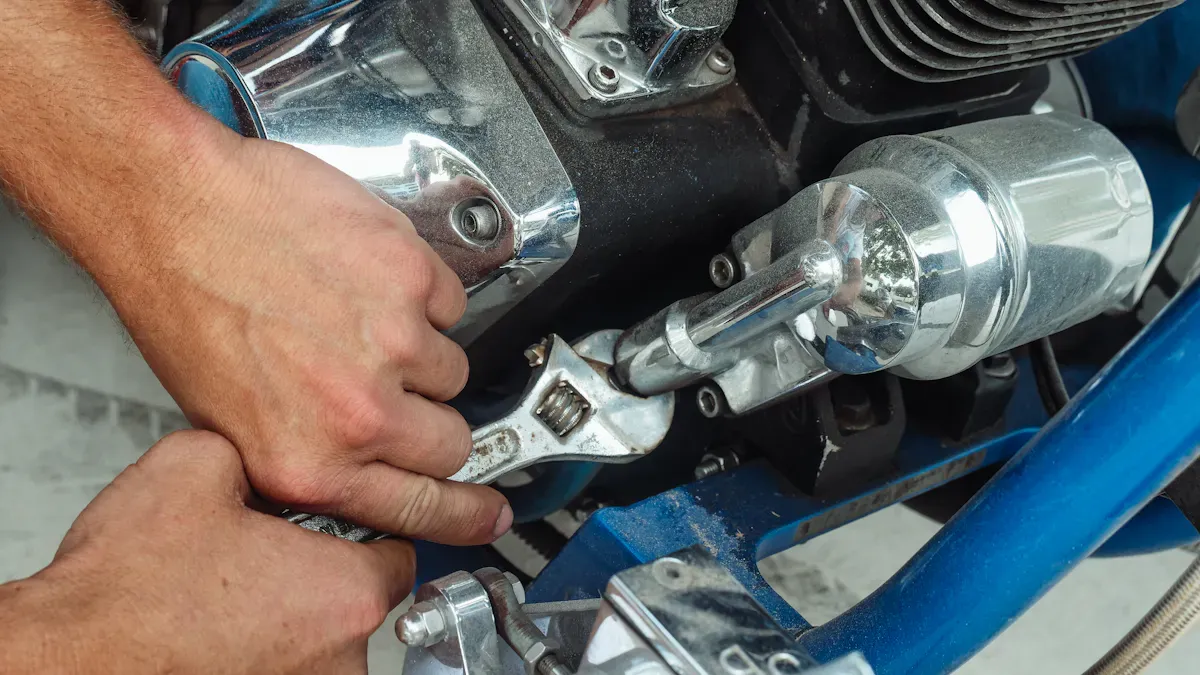
An engine mount is a strong part that holds the engine still. It connects the engine to the frame or chassis of your car or machine. Most engine mounts are made from both metal and rubber. The metal gives the mount strength and support. The rubber helps stop shaking and noise. Natural rubber is good at soaking up vibrations and keeping things quiet. Some mounts use synthetic rubber or polyurethane to last longer.
Main Functions of Engine Mounts
Engine mounts do more than just hold the engine in place. They are important for how your car or machine feels and works. Here are the main things engine mounts do:
They soak up vibrations from the engine, so you feel less shaking inside.
They keep the engine in the right spot, even on bumpy roads or sharp turns.
They protect the engine and other parts by absorbing shocks and sudden moves.
They help lower noise, so your ride is quieter and more comfortable.
They help the engine and other parts last longer by stopping extra movement and stress.
If you pick high-quality engine mounts, your equipment works better and lasts longer. YNF Rubber makes strong engine mounts for construction and industrial machines. These mounts use special materials and designs to soak up vibrations and keep engines safe.
How Engine Mounts Work
Engine mounts keep the engine steady and soak up energy. When the engine runs, it makes vibrations and small movements. The rubber part of the mount soaks up these vibrations before they reach the rest of the car. This keeps the ride smooth and quiet.
The way engine mounts are made changes how well they stop vibrations. Here’s how:
Vibration isolation: Engine mounts soak up vibrations when the engine is running, so they do not reach the frame or cabin.
Precise positioning: They hold the engine in place, even when driving is rough.
Impact absorption: They cushion shocks from quick starts, stops, or bumpy roads.
There are different types of engine mounts, like single-piece isolators, hydraulic mounts, and two-piece mounts. Each type uses special materials like natural rubber, neoprene, or polyurethane. The material and design help the mount soak up vibrations and last longer.
YNF Rubber makes custom anti-vibration mounts. Their products use strong metals and good rubber for the best mix of support and vibration control. This keeps your machines steady, quiet, and safe, even when work is tough.
Factor | Standard Rubber Mounts | Performance Polyurethane Mounts |
|---|---|---|
Primary Failure Mode | Cracking, sagging, fluid contamination | Material fatigue (after extreme use) |
Typical Lifespan | 80,000 – 300,000 km | 500,000+ km (often lifetime of vehicle) |
Signs of Wear | Visible cracks, engine sag, “clunking” noises | Increased NVH, visual inspection for cracks (rare) |
Maintenance Requirement | Regular inspection for degradation | Minimal; inspect for physical damage |
Vulnerability | High (to oil, heat, ozone) | Very Low (to most chemicals and environment) |
You can see that picking the right engine mounts really matters for how well your car or machine works and lasts. Good mounts from YNF Rubber help your equipment run smoother and stay strong for a long time.
Types and Benefits of Engine Mounts
Types of Engine Mounts
There are different engine mounts in cars and machines. Each type works best in certain situations. The table below shows the main types:
Type of Engine Mount | Description | Advantages | Disadvantages |
|---|---|---|---|
Solid Rubber Motor Mount | Made from solid rubber pads. Bolted to the engine and chassis. | Strong and cheap. Absorbs vibration and noise. | Can crack or tear if loads are heavy. |
Hydraulic Motor Mount | Has fluid gels or liquids inside to stop vibrations. | Cuts noise and shaking very well. | Costs more and can leak or break. |
Metal Motor Bracket | Makes a strong link for power to move through. | Stays firm with heavy loads. | Sends the most vibration through. |
Electronic (Active) Motor Bracket | Changes how stiff it is by load and speed. | Cuts noise and shaking as you drive. | Hard to fix and costs a lot. |
Polyurethane (PU) Motor Bracket | Mixes rubber and steel for better performance. | Lasts longer than rubber mounts. | Does not handle heat as well. |
Rubber mounts stop twisting when you speed up. Hydraulic mounts make rides smoother and more comfy. Pick the right engine mount for your car or machine to get the best results.
YNF Rubber makes special anti-vibration mounts. These use strong rubber and smart designs to stop shaking and keep machines steady.
Benefits of Quality Engine Mounts
Good engine mounts help your car or machine last longer. They also make it work better. Here are some main benefits:
Good mounts lower shaking, so engine parts last longer.
They keep the engine in place and protect other parts.
You spend less on repairs because good mounts stop damage.
Checking and changing mounts on time keeps your car safe.
Benefit | Explanation |
|---|---|
Vibration Reduction | Good mounts lower shaking, so engine parts last longer. |
Preventative Care | Good mounts help protect important car parts. |
Cost Savings | Good mounts stop big repairs and help your car last longer. |
Better engine mounts make your car safer and work better. YNF Rubber’s mounts meet tough rules, so they work well and last long. Picking the right mount helps your car and engine stay strong for many years.
Symptoms of a Bad Engine Mount
Common Symptoms
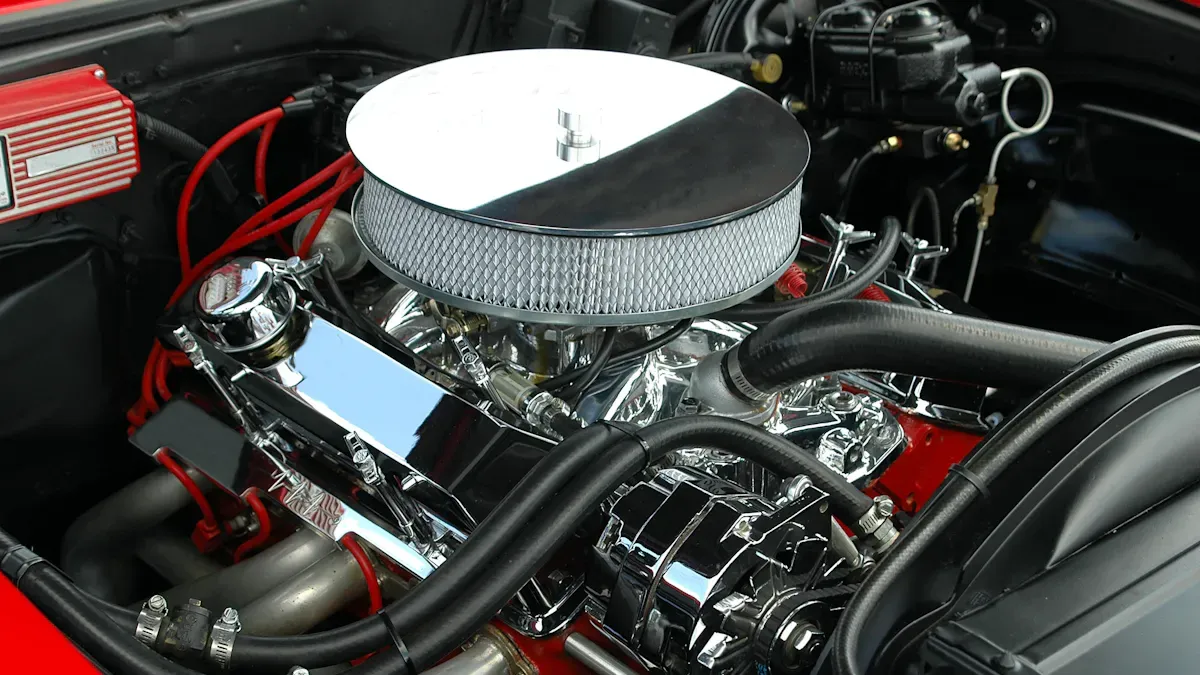
You can notice a bad engine mount if you pay attention. These problems show up as changes in how your car feels or sounds. Here are the most common signs:
You feel too much shaking inside the car, especially when the engine is on or when you speed up.
You hear clunking, banging, or knocking sounds from under the hood.
The engine looks like it moves or shifts when you change gears or go faster.
You feel bumps or jolts when you shift gears.
You see the engine move more than normal when you look under the hood while speeding up.
These signs mean your engine mount may not stop shaking or hold the engine steady. If you ignore these problems, other parts like axles, belts, hoses, and the driveshaft can get damaged. The table below shows how too much shaking from a bad engine mount can hurt other parts:
Component Affected | Impact of Engine Vibration |
|---|---|
Axles | More shaking as speed goes up. |
Steering Wheel | Wobbles or shakes. |
Tires | Wears unevenly and shakes more. |
Hoses | Loose or broken hoses make the engine shake. |
Belts | Worn belts cause more shaking. |
Driveshaft | Bent driveshaft makes the car shake a lot. |
Fuel Intake System | Clogged system makes the engine shake. |
Engine Mounts | Loose mounts do not stop shaking. |
A car engine mount with these issues cannot control or stop vibrations well. You might also notice the car does not handle well or feels unsafe. These signs show the engine mount is not working right.
What to Do If You Notice Problems
If you see signs of a bad engine mount, you should act fast. Do not keep driving with a bad engine mount. This can cause more damage to your car, like the transmission and other important parts. Here are steps you can take:
Set up an inspection with a trusted mechanic as soon as you can.
Ask the mechanic to look for cracks, sagging, or leaks around the motor mount.
If you do not feel safe checking the engine mount yourself, always get help from a pro.
Checking your engine mounts every 25,000 to 50,000 miles helps you find problems early. Changing engine mounts every 3 to 5 years, or sooner if you use your car a lot, keeps your car safe. It is important to install them the right way. Always use the right tools and put in new hardware when you change an engine mount.
YNF Rubber sells strong replacement parts for big machines and construction equipment. Their OEM service gives you custom anti-vibration mounts that soak up shocks and control shaking. YNF Rubber cares about making parts that fit well and last long, so you get a good replacement for your needs.
Tip: Check your engine mounts often and replace them on time. This stops surprise breakdowns and keeps your equipment working well.
Cost to Replace an Engine Mount
The price to change an engine mount depends on your car, the mount type, and where you get it fixed. The table below shows usual costs:
Cost Component | Low-End Estimate | High-End Estimate | Notes |
|---|---|---|---|
Part Cost | $150 (Standard Aftermarket) | $800+ (Hydraulic OEM) | Price depends on mount type and where you buy it. |
Labor Hours | 2 Hours | 10+ Hours | The main thing is how easy it is to reach the mount. |
Labor Rate | $120 / hour | $200+ / hour | Prices change by area and shop. |
Total Estimated Cost (Per Mount) | ~$390 | ~$2,800+ | Does not include taxes or extra repairs. |
You might pay less for a simple engine mount, but harder jobs or tricky spots cost more. If you wait too long, you may need to fix other broken parts, which makes the total price go up.
If you need a new mount for big machines, YNF Rubber can help. They make custom parts and offer OEM services for many brands and machine types. Their skill in making engine mounts and stopping shaking means you get a part that lasts.
Note: Always fix a bad engine mount as soon as you notice it. Acting fast saves money and keeps your car or machine safe.
Engine mounts keep your engine stable and absorb vibrations. This helps your vehicle run smoothly and last longer. If you notice problems, act fast to avoid damage. Quality mounts from YNF Rubber give you less noise, less wear, and fewer repairs. You get better performance and peace of mind.
FAQ
What happens if you ignore a bad engine mount?
You may feel more shaking and hear loud noises. Ignoring it can damage other parts. You should replace bad mounts quickly.
How often should you check engine mounts?
Check your engine mounts every 25,000 to 50,000 miles. Regular checks help you find problems early and keep your vehicle safe.
Can you replace an engine mount yourself?
You can replace an engine mount if you have the right tools and skills. If you feel unsure, ask a professional for help.