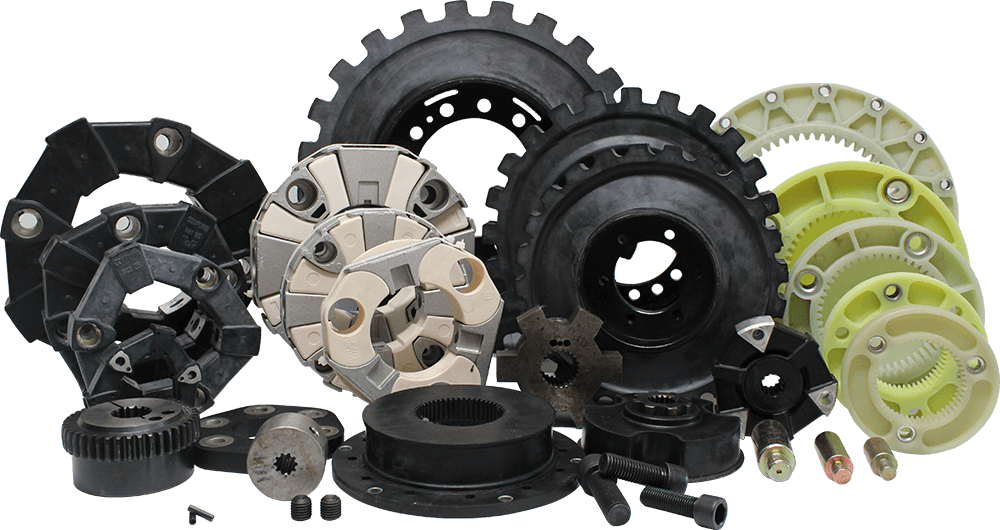

You use machine mounts to keep machines steady on uneven floors. You can also change their height to help balance them better. These mounts have rubber parts that soak up vibration. They stop noise from moving around your workspace. You often find machine mounts in conveyor belts and assembly lines. They are also used in heavy equipment. People use them in car factories, HVAC systems, and construction equipment. Mounts lower vibration and noise. They help machines work safely and smoothly.
Key Takeaways
Machine mounts help machines stay steady on bumpy floors. They keep equipment balanced and make less noise.
Machine mounts use rubber, metal, or plastic. Each material works best for certain jobs.
Anti-vibration mounts soak up shocks and shaking. They help work areas stay quiet and protect delicate equipment.
Picking the right machine mount depends on how heavy the machine is and where it is used. Think about things like chemicals and heat.
Checking and taking care of machine mounts often stops problems and helps machines last longer.
Machine Mounts Overview

What Are Machine Mounts
You use machine mounts to keep machines steady and safe. These mounts help level your equipment and stop it from moving. When you put on machine mounts, you protect machines from shaking and loud sounds. This also makes your workspace safer and more comfortable.
Machine mounts come in many shapes and sizes. They are made from rubber, metal, or special plastics. Each material is good for different jobs. Rubber helps control vibration very well. Metal gives strong support for heavy machines. Plastics are light and do not get damaged by chemicals.
Here is a table that shows what machine mounts do and their features:
Function/Feature | Description |
|---|---|
Materials | Rubber, polyurethane, and metal alloys, chosen for load and environment needs. |
Structural Components | Base plate, isolators, and fasteners, built to handle specific forces. |
Motion Isolation | Stops horizontal movement and protects sensitive equipment. |
Vibration Absorption | Reduces vibration transfer, making machines run better. |
Noise Reduction | Blocks noise from spreading in your workspace. |
Customization | Lets you pick stiffness, damping, and mounting style for your needs. |
Compliance | Meets standards like ISO and ASTM for wide use. |
Operational Monitoring | Sensors track how mounts work, helping you plan maintenance. |
Maintenance | Needs regular checks or replacement to avoid downtime. |
Reliability | Materials can wear out, especially in tough places. |
Applications | Used in manufacturing, power plants, construction, and HVAC systems. |
Machine mounts do more than just hold machines still. They help control vibration, lower noise, and help your machines last longer.
Tip: Most anti-vibration mounts use rubber or a mix of natural and man-made materials. These materials soak up shocks and keep machines quiet.
Machinery Mounts Applications
You see machine mounts in many places. They are used in factories, power plants, and even in your school’s HVAC system. You use them for conveyor belts, assembly lines, and heavy equipment. These mounts keep machines steady, even if the floor is not flat.
Here are some common ways people use machine mounts:
Manufacturing: You use mounts to keep presses, lathes, and milling machines steady. This helps you get better results and keeps workers safe.
Power Generation: You put mounts under generators and turbines. This stops vibration from hurting the floor or other equipment.
Construction: You use mounts for big machines like excavators and cranes. These mounts can hold heavy loads and work in rough places.
HVAC Systems: You put mounts under air conditioners and fans. This keeps noise and vibration from spreading in buildings.
Electronics: You use special mounts to protect delicate devices from shaking or sudden moves.
Here is a table showing types of machine mounts and where you might use them:
Category | Material Types | Applications | Key Features |
|---|---|---|---|
Rubber | Rubber compounds | Automotive, Manufacturing, Electronics | Vibration damping, Flexibility, Cost-effective |
Metal | Metal alloys | Construction, Heavy Machinery | Durability, Load-bearing, Longevity |
Plastic | High-performance plastics | Electronics, Lightweight uses | Corrosion resistance, Vibration isolation |
Others | Composites, Elastomers | Specialized uses | Thermal stability, Chemical resistance |
You pick the right machine mounts for your machines’ needs. If you need to stop a lot of vibration, you use rubber mounts. For heavy machines, you use metal mounts. In places with chemicals or water, you might use plastic or composite mounts.
Note: Machine mounts can hold up to 2,400 kg (5,300 lbs). Some types do not need oil or grease, so you spend less time on care.
Machine mounts help your machines work well. They protect your equipment, lower downtime, and make your workplace safer.
Types of Machine Mounts

There are a few main types of machine mounts. Each type helps with different machine problems. These mounts help stop vibration and keep machines level. They also protect your workspace from noise and shaking. Let’s look at the most common types and see how they work.
Anti-Vibration Mounts
You use anti-vibration mounts to stop machines from shaking. These mounts help absorb vibration and keep things steady. Most anti-vibration mounts use rubber or thermoplastic elastomers. These materials soak up energy and stop it from spreading.
Here is a table that shows what anti-vibration mounts do:
Characteristic | Description |
|---|---|
Materials | Made from rubber and thermoplastic elastomers |
Vibration Absorption | Designed to absorb vibrations well |
Structural Integrity | Stays strong under moving and changing loads |
Classification | Can be fail-safe or non-fail-safe |
You can use anti-vibration mounts in many machines. Here are some examples:
Manufacturing: CNC machines, lathes, and milling machines
HVAC systems: Compressors and pumps
Automotive: Engines and other parts
Electronics: Sensitive equipment
Food industry machinery
Pharmaceutical industry machinery
Heating and ventilation equipment
Fans and power generators
Tip: Anti-vibration mounts help keep machines safe and make your workspace quieter.
Leveling Mounts
Leveling mounts help keep machines balanced on uneven floors. You use these mounts to change the height of your equipment. This keeps machines stable and working well. Leveling mounts come in many shapes and sizes. You can pick from different materials for your needs.
Common materials for leveling mounts are:
Stainless steel: Good for places where you need corrosion resistance
Zinc plated steel: Works well for moderate loads
Nylon: Lightweight and tough
Rubber: Great for vibration dampening
Plastic: Versatile and cost-effective
You can also find leveling mounts made from iron, aluminum, zinc, neoprene, and other plastics. Each material gives you different benefits. For example, rubber pads help with vibration, while stainless steel bolts are strong and last long.
Here is a table to compare materials for leveling mounts:
Material | Application |
|---|---|
Iron | Heavy-duty uses |
Aluminum | Lightweight uses |
Zinc | Resists corrosion |
Neoprene | Reduces vibration |
Rubber | General purpose |
Plastic | Cost-effective solutions |
You use leveling mounts in many industries. They help keep conveyor belts, assembly lines, and other machines steady. You can choose from many types to match your load and environment.
Vibration Isolation Mounts
Vibration isolation mounts stop vibration from moving between machines and the floor. These mounts use special materials like rubber or polyurethane. They stretch and absorb energy, so vibration does not spread.
You use vibration isolation mounts to protect sensitive equipment or keep noise low. These mounts focus on absorbing vibration. Other mounts, like leveling feet, focus on keeping things stable. Vibration isolation mounts work well where you need to control shaking and noise.
You find vibration isolation mounts in many places:
Manufacturing and industrial machinery: They protect heavy equipment and buildings from vibration.
HVAC systems: They keep noise and vibration low for better performance.
Automotive industry: They make rides smoother and protect car parts.
Electronics and precision instruments: They keep sensitive equipment safe from shaking.
Construction and building services: They stop vibration from hurting your building.
Note: Vibration isolation mounts are a type of vibration dampening mount. You use them when you need strong vibration reduction.
How Vibration Isolation Mounts Work
You might wonder how vibration isolation mounts work. These mounts use different parts to stop vibration. The main parts are a vibration isolator, a rubber envelope, and a spring. The vibration isolator reflects and absorbs energy from machines. The rubber envelope bends under load and soaks up vibration. The spring helps absorb more vibration and stops shaking from building up.
Here is a table that shows the main parts and what they do:
Component | Function |
|---|---|
Vibration isolator | Reflects and absorbs energy from machines, giving vibration insulation |
Rubber envelope | Bends under load, absorbs vibration |
Spring | Compresses or stretches to help absorb vibration and stop resonance |
Design considerations | Handles shock loads, daily vibration, and lasts a long time |
Most vibration isolation mounts use passive systems. These systems have mass, springs, and damping parts. They work like a harmonic oscillator. The mass and spring set the natural frequency. Damping helps soak up energy and keeps vibration from spreading both ways.
Studies show that vibration isolation mounts work well. For example, tests on lightweight turntables used special springs to cut vibration in certain frequency bands. The results showed strong vibration reduction, especially in the 8–15 Hz and 32–64 Hz ranges. The power flow transmissibility, which measures how much vibration passes through, drops when you use the right mounts. Damping, stiffness, and the loss factor all help you get better results.
Callout: If you want to keep your machines safe and your workspace quiet, you should use the right types of vibration isolation mounts.
You can see that machine mounts come in many forms. You use anti-vibration mounts to stop shaking. Leveling mounts keep things balanced. Vibration isolation mounts block vibration from spreading. Each type helps you solve a different problem and keeps your machines running smoothly.
Benefits of Machine Mounts
Vibration and Noise Reduction
You want machines to be quiet and smooth. Mounts help lower vibration and noise. They work well in factories and big buildings. Vibration isolation mounts and pads stop shaking from moving through walls and floors. They also keep noise from spreading around. This makes your workspace quieter and more comfortable.
Vibration isolation mounts and pads lower noise and shaking in factories.
They stop noise from traveling through the building’s frame.
You get better control over noise and a quieter place to work.
You can see how much noise drops in real-life examples:
Application | Noise Reduction | Description |
|---|---|---|
Rubber Design Mounts | Significant | Cuts down vibration and lowers noise in many factories. |
Vibrating Screen | 50dB (99.999%) | Removes low hum from a wood scrap sieve. |
Mine Water Evaporator Fans | 18dB | Makes fans work better and lowers noise. |
Formula 1 Fan | 30dB | Gets rid of low tones without extra care. |

Rubber mounts and pads soak up sound waves. This helps you follow noise rules and keeps workers’ ears safe.
Stability and Longevity
Mounts keep machines steady and in place. Stable machines last longer and break less often. Mounts stop extra movement and keep parts where they should be. This means machines work better and need fewer repairs.
Benefit | Description |
|---|---|
Improved Cutting Consistency | Stops too much movement, so cuts are clean. |
Longer Tool and Tooling Life | Lowers wear on tools and protects inside parts. |
Less Frequent Maintenance | Makes machines stable and lowers misalignment and strain. |
Improved Floor Integrity | Cuts down vibration that goes to the floor. |
Improved Productivity | Lets machines run faster and longer without losing quality. |
Mounts help you save money. When machines stay steady, you avoid expensive repairs and downtime. In car and food factories, mounts help keep things precise and stop failures. You spend less on fixing machines and keep work going smoothly.
Using the right mounts means fewer breakdowns, less noise, and longer life for your machines. You protect your machines and make your workspace safer and more productive.
Choosing Machine Mounts
If you want to level a machine, you must pick the right mounts. You should think about a few important things before you choose. The right mounts help lower vibration and keep machines steady. They can also stop your machines from getting damaged.
Material and Load Capacity
You need to think about what the mounts are made of and how much weight they hold. Some materials work better for certain jobs. Rubber and polyurethane are good at stopping vibration and shaking. Metal mounts are strong and last a long time. Plastic mounts work well where there are chemicals or water.
Here is a table to help you see what matters most when picking materials:
Factor | Why It Matters |
|---|---|
Damping capacity | Absorbs shock and vibration |
Compression set | Determines how well the mount recovers |
Temperature range | Performance in hot/cold conditions |
Oil/chemical resistance | Needed in industrial or automotive settings |
You also need to check how much weight the mount can hold. If the mount is too weak, your machine will not stay level. For each type of equipment, use a certain percent of the biggest load the mount can take. The table below shows what works best for each use:
Application | % Of maximum static load capacity. |
|---|---|
Vehicle cabin | 50-70 |
Commercial vehicle engine | 50-70 |
Marine Engine | 50-70 |
HVAC | 70-85 |
Suspended machines | 70-85 |
Generator set | 50-85 |

If you want to use leveling mounts, match the weight and material to your machine. Some leveling mounts are better for heavy things. Others work best for lighter machines. Shock absorbing mounts are good for machines that move or shake a lot.
Tip: Always look at the maker’s guide for weight limits before you put in mounts.
Application Environment
You should think about where you will use your mounts. Some places have chemicals, high heat, or lots of water. These things can change how well your mounts work. Here are some things that can affect your mounts:
Chemicals in the area
Changes in temperature
Sunlight (UV rays)
Water or moisture
If you use mounts in tough places, you should follow some best steps. The table below gives you some ideas:
Best Practice | Description |
|---|---|
Design for allowable deflection | Focus on the best performance of free-standing mounts, not just the weight. |
Mass ratio | Try for a mass ratio of 1.5:1 for important machines and 1:1 for less important ones. |
Flexible connections | Make sure all air, water, and electric lines can move if needed. |
Center of gravity | The center of gravity should be below the top of the base and close to the middle. |
Soil load verification | Check the ground can hold the weight and lower the limit by half for machines that move a lot. |
Vibration analysis | Test for vibration while the machine is running if it is sensitive to shaking. |
Compliance with codes | Make sure concrete and steel meet building rules and think about wear for big shakes. |
Anchor bolt placement | Put anchor bolts at least 12 inches from the edge or as deep as they go unless reinforced. |
You can use leveling to keep machines steady in hard places. The leveling mounts you pick should match the heat, water, and chemicals in your space. This helps your mounts last longer and keeps your machines safe.
If you want mounts you can trust, YNF Rubber has many choices. They have leveling mounts and shock absorbing mounts. Their products help you level machines, lower vibration, and protect your equipment.
Machine mounts help your machines stay steady, quiet, and safe. There are a few types, like anti-vibration, leveling, and vibration isolation mounts. When picking mounts, look at how much weight they can hold. Check if they stop vibration and keep out dust and water.
Some new designs soak up shocks and help machines last longer.
Checking mounts often and putting them in the right way makes them work better.
If you want good mounts and help from experts, YNF Rubber is a smart choice.
FAQ
What is the main purpose of machine mounts?
You use machine mounts to keep machines steady and safe. They help reduce vibration and noise. This makes your equipment last longer and your workspace quieter.
How do I know which type of machine mount to choose?
You should check your machine’s weight, the amount of vibration, and the environment. Look for mounts made from materials that match your needs. If you need help, YNF Rubber can guide you.
Can I install machine mounts by myself?
You can install many mounts with basic tools. Always follow the instructions from the manufacturer. For heavy or complex machines, you may need expert help.
How often should I check or replace machine mounts?
You should check mounts every few months. Look for cracks, wear, or loose parts. Replace them if you see damage or if your machine starts to shake more than usual.
Where can I buy reliable machine mounts?
You can find quality machine mounts at YNF Rubber. They offer many types for different machines and environments.