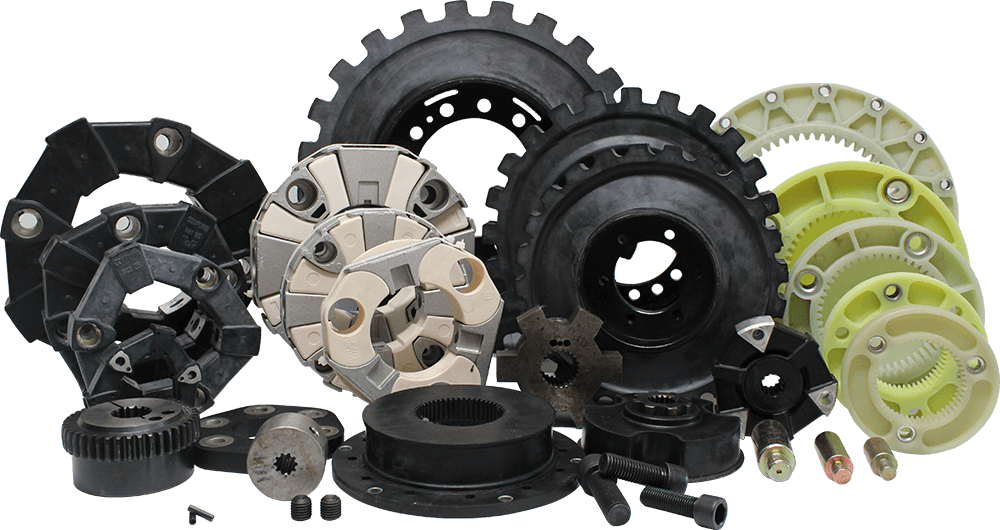

Vibration damping sandwich mounts help stop unwanted movement in machines. These mounts have special layers that soak up and block vibrations. You can use them to lower noise and keep your equipment safe from harm. When you put in vibration damping sandwich mounts, your machines work better and your workspace gets quieter.
Key Takeaways
Vibration damping sandwich mounts help stop machines from shaking too much. This makes machines safer and less noisy.
These mounts have layers of rubber and metal. The layers soak up vibrations and change energy into heat. This helps keep equipment safe.
Picking the best kind of rubber for your mounts can make them work better. It also helps them last longer.
Checking these mounts often can help you avoid problems. This can save you time and money because you fix things less.
It is important to pick the right mount for your machine. You should think about your machine’s weight and where it is used. This helps control vibrations well.
Vibration Damping Sandwich Mounts
What They Are
People use vibration damping sandwich mounts to stop machines from moving too much. These mounts have layers inside them. Metal parts like steel or aluminum make the mount strong and steady. Rubber polymers, such as natural rubber, silicone, or neoprene, go between the metal layers. The rubber layers soak up and slow down vibrations. When a machine shakes, the rubber turns that energy into heat. This helps keep the shaking from spreading. The design keeps delicate equipment safe and makes work areas quieter.
Tip: Picking the right rubber can help your mount work better. Natural rubber is good for most jobs. Silicone and neoprene are better if you need more protection from heat or chemicals.
Common Uses
You can find vibration damping sandwich mounts in lots of places. They help keep machines safe, make things more comfortable, and help equipment last longer. Here are some places where you might see these mounts:
Industry/Sector | Application Description |
|---|---|
Manufacturing Industry | Cuts down on shaking from machines. This helps products turn out better and machines last longer. |
Aerospace and Defense | Keeps important equipment safe from shaking. This helps things work well and stay reliable. |
Automotive Sector | Makes cars quieter and smoother. This helps people feel comfortable and happy with their vehicles. |
You also see these mounts in many kinds of business equipment:
Lab and testing equipment: Helps keep results correct and equipment safe.
Data centers: Makes things quieter and protects electronics.
Industrial machinery: Helps machines work better and last longer.
Aircraft components: Makes flying safer by lowering vibration.
Manufacturing equipment: Helps machines run well and wear out less.
Note: As more companies use robots and precise machines, they need more vibration damping sandwich mounts. You will see even more uses soon.
How They Work
Vibration Absorption
When you use vibration damping sandwich mounts, your machines shake less. These mounts take the energy from shaking and change it into heat. The rubber layer inside bends and stretches every time the machine moves. This bending turns the movement energy into heat. The heat spreads out and does not hurt your equipment.
The rubber part bends when your machine shakes.
This bending takes in the energy and makes heat.
The heat leaves the mount, so shaking does not spread.
Sandwich mounts use rubber because it can stretch and go back to its shape many times. This helps the mounts catch and stop shaking. Using these mounts keeps your machines safe and helps them work well.
Tip: If you want to protect your equipment from hard hits or strong shaking, pick mounts with tough rubber layers. These layers can take heavy loads and soak up more energy.
Isolation Mechanism
Vibration damping sandwich mounts do more than just soak up energy. They also make a wall between your machine and the ground. The rubber inside moves in a way called shear deformation. This movement stops most shaking from reaching other parts.
When you put these mounts under sensitive machines, you keep the shaking from spreading. This matters for lab tools, computers, or anything that needs to stay still. The mount blocks the way for shaking, so your equipment stays safe and quiet.
You might see that these mounts do not stop all shaking. They mostly lower the energy of the shaking, so your workspace is quieter and your machines last longer. Some other ways try to block all shaking, but sandwich mounts focus on lowering the energy that gets through.
Note: If you need to protect very delicate equipment, check if the mount can handle slow shaking and sudden hits. The right mount will keep your machines safe and help them work better.
Benefits
Noise and Shock Reduction
You want your machines to be quiet and safe. Vibration damping sandwich mounts help you do this. These mounts take in energy before it spreads. This lowers noise and shock. Using the right material makes them work even better. Polyurethane foam can cut vibration by more than half. It can also lower impact force by 78%. Rubber and PE foam help too, but not as much.
Material | Coefficient of Restitution (COR) | Vibration Amplitude Reduction | Impact Force Reduction |
|---|---|---|---|
Polyurethane Foam | 0.36 | 52.16% | 78% |
Aluminium | 0.82 | N/A | N/A |
Rubber | N/A | 21.38% | N/A |
PE Foam | N/A | 22.35% | N/A |
Hard Surfaces | N/A | Negligible | N/A |

Tip: If you use sensitive tools, even small shakes can hurt them. These mounts act like cushions. They help keep your machines steady and quiet.
Durability
You want mounts that last a long time, even with heavy use. The rubber layers inside spread out the force. They can handle lots of pressure. This makes them good for hard jobs in factories or shops. Using these mounts helps your machines stay strong for years. They also keep things lined up and working right. This means your machines stay accurate and do their job well.
These mounts lower shaking, so your machines last longer.
They keep parts in place, so you get better results and fewer problems.
Rubber isolators stop shaking from causing cracks or breaks over time.
Maintenance
You save time and money when you use vibration damping sandwich mounts. Machines with these mounts need less fixing and last longer. Most rubber sandwich mounts last 10 to 15 years. You only need to check them every six months. This is much easier than other types, like coil spring isolators, which need more care.
Type of Mount | Average Lifespan (Years) | Maintenance Interval Recommendations |
|---|---|---|
Rubber Sandwich Mounts | 10 to 15 | Inspections every 6 months |
Coil Spring Isolators | 5 to 7 | Routine lubrication and adjustments |
Note: Less shaking means less damage. You will spend less on repairs and your machines will last longer.
Materials
Metal Components
You want your vibration damping sandwich mounts to last and hold up under pressure. Most mounts use steel for the metal parts. Steel gives you strong support and helps the mount carry heavy loads. You also see aluminum in some mounts. Aluminum weighs less than steel, so it works well when you need to keep things light. Both metals resist bending and breaking. When you use steel or aluminum, your mounts stay steady and safe, even when machines run all day.
Tip: Choose steel if you need extra strength and durability. Pick aluminum if you want to reduce weight without losing too much support.
Elastomer Layers
The elastomer layer sits between the metal parts. This layer does most of the work to stop vibrations. You can pick from several types of elastomers, each with its own strengths:
Natural Rubber: Good for dry places. It costs less and works in temperatures from -40°F to 165°F.
Neoprene: Handles a wide temperature range, from -50°F to 250°F. You need more material to get the same effect as natural rubber.
Nitrile: Stands up to oils, solvents, and water. It costs more than natural rubber but lasts longer in tough spots.
Silicone Rubber: Not the best for vibration damping, but it can handle high heat.
You also find special elastomers like ISOLOSS™ HD and ISOLOSS™ SL. These give you better load strength and keep their shape under pressure.
Elastomer Type | Properties |
|---|---|
ISOLOSS™ HD | High load strength, resists compression, stays stiff, max temp 158°F, resists harsh settings |
ISOLOSS™ SL | Good damping, stable in many temps, works in thin layers |
Natural Rubber | Cheap, good in dry, -40°F to 165°F, not for oils or ozone |
Neoprene | -50°F to 250°F, needs more material, resists weather |
Nitrile | Handles oils, solvents, water, hydraulic fluids, more costly |
Silicone Rubber | Not great for vibration damping, but handles heat |
Note: Pick your elastomer based on where you use the mount. If you face oils or chemicals, nitrile works best. For most jobs, natural rubber gives you a good balance of cost and performance.
Types
Cylindrical
Cylindrical vibration damping sandwich mounts are used in many machines. These mounts have strong metal and rubber parts. They help stop vibration and lower noise. You get better control over how your machine moves. Cylindrical mounts work for many jobs and do not cost a lot. But they are not good if your machine has strong side forces.
Made with tough metal and rubber for good vibration control
Helps make machines quieter and steadier
Best for up-and-down loads, not for strong side pushes
Many shapes and materials are available for different needs
Used in machines, cabinets, and control panels
Also found in planes, military gear, and farm equipment
Good for small machines like air compressors, engines, and pumps
Tip: Use cylindrical mounts if you want a cheap and easy way to cut vibration in machines that do not have heavy side loads.
Rectangular
Rectangular mounts have a flat and wide shape. This gives more support for big or heavy machines. The mount spreads the weight out, so your machine stays steady. You use rectangular mounts for large tools that need extra help. The shape keeps machines from tipping or sliding.
Flat shape touches more of the base
Works well for big or heavy machines
Helps keep things level and safe
Used in presses, big fans, and strong pumps
Note: If your machine is big or needs more balance, rectangular mounts help keep it steady and safe.
Stud and Plate
Stud and plate mounts are simple and strong. One side has a metal plate, and the other has a threaded stud. This saves space and makes it easy to put in. These mounts can hold heavy things because the rubber and metal stick together well.
Advantage | Description |
|---|---|
Simple design | Fits in small spaces easily |
Heavy load capacity | Can hold big machines and strong forces |
High strength bond | Rubber and metal stay together even under pressure |
High compressive strength | Handles heavy weight without breaking |
Energy control | Keeps your equipment safe from vibration |
Easy to install | Quick and simple to set up |
Low maintenance | Needs little care, just change when worn out |
Tip: Pick stud and plate mounts if you want a strong and easy way to protect heavy machines from vibration.
Choosing the Right Mount
Selection Criteria
You want your vibration damping sandwich mount to work for you. First, check how much weight the mount can hold. The mount should carry your machine and stop shaking. If the mount is too weak, it might break. If it is too strong, it may not block vibrations well.
Next, look at your machine’s size and shape. The mount should fit the space you have. Think about how your machine shakes. Every machine has its own way of vibrating. The right mount helps stop these vibrations from causing trouble.
Use this table to compare what matters:
| Criteria — | Description — | | Maximum mounting size — | The biggest size the mount can be for your setup. — | | Resonance frequencies — | The vibration spots your equipment and support reach. — | | Moment of inertia — | How mass spreads around the center for balance. — | | Fail-safe installation — | The mount keeps working even if something fails. — | | Materials — | The kind of rubber or metal used for strength. — | | Environmental resistance — | How well the mount handles heat, cold, oil, or chemicals. — | | Installation and static load — | How you put in the mount and the weight it holds. — |
Tip: Always check where you use your machine. If your workspace has high heat or chemicals, pick mounts with NBR or EPDM rubber. These types work well in tough places.
Application Fit
You need the mount to match your job. Think about where you use your machine. If you work in hot or harsh places, pick mounts with strong metal and good rubber. Some mounts, like wire rope isolators, work in very hot or cold spots from -75°C to +175°C.
People sometimes make mistakes. They forget about how much weight the mount needs to hold. They do not check how much the mount bends. They ignore shock forces. You can avoid these problems by checking your machine and the mount’s features.
Check the weight and how it spreads on the mount.
Make sure the mount can take sudden hits and bouncing.
Look at the temperature and liquids in your workspace.
Note: For strong vibration damping sandwich mounts, you can trust YNF Rubber. They make tough mounts for many jobs and places.
You have learned that vibration damping sandwich mounts use rubber and metal. These mounts help heavy machines stay steady and quiet. They also keep your equipment safe.
They stop vibrations from moving to other places.
They help control shaking and keep machines safe.
They spread weight, so your equipment lasts longer.
Picking the right mount helps your machine last longer. It also means you spend less on repairs. To get the best results, talk to experts and plan for vibration control early.
Recommendation | Description |
|---|---|
Predictive Studies | Plan for noise and vibration control before you set up equipment. |
Team Approach | Work with experts to fix vibration problems. |
Acoustical Consulting | Ask consultants to guess sound and vibration before you start your project. |
FAQ
What is the main job of a vibration damping sandwich mount?
You use a vibration damping sandwich mount to stop shaking and noise from moving through your machines. The mount keeps your equipment steady and safe.
How do I know which mount size to pick?
You should check your machine’s weight and how much space you have. Pick a mount that can hold the load and fits your setup. If you feel unsure, ask an expert.
Can I use these mounts outdoors?
Yes, you can use these mounts outside. Pick mounts with rubber that resists weather, oil, and sunlight. Nitrile or neoprene work well for outdoor jobs.
How often should I check or replace my mounts?
You should inspect your mounts every six months. Most mounts last 10 to 15 years. Replace them if you see cracks, wear, or if your machine shakes more than usual.