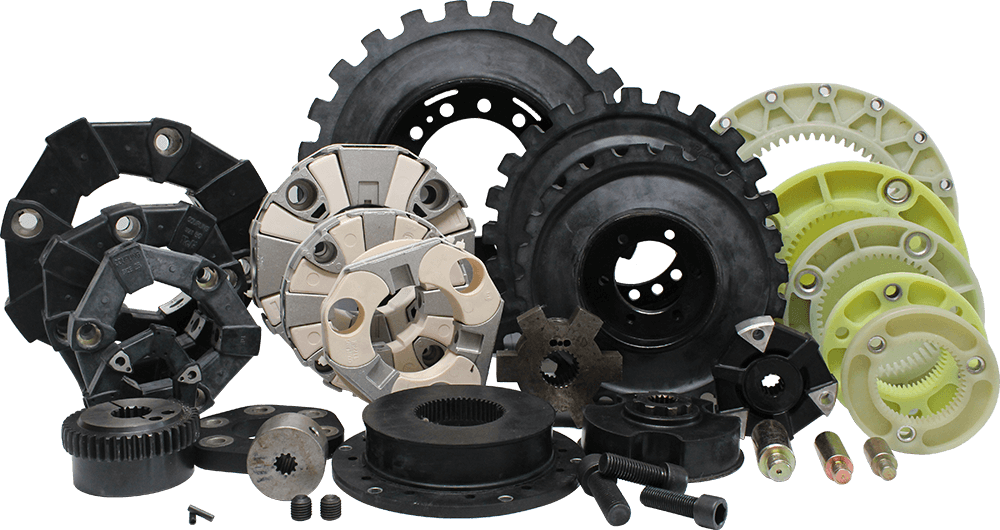

You want the best rubber for vibration damping because it soaks up energy and stops unwanted movement. Sorbothane is special because it absorbs a lot of energy, but natural rubber and synthetic rubbers can also work well for different needs. Each type has its own good points. For example, natural rubber stretches well, while synthetic rubbers handle chemicals and heat better. Important things like durometer, how well it stands up to the environment, and how it sticks to metal help you choose the right one. These things really affect how well it works and how long it lasts.
Key Takeaways
Pick rubber with a durometer from 40 to 60 Shore A. This range helps stop vibrations well. Softer rubbers soak up vibrations better.
Check for a high damping coefficient called Tan Delta. If the value is higher, it absorbs more energy from vibrations.
Think about where you will use the rubber. Natural rubber works well inside. EPDM and neoprene are better outside or with chemicals.
Sorbothane is the best for vibration damping. It absorbs shocks and spreads out energy very well.
Always check the load capacity and how to install the rubber. This makes sure it fits your equipment and works right.
Rubber for Vibration Damping
Key Properties
When you pick rubber for vibration damping, you should look at some main things. The durometer, which means how hard the rubber is, is very important. Softer rubbers are better at stopping vibrations. Harder rubbers can hold more weight. The best durometer for vibration damping is between 40 and 60 Shore A. You also want rubber with a high damping coefficient. This means it can take in and lower the energy from vibrations. Rubber works well for this because it is visco-elastic. That means it acts like both a spring and a thick liquid. When you push or pull on it, the rubber’s molecules rub together. This rubbing makes heat, which helps stop the shaking.
Other important things are how well the rubber stands up to damage. This helps the rubber last longer. It is also good if the rubber sticks well to metal or other things. Some rubbers, like butyl rubber, are good at soaking up vibrations and lasting a long time. EPDM rubber is good outside because it can handle weather and dampen vibrations. Silicone rubber can take very hot or cold temperatures, but it does not stop vibrations as well as some others.
Tip: Always look at the loss factor, called Tan Delta, when picking rubber for vibration damping. If the Tan Delta is higher, the rubber can soak up more energy.
High Hysteresis and Damping
Hysteresis is a big reason why rubber is good for vibration damping. When you bend or stretch rubber, it does not go back to its shape right away. Some of the energy turns into heat. This is called energy dissipation. If a rubber has more hysteresis, it can soak up more vibrations.
Concept | Explanation |
|---|---|
Hysteresis | When rubber bends, its molecules rub and make heat, so energy is lost. |
Tan Delta | A higher Tan Delta means the rubber can dampen more vibrations. |
Energy Dissipation | High hysteresis lets rubber turn vibration energy into heat. |
Rubber with high hysteresis works well in many temperatures and for many types of shaking. This makes it a good choice for lots of machines and tools. You will get less noise, less shaking, and your equipment will last longer.
Vibration Damping Material Comparison
Natural Rubber
Natural rubber is a common choice for vibration damping. It absorbs a lot of energy and keeps its shape. It stretches easily and snaps back fast. This makes it good for moving parts. It lasts a long time because it does not lose much energy as heat.
Advantages:
Absorbs energy well
Stretches and returns to shape fast
Lasts long in dynamic environments
Disadvantages:
Does not handle high heat or strong chemicals
Not good for places with extreme temperatures or oil
Natural rubber works well for indoor machines and tools. It is not the best for outdoor or chemical-heavy places.
Type of Rubber | Damping Coefficient |
|---|---|
Natural Rubber | Low |
Butyl Rubber | High |
Neoprene | Medium |
EPDM | Medium |
Silicone | Medium |
Neoprene
Neoprene is tough and flexible. It protects against impact and wear. It resists damage and handles some chemicals. Neoprene bends under force and spreads out vibrations.
Used in conveyor belts, gaskets, hoses, and vibration dampers
Stays strong in temperatures from -40°C to +120°C
Good chemical resistance, but not for strong acids or some hydrocarbons
Property | Performance |
|---|---|
Temperature Range | -40°C to +120°C |
Chemical Resistance | Good, but not for all chemicals |
Effective due to elasticity and density |
Pick neoprene if you want a material that lasts and works in many places. It is not the best for strong acids or certain oils.
EPDM
EPDM rubber gives strong vibration damping in tough jobs. It acts like a spring and a thick liquid. EPDM absorbs energy well. It has low elastic modulus and high bulk modulus. This helps reduce vibrations in engine mounts and buildings.
EPDM works well outside. It stays flexible and strong in heat and bad weather. You see EPDM in car weatherstrips, HVAC gaskets, and waterproofing.
Environment | EPDM Performance | Other Rubbers Performance |
|---|---|---|
Outdoor Elements | Excellent weather resistance | Degrades quickly |
High Temperatures | Stays flexible and durable | Loses properties |
Dynamic Stress | Absorbs vibrations well | Less effective |
EPDM is a smart pick for outdoor or high-stress jobs.
Butyl
Butyl rubber blocks gases and is airtight. It resists chemicals and weather. It stays flexible in cold. Butyl rubber absorbs energy and cuts down on noise and shaking. You see it in shock mounts and bushings.
Butyl rubber works in car suspensions and HVAC systems. It makes rides smoother and machines quieter.
Butyl rubber does not resist oil and fuel well. It tears more easily and does not work well in high heat.
Rubber Type | Damping Performance Characteristics | Other Properties |
|---|---|---|
Butyl Rubber | Excellent shock absorption, airtightness, and gas impermeability | Good chemical resistance, low gas permeability, poor oil and ozone resistance |
Natural Rubber | Superior resistance to part fatigue, ideal for durability in vibration and noise environments | High elasticity, good tensile strength, poor resistance to ozone, oxygen, and light |
Neoprene Rubber | Good wear and oil resistance, excellent aging resistance, but may not match butyl rubber’s damping | High tensile strength, good abrasion resistance, poor resistance to UV and ozone |
Sorbothane
Sorbothane is often called the best for vibration damping. It has a very high damping coefficient and great shock absorption. Sorbothane is a viscoelastic polymer. It acts like both a solid and a liquid. It turns vibration energy into heat and stops rebound.
Dissipates energy as heat
Has a low creep rate, so it keeps its shape longer
Offers shock absorption, vibration isolation, and damping
Sorbothane reduces harmful vibrations better than other materials. It works for heavy machines and delicate electronics. You get better transmissibility and more deflection under load. Sorbothane lasts longer and keeps equipment safe.
Sorbothane acts like a liquid at the source of vibration impact.
It returns to its original shape after the vibration stops.
It absorbs and releases vibration energy safely, making it the best vibration damping choice for many uses.
Property | Sorbothane | Other Materials |
|---|---|---|
Type | Viscoelastic polymer | Natural rubber, neoprene |
Damping Coefficient | Very high | Lower |
Shock Absorption | Excellent | Moderate |
Energy Dissipation | Converts to heat | Returns energy back |
Creep Rate | Low | Higher |
Fatigue Life | Long | Shorter |
Silicone
Silicone rubber is flexible and strong. It works in hot and cold places. Silicone resists chemicals and does not break down fast. It is non-toxic and fights germs.
Advantages | Disadvantages |
|---|---|
Temperature resistance | Cost |
Flexibility | Mechanical strength limitations |
Chemical resistance | Low tear resistance |
Durability | Poor abrasion resistance |
Non-toxic | Lower tensile strength |
Anti-microbial properties | Poor oil resistance |
Silicone is not as strong as other rubbers for vibration damping. It works well in electronics because it insulates against electricity. You see silicone pads in fast machines and noise dampening in electronics.
Property/Feature | Description |
|---|---|
High Dielectric Strength | Prevents electrical interference, good for electronics |
High Temperature Resistance | Handles 400-500°F, suitable for many uses |
Soft and Tough | Resists damage from scratching or impact |
Arc Resistance | Good for electrical insulation |
Char Formation When Burned | Maintains insulation even when exposed to fire |
Pick silicone for electronics or places with high heat. It is not the best for heavy-duty mechanical jobs.
Best Vibration Damping Applications

Industrial
Factories and big machines need good rubber for vibration damping. Natural rubber is great because it soaks up shaking and lasts long. Neoprene and EPDM are also good if you need to fight chemicals or bad weather. Machines in factories need rubber that is strong and stops shaking. Closed cell rubber acts like tiny springs, so it helps machines that shake a lot.
Industry | Application Description |
|---|---|
Aerospace | Parts that lower vibration and noise in planes. |
Construction | Bridges and buildings that must stay steady. |
Industrial Machinery | Heavy machines that need strength and less shaking. |
Natural rubber is a good spring material. It is tough, cheap, and sticks to metal. This helps cut down on shaking and noise in rough places.
Automotive
Cars and trucks use rubber to keep rides smooth and safe. You find rubber in engine mounts, suspension, and exhaust hangers. Natural rubber is good for engine mounts because it stretches and takes in shocks. Neoprene and EPDM are better if you need oil resistance or heat protection. Butyl rubber helps make cars quieter and tires less shaky. The right rubber stops cracks and keeps your car quiet.
Natural rubber: engine mounts, suspension
Neoprene: machinery mounts, isolators
EPDM: HVAC, seals, weatherstrips
Butyl: tires, soundproofing
Electronics
Electronics need rubber to protect small parts from shaking. Even little shakes can hurt circuits or make noise. Silicone rubber is used a lot because it handles heat and blocks electricity. EPDM and natural rubber also help by soaking up shocks and keeping gadgets safe. You see these rubbers in pads, gaskets, and mounts inside computers and other electronics.
Lowers stress on parts
Stops extra noise and shaking
Helps devices last longer
Consumer
Many things you use every day need rubber for vibration damping. Shoes, washing machines, and speakers all need to control shaking. Natural rubber and SBR are used in shoes to absorb shocks. EPDM and neoprene are good for home machines because they fight heat and chemicals. When picking rubber for products, think about weight, type of shaking, and where you will use it.
Tip: Always look at what the product needs and try different rubbers to see which works best.
Comparison Table
This table helps you look at different rubbers for vibration damping. It shows their main features, good points, and bad points. This makes it easier to choose the right one for your job.
Rubber Type | Damping Ability | Durometer (23°C) | Temp Range (°C) | Advantages | Disadvantages |
|---|---|---|---|---|---|
Natural Rubber | High | 65-75 | -50 to +70 | Great elasticity, good adhesion | Poor oil/ozone resistance |
Neoprene | Medium | 65-75 | -40 to +120 | Good weather/chemical resistance | Lower damping than NR or BR |
EPDM | Medium | 70-75 | -50 to +150 | Excellent heat/weather resistance | Lower damping than BR |
Butyl | High | 75 | -45 to +120 | Excellent shock absorption, airtight | Poor oil resistance, tears easily |
Sorbothane | Very High | 30-70 | -29 to +71 | Best energy absorption, long fatigue life | Cost, not for high heat/oil |
Silicone | Medium-Low | 60-70 | -60 to +230 | Top temperature/chemical resistance | High cost, lower damping |
Tip: Durometer tells you how hard the rubber is. If the number is lower, the rubber is softer. Softer rubber usually stops vibrations better.
The chart below shows how rubber gets softer when it gets hotter. Softer rubbers lose hardness as the temperature goes up. This can change how well they stop vibrations.

Quick Pros and Cons:
Natural Rubber: Stretches well and stops shaking, but breaks down in oil or sunlight.
Neoprene: Handles chemicals and weather, but does not dampen as much as natural rubber.
EPDM: Good for outside, but does not soak up as much vibration as butyl.
Butyl: Great at stopping shocks, but tears easily and does not like oil.
Sorbothane: Best for stopping vibrations, but costs more and cannot take high heat.
Silicone: Works in hot or cold, but does not dampen as much and costs more.
When you look at these rubbers, think about where you will use them and what kind of shaking you need to stop. Picking the right one keeps your things safe and quiet.
Sorbothane is best for stopping vibrations. Natural rubber, neoprene, and EPDM also work well. Pick the rubber that fits your job. Look at the table for important things to check:
Factor | Description |
|---|---|
Load Capacity | The rubber must hold the equipment’s weight. This stops it from breaking. |
Vibration Frequency and Amplitude | Some isolators work better at certain vibration speeds. Rubber isolators are good for fast vibrations. |
Environmental Conditions | The material should handle changes in temperature and wetness. It should also resist chemicals. |
Installation Requirements | Make sure it is easy to put in. This saves time. |
Maintenance Needs | Check and care for the rubber often. This helps it last longer. |
Cost Considerations | Think about the price to buy, install, and keep it working. |
Compatibility with Application Requirements | The isolator should fit what you need it to do. |
Natural rubber stretches well for normal jobs.
Neoprene and EPDM fight weather and chemicals.
Pick rubber with the right hardness. Do not stretch it too much.
Pick the rubber that matches your place and machine. This keeps your equipment safe and quiet.
FAQ
What are the main types of vibration dampers?
There are different kinds of vibration dampers. Some examples are rubber pads, spring mounts, and closed cell rubber sheets. Each one helps lower shaking in machines or buildings. You should choose the type that fits your equipment and how much vibration you want to stop.
How do vibration dampers work?
Vibration dampers take in energy from moving parts. They spread out the energy and turn shaking into heat. This helps protect your equipment and keeps things quieter. You get better results if you use the right damping materials.
Where should you use vibration dampers?
Use vibration dampers where machines or tools shake a lot. Common places are engines, HVAC systems, and electronics. Vibration mounts and rubber vibration mounts work well for these jobs. They help keep your equipment safe and steady.
What is the difference between vibration isolation and vibration damping?
Vibration isolation stops vibrations from moving to other parts. Vibration damping makes the vibration weaker. You often need both for the best results. Using the right dampers can help you reach both goals.
Can you use closed cell rubber for vibration dampers?
Yes, closed cell rubber works as a vibration damper. It traps air inside, so it is soft and springy. This kind of rubber helps with vibration isolation and noise control in many places.