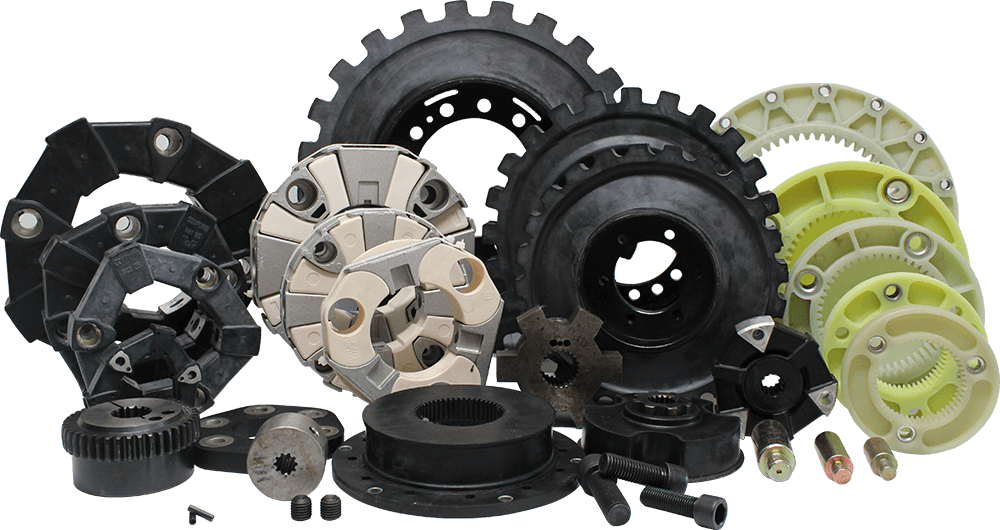

You use all thread vibration isolators to stop unwanted shaking and noise in machines. These devices have a threaded center covered by a soft material.
They take in vibrations from machines.
They keep buildings and important parts safe.
You put them in place to make a wall that stops vibration energy from moving on.
Key Takeaways
All thread vibration isolators help stop shaking and noise in machines. They protect equipment and buildings from damage.
Pick the right isolator by looking at your machine’s weight. You should also think about how often it vibrates. The place where you use the machine matters too.
Check your isolators often for damage or wear. This helps stop problems and keeps your machines working well.
Use strong materials like stainless steel and tough rubber. These materials last long and control vibrations well.
Install the isolator the right way for best results. Make sure its frequency matches your machine’s vibrations. This is very important for good performance.
All Thread Vibration Isolators
Definition
All thread vibration isolators help keep machines and buildings safe. They stop shaking and loud sounds. These devices have a threaded rod in the middle. A soft, bendy material covers the rod. You can screw them into machines or supports. In engineering, experts say vibration isolators stop shaking and noise from spreading. You see them where you need to protect delicate equipment. They are also used for light structures that need to avoid strong forces.
Note: All thread vibration isolators are very important in engineering today. They help control what moving machines do. This is extra helpful where even small shakes can cause trouble.
Function
When you put in all thread vibration isolators, you make a wall that blocks shaking. These isolators soak up the movement from machines. They stop it from reaching floors, walls, or other things. You can use them to keep delicate tools safe from outside shakes. They also stop loud machines from bothering the building. Because of this, they are useful in many places.
Here are some things to think about when using all thread vibration isolators:
The weight the isolator needs to hold.
How often your machine shakes.
If the support is stiff or bendy.
These isolators lower the force that goes from the machine to the support. They also keep delicate equipment safe from shakes in the floor or building. This helps machines work well and keeps things quiet.
Working Principle
Vibration Isolation
All thread vibration isolators stop vibrations from moving between parts. These devices do not need power to work. They use special materials and parts to soak up shaking. When you put them in, they act like a wall that blocks vibration. Here is how vibration isolation works:
It keeps vibrations from moving from one part to another.
Passive systems use weight, springs, and damping to soak up energy.
The system acts like a bouncing spring, with weight and spring setting the frequency.
Damping spreads out energy and stops shaking from getting worse.
Vibration isolation is important for keeping machines and buildings safe from shaking.
Controlled Displacement
All thread vibration isolators control how much things move when forces push on them. You want to keep movement small and safe. These isolators use smart designs to handle different weights and forces. The table below shows features that help control movement:
Feature | Description |
|---|---|
Modular Design | Lets you plan for earthquake or wind forces apart from weight needs. |
Seismic Load Minimization | Cuts down on earthquake forces sent to anchors, giving higher ratings. |
Open Spring Design | Makes it easy to check and adjust during setup and care. |
Pendulum Suspension | Lowers the center of gravity, making it more steady. |
You can use these features to keep your equipment safe and steady, even when strong forces hit.
Frequency and Damping
The natural frequency and damping of vibration isolators are very important. These things decide how well the isolator soaks up and spreads out shaking. If you match the isolator’s frequency to your machine, you get better safety. Damping helps slow down and control shaking, so your equipment stays safe.
You need to think about frequency and damping when you pick all thread vibration isolators. These things help you get the best results for stopping vibration.
Construction and Materials
Metal Core
You find the metal core at the center of all thread vibration isolators. This part gives strength and support. The metal core holds the weight of your equipment and keeps the isolator in place. You need a strong material for this job. Stainless steel is a popular choice. It stands up to heavy loads and does not rust easily. You can trust stainless steel to last a long time, even in tough conditions.
Here is a table that shows why stainless steel works well for the metal core:
Material | Properties |
|---|---|
Stainless Steel | Strength, durability, corrosion resistance |
You see stainless steel used in many machines and buildings. It keeps your isolators working safely. You do not have to worry about the metal core breaking or wearing out quickly. This means your equipment stays safe and steady.
Rubber Jacket
The rubber jacket covers the metal core. This soft layer absorbs vibrations and reduces noise. You want the rubber to be flexible and strong. It needs to handle shaking without cracking or losing shape. Manufacturers use commercial grades of rubber for these jackets. These rubbers work well in many environments and last a long time.
Commercial grades of rubber are used in the manufacturing of rubber vibration isolation mounts.
These rubbers resist oil, water, and chemicals.
You get better vibration control with high-quality rubber.
The rubber jacket protects your equipment from shocks and keeps things quiet. You can use all thread vibration isolators in places with lots of movement or noise. The rubber keeps the isolator working well, even when conditions change.
When you choose an isolator, look at both the metal core and the rubber jacket. You want both parts to be strong and reliable. This helps your machines run smoothly and keeps your building safe.
Applications
Suspended Equipment
All thread vibration isolators are used with hanging machines. These mounts help keep machines steady and safe. When you use them, noise and shaking do not move easily. Rigid connections can send shaking into the building. Using mounts stops this from happening. You should put mounts where shaking is lowest. This helps the mounts last longer and work better.
Here are some good things about using vibration isolators for hanging machines:
They stop noise and shaking from moving directly.
You get better vibration control by placing mounts in smart spots.
High damping systems make machines more stable.
Inertia bases add strength and help parts last longer.
Inertia bases also lower problems with shaking at certain speeds.
Concrete inertia bases block sound in certain areas.
AMC-MECANOCAUCHO makes isolators with hydraulic systems. You can change the damping by changing the fluid or hole size. This lets you control shaking and noise even more.
Noise and Vibration Reduction
You want your building to be quiet and free from shaking. Rubber hangers and mounts help stop shaking from spreading. They keep noise from machines from moving to other rooms. This protects other spaces from loud sounds.
Rubber hangers and mounts lower shaking that moves through the building.
These products keep machine noise in one place.
They stop noise from spreading to other parts.
Vibration isolation products help stop noise and shaking from machines. They make your space safer and more comfortable. Using all thread vibration isolators gives you better control over noise and shaking. Your machines work better and your building stays peaceful.
Selection Guide
Key Factors
When you pick all thread vibration isolators, you must think about a few things. The weight of your machine is very important. Heavy machines need isolators that are strong. You also need to know the center of gravity and the size of your machine. If your machine shakes a lot or faces big forces, you need isolators that can handle it.
Tip: Damping helps control how long and strong the shaking is. Good damping keeps your equipment safe and comfortable.
You should match the isolator’s resonance frequency to your machine’s main vibration. This helps stop most of the shaking. The rubber mount’s material changes how well it blocks shaking. Some types work better for high frequencies. Others work best for low frequencies. Dynamic stiffness also changes with frequency, so you must pick the right one.
Here is a simple checklist for picking isolators:
Check your machine’s weight and size.
Find the main vibration frequency.
Look at the type of shaking or force.
Pick the right rubber for your frequency.
Make sure the isolator has enough damping.
Environment
You need to think about where you will use the isolators. Temperature, humidity, and chemicals can change how well they work. High heat can make the rubber soft or hard. Humidity can cause rust or make the rubber break down. Chemicals like oil or diesel can hurt the rubber and make it wear out faster.
Factor | Description |
|---|---|
Temperature | Changes how the isolator material acts. |
Humidity | Can cause rust and make the material break. |
Chemical Exposure | Can hurt and weaken the isolator. |
Other things to watch for are wrong installation, getting old, and big shocks. If you put the mounts in wrong, they may not work well. Over time, the rubber can wear out. Big shocks or accidents can move or break the isolators. Leaks from machines can also hurt the rubber.
Note: For good results, always pick isolators from YNF Rubber. Their products work well in tough places and keep your equipment safe.
All thread vibration isolators help keep machines and buildings safe from shaking. Picking the right type and material makes your equipment last longer. It also helps your machines work better. If you know how to pick and put in these isolators, you can avoid mistakes. Some mistakes are using the wrong material or not checking how much weight it can hold.
Common Mistake | What Happens |
|---|---|
Wrong material | The isolator breaks too soon |
Bad installation | More noise and things break |
Overloading | Shaking is not controlled |
If you use what you know, you can find vibration problems early. You can fix them before they get worse. This keeps your machines working and saves you money.
FAQ
What is the main job of an all thread vibration isolator?
You use an all thread vibration isolator to stop shaking and noise from moving between machines and buildings. It keeps your equipment safe and helps everything run smoothly.
How do I know which size isolator to pick?
Check your machine’s weight and main vibration frequency. Use the manufacturer’s guide to match these numbers. If you pick the right size, your isolator will work better and last longer.
Can I use all thread vibration isolators outdoors?
Yes, you can use them outside. Make sure you choose isolators with rubber and metal that resist water, sun, and chemicals. This helps them last longer in tough weather.
How often should I check my vibration isolators?
You should check your isolators every few months. Look for cracks, wear, or loose parts. Regular checks help you find problems early and keep your machines safe.
What happens if I overload an isolator?
If you put too much weight on an isolator, it may break or stop working. This can cause more noise and shaking. Always follow the load limits in the product guide.