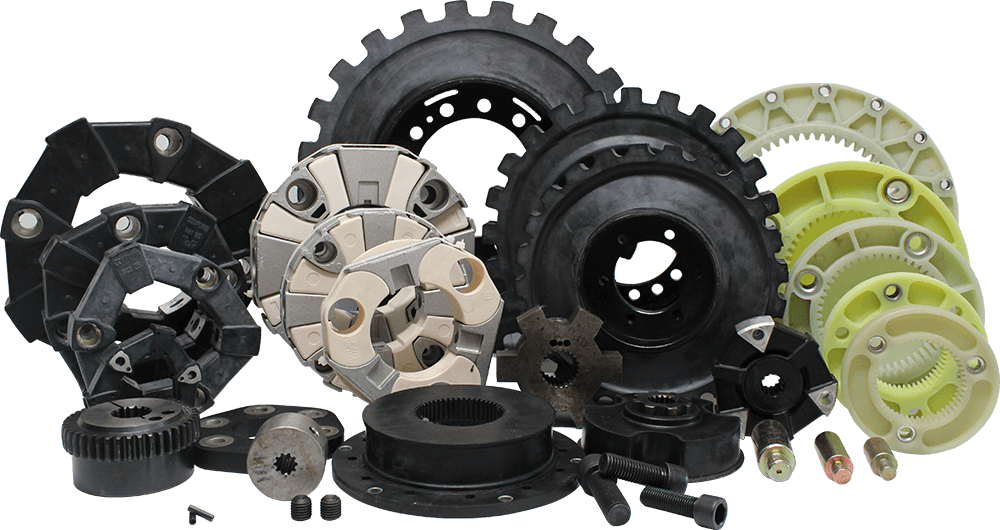

You should choose rubber based on how you will use it, considering the various properties of a rubber. There are many kinds, and each has special features. Some rubbers are strong, bend easily, or resist chemicals and heat. Price is important too. Most rubber comes from synthetic sources, which is about 60%. Natural rubber makes up the other 40%. Here is a quick guide to how rubbers are used in industry:
Rubber Type | Industrial Applications |
|---|---|
Natural Rubber (NR) | Car tires, belts, glue, shoes, medical gloves |
Styrene-Butadiene Rubber (SBR) | Car tires, hoses, belts, gaskets, shoe bottoms |
Nitrile Rubber (NBR) | Car fuel hoses, oil seals, gaskets, gloves, machines |
EPDM Rubber | Roofs, car weather seals, electric insulation, water seals |
Silicone Rubber | Medical tools, food uses, car seals, electric insulation |
Neoprene Rubber (CR) | Wetsuits, hoses, car gaskets, protective coatings |
Butyl Rubber (IIR) | Inner tubes, medicine stoppers, vibration pads, soundproofing |
Fluoroelastomer (FKM/Viton®) | Airplane seals, gaskets, chemical tubes, fuel parts |
Polyurethane Rubber (PU) | Wheels, belts, shock pads, machine parts |
Hypalon (CSM) | Roof covers, inflatable boats, coatings, cable covers |
Think about what matters most before you compare rubber types, especially the properties of a rubber that will best suit your needs.
Key Takeaways
Pick rubber by looking at its features and what you need. Think about how bendy, tough, and safe it is with chemicals.
Natural rubber works well if you need it to stretch and be strong. Synthetic rubber is better for tough places and when you need it to handle chemicals.
EPDM rubber is best for outside because it handles weather well. It also stays flexible when it gets very hot or cold.
Always look for safety labels when you pick rubber for food or medical use. This helps make sure it is safe and follows health rules.
Think about how much each kind of rubber costs. Some types cost more because they have special features. These can help them work better for certain jobs.
Quick Comparison of Properties of a Rubber

Natural vs. Synthetic Rubber
Natural rubber and synthetic rubber are not the same. Natural rubber bends very well and is strong. It stretches a lot and returns to its shape. Synthetic rubber can be made for many uses. It often stands up to chemicals, heat, and weather better than natural rubber.
Here is a simple chart showing the main properties of a rubber:
Aspect | Natural Rubber | Synthetic Rubber |
|---|---|---|
Durability | Good, but gets old fast | High, does not age or weather easily |
Flexibility | Very good | Good, but not as much as natural rubber |
Chemical Resistance | Okay | Very good (depends on type) |
Temperature Tolerance | -20°C to 80°C | -40°C to 230°C (depends on type) |
Cost | Lower | Higher |
Tensile Strength (N/mm²) | 25 | 8 to 30 |
Elongation (%) | 800 | 150 to 800 |
Environmental Impact | Biodegradable | Not biodegradable |
Tip: Pick natural rubber if you want lots of stretch and strength. Choose synthetic rubber if you need it to stand up to chemicals, heat, or weather.
Key Performance Factors
Think about the properties of a rubber that matter most for your job. Here are the main things to look at:
Temperature Resistance: The rubber must work in hot and cold places.
Chemical Compatibility: See if the rubber will touch oil, fuel, or strong chemicals.
Mechanical Stress: Know how much the rubber will stretch, bend, or get pressed.
Environmental Conditions: Check if the rubber will be in sun, ozone, or wet places.
Cost: Make sure the price fits what you need.
Synthetic rubber is great for tough jobs or harsh places. It can be made to fight chemicals, heat, and weather. Natural rubber stretches and is strong but does not last as long in hard conditions.
Different Types of Rubber

Natural Rubber (NR)
Natural rubber is used in many things you see every day. Most natural rubber comes from the Amazonian rubber tree. This tree grows best in warm, tropical places. Asia makes almost all the world’s natural rubber. Thailand, Indonesia, and Vietnam make most of it. In 2022, people made over 15 million tonnes of natural rubber.
Natural rubber is very tough and strong. It does not tear or wear out easily. It stretches a lot and goes back to its shape. It is good for the environment because it breaks down naturally.
Strengths | Weaknesses |
|---|---|
High resilience | Gets damaged by ozone and sunlight |
Good tear strength | Does not work well with oil |
Excellent tensile strength | Needs special steps to make |
Good abrasion resistance | |
Fully biodegradable | |
Large deformation capacity | |
Good flex fatigue and resistance | |
Good set and creep resistance | |
Good adhesion |
Tip: Pick natural rubber for things that need to stretch and be strong, like gloves, tires, and shoes. Do not use it outside where there is lots of sun or ozone.
Styrene-Butadiene Rubber (SBR)
Styrene-butadiene rubber is a common synthetic rubber. You find it in tires, belts, hoses, and wire covers. It is also used for shoe bottoms and food packages.
SBR costs less than other synthetic rubbers.
It does not wear out quickly and lasts long.
SBR does not work well with oil or strong chemicals.
Source | Price Range (USD per metric ton) |
|---|---|
SBR (United States) | 2,390 (Feb 2025) |
SBR (latex, United States) | 1,500 (Feb 2025) |
SBR (Emuls, China) | 2,110 (Feb 2025) |
SBR (latex, China) | 1,260 (Feb 2025) |
SBR (Europe) | 2,260 (Feb 2025) |
SBR (latex, Europe) | 1,120 (Feb 2025) |

SBR is best for tires and things that need to last long but do not touch strong chemicals or oils.
Butyl Rubber (IIR)
Butyl rubber keeps out air and water very well. It lasts a long time because it does not get old or break down easily. Butyl rubber stays soft in hot and cold weather.
Property | Description |
|---|---|
Impermeability | Stops air and water from getting through |
Durability | Lasts long and does not break down |
Flexibility | Stays soft in many temperatures |
You see butyl rubber in tire tubes, medicine stoppers, and pads that stop shaking. It is also used in hoses, gaskets, and sports balls. It helps in building, glue, and electric packing.
Industry | Application |
|---|---|
Automotive | Tire tubes and tubeless tires |
Healthcare | Medicine stoppers |
Industrial | Pads to stop shaking, hoses, gaskets |
Construction | Asphalt and tape for sealing |
Adhesives | Tape and glue for floors |
Sports Goods | Ball bladders |
Electrical | Packing for electric parts |
Consumer Products | Gum base |
Butyl rubber is best for sealing and keeping air or water out.
Nitrile Rubber (NBR)
Nitrile rubber does not get damaged by oil. It also stands up to acids, bases, and some solvents. It does not work well with very strong acids.
Property | Nitrile Rubber (NBR) | Perfluoroelastomer (FFKM) |
|---|---|---|
Oil Resistance | Great against oil and mineral oils | Works with even more chemicals |
Chemical Resistance | Good with acids, bases, and solvents; not strong acids | Excellent with many chemicals |
You find nitrile rubber in seals, O-rings, gaskets, hoses, and pipes. It is used a lot in cars and oil work.
Application Type | Specific Uses |
|---|---|
Automotive Components | Hoses, seals, gaskets, O-rings |
Oil Industry | Used where oil and fuel are present |
Use nitrile rubber for things that need to resist oil and chemicals, especially in cars and machines.
Neoprene Rubber (CR)
Neoprene rubber does not get damaged by weather. It protects against ozone, sunlight, and weak acids. Neoprene stays soft and can take hits, so it is good for outdoor things.
Neoprene is used for car parts, building, wetsuits, and laptop covers.
You also see it in padding, seat covers, bridge pads, electric insulators, and home items.
Neoprene rubber is good for things that need to last outside and take hits. EPDM rubber is better for ozone, but neoprene protects well against weather.
EPDM Rubber
EPDM rubber is strong and bends easily. It does not get damaged by sunlight, ozone, or weather. EPDM lasts a long time and does not need much care. It works in very hot and cold places.
EPDM is great for roofs, car seals, and electric covers.
It keeps out water and stays flexible.
EPDM rubber is best for outdoor things that face sun, rain, and changing weather. It does not handle high heat as well as silicone, but it works for most outdoor jobs.
Silicone Rubber (VMQ)
Silicone rubber works in very hot and cold places. You can use it from -60°C to +230°C, and sometimes up to +300°C for a short time.
Rubber Type | Temperature Range (°C) |
|---|---|
Silicone | -60 to +230 (up to +300 for short periods) |
EPDM | Up to 150 |
Viton | Up to 200 |
Silicone rubber does not let germs or mold grow. You see it in medical tools, food making, drinks, and food storage. It is also used for medicine delivery and implants.
Application/Benefit | Description |
|---|---|
Hygiene and Safety | Safe for medical and food uses |
Durability and Longevity | Lasts a long time |
Flexibility | Easy to shape, good for pumps and moving food |
Temperature Resistance | Works in very hot and cold places |
Silicone rubber keeps food and medical things safe and clean.
It works well in places with high heat or cold.
Pick silicone rubber for things that need to handle very hot or cold temperatures, stay clean, and last long.
Each type of rubber has its own good and bad points. When you know what you need, you can choose the right rubber for your job.
How to Choose Based on Properties of a Rubber
When you pick vulcanized rubber, look at its properties. Match the rubber to what you need. Follow these steps to help you choose.
Outdoor and Weather Resistance
If you need rubber for outside, it should handle sun and rain. It must also work in hot and cold weather. Some rubbers do this better than others. Check this table to see your choices:
Rubber Type | Key Characteristics | Suitability for Outdoor Use |
|---|---|---|
EPDM | Excellent UV and weather resistance, flexible in extreme temperatures | Best choice for outdoor applications due to durability and flexibility. |
Neoprene | Moderate weather resistance, good UV resistance, flexible | Solid choice for many outdoor applications, though less durable than EPDM. |
Silicone | Extreme weather resistance, high-temperature stability, maintains flexibility | Ideal for extreme temperatures and UV exposure. |
Polyurethane | Excellent abrasion resistance, chemical resistance, moderate temperature range | Best for applications requiring durability and wear resistance, but less UV resistant than others. |
EPDM rubber protects best from sun and ozone. It stays bendy in cold and heat. Neoprene rubber works outside too, but EPDM lasts longer. Silicone rubber can take very hot or cold weather and keeps its shape. Polyurethane rubber fights wear and chemicals, but does not block UV rays as well.
EPDM and neoprene rubber are strong in outdoor tests. They block ozone and UV rays. They stay flexible in freezing cold and high heat. EPDM rubber is great for car door seals and weather strips. It lasts a long time.
Tip: For outdoor jobs, pick EPDM or silicone rubber. These types last for years in tough weather.
Chemical and Oil Resistance
Sometimes you need rubber that stands up to oil or strong chemicals. Some rubbers protect better than others. Look at this table to see which ones work best:
Rubber Type | Chemical Resistance | Temperature Range | Typical Applications |
|---|---|---|---|
FKM | Exceptional (fuels, oils, acids, solvents) | -20°C to +250°C | Aerospace seals, chemical hose linings, automotive fuel system gaskets |
HNBR | Strong (oils, fuels, coolants) | -30°C to +150°C | Automotive engine gaskets, oil-resistant industrial seals |
FKM rubber blocks fuels, oils, acids, and solvents very well. You see it in planes and car fuel systems. HNBR rubber also fights oils and coolants. It works well for engine gaskets and seals in factories. If you need rubber for machines or cars, these types are best.
Note: Always check if the rubber matches the chemicals before you choose.
Temperature Performance
Temperature changes how rubber works. Some rubbers stay bendy in cold or heat. Pick rubber that fits your temperature needs.
EPDM rubber works from -40°C to 150°C.
Silicone rubber handles -60°C to +230°C, and short bursts up to +300°C.
FKM rubber stays strong from -20°C to +250°C.
If you need rubber for ovens, freezers, or engines, use silicone or FKM. EPDM rubber is good for most outdoor jobs. Silicone rubber is better for very hot or cold places.
Tip: For extreme heat or cold, pick silicone or FKM rubber. These types keep their shape and strength.
Cost Considerations
Pick rubber that fits your budget. Some types cost more because they have special features. Check this table to compare prices:
Rubber Type | Cost Level | Reason for High Price |
|---|---|---|
FKM (Viton®) | High | Fluorine chemistry, heat/chemical resistance |
FFKM (perfluoroelastomer) | Very High | Extreme chemical and heat resistance |
Fluorosilicone | High | Oil, fuel, and temperature resistance |
Premium Silicone | High | Purity, heat, and flexibility |
HNBR | Medium | Hydrogenation process, oil resistance |
Natural/EPDM/NBR | Low | Common, mass-produced |
Rubber Type | Cost Implication |
|---|---|
Natural Rubber (NR) | Affordable, limited chemical resistance |
EPDM | Moderately priced, good for outdoor use |
Silicone | High temperature resistance, more expensive |
Nitrile (NBR) | Mid-range cost, good oil resistance |
Fluoroelastomer | Premium performance, premium price |
Making a few pieces costs more for each one. Making many pieces lowers the cost for each item. Using recycled rubber may cost more at first, but saves money later.
💡 If you want good rubber at a fair price, YNF Rubber has reliable products for many uses.
When you look at rubber properties, think about where you will use it. Think about what it needs to block and how much you want to spend. Vulcanized rubber comes in many types, so you can always find one that fits your needs.
Real-World Applications
Automotive Uses
Rubber is used in many car parts. Tires need to grip roads and last long. They also must handle heat. Natural rubber is great for tires because it stretches and does not tear easily. Cars use natural rubber for tires, engine mounts, and bushings. EPDM rubber is good for door seals and hoses. It stands up to heat and weather. It also resists oxidation. Nitrile rubber works well for gaskets and seals in engines. It does not get damaged by oils or fuels. Silicone rubber can take high heat. You find it in turbocharger hoses. Neoprene is used for CV boots and weatherstripping. It fights oil, heat, and flames.
Common rubber types in cars:
EPDM: Used for door seals and radiator hoses
Natural rubber: Used for tires and engine mounts
Nitrile rubber: Used for gaskets and fuel seals
Silicone rubber: Used for turbocharger hoses
Neoprene: Used for CV boots and weatherstripping
Look at a car and you see rubber everywhere. Tires use the most rubber. The main uses of natural rubber are to make tires strong and safe.
Medical and Food Uses
Rubber helps keep food and medicine safe. It should not react with food or drugs. It must be safe and work well with the body. Silicone rubber is used for medical tools and food equipment. It stays clean and stops germs from growing. Nitrile rubber is common in gloves and seals for medical devices.
Certification | Why It Matters |
|---|---|
FDA 21 CFR 177.2600 | Makes sure food contact is safe in the U.S. |
EU 1935/2004 | Shows it is safe for Europe |
NSF 51 | Proves safety for food equipment |
BfR | German rules for food contact |
You want rubber that meets these rules. It keeps food and medicine safe. It should be safe, work with the body, and not react with chemicals. You see rubber in bottle stoppers, tubing, gaskets, and gloves in hospitals and kitchens.
Always check for safety rules when picking rubber for food or medical use.
Industrial and Household Uses
Rubber makes tools and products better at home and work. Kitchen utensils have rubber grips so you can hold them easily. Rubber coatings on electronics protect them from shocks. Toys, office supplies, containers, hair ties, doorstops, headphones, and gardening tools use rubber for comfort and safety.
Where you find rubber at home and work:
Appliances and electronics
Kitchen utensils with grips
Toys and office supplies
Gardening tools and containers
Rubber helps in big industries like building, flying, and healthcare. It makes products last longer and bend without breaking. The right rubber type makes life safer and easier every day.
Rubber is everywhere, from car tires to the grip on your pen.
There are many kinds of rubber you can pick. Each type has its own strong points. Some last long, some bend easily, and some resist chemicals or heat. Think about what you need most before you choose. If you need help, find suppliers who offer:
Custom shapes and sizes
Good advice for your job
Steady supply and delivery
Materials that work well and fit your budget
YNF Rubber can help you choose the right type. Pick the rubber that fits your job to get the results you want.
FAQ
What is the difference between natural and synthetic rubber?
Natural rubber comes from trees. Synthetic rubber is made in factories. Natural rubber stretches more. Synthetic rubber stands up to chemicals and heat. Pick the one that fits your needs.
Which rubber type works best outdoors?
EPDM rubber lasts longest outside. It blocks sun, rain, and heat or cold. Silicone rubber also works in tough weather. Choose EPDM or silicone for outdoor jobs.
How do I know which rubber is safe for food or medical use?
Check for FDA or EU safety labels. Silicone rubber is safe for food and medical tools. YNF Rubber can give you certified products that meet safety rules.
Can rubber handle high temperatures?
Silicone rubber works in very hot places, up to 230°C. FKM rubber also handles high heat. Always check the temperature range before you buy.
Where can I buy quality rubber for my project?
YNF Rubber sells good rubber for many uses. They have lots of types for different jobs. You get expert help and safe materials.