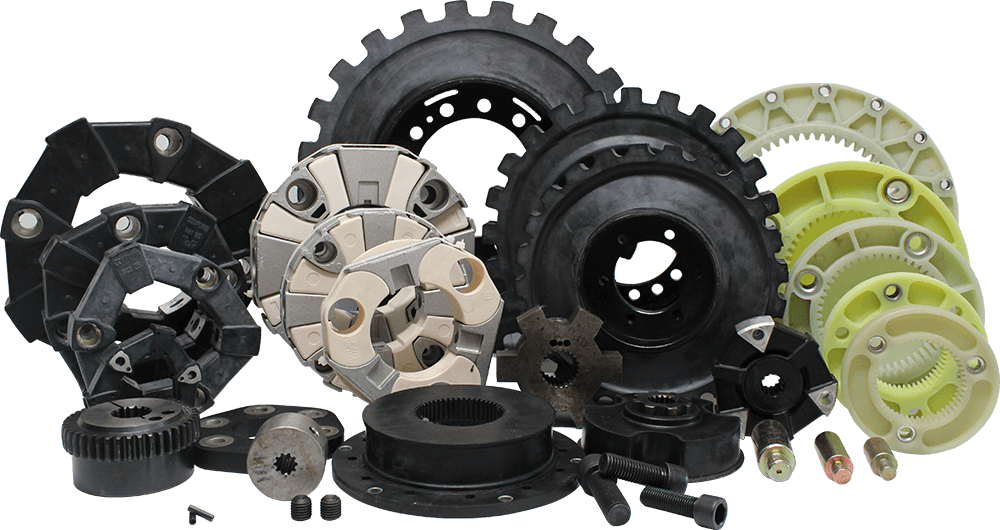

Rubber standoffs make space between parts. They help stop vibration and shock in machines. Many industries use them because they last long, save money, and bend easily. The table below explains why rubber standoffs are good for industrial use:
Advantage | Description |
|---|---|
Durability | Handles tough weather and oil without damage |
Cost-Effectiveness | Saves money, does not break easily |
Flexibility | Can change shape, size, or color |
Vibration Dampening | Stops shaking, helps machines last longer |
Noise Reduction | Makes machines quieter |
Shock and Impact Protection | Softens hits, keeps parts safe |
Key Takeaways
Rubber standoffs keep machine parts safe. They soak up shock and cut down on shaking. This makes machines last longer. It also helps them run more quietly.
Picking the best material and size for rubber standoffs is important. Think about things like heat, pressure, and where they will be used. This helps them work their best.
Rubber standoffs in electronics stop electrical shorts. They protect important parts. They help devices last a long time.
Rubber Standoffs Overview
What Are Rubber Standoffs
Rubber standoffs help keep parts apart in machines. They support pieces and stop them from touching. This helps prevent electrical shorts and damage. In electronics, rubber standoffs make space between circuit boards or metal panels. You often see them shaped like hex or round fasteners. They have threaded ends. These standoffs hold parts steady and keep them separate.
Here is a table that explains the main terms and what they do:
Term | Definition | Primary Functions |
|---|---|---|
Standoff | A threaded separator that lifts one part above another. | Used to support and connect parts, stopping electrical shorts. |
Spacer | Like standoffs but not threaded, with a hole inside. | Used to keep space between parts without threads. |
Tip: Rubber standoffs help protect electronics from vibration and shock.
Key Features
Rubber standoffs have features that make them useful in many jobs. You can find them in round or hex shapes. The material you pick changes how well the standoff works.
Here are some common materials and what they do:
Material Type | Description |
|---|---|
Chloroprene (Neoprene) | Lasts long and resists aging, used for seals and gaskets. |
Fluorocarbon (Viton) | Resists chemicals, good for O-rings and seals. |
Natural Rubber (NR) | Handles heat and stress well, used in rubber extrusion. |
Isoprene Rubber | Absorbs impacts, used in shock absorbers and bushings. |
Silicone Rubber | Handles heat and water, used in food and drug making. |
Polyurethane Rubber | Can be made for special uses, used in shock absorbers and sleeves. |
Rubber standoffs absorb vibration and lower noise. They cushion impacts and protect fragile parts. Makers test these standoffs for strength and toughness. They use tests like pulling, rubbing, and chemical checks. These tests make sure standoffs last and work in hard places.
Shapes: Round, hex
Properties: Flexible, durable, resists chemicals and water
Functions: Absorb shock, dampen vibration, reduce noise
Comparison to Other Standoffs
Rubber standoffs are different from metal or plastic standoffs. Metal standoffs are strong and work in hot places. But they do not absorb vibration. Plastic standoffs are light and do not rust. But they can break under heavy weight.
Rubber standoffs are flexible and protect parts well. They absorb shock and lower noise better. This makes them great for electronics and machines that need extra care.
Here is a chart that shows how many industries use rubber standoffs for special needs:

Note: Pick rubber standoffs if you want to protect parts from vibration, shock, and noise. They work better than metal or plastic standoffs in many cases.
Common Uses of Rubber Standoffs

Electronics and PCBs
Rubber standoffs are used a lot in electronics. They keep circuit boards apart so they do not touch metal. This stops electrical shorts and keeps parts safe. You can use them to hold small pieces steady in computers and radios. They also help control panels work better. Rubber standoffs soak up little shocks and vibrations. This protects fragile parts inside devices. When you put them in, your devices become safer and last longer.
Tip: Rubber standoffs help you avoid expensive repairs and keep your electronics working for more years.
Vibration and Noise Absorption
Rubber standoffs help lower vibration and noise. You can use them in machines that run all day. Washing machines and conveyor belts are good examples. They soak up shaking and make machines quieter. This makes your workspace nicer and helps protect your ears.
Here are some problems rubber standoffs fix in equipment:
Loud machines can bother workers and make it hard to focus.
Generators and printers often shake and make noise.
Companies complain when machines vibrate too much.
Rubber mounts and standoffs soak up vibrations, shocks, and noise from machines. This strong and bendy connection helps many businesses. You get smoother work and less noise. Your machines last longer and break down less.
Benefit | Description |
|---|---|
Smoother Operations | Rubber vibration isolators soak up shaking and lower noise. |
Enhanced Equipment Longevity | Less shaking means machines do not wear out as fast. |
Reduced Maintenance Costs | Fewer problems save you money over time. |
Improved Worker Safety | Lower noise makes your workplace safer for everyone. |
Cost-Effective Investment | Rubber standoffs are an easy way to fix vibration and noise. |
Signage and Displays
Rubber standoffs help you put up signs and displays. They make space between the sign and the wall. This gives a neat look. You can use them for signs inside or outside. Rubber standoffs protect signs from shaking and bumps. This is important in busy places. They also keep signs steady and stop rattling sounds.
Note: Rubber standoffs help your signs last longer and look better.
Industrial Machinery
In factories, rubber standoffs protect big machines. You can put them under motors, pumps, and compressors. They soak up strong shaking and bumps. This keeps your machines safe and lowers noise at work. Rubber standoffs also help stop breakdowns and save money on repairs.
When you use rubber standoffs in machines, you fix many problems. You stop leaks and wear from shaking. You also avoid cracks and swelling from heat or chemicals. These standoffs work well in tough places.
Here are the most common ways rubber standoffs can fail in big machines:
Leaks can happen if you put the standoff in wrong.
Bending and wear may happen from too much pressure or heat.
Cracks and swelling can come from high heat or chemicals.
Block Quote:
Rubber standoffs, sometimes called Quiet Mounts or Vibration Damping Standoffs, are made to soak up shaking and lower noise in many jobs. You find them most helpful in places where machines run all day, like factories and workshops.
Choosing Rubber Standoffs
Material and Size
You need to pick the right material and size for your standoffs. The choice depends on what your project needs. Look at the table below to see what matters most:
Factor | Description |
|---|---|
Medium | Think about what substances will touch the rubber. This affects how well it works. |
Temperature | Check the temperature range. Some rubbers handle heat or cold better than others. |
Pressure | Know how much pressure the standoff must hold. This helps you choose a strong material. |
Time | Consider how long the standoff will face stress or heat. This affects how long it lasts. |
Different rubber compounds work best in different places:
EPDM resists sunlight and water. You can use it outside or in changing temperatures.
Silicone stands up to high heat. It works well in medical or food equipment.
Neoprene handles oil and general wear. It fits many industrial jobs.
If you need standoffs for wet or damp areas, closed-cell sponge rubber keeps water out and grips well. For outdoor use, EPDM or neoprene work in changing weather. Silicone is best for high heat or cold.
Application Tips
You want your standoffs to last and work well. Follow these tips:
Let the rubber sit flat for a day before installing. This stops edge lifting.
Use the right glue or tape. High-strength flooring tape or approved glue works best.
Clean the surface before you install. Dust can ruin the bond.
Align rolls with chalk lines or lasers for a neat fit.
Trim edges tightly to stop water leaks and trip hazards.
Regular cleaning and inspection help your standoffs last longer. Replace old or cracked parts before they fail. For tough jobs, choose EPDM for ozone resistance or Viton for chemicals. If you want reliable standoffs, YNF Rubber offers quality products for many uses.
Tip: Always check the environment before choosing your standoff. Temperature, moisture, and chemicals can change how rubber performs.
You get good protection for delicate parts if you pick the right standoff. Here are the main benefits:
Benefit | Description |
|---|---|
Electrical Insulation | Stops circuits from touching and causing shorts. |
Shock Absorption | Helps prevent damage from shaking or bumps. |
Makes sure fragile pieces do not get stressed. |
Rubber standoffs work better than metal at soaking up shocks. If you want standoffs you can trust, YNF Rubber has many good choices for you.
FAQ
What sizes do rubber standoffs come in?
You find rubber standoffs in many sizes. Measure the gap you need. Choose a standoff that fits your project. YNF Rubber offers custom sizes.
Can you use rubber standoffs outdoors?
Yes, you can use rubber standoffs outside. Pick EPDM or neoprene for weather resistance. YNF Rubber supplies standoffs for outdoor use.
How do you install rubber standoffs?
Clean the surface first. Place the standoff in position. Use approved glue or tape for strong hold. YNF Rubber provides installation tips if you need help.