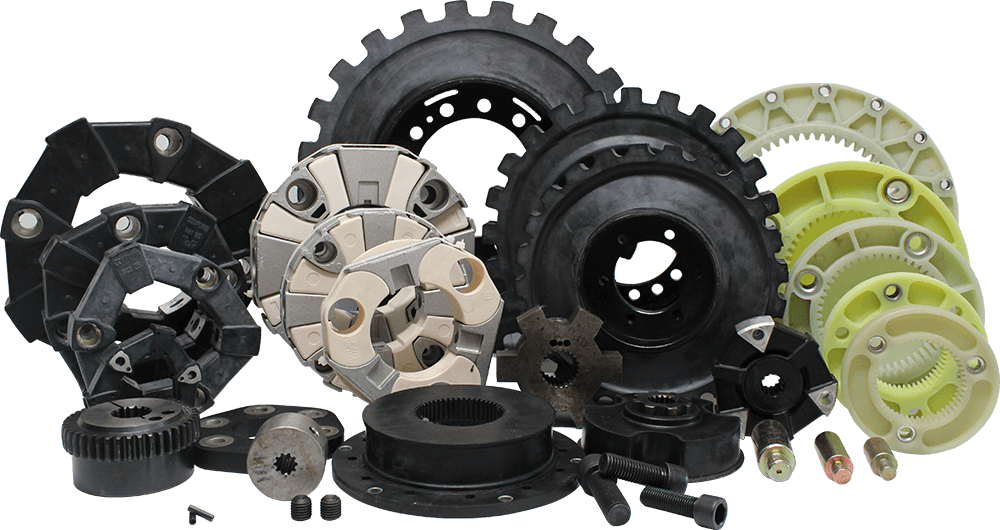

Vibration isolators keep your machines safe by soaking up bad vibration. When you use them, you keep your machines away from the floor or other things. This easy step stops shaking from bothering your machines and helps control noise in loud places. You will see a quieter and calmer workspace, especially when rubber parts take in hits and stop sound. With less noise and smoother running, your machines can last longer and work better.
Key Takeaways
Vibration isolators help machines by taking in bad vibrations. This makes machines quieter and work better. Picking the right vibration isolator is very important. You should think about your machine’s weight and how often it vibrates. This helps the machine work its best. Checking vibration isolators often stops them from breaking suddenly. It also helps your equipment last longer. Using vibration isolators means you spend less on repairs and use less energy. This makes your workspace safer and helps you get more done. There are different kinds of isolators, like elastomeric, spring, and air isolators. Each one is made for a special job. Pick the one that fits your machine’s needs.
Vibration Isolators Explained
What Are Vibration Isolators
You may ask what vibration isolators do. These devices work like soft pads for machines. When you put vibration isolators under equipment, they stop unwanted shaking from reaching important parts. They act like shock absorbers for your machinery. Their main job is to lower the amount of vibratory forces. This means less shaking, less noise, and less damage to your machines.
Vibration isolators come in many forms. Some use springs, while others use rubber or special dampers. Each kind helps take in or move energy so your equipment stays safe. You can find vibration isolators in places where even small shakes can cause big trouble, like labs, factories, or hospitals. Using vibration isolation systems keeps your machines safe and helps everything work well.
Tip: If you want your machines to last longer and work better, you should always think about using vibration isolators.
How Vibration Isolators Work
Let’s look at how vibration isolators protect your machinery. When you put vibration isolators in place, you make a barrier between your equipment and the ground. This barrier helps separate your machine from the floor or other surfaces. It stops vibrations from moving through.
Here is how vibration isolators help:
Vibration isolators use strong materials, like rubber or springs, to soak up energy.
They lower the natural frequency of your machinery system, which helps stop dangerous resonance.
Damping materials inside isolators change vibration energy into heat, so the shaking slowly goes away.
Isolators hold up your equipment, keeping it steady and safe.
You can see vibration isolation in many industries. For example, if you have a heavy machine that runs fast, the right vibration isolators will keep it from shaking too much. This means less noise, less movement, and fewer safety problems.
Here is a simple table to show what vibration isolators do:
Function | How It Helps Your Machinery |
|---|---|
Decoupling | Stops vibrations from spreading |
Reducing Natural Frequency | Prevents resonance and damage |
Absorbing Energy | Lowers vibration amplitude |
Supporting Weight | Keeps equipment stable |
Vibration isolation is about stopping vibrations before they cause problems. If you pick the right vibration isolators, you can get high levels of isolation. Sometimes, you may not get 100% isolation, but even 70% can help a lot. You just need to match the isolator’s natural frequency with your machine’s vibration frequency. When you do this, you avoid resonance and keep your equipment safe.
Note: Always check the load and frequency of your machinery before picking vibration isolators. This helps you get the best results and avoid problems during installation.
Vibration isolation systems use these ideas to protect sensitive equipment, lower noise, and make things safer. You will notice smoother running and less damage when you use isolators the right way. If you want your machines to work well, learning how vibration isolators work is the first step.
Why Vibration Isolation Matters
Effects of Vibrations on Machinery
You may not see it at first, but vibrations can hurt machines. When vibrations move through equipment, they wear out important parts. Bearings, rotors, and gears can get damaged much faster. This means you will need more repairs and spend more money. If you ignore vibration, your machines might break down suddenly and stop your work.
Here are some ways vibrations can harm your machinery:
Vibrations make machines wear out faster and break sooner.
Extra vibrations make more noise and bother people at work.
Machines use more energy when they shake, so bills go up.
Vibrations can make your equipment work less well and slow things down.
When you use vibration isolators, you keep your machines safe from these problems. Vibration isolation systems help you avoid costly repairs and keep equipment running longer. You also get a quieter and safer place to work. By stopping unwanted vibrations, your machines stay strong and reliable.
Did you know? Vibration isolation helps save money by lowering repair costs and stopping surprise breakdowns.
Sources of Vibrations
You may wonder where all these vibrations come from. In factories and busy places, machines face many sources of vibration. Some common causes are:
Source of Vibration | Description |
|---|---|
Imbalance | A heavy spot in a spinning part makes vibration. This can happen from mistakes in making or fixing machines. |
Misalignment | When machine shafts do not line up, you get more vibration. This can happen when putting machines together or when they get hot. |
Wear | Old or broken parts, like bearings or gears, make more vibration as they wear out. |
Looseness | Loose bolts or parts can make vibration worse and cause more damage. |
Vibrations can also come from outside your machine. For example, other equipment or even footsteps can send vibration through the floor. That is why you need vibration isolation. Using vibration isolators blocks these unwanted vibrations before they reach your equipment. Soft materials like rubber pads or grommets help separate your machines from these sources.
If you want your machines to last and work well, you must control vibration. Vibration isolation gives you ways to stop unwanted vibrations and keep your business running smoothly.
Types of Vibration Isolation Systems
You can pick from many kinds of vibration isolators. Each kind works best for certain machines and places. Let’s see the main types you will find in most vibration isolation systems.
Elastomeric Isolators
Elastomeric isolators use rubber-like materials called elastomers. These isolators hold a lot of energy and stop shocks and vibrations well. You often see them under HVAC units, small engines, and sensitive electronics. Elastomeric isolators can handle pushing and pulling, but they have limits. If you use them too much, they might stretch or change shape over time. Natural rubber works for most jobs, but neoprene or nitrile rubber is better for oil or heat.
Tip: Elastomeric isolators are good if you want simple, cheap vibration isolation for light or medium loads.
Spring Isolators
Spring isolators use metal coils to keep your machine off the floor. These isolators hold up heavy equipment like big pumps or industrial machines. Springs can stop many kinds of vibrations, but they do not stop movement by themselves. You often need dampers to control bouncing or shaking. Spring isolators are best when you need to hold a lot of weight and stop low-frequency vibration.
Type of Isolator | Material | Best For |
|---|---|---|
Elastomeric | Rubber/Elastomer | HVAC, electronics, small engines |
Spring | Metal Coil | Heavy machinery, pumps |
Air | Air Chambers | Labs, sensitive equipment |
Air Isolators
Air isolators use air-filled chambers and sometimes springs. You can change the air pressure to fit your machine’s weight. These isolators give smooth, steady vibration isolation. You will find air isolators in labs, hospitals, and places with sensitive tools. They work well for small vibrations and keep transmissibility very low—sometimes under 4. Air isolators cost more, but they work best for delicate equipment.
Other Types
You may also see other vibration isolators, like ceiling-mounted hangers, shock mounts, and wire rope isolators. Ceiling hangers help with pipes and ducts and cut down high-frequency vibrations. Shock mounts use thick rubber to take in both vibration and noise. Wire rope isolators stop low-frequency vibration and work well in tough places.
Here is a quick look at where you might use different vibration isolators:
Vibration Isolator Type | Typical Application |
|---|---|
Elastomeric | HVAC, electronics, small engines |
Spring | Heavy machinery, pumps |
Air | Labs, sensitive medical equipment |
Shock Mounts | Power tools, generators |
Ceiling Hangers | Piping, suspended equipment |
Wire Rope | Harsh, low-frequency environments |
For the best results, always match your vibration isolators to your machine and where you use it. Some isolators work better in hot or oily places. Others last longer in very cold or hot spots.
Vibration isolation keeps your machines safe, quiet, and working well. By choosing the right isolators, you protect your equipment from bad vibrations and get the most from your vibration isolation system.
Benefits of Vibration Isolation
Equipment Lifespan
You want your machines to last a long time. Vibration isolators help by stopping bad vibrations before they reach your equipment. When you use vibration isolation, you protect parts like bearings and gears from wearing out too quickly. Less vibration means fewer cracks and less damage. For example, cork-based vibration isolators can block up to 98% of vibration in transformers. This keeps your machines strong and working longer. More companies use vibration control systems because their equipment lasts longer with good vibration isolation.
If you want to save money on repairs and replacements, using vibration isolators is a smart choice.
Efficiency and Productivity
Vibration isolation does more than protect your machines. It helps your equipment run smoother and more efficiently. When you lower vibration, your machines use less energy and work better. You get more work done in less time. Here are some ways vibration isolators help you be more productive:
Vibration isolators keep your equipment safe and help it work better.
They lower maintenance costs by reducing wear and tear.
You save money over time because your machines last longer.
Vibration isolation makes your workspace more reliable and comfortable.
You will see that your machines break down less and need fewer repairs. This means you spend less time fixing things and more time working.
Safety and Noise Reduction
Vibration isolators also make your workplace safer and quieter. When you use vibration isolation, you stop vibrations from moving through the floor and walls. This leads to better noise reduction, so your workspace feels calm and less stressful. You protect your team from loud sounds and sudden shakes. Here’s what happens when you use vibration isolators:
Machines on vibration isolators do not send vibrations through the building.
You get a quieter place with less noise.
Vibration isolation helps stop accidents caused by loose or shaking equipment.
Check out this table to see more benefits from recent engineering studies:
Benefit | Description |
|---|---|
Reduction of residual motions | Vibration isolators help machines settle quickly after a disturbance. |
Improved accuracy | You get better results from your equipment with less vibration. |
Enhanced damping | Vibration isolation systems absorb more vibration energy. |
High-frequency vibration isolation | They block even tiny, fast vibrations that can harm sensitive equipment. |
Digital signal processing advancements | New systems adjust automatically for better vibration control. |
Vibration isolators can also help the environment. Many are made from recycled rubber and plastics, which reduces waste. Eco-friendly vibration isolation systems save energy and help keep your workplace green.
Want a quieter, safer, and more efficient workspace? Vibration isolators are the answer.
Selection and Maintenance
Choosing the Right Isolator
Choosing vibration isolators does not have to be hard. First, check how heavy your machine is and how much it shakes. The isolators you pick must hold your machine up without getting squished. You also need to make sure the isolator’s frequency range matches your machine’s vibrations. This helps stop shaking and keeps your equipment safe.
Think about where you will put the isolators. Hot, cold, or wet places can change how they work. Some materials, like rubber, do better with heat or chemicals. Make sure you have enough room for the isolators under your machine. Always read the manufacturer’s instructions before you buy.
Here’s a quick checklist to help you pick:
Check how much weight the isolator can hold.
Make sure the frequency range fits your machine.
Think about temperature, humidity, and chemicals.
Measure the space for the right size.
Pick the best material for your job.
Many people trust YNF Rubber for good vibration isolators.
Installation Tips
You want your vibration isolation system to work well right away. Good installation is very important. Put the isolators on a flat, strong surface. Spread the weight evenly on each isolator. If you use spring mounts, make the frame stronger and check for bending. Use brackets that are much stiffer than the isolators to keep things steady. For elastomer pads, cover the whole bottom for the best results.
If you put isolators under HVAC equipment or tall machines, add stabilizers so they do not tip over. When you hang equipment, keep the studs straight so metal parts do not touch. For pipes that shake a lot, add more damping to stop the vibration.
Maintenance Practices
Check your vibration isolators often to keep them working well. Make a plan to look for cracks, wear, or changes in shape. Clean off dirt and oil that could hurt the material. If you see a problem, change the isolator right away. Doing this helps you avoid sudden problems and keeps your machines safe.
Some common problems are picking the wrong isolators, putting them in the wrong way, or not checking them enough. Stay ahead by following these steps:
Look at isolators often for damage.
Clean and tighten all the parts.
Change broken or worn isolators fast.
Taking care of your isolators helps your machines last longer and work better.
Vibration isolators help protect your machines from bad vibrations. They also help your work go smoothly. If you pick the right isolation system and take care of it, your machines last longer. You will have fewer problems and spend less money. Here are some real-life examples:
Case Study | Challenge | Solution | Outcome |
|---|---|---|---|
Advanced Manufacturing | Small vibrations hurt CNC machine accuracy | Active vibration isolation system | Better accuracy and less waste |
Biomedical Research | Outside vibrations blur microscope images | Passive and active isolation | Clearer pictures |
Do you want to save money and keep things safe?
Spend less on repairs
Make machines last longer
Stop work delays
Look at your machines. If you see shaking, try vibration isolation. YNF Rubber has good options for you.
FAQ
What is the main job of a vibration isolator?
A vibration isolator keeps your machine safe by stopping unwanted shaking. It acts like a cushion between your equipment and the floor. This helps your machine last longer and work better.
How do I know which vibration isolator to choose?
You need to check your machine’s weight and how much it vibrates. Look at the space and the environment. If you feel unsure, you can ask YNF Rubber for help picking the right one.
Can I install vibration isolators by myself?
Yes, you can install many vibration isolators on your own. Just follow the instructions and make sure the surface is flat and clean. If your machine is very heavy, you might need extra help.
How often should I check my vibration isolators?
You should look at your isolators every few months. Check for cracks, wear, or changes in shape. If you see any problems, replace them right away to keep your machine safe.
Where can I buy good vibration isolators?
You can get quality vibration isolators from YNF Rubber. They offer many types for different machines and needs. If you want your equipment to last, YNF Rubber is a smart choice.