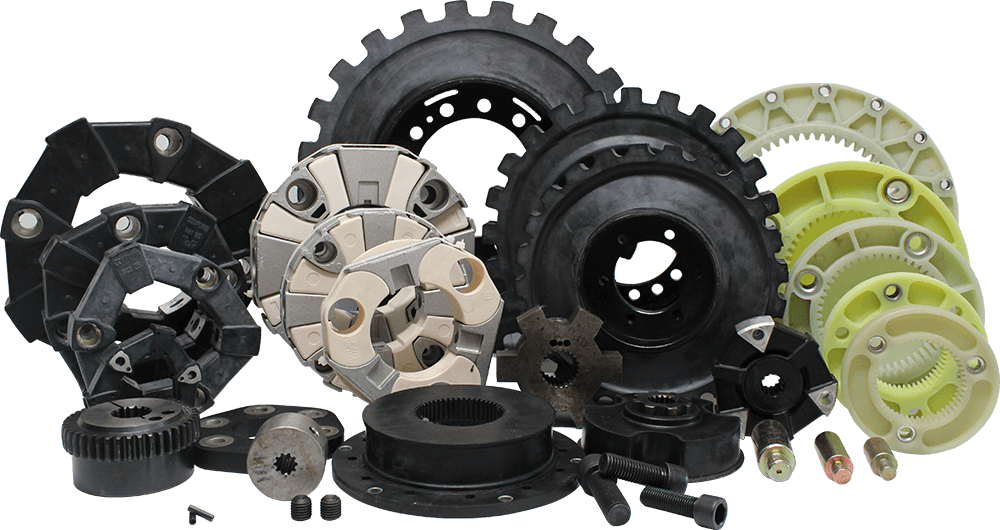

A hanger mount vibration isolator is a tool that holds equipment. It hangs equipment and helps lower vibration and noise. You see these isolators in buildings with machines on the ceiling. If you do not use good vibration isolation, you may have more noise. About half of noise and vibration problems come from hanging equipment.
Many places say 40–50 percent of vibration issues happen because of bad isolation.
Benefit | Impact on Structural Integrity | Impact on Occupant Comfort |
|---|---|---|
Reduces Structure-Borne Noise | Stops vibrations from moving, so buildings last longer | Makes rooms quieter and easier to use |
Protects Building Structure | Keeps parts strong and stops cracks | Makes people feel better in the building |
Enhances Occupant Comfort | N/A | Quiet and no vibration makes people comfortable |
You keep your building safe and make it nicer by picking the right vibration isolator.
Key Takeaways
Hanger mount vibration isolators help lower noise and shaking from machines. This makes buildings quieter and more comfortable for people.
Picking the right isolator material, like rubber or silicone, is very important. It helps control shaking and makes equipment last longer.
Installing vibration isolators the right way stops noise from spreading. It also keeps your building and equipment safe.
Checking isolators often helps find damage early. This keeps your vibration control system working well.
Using combination isolators can give you the best results. They handle different vibration problems for many types of equipment.
Hanger Mount Vibration Isolator Basics

What Is a Hanger Mount Vibration Isolator
A hanger mount vibration isolator holds equipment from the ceiling or beams. It helps lower vibration and noise from machines like fans or pumps. When you use one, it makes a barrier between the equipment and the building. This barrier soaks up vibration and keeps it from spreading to walls, ceilings, or floors.
Most hanger mount vibration isolators have a few main parts:
There is a spring inside a metal case. The spring helps with low vibration and keeps things steady.
The top rubber cup spreads out the weight and protects the spring.
The bottom rubber cup lets the isolator move if things are not lined up right, up to 30 degrees.
You can find different types of hanger mount vibration isolators. Some use springs, some use thick rubber, and some use both. The materials can be natural rubber, thermoplastic elastomers, silicone rubber, or rubber-metal mixes. Each material changes how well the isolator works and how much weight it can hold.
Tip: For the best results, pick a hanger mount vibration isolator with the right material and design for your equipment. Rubber is great for shock. Silicone rubber stands up to heat and lasts longer. Rubber-metal mixes are good for heavy machines.
Why Use Vibration Isolation Hangers
Vibration isolation hangers help keep buildings quiet and safe. Machines make vibration when they run. This vibration can move through pipes, ducts, and the building. Without isolation hangers, you hear more noise and feel more shaking.
Mechanical engineers use vibration isolation hangers for many reasons:
They cut down noise and vibration from pumps and fans.
They protect the building from cracks and damage.
They make rooms nicer for people.
They stop loud sounds and annoying noises, like in theaters or offices.
Vibration isolation mounts work much better than hard mounts. Tests show that isolation systems can lower vibration by almost ten times. You get less movement and less force in the building. This means quieter rooms and buildings that last longer.
Note: If you plan your isolation system early, you avoid many problems later. Always think about where the vibration starts, how it moves, and who it affects.
How Vibration Isolation Mounts Work
Main Components
Vibration isolation mounts have different parts. Each part helps control vibration in its own way. The table below shows the main types and what they do:
Component Type | Function |
|---|---|
Spring-style isolators | Use a spring inside a strong frame. The spring keeps metal parts apart and absorbs vibration. |
Elastomer-style isolators | Use rubber-like materials to soak up and block both low and high frequency vibrations. |
Combination isolators | Mix springs and elastomers to handle a wide range of vibration problems. |
Some isolators use stainless steel wire rope. This wire does not rust and lasts a long time. It bends and moves to absorb energy. This keeps your equipment steady. A metal frame holds everything together. Isolators come in different shapes. Some are helical, and some are compact. These shapes fit different needs.
Tip: Always check which isolator you need. The right design and material help your system work better.
Vibration Absorption Mechanism
Vibration isolation mounts use science to work. The main idea is to match stiffness, damping, and mass to the vibration you want to stop. If you get this balance right, the isolator absorbs vibration energy. This keeps it from passing into the building.
Damping is very important. When your equipment shakes, the isolator turns some movement into heat. This lowers the vibration strength. Less energy moves into the walls or ceiling. Elastomeric isolators do this well. They hold up the weight and soak up energy.
Isolation and damping are not the same. Isolation stops vibration from moving into the building. Damping absorbs and changes the energy. Good vibration damping mounts use both ideas. This protects your space.
Note: Using the right isolator keeps your building safe and quiet. It also helps your equipment last longer.
Spring and Neoprene Isolators
There are different types of isolators. Spring and neoprene are the most common. Each works best for certain jobs.
Springs work best at low frequencies. If your machine runs slowly or makes deep vibrations, springs do a great job.
Neoprene isolators work better at higher frequencies. They block sharp, quick vibrations from small motors or fans.
Neoprene can sometimes make low-speed vibrations worse. If your equipment runs below about 1200 RPM, springs are usually better.
Most neoprene mounts block vibrations around 12Hz. They work well for higher speeds but not for slow, heavy machines.
Feature | Spring Isolators | Neoprene Isolators |
|---|---|---|
Cost-Effectiveness | Good for strong vibration reduction | Budget-friendly for blocking impact noise |
Installation Ease | Easy to install during building work | Simple to place between parts |
Noise Reduction | Best for vibration isolation | Great for blocking noise from footsteps or objects |
Versatility | Used for special jobs | Works in homes, offices, and factories |
Durability | Depends on load and use | Stands up well to age and weather |
Always match the isolator to your equipment. For heavy machines with slow parts, pick springs. For lighter equipment or places with sharp noise, neoprene works well. Combination isolators give you both benefits. They handle many vibration problems.
Types of Vibration Isolation Pads and Hangers
You have many types of vibration isolators to pick from. Each one is best for a certain job. They all have their own special benefits.
Spring Hangers
Spring hangers use metal springs to soak up vibration. You see these with heavy machines, like pumps or air units. Spring hangers move the most, so they cut vibration the most. They work for pipes, ducts, and home HVAC systems. Spring cushion hangers are good for chillers and exhaust fans too.
Type of Isolator | Deflection Characteristics |
|---|---|
Spring Isolators | Greatest deflection, maximum vibration reduction |
Tip: Pick spring hangers if you need strong vibration control for big or slow machines.
Neoprene Pads
Neoprene pads are used as vibration isolation pads. They are also called anti-vibration pads. These pads are made from a rubber-like material. This material stands up to oils and chemicals. Neoprene pads move a medium amount and are a first step for vibration control. You can use them for fan coil units and hanging ducts. They also work for ceiling equipment. Neoprene pads help in dance studios and for cable insulation.
Advantages of Neoprene Pads | Disadvantages of Neoprene Pads |
|---|---|
Moderate resistance to oils and chemicals | Can age over time with prolonged use |
Durable in outdoor conditions | Greater creep under heavy load |
Versatile applications across industries | Limited elastic properties compared to natural rubber |
Neoprene is good where there are chemicals, oils, or heat. It lasts longer outside and blocks sharp, fast vibration.
Combination Isolators
Combination isolators use both springs and rubber. You get the good parts of both types. These isolators fix many kinds of vibration problems. You see them in studios, hospitals, and with generators. Combination isolators give strong isolation for hospitals and big machines. They also help power use and data speed in other jobs.
Scenario | Benefit |
|---|---|
Healthcare | Robust isolation capability |
Heavy industrial equipment | Enhanced performance in stringent applications |
General applications | Improved power consumption and data speed |
Note: Use combination isolators if you need strong and flexible vibration control for important systems.
Typical Applications
Each isolator type works best for certain things. Here are some common uses:
Rubber hangers: fan coil units, hanging ducts, pipes, ceiling equipment, false ceilings
Spring cushion hangers: air units, chillers, pumps, exhaust fans, small machines
Spring hangers without connector: duct hangers, hanging pipes, home HVAC systems
Spring and rubber hangers: studios, hospitals, generator sets, important HVAC setups
Resilient hangers: offices, meeting rooms, light mechanical systems, sound walls
Vibration isolation pads and isolators help keep your building quiet and safe. You can choose the right one for your job and get better results.
Choosing and Installing Vibration Isolation Mounts
Selection Criteria
When you pick ceiling mounted vibration isolation hangers, you need to think about a few things. You must match the mount to your equipment and the place where you put it. The table below shows what you should check:
Criteria | Description |
|---|---|
Equipment Specifications | Find out your equipment’s vibration frequency and how much vibration it makes. |
Equipment Location | Look at where you will put the mount and how strong the support is. |
Vibration Excitation of Equipment | Check all directions and types of vibration your equipment causes. |
You also need to look at some technical things:
Factor | Influence on Selection |
|---|---|
Load | Choose a mount that can hold the weight and let it move enough. |
Deflection | Less deflection means higher natural frequency, which can change how well vibration is controlled. |
Environmental Conditions | Pick materials that can handle heat, chemicals, or water. |
Dynamic Stiffness | Make sure the mount works for different vibration frequencies. |
Fatigue Resistance | Pick mounts that last when used over and over. |
For the best results, use vibration isolation pad mounts from YNF Rubber. They make strong products for ceiling mounted vibration isolation hangers and other vibration control jobs.
Installation Tips
You want your vibration isolation mounts to work well and keep your equipment safe. Follow these easy steps:
Best Practice | Description |
|---|---|
Maintain Concentricity | Line up the studs so metal parts do not touch. This stops noise from moving. |
Use Inertia Blocks | Add heavy blocks for pumps to keep them steady when they move fast. |
Correct Selection | Always pick the right mount for your equipment. Wrong mounts do not control vibration well. |
Stiffness of Brackets | Use brackets that are much stronger than the isolators. This keeps everything steady. |
Add Damping | For strong vibration, add damping materials like Sylomer® bands. |
Stability Considerations | Do not make the isolator too stiff. Too much stiffness can make vibration worse. |
Watch out for common mistakes:
Installation Mistake | Description | Remedy |
|---|---|---|
Bad Isolation due to Rigid Metal Parts | Metal parts touching can stop isolation. | Use neoprene washers and make sure holes are big enough. |
Misalignment of Mounts | If mounts are not lined up, isolation does not work. | Check alignment when you install them. |
Improper Support of Equipment | Direct support on the slab can fail. | Use a bigger base for support. |
Incorrect Orientation of Flexible Connectors | Wrong hose direction stops isolation. | Install hoses sideways. |
Neglected Isolation Hardware | Old mounts do not work well. | Check and replace mounts often. |
Maintenance Advice
You need to check your ceiling mounted vibration isolation hangers often. Regular checks keep your vibration control system working well. Here are some tips:
Look at mounts and pads for cracks, rust, or if they are not lined up.
Replace any mounts that look damaged before they cause bigger problems.
Use good vibration isolation pad mounts from YNF Rubber for long-lasting results.
Clean and check all parts during regular equipment checks.
Make sure vibration damper pad holders are in good shape to block high-frequency noise.
Regular checks stop shocks and vibration from spreading.
Inspection Frequency | Action Required |
|---|---|
Regularly | Look for wear or damage, like cracks or rust. |
As needed | Replace mounts that are worn out or broken. |
If you follow these steps, your vibration isolation system will protect your equipment and building for many years.
You get lots of good things from hanger mount vibration isolators. They help lower vibration and noise. They also make soundproofing better. These isolators protect your building’s structure too. The table below shows the main benefits:
Benefit | Description |
|---|---|
Noise Reduction | Equipment makes less noise |
Vibration Isolation | Machines stay steady and last longer |
Application Versatility | Good for HVAC, fans, compressors, and ceilings |
Picking and installing them the right way saves money. It also makes your space more comfortable. Think about what you need and pick strong products from YNF Rubber. This will help your system last a long time.
FAQ
What does a hanger mount vibration isolator do?
A hanger mount vibration isolator holds equipment and stops vibration from moving into your building. You get less noise and more comfort in your rooms.
How do you choose the right vibration isolator?
You should check your equipment’s weight and vibration level. Pick a mount that matches these needs. YNF Rubber offers strong options for many jobs.
Can you install vibration isolators by yourself?
You can install some isolators if you follow instructions. Make sure you line up the parts and use the right tools. Ask an expert for heavy machines.
How often should you check vibration isolators?
You should look at your mounts every few months. Check for cracks, rust, or loose parts. Replace damaged mounts to keep your system safe.
Where can you buy quality vibration isolators?
You can buy strong and reliable vibration isolators from YNF Rubber. They offer products for many types of equipment and building needs.