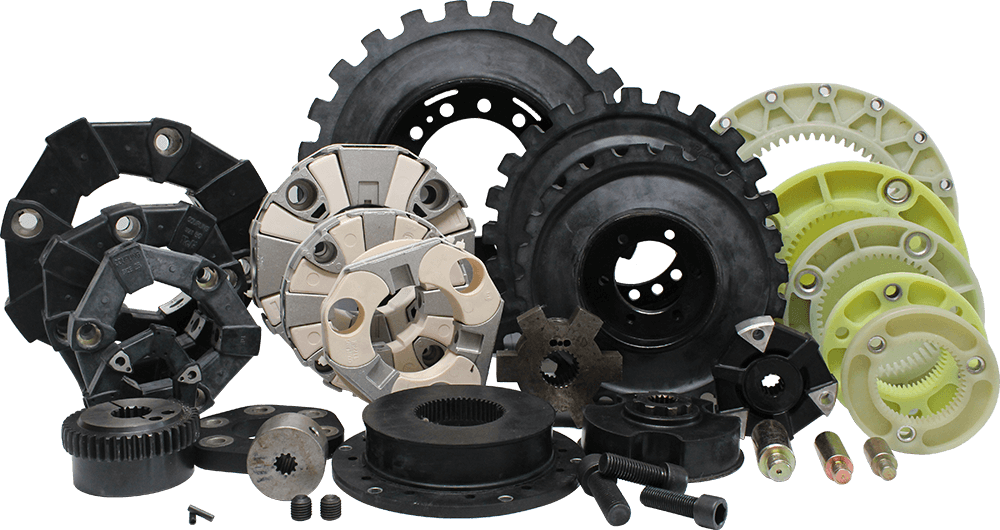

Imagine your pipe system shakes when equipment turns on. You need vibration isolators for pipe that fit your system. To choose the right one, look at these important things:
Check your system details. Look at disturbing frequency, natural isolator frequency, and vibration input.
See where your system is placed. Is it on a concrete slab or on rubber supports?
Find out the types and directions of vibration in your system.
Look at the building and area around your system.
Think about any special needs your system has.
Choose isolators with features that fit your system for the best results.
Key Takeaways
Know what your system needs. Look at how much weight it holds. Check how often it vibrates. Think about where it will be used. This helps you pick the best isolator.
Think about where you will put it. The kind of support matters. The space you have can change how well the isolator works.
Find out what kinds of vibrations happen. Learn how strong and fast they are. This helps you choose isolators that lower vibration well.
Pick the right isolator type. Elastomer, spring, and air damped isolators do different jobs. Choose one that fits what your system needs.
Take care of your isolators often. Check them on a regular basis. This helps you find problems early. It keeps your system working well.
Vibration Isolators for Pipe: Key Factors
System Specifications
When you pick vibration isolators for pipe, you must know your system’s details. These details help you find the right isolator for your needs. Here is a table that lists the most important things to check:
Specification | Description |
|---|---|
Load Capacity | Must hold up the weight of your equipment. |
Vibration Frequency and Amplitude | Some isolators work best at certain frequencies and amplitudes. |
Environmental Conditions | Temperature, humidity, and chemicals can change how isolators work. |
Some isolators need special tools, but others are simple to put in. | |
Maintenance Needs | Checking isolators often keeps your system running well. |
Cost Considerations | Think about the price, setup, and care costs. |
Compatibility with Application | Make sure the isolator fits what your system does. |
Installation Location
Where you put vibration isolators for pipe is very important. You should check the weight and size of your equipment, the kind of support it sits on, and how much room you have. Here is a table to help you remember what to look at:
Factor Type | Considerations |
|---|---|
Equipment | Weight, size, center of gravity, number and spot of isolators, space, fragility |
Support Structure | Floor, baseplate, concrete foundation |
Dynamic Inputs | Vibration level, shock level, space limits |
General Environment | Temperature, humidity, salt spray, bad air, altitude |
Tip: Keep vibration isolators for pipe away from sensitive equipment to stop vibration from spreading.
Vibration Characteristics
You need to know about the vibration in your system. The main types are:
Frequency: This is how many times the pipe shakes each second. The mass and stiffness of your system change this.
Amplitude: This is how far the pipe moves when it shakes. Flow and sound vibrations can push pipes in many ways.
Vibration Sources: Pumps, machines, and moving liquids often make vibration. These can be slow or fast.
The right vibration isolators for pipe can handle these types of vibration and help your system stay steady.
Building and Environment
The building and the area around your system matter a lot. Adding more weight or making floors stiffer can help stop vibration from spreading. Floating floors and soft mounts can keep vibration away from sensitive places. Things like temperature, humidity, and chemicals can change how vibration isolators for pipe work. High heat can make materials break down, and chemicals can cause rust. Always make sure your isolators can handle the conditions where your system is.
Types of Vibration Isolator

To pick the right vibration isolator, you need to know the main types. Each type works best in certain places or for certain jobs. The material you choose changes how well it stops vibration and how long it lasts.
Elastomer Isolators
Elastomer isolators are made from rubber or similar stuff. You see them a lot in HVAC and plumbing. They are good when you need something flexible. They also soak up vibration well. These isolators lower noise and vibration better than metal ones. They work best in systems with low pressure and low temperature.
Here are some times when elastomer isolators are a good choice:
You need something flexible that absorbs vibration.
Your system is in HVAC or plumbing with low pressure and temperature.
You want to lower noise and vibration more than metal can.
You can see the good and bad sides of elastomer isolators in this table:
Advantages | Limitations |
|---|---|
High energy storage capacity | Can get weaker if squeezed for a long time |
Can be shaped for shock isolation | Only works up to certain strain levels |
Spring and Wire Rope Isolators
Spring and wire rope isolators use metal coils or cables. These are for heavy jobs and strong vibration or shock. Use them if your system faces big forces or needs to hold a lot of weight. Metal isolators are stiff and work in tough places. But they do not stop noise as well as rubber ones.
This table shows how rubber and metal isolators are different:
Property | Rubber Isolators | Metal Isolators |
|---|---|---|
Damping | High | Low |
Stiffness | Low | High |
Suitability | Noise reduction | Heavy-duty |
Air and Friction Damped Isolators
Air and friction damped isolators use air cushions or pads. Use these if you need to control small vibrations or want smooth support. Air isolators are good for labs or places with delicate gear. Friction damped types help stop quick moves and keep things steady.
Tip: Always pick the isolator type and material that fits your system. This helps control vibration and makes your system last longer.
Select the Right Isolator: Technical Steps

Static Deflection and Natural Frequency
You need to know how your vibration isolator acts under weight. First, figure out static deflection. This shows how much the isolator squishes when you put equipment on it. Here are the steps:
Find out how much your equipment weighs.
Get static deflection by dividing the weight by the isolator’s stiffness.
Use static deflection to find natural frequency. The formula is:
Natural Frequency (Hz) = 15.8 / √(Static Deflection in inches)Look at the damping coefficient. Most pipe systems do not need damping at first.
For better results, test dynamic stiffness with a known weight.
Study the transmissibility curve. Make sure natural frequency is not the same as your equipment’s frequency.
Tip: Keep natural frequency above 4 Hz. Lower numbers can make vibration problems and damage.
Isolation Efficiency
You want your vibration isolator to work well. Isolation efficiency means how well the isolator keeps vibration away from your system. Here are ways to make it better:
Put foam or fiberglass around pipes to block sound.
Do not use hard connections between pipes and buildings.
Make sure pipes are the right size and go the right way. Small pipes can make water move fast and be noisy.
Keep pipe bends smooth. Sharp bends make more shaking and noise.
Set pipe slopes right to stop water hammer.
Factor | Impact on Isolation Efficiency |
|---|---|
Acoustic Insulation | Cuts down sound passing through |
Pipe Sizing | Controls water speed and shaking |
Smooth Routing | Less vibration from water movement |
Slope Management | Stops loud noises from water hammer |
Note: Good vibration isolation needs the right isolator and good pipe setup.
Load and Sizing
You need to pick the right size for your vibration isolator. Check your equipment’s details and how it will be set up. If you pick the wrong size, vibration isolation will not work well. Follow these steps:
Add up the total weight your isolator must hold.
Look at the load rating from the maker.
Make sure the isolator matches your system’s weight and size.
Pick the isolator that fits your job and needs.
Think about things like heat and wetness when picking materials.
Common mistakes are using the wrong rubber, not checking load capacity, and bad glue. Always check the maker’s info before buying.
Installation and Maintenance
Putting in and taking care of vibration isolators is important. Here are some good ways to do it:
Pick and put in vibration isolators the right way.
Use brackets that match your system’s stiffness.
Add things like inertia bases to lower vibration.
Put Sylomer® bands on pipes and at isolator bases to cut high-frequency vibration.
Do not put hard metal parts next to isolators.
Line up springs and hangers the right way.
For maintenance, set up a routine to check vibration. Teach your team to spot vibration problems. Write down data to see patterns and guess future issues. Plan maintenance for times when the system is not running.
Maintenance Step | Purpose |
|---|---|
Vibration Monitoring | Find too much vibration early |
Standardized Measurement | Get good data |
Personnel Training | Spot vibration problems |
Data Recording | Watch for patterns and guess problems |
Scheduled Maintenance | Keep system running smoothly |
Tip: Ask experts or makers for help if you need it. They can help you stop problems and learn new ways to control vibration. For good vibration isolators, choose YNF Rubber. They give you quality products and help for your pipe system.
Picking the right vibration isolator for your pipe system needs careful thinking. You should check each part before you choose. Here is a checklist to guide you:
Equipment specifications
Location of equipment
Vibration excitation of the equipment
Type of building
Environmental considerations
Special requirements
If you are not sure, ask experts or the manufacturer for help. Make good choices for your system. YNF Rubber can help you get the best answer.
FAQ
What is the main purpose of a vibration isolator for pipe systems?
A vibration isolator helps stop shaking and noise in pipes. This keeps your equipment safe and your building quiet.
How do I know which vibration isolator fits my pipe system?
First, check how much your system weighs. Next, look at the kind of vibration you have. Then, see where you want to put the isolator. Match these things with what the isolator can do. If you are not sure, you can ask YNF Rubber for help.
Can I install vibration isolators by myself?
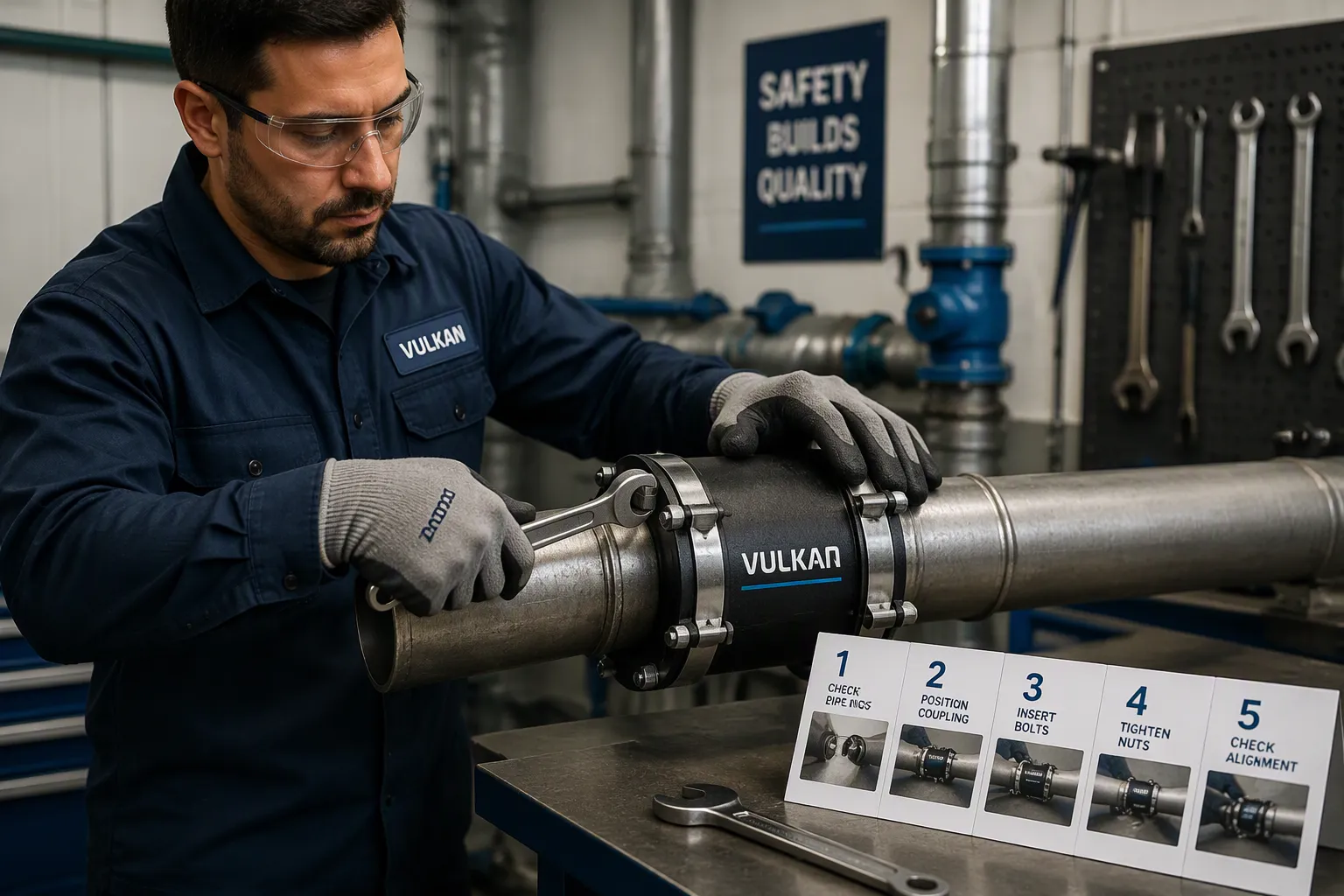
Some isolators are easy to put in if you follow the steps. If your system is hard to set up, ask an expert or call YNF Rubber for help.
How often should I check my vibration isolators?
Check your vibration isolators every few months. Look for any damage, worn spots, or loose parts. Checking often helps your system work well for a long time.
Where can I buy quality vibration isolators?
You can get good vibration isolators from YNF Rubber. They have products and help for your pipe system.