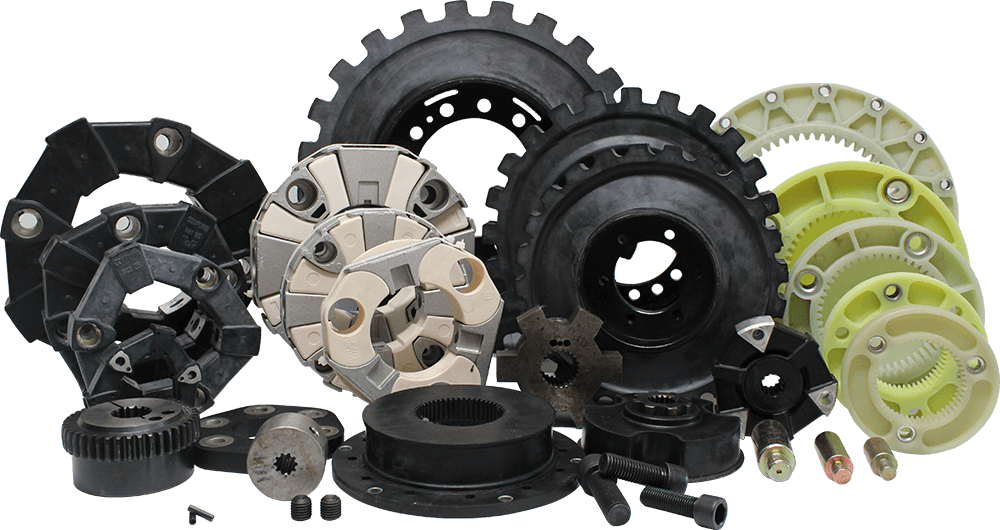

You can find mounting bushings in machines that move or shake. These small parts help lower noise and stop too much vibration. When you use a bushing, you keep metal parts from wearing out fast. Bushings help things move smoother and make machines last longer. Many industries use bushings to keep equipment safe and working well.
Key Takeaways
Mounting bushings help lower noise and shaking. This makes machines work better and last longer. Picking the right bushing material, like rubber or metal, is very important. It helps machines work well in different places. Bushings keep moving parts safe from damage. This saves money on fixing or changing parts later. Check bushings often and change them if they are worn out. This keeps machines safe and working well. Many industries need bushings, like cars, planes, and building work. Each industry uses bushings for their special needs.
Mounting Bushings Overview
What Is a Mounting Bushing
Mounting bushings are found in many machines and vehicles. A mounting bushing is a small part placed between moving pieces. It works like a cushion. It stops metal parts from touching each other. Bushings can be made from rubber, metal, or special plastics. Each material works best in certain situations.
Mounting bushings lower noise and vibration. They also help parts last longer. Using the right bushing makes equipment run better.
Here is a table that lists common bushing materials and their features:
Material | Properties | Advantages | Disadvantages |
|---|---|---|---|
PEEK | Strong, resists wear, lightweight | Handles high heat, resists chemicals | Costs more |
UHMW PE | Very tough against wear | Less friction | Not good in high heat |
PPS | Has many good traits | Resists chemicals | Harder to find |
Nylon | Durable, not expensive | Saves money | Not good for extreme use |
Bushings look different in each industry. In cars, bushings help absorb shocks and make rides smoother. In factories, bushings carry heavy loads and keep things moving. You also see bushings in tractors, excavators, and mining machines. Each type helps machines work better and protects them.
In farming, bushings help tractors and harvesters move easily.
In building, bushings let excavators work without breaking.
In mining, bushings last in tough conveyor systems.
In cars, bushings take in shocks from engines and suspensions.
In factories, bushings hold heavy loads in pumps and gearboxes.
Main Functions and Benefits
Mounting bushings do more than just fill space. They have many important jobs in machines. The table below shows what bushings do:
Function | Description |
|---|---|
Reduce Friction | Bushings lower friction between moving parts. |
Absorb Loads | They spread out loads and protect parts from stress. |
Protect Against Wear | Bushings stop parts from touching, so they wear less. |
Vibration Isolation | They cut down on shaking and noise. |
Mechanical Flexibility | Bushings let parts move in a controlled way. |
Bushings help you in many ways:
They keep machines quiet and safe.
They let parts move without breaking.
They help parts last longer.
They make machines work better and save energy.
Bushings also help machines last longer. Polyurethane bushings do not wear out fast. They stay strong after many uses. These bushings can hold heavy loads and handle high heat. They also resist chemicals and oils. This makes them useful in many places. You spend less money fixing or replacing parts when you use the right bushing.
Here are some benefits you get from bushings:
Benefit | Description |
|---|---|
Durability | Polyurethane bushings last a long time and resist wear. |
Resilience | They can take lots of pressure and do not change shape. |
Abrasion Resistance | They do not wear down easily, even with rubbing. |
Chemical Resistance | They stand up to chemicals, oils, and solvents. |
Load Support | They hold heavy loads and stay strong. |
Noise and Vibration Dampening | They lower noise and shaking, which helps in cars. |
Temperature Resistance | They work well in hot and cold places. |
Cost-Effectiveness | They cost more at first but save money over time. |
When you pick the right mounting bushings, your machines work better. You protect your equipment and avoid expensive repairs.
How Mounting Bushings Work
Vibration Damping
Machines that move fast or carry heavy things shake a lot. This shaking is called vibration and friction. Mounting bushings help control these forces. A bushing sits between moving parts and their supports. It acts like a cushion. The bushing soaks up the shaking and spreads it out. This means less vibration reaches the rest of the machine. Rubber bushings are good for this job. They make machines quieter and more comfortable.
Tip: For the best vibration isolation, your bushing’s natural frequency should be much lower than your equipment’s frequency.
Here is a table with science words that show how well bushings stop vibration:
Parameter | Description |
|---|---|
φ | Phase difference angle |
δ | Logarithmic attenuation coefficient |
Q | Quality factor |
η | Loss factor |
ζ | Damping ratio |
Rubber bushings in cars and machines stop unwanted shaking. They keep fragile parts safe from harm. Anti-vibration mounts help machines last longer. They also help you spend less money fixing machines.
Shock Absorption
Mounting bushings also help with shock loads. When a machine hits a bump or gets a sudden force, the bushing takes in the energy. It spreads the force out so the machine does not break. You see this in trucks, robots, and big machines.
Type of Mount | Material Used | Load Capacity | Application |
|---|---|---|---|
Vibration & Shock Mounts | Natural Rubber, Silicone | Varies by model | Low-frequency vibration, high-impact environments |
Vibration / Isolation and Shock Absorption Mounts | Rubber | Varies by model | End-stop buffers in transportation, automation, motors, pumps, compressors |
These bushings act like soft pads for motors and pumps.
They stop damage from strong shaking.
They help make noisy places quieter.
Tests show bushings lower the force machines feel. For example, shock tests found a 15.78% drop in chassis acceleration. There was also a 24.66% drop in road holding index. This means machines stay steady and safe.

Friction Reduction
Bushings also help lower friction between moving parts. They give a smooth surface for parts to slide on. This helps machines work better and last longer. Many bushings use self-lubricating materials. These bushings keep working well for a long time.
Bushings made from bronze, nylon, or PTFE lower friction and wear.
These materials also help lower rolling friction and save energy.
You get less noise and vibration, and your parts last longer.
Here is a table that shows how slippery different bushing materials are:
Material | Surface | Condition | Friction Coefficient |
|---|---|---|---|
Nickel | Mild Steel | Clean and Dry | 0.64 |
Nylon | Steel | Clean and Dry | 0.4 |
Polyethylene | Steel | Clean and Dry | 0.2 |
Rubber | Rubber | Clean and Dry | 1.16 |
Polytetrafluoroethylene (PTFE) | Steel | Clean and Dry | 0.05 – 0.2 |
Tungsten Carbide | Steel | Clean and Dry | 0.4 – 0.6 |

When you use the right bushing, you get less friction. You also get less noise and shaking. Your machines work well for a long time.
Types of Bushings

Rubber Bushings
Rubber bushings are used in many machines and vehicles. They help absorb shocks and control vibrations. This makes rides quieter and smoother. Here are some important things about rubber bushings:
Rubber bushings soak up shocks in cars and machines.
They lower vibrations and noise for a better ride.
Their flexibility lets you use them in many machines.
You can see rubber bushings working in different ways:
Rubber bushings stop too much sliding. Polyurethane bushings may let parts move more but can be noisier.
Rubber bushings give both comfort and good handling. Other bushings may only focus on one thing.
Rubber bushings are important for car design because they absorb shocks. Some other materials do not do this as well.
Rubber bushings are used in car suspensions, engine mounts, and factory machines. They usually last about 15 years, which is the same as most cars. But heat, ozone, and heavy loads can make them wear out faster. Over time, rubber bushings might crack or split, especially if the environment is harsh.
Metal Bushings
Metal bushings are best when you need strong and tough parts. You see them in heavy machines, construction equipment, and vehicles. Metal bushings are made from steel or bronze. They handle big loads and do not wear out as fast as rubber bushings. Here is a table with their main advantages:
Advantage | Description |
|---|---|
High Strength | Steel bushings can take very heavy loads and last a long time. |
Corrosion Resistance | Steel bushings with coatings do not rust easily, so they last longer in tough places. |
Cost-Effectiveness | They last longer and need less fixing, so you save money. |
Versatility | You can use them in cars, building, airplanes, and factories. |
Metal bushings are hard and strong. They do not crack or split like rubber bushings. You can make metal bushings in special sizes for different jobs. If you use oil, metal bushings slide better and last longer.
Metal bushings are made for heavy jobs.
They do not wear out fast in tough places.
Rubber bushings can break down faster in hard conditions.
Other Materials
Some bushings are made from other materials for special jobs. Polymer bushings last a long time and slide easily. Many polymer bushings do not need oil because they are self-lubricating. Sintered bushings are also tough and self-lubricating, so they work well in fast machines.
Material Type | Key Features | Applications |
|---|---|---|
Polymer Bushings | Last a long time, slide easily, do not need oil | Used in food machines and high-tech factories |
Sintered Bushings | Tough, have tiny holes, self-lubricating, good for heavy jobs | Used in fast machines and car parts |
Polyurethane Bushings | Hold heavy loads, do not squish easily | Used in cars and factories |
Composite bushings mix different materials to be strong and flexible. These bushings soak up shocks and vibrations. They do not rust and work in hot or cold places. Many composite bushings are self-lubricating, so you do not need to fix them often and they last longer.
Tip: Pick the bushing material that fits your needs. Think about how much weight it will hold, the temperature, and where you will use it.
Industry Uses for Bushings

Mounting bushings are important in many industries. You can find them in cars, airplanes, factories, and power plants. Each industry uses bushings in its own way. Bushings help solve different problems in each field. Let’s see how bushings help in these areas.
Automotive Uses
Bushings are everywhere in cars and trucks. They help your car ride smooth and quiet. Bushings sit between moving parts in the suspension and engine. They soften bumps and lower noise. This makes your ride safer and more comfortable.
Some car parts that use bushings are:
Control arm bushings
Sway bar bushings
Strut mount bushings
Steering rack bushings
Shock absorber bushings
Leaf spring bushings
You also see bushings in:
Engine mounts
Differential mounts
Stabilizer bars
Subframe mounts
Bushings in car suspensions soak up shocks and shaking. They keep your car steady and help with alignment. Soft bushings from the factory help absorb bumps and lower noise. If you check and change old bushings, your car stays safe and comfy.
Tip: Check your bushings often to keep your car quiet and make it last longer.
If you want strong bushings for your car, YNF Rubber has good choices that last and feel good.
Aerospace Uses
Bushings help keep airplanes safe and working well. You find them in flight controls, landing gear, and engine mounts. These bushings lower friction and control shaking. They also keep parts lined up right. This is important for safe flying.
Here are some ways bushings help in airplanes:
Lower friction so parts move smoothly
Control shaking to protect important equipment
Keep parts lined up to spread out weight
Bushings in airplanes protect delicate tools from shocks. They help stop failures and keep planes safe. You can trust bushings to handle tough jobs in airplanes.
Machinery and Manufacturing Uses
Bushings are needed in factories and machines. You see them in pumps, gearboxes, and compressors. They help machines run smooth and last longer. Bushings soak up shocks and lower shaking. This keeps your machines steady.
Here’s how bushings help in machines:
Make machines run smooth and last longer
Keep complex machines working right
Lower noise for a better workplace
Make it easy to change parts and save time
Bushings in compressors help lower shaking and noise. This makes work safer and more pleasant. Using the right bushing lowers repair costs and stops breakdowns. It is also easier to change old bushings, which saves money.
Note: Picking the wrong bushing, not using oil, dirt, or bad alignment can make bushings fail. Always pick the right bushing for your machine.
YNF Rubber has bushings for many machines, like compressors and air compressors.
Construction Uses
The construction industry needs bushings for heavy machines. You find bushings in excavators, loaders, and cranes. They lower friction and soak up shocks from rough ground. This helps machines last longer and work better.
Key ways bushings help in construction:
Lower friction and stop metal parts from touching
Soak up shocks to stop damage
Act as a soft layer to protect expensive parts
Give flexibility and lower noise
Rubber bushings are great for construction machines. They stop shaking and help machines work well. Using bushings makes your equipment last longer and saves money on repairs.
Energy Sector Uses
Bushings help protect power plants and energy systems. You find them in generators, turbines, and transformers. Vibration isolation mounts, also called anti-vibration mounts, stop shaking from moving to buildings. This keeps your equipment and the area safe.
Type of Mount | Description |
|---|---|
Soundown Ring Bushing Mounts | High-capacity isolation mounts for pumps, motors, air compressors, and panels |
Bushings in the energy field also help send high-voltage power safely. They insulate and guide wires so power moves well. As more green energy is used, bushings must handle new loads. New bushings made from special materials last longer and work better.
If you want your energy machines to work well, pick strong bushings from YNF Rubber.
Bushing Selection
Comparison to Bearings
When you choose between bushings and bearings, you need to know how each works. Bushings and bearings both help parts move smoothly, but they have different jobs. Bushings guide motion and reduce friction. Bearings support loads and help with rotation. You often see bushings in places where parts slide or move back and forth. Bearings work best in spots where parts spin fast or carry heavy loads.
Here is a table that shows the main differences:
Component | Definition | Function |
|---|---|---|
Bushing | A hollow, single-component cylinder that reduces friction and guides motion. | Primarily used to reduce friction and guide motion. |
Bearing | A fastener that bears the load of an application and reduces friction. | Designed to bear loads and facilitate rotational movement. |
If you want simple parts that last and cost less, bushings are a good choice. Bearings work better for high-speed or heavy-duty jobs. You can use bushings in many machines, but bearings fit best in motors and wheels.
Tip: Always check your machine’s needs before you pick bushings or bearings.
Selection Considerations
You need to think about several things when you pick bushings for your equipment. Each factor helps you find the right fit for your job. Here is a quick guide for installing bushings and choosing the best type:
Load Capacity: Bushings handle light to heavy loads. Bearings work better for very heavy loads.
Speed: Bushings work well at low speeds. Bearings are better for high-speed jobs.
Accuracy: Bearings give you high precision. Bushings have lower tolerances.
Vibration and Noise: Bearings help lower vibration and noise. Bushings may cause more if not installed right.
Cost: Bushings cost less up front. You may spend more on maintenance over time.
Here is a table to help you compare these factors:
Factor | Description |
|---|---|
Load capacity | Bushings can handle low to heavy loads, while bearings are better for high loads and speeds. |
Speed | Bearings are ideal for high-speed applications due to lower friction; bushings are not. |
Accuracy | Bearings provide high precision; bushings generally have lower tolerances and precision. |
Vibration and noise | Bearings minimize vibration and noise; bushings may lead to more due to less precision. |
Cost | Bushings are cheaper but may have higher maintenance costs compared to bearings. |
You should also think about the environment, temperature, and chemicals your bushings will face. If you want bushings that last and work well, YNF Rubber offers many choices for different industries. You can ask their experts for help if you need advice.
Note: Always follow a guide for installing bushings to make sure they work right and last longer.
Mounting bushings help many industries keep machines safe, quiet, and strong. You see their value in cars, planes, factories, and power plants. When you choose the right bushing, you protect your equipment and save money.
Remember: Always check your needs before you buy. If you want expert advice or quality bushings, you can reach out to YNF Rubber for help.
Bushings make your machines last longer and work better every day.
FAQ
What is the main job of a mounting bushing?
A mounting bushing acts like a cushion. You use it to lower vibration and noise. It also helps protect moving parts from wearing out too fast.
How do you know when to replace a bushing?
You should check for cracks, splits, or extra movement in your machine. If you hear more noise or feel more shaking, it may be time to replace the bushing.
Can you use the same bushing in every machine?
No, you need to pick the right bushing for each job. Machines have different needs. Always check the size, material, and load before you choose.
What materials work best for bushings?
You can find bushings made from rubber, metal, or special plastics. Each material works best in certain places. Rubber helps with vibration. Metal handles heavy loads. Plastics resist chemicals.
Where can you buy quality bushings?
For strong and long-lasting bushings, you can trust YNF Rubber. They offer many types for different machines and industries.