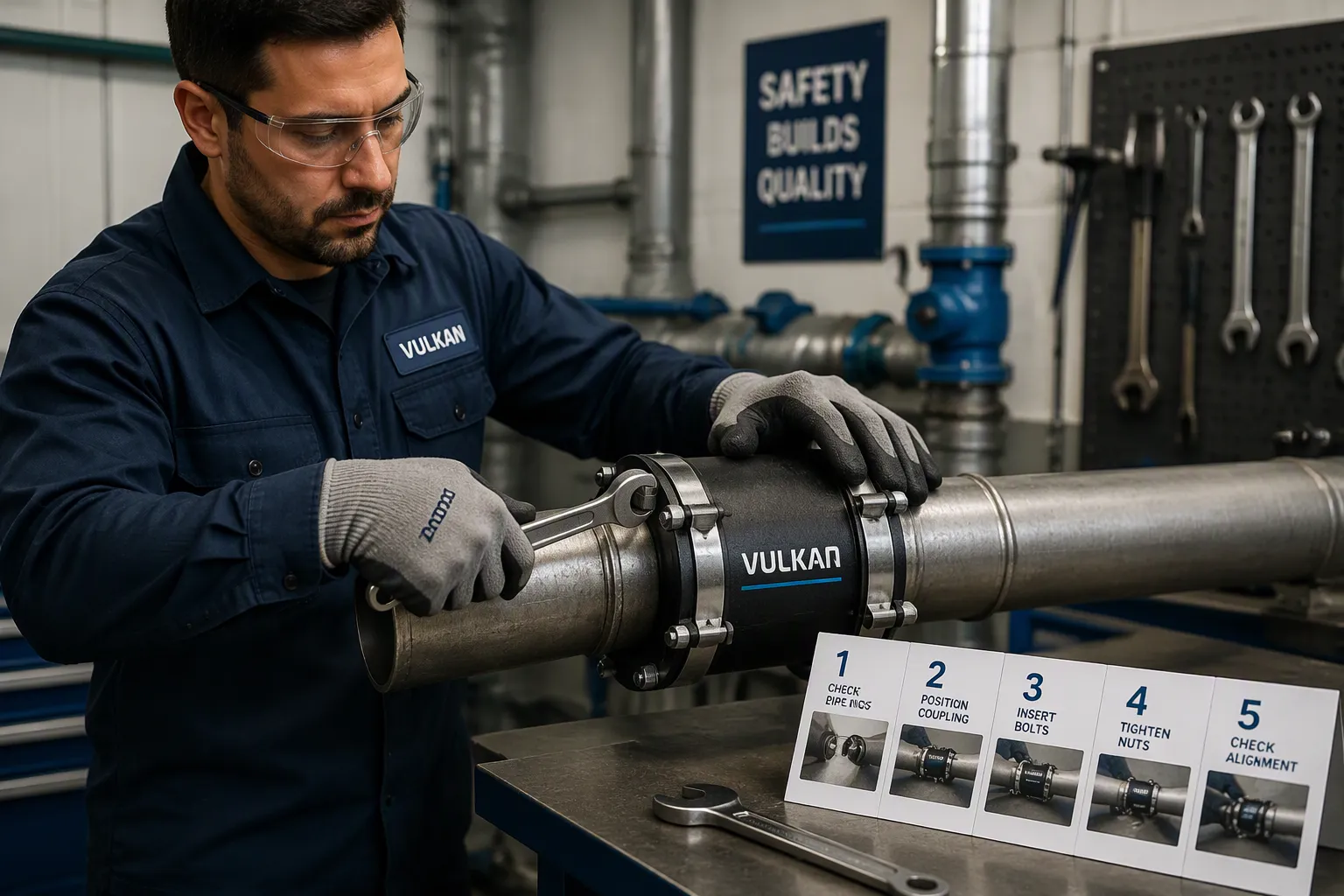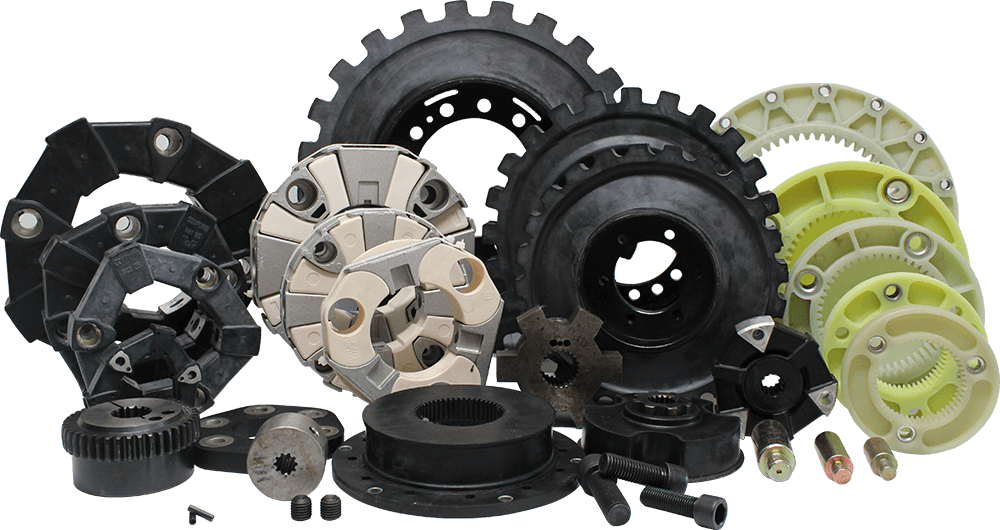

You can put rubber bushes in machines by following easy steps. First, take out the old bushings and get the housing ready. Next, put in the new bush with the right alignment and make sure it stays in place. Doing this right helps the machine work safely and last longer.
Even the best bushing materials can break if parts are not lined up or put in wrong. This can cause uneven wear and early failure.
You will find these steps easy if you use the right method.
Key Takeaways
Use the correct tools and materials to install rubber bushes. This keeps you safe and makes your work better.
Always wear safety glasses and gloves when you work. These protect you from getting hurt.
Clean and organize your work area before you start. A neat space helps you work faster and stay safe.
Check if the bushing is lined up right as you install it. Good alignment stops early damage and helps the machine work well.
Look at rubber bushes often and change them every 10 years. Change them sooner if you see any damage. This keeps your machines safe and working right.
Tools & Materials

Essential Tools
You need good tools to put in rubber bushes. The right equipment keeps you safe and helps you do a better job. Here is a table that shows the most common tools you should use:
Tool | Description |
|---|---|
Bushing Press | Pushes bushings into place with a strong press. |
Bushing Driver Set | Round drivers for tapping bushings in with a hammer. |
Bushing Installation Kit | Has drivers and adapters for different bushing sizes. |
Bench Vise | Holds the bushing still while you work. |
Measuring Tools | Calipers or micrometers to measure bushings correctly. |
Tip: Always make sure your tools fit the bush size and type. This stops damage and helps the bush fit well.
Supplies Needed
You also need the right materials to install rubber bushes. The most used materials for rubber bushes are:
Natural rubber
Synthetic elastomers
Special synthetic rubbers and blends
Each kind of rubber bush works in its own way. Here is a simple guide to help you pick:
Type of Rubber Bushing | Key Properties |
|---|---|
Natural Rubber | Stops vibration well and stretches easily; breaks down faster in heat, ozone, or oils |
Nitrile Rubber (NBR) | Stands up to oil and grease; good for hydraulic systems |
EPDM Rubber | Handles weather, ozone, and sunlight very well |
Silicone Rubber | Handles high heat and insulates electricity well |
Polyurethane | Very strong, lasts long, and resists oils and chemicals; costs more and lets more vibration through |
If you pick good rubber bushes, you will not need to replace them often. This saves you money over time. Cheap bushes wear out quickly and can stop your machine from working. For good results, you can use YNF Rubber as your supplier for rubber bushes.
Note: Using the right materials and tools helps your machines work well and last longer.
Safety
Personal Protective Equipment
You need to protect yourself before you start installing rubber bushes. Wearing the right gear keeps you safe from injuries. Here is a list of personal protective equipment you should use:
Safety glasses: Shield your eyes from flying debris or dust.
Gloves: Protect your hands from sharp edges and chemicals.
Steel-toe boots: Guard your feet against heavy parts that might fall.
Ear protection: Use earplugs or earmuffs if you work with loud tools.
Work apron or coveralls: Keep your clothes clean and protect your skin.
Tip: Always check your gear for damage before you use it. Replace any broken or worn-out items.
You can use this table to remember what each item does:
Equipment | Purpose |
|---|---|
Safety Glasses | Protects eyes |
Gloves | Shields hands |
Steel-toe Boots | Guards feet |
Ear Protection | Reduces noise |
Apron/Coveralls | Keeps clothes and skin safe |
Work Area Setup
You must set up your work area before you begin. A clean and organized space helps you work faster and safer. Follow these steps to prepare your area:
Clear away clutter and remove any tools you do not need.
Sweep the floor to get rid of dust and small parts.
Make sure your workbench is sturdy and level.
Place all your tools within easy reach.
Check that your lighting is bright and covers the whole area.
Keep a first aid kit nearby in case of accidents.
Note: Good lighting helps you see small details and prevents mistakes.
You should also keep fire extinguishers and emergency exits clear. If you work with chemicals, store them safely and label them. You can ask someone to help you if you need to move heavy parts. A safe work area lets you focus on the job and keeps you from getting hurt.
Installing Rubber Bushes
Removing Old Rubber Bushings
You must remove old rubber bushings before you install new ones. Start by marking the orientation of the bushing. This helps you keep the correct alignment when you install the new bushing. Use a marker or chalk to make a clear line.
There are several ways to remove bushings. You can use tools or special methods. The table below shows common methods and how they work:
Method | Description |
|---|---|
Drilling | Use a 1/4″ drill bit to make holes around the rubber. This loosens the bushing for easier removal. |
Burning | Soak bushings in gasoline and ignite to burn out the rubber. Poke holes for faster burning. |
Cutting Torch | Use a torch outdoors to burn the rubber. Watch for smoke and keep the area safe. |
Hole Saw | Use a hole saw without a pilot drill to cut through the rubber. Slit the metal sleeve with a hacksaw. |
⚠️ Always work in a well-ventilated area. Burning rubber bushings can release harmful smoke. Dispose of old bushings safely. Recycling is better for the environment, but it can use a lot of energy. Landfilling and incineration can cause pollution and fires.
If you only need to replace bushings, you can sometimes leave the outer shell in place. Remove the middle part first. This saves time and keeps the housing intact.
Preparing the Housing
After you remove the old bushing, you need to prepare the housing. Clean the area with a wire brush or sandpaper. Remove all dirt, rust, and old rubber. Polish the surface so the new bushing fits well.
Check the size of the housing. Make sure it matches the new bushing.
Chamfer and de-burr the hole. This prevents damage when you install the new bushing.
Pay attention to tolerances. The hole should not be too big or too small.
Mark the orientation again if the mark was lost during removal.
Tip: A smooth and clean housing helps the new bushing last longer. It also makes installation easier.
Fitting the New Rubber Bush
You can install the new bushing using a hammer or a hydraulic press. Each method has pros and cons.
A hammer is easy to use, but it can damage weak bushings. Rubber can flex too much and tear. If you use a hammer, choose a rubber mallet and add a dab of grease. This reduces friction and protects the bushing.
A hydraulic press works better for most jobs. It pushes the bushing in smoothly and keeps it straight. You avoid damage and get a tight fit.
Note: Always align the bushing with your marks. Proper alignment prevents premature wear. Use high-quality rubber bushes for best results. Lubricate the bushing before installation. Products like McLube® 414 or McLube® 1800E work well. These lubricants are water-based, non-toxic, and reduce friction by 70%. They dry in about one hour and do not stay slippery.
Follow these steps to install the new bushing:
Apply lubricant to the bushing and housing.
Align the bushing with your marks.
Use a press or mallet to push the bushing into the housing.
Tap the metal sleeve gently with a rubber mallet to secure the bushing.
Check that the bushing sits flush and does not twist.
If you need to replace bushings on both sides, do them at the same time. This keeps the machine balanced.
Final Checks & Reassembly
After you install the new bushing, you must check your work. Make sure the bushing is straight and fits tightly. Look for gaps or twists. If you see problems, remove and reinstall the bushing.
Check the torque on retainer bolts. The table below shows factors that affect tightening:
Factor | Description |
|---|---|
Tightening Torque | Amount of torque for retainer bolts that compress the rubber seal |
Number of Bolts | Total bolts used to secure the seal |
Bolt Size | Size of bolts, which affects torque needed |
Contact Area | Surface area between retainer and rubber seal |
Rubber Stiffness | Hardness of rubber, which affects compression |
Seal Thickness | Thickness of rubber seal, which affects compression |
Tighten bolts only when the machine is loaded. This keeps the bushing in the right position. Lubricate moving parts if needed. Reassemble all parts and test the machine.
✅ Proper installation of rubber bushes helps your machine run smoothly. It prevents early failure and saves money. If you have trouble, ask a professional for help.
Troubleshooting
Common Issues
You might have problems when you put in rubber bushes. Knowing these problems early helps you stop damage. It also keeps your machines working well.
Rubber bushings can break if they get too hot or touch engine fluids. Heat makes rubber hard and cracked. Oil or grease can make rubber soft or jelly-like.
Bad axle seals can wear out control arm bushings fast. If you see metal parts touching, the bushings are worn out. This can hurt other expensive parts.
If you install bushings wrong, they can bend or break. Stretching, twisting, or pressing too much puts stress inside. This can make bushings fail early.
You should replace a rubber bush if you feel more shaking, hear loud noises, see too much movement, notice steering problems, uneven tires, or gear shifting trouble.
Tip: If you notice these problems, check the bushings soon. Changing them quickly saves money and stops bigger issues.
Mistakes to Avoid
You can stop most problems by following easy rules when you install bushings.
Do not change rubber bushings. They are made to fit tight. Changing their shape makes them break.
Always set the suspension at normal height before you tighten bushings. Use a 2-inch block to help.
Do not use oil-based lubricants. Dish soap works better and does not hurt rubber.
Put anti-seize on nut threads when you put things together. This makes it easier to take apart later and stops rust.
Make sure you line up the bushings with your marks. Good alignment helps bushings soak up shaking and lets shafts move a little.
Do not stretch or twist bushings too much when you install them. This stops stress inside and helps bushings last longer.
Mistake | What Happens | How to Prevent |
|---|---|---|
Using wrong lubricant | Rubber gets ruined | Use dish soap |
Over-tightening bolts | Bushing bends | Tighten at normal height |
Poor alignment | Wears out fast, shakes | Mark and line up carefully |
Changing bush shape | Breaks when used | Use bushings as made |
Note: Custom bushings can help your machines work better. Always pick good bushings from trusted suppliers like YNF Rubber for best results.
Putting in rubber bushes the right way helps your machine stay safe. It makes the machine work well and stops problems. Rubber bushes protect parts from shaking, loud sounds, and rust. Check the bushes every few months. Clean them with gentle soap to find damage early. If you see cracks or loose parts, ask experts for help. They can fix vibration problems and make special rubber parts. YNF Rubber gives you strong bushings you can trust.
Benefit | Description |
|---|---|
Enhanced Durability | Makes machines last longer |
Vibration Isolation | Stops damage from shaking |
Alignment and Stability | Helps parts work together |
Clean and grease bushings often.
Keep rubber parts away from heat and wet places.
Change bushings every 10 years or sooner for best results.
FAQ
How often should you replace rubber bushes in machinery?
You should check rubber bushes every few months. Replace them every 10 years or sooner if you see cracks, noise, or loose parts. Regular checks help your machine work safely.
What is the best way to lubricate rubber bushes during installation?
Use water-based lubricants like dish soap or McLube® products. These help the bush slide in easily and protect the rubber. Avoid oil-based lubricants because they damage rubber.
Can you install rubber bushes without special tools?
You can use a rubber mallet and a bench vise for small jobs. For larger bushings, a hydraulic press works best. Using the right tools helps you avoid damage and ensures a tight fit.
Why do rubber bushes fail early?
Rubber bushes fail early if you use the wrong lubricant, tighten bolts too much, or install them out of alignment. Heat, oil, and chemicals also cause damage. Always follow the correct steps.
Where can you buy high-quality rubber bushes?
You can buy strong and reliable rubber bushes from YNF Rubber. They offer durable products that help your machinery last longer and perform better.