
Correctly putting in generator vibration isolators helps them work better and keeps your equipment safe. If you do not mount a generator the right way, you can have problems like:
More vibration than normal
Too much shaking and loud banging sounds
The system becomes unstable and costs more to fix
Industry rules say each isolator must block at least 90 percent of vibration and have a leveling tool with a strong pad. You spend less money over time because you do not need as many repairs and your equipment lasts longer. If you pay close attention to each step, your generator will work well and be dependable.
Key Takeaways
Pick the right vibration isolators to lower noise and keep your generator safe. Use rubber or spring isolators. Do not put the generator on hard surfaces.
Find out your generator’s weight and center of gravity. This helps you pick isolators that hold the weight well and work right.
Put isolators in the right spots to cut down vibrations. Place them near the generator’s center of gravity. Make sure they are spaced out evenly for balance.
Check your vibration isolators often for damage or wear. Finding problems early can save money and help your generator run well.
Think about where you will install the generator. Indoor and outdoor places need different isolators. This helps control noise and protects from weather.
Selecting Generator Vibration Isolators

Picking the right generator vibration isolators helps lower noise. It also keeps your equipment safe. Do not put your generator right on hard surfaces. Hard surfaces move vibrations and cause more damage. Use rubber or spring isolators instead. These isolators take in shocks and keep the generator steady.
Assessing Generator Weight
You must know your generator’s weight before picking isolators. The weight decides the size and strength of the isolators.
The weight of the equipment you want to isolate changes the size and strength of the spring vibration isolator.
The center of gravity matters too. It changes how the weight is spread out. This affects how well the vibration isolation works.
Heavy generators need isolators that can hold more weight. If the weight is not even, some isolators wear out faster. Always check the weight and center of gravity. This helps you pick the right isolators.
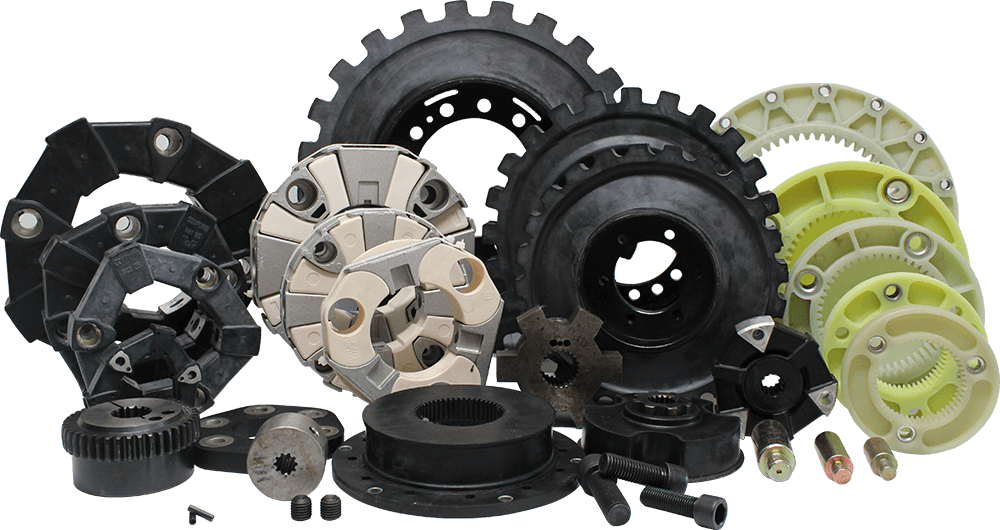
Matching Isolator Type
You need to pick the right isolator type for your generator. Each type of generator vibration isolator has good and bad points. The table below shows the main types:
Type of Isolator | Advantages | Disadvantages |
|---|---|---|
Metal Rubber | Very stretchy, good at stopping shaking, lasts long, works in tough places | Not always good at stopping shaking, not for all jobs |
Steel Spring | Holds heavy things, low natural shaking, does not rust | Not great at stopping shaking, can move, may rock |
Rubber | Stops shaking well, easy to shape, good at stopping shaking inside | Gets old, changes shape under heavy weight, not for all uses |
Think about vibration frequency and generator size too. Generator vibration isolators work best when matched to the vibration frequency around them. If the isolator’s natural frequency is lower than the vibration around it, resonance can happen. This makes vibrations worse and can hurt your generator. Always check the details and make sure the isolator fits your generator’s size and vibration needs.
The table below shows what to look for when picking generator vibration isolators:
Criteria | Description |
|---|---|
Equipment Specifications | Know your equipment’s shaking speed and how much it vibrates. |
Equipment Location | Think about where your generator is and what holds it up. |
Vibration Excitation | Look at the kinds and directions of vibration your generator makes. |
YNF Rubber makes strong generator vibration isolators. You can count on their products to help your generator work well and last longer.
Calculating Load for Vibration Isolators
Load Distribution
You need to know how much weight each vibration isolator will hold. First, find out the total weight of your generator. Then, split this weight by the number of isolators you want to use. This tells you how much weight each isolator needs to carry. If one side of your generator is heavier, use isolators that can hold more weight on that side.
There is a simple way to check if the isolator can hold the load. You multiply the piston’s area by the highest pressure the diaphragm can take. For example, if a piston is 4 inches wide, it can hold 1,000 pounds if it is rated for 80 psi. Always look at the specs for each isolator before you put them in.
Tip: The isolator’s natural frequency should be less than your generator’s vibration frequency. This stops the vibration from getting worse.
You also need to figure out the highest isolator natural frequency (fn). Use the right formula to find fn. If fn is too high, it can make the vibration stronger, not weaker.
Number of Isolators
You have to pick how many vibration isolators you need. Many things can change this number:
How much weight needs to be held
The vibration frequency of the machine
How strong the base is under the machine
Where you will put the generator
How much vibration you want to stop in your area
Most generators use four isolators, one at each corner. If your generator is very big or the weight is not even, you might need more. Always look at the place where you will put the generator and check the base. Make sure each isolator can hold its part of the weight.
A table can help you plan:
Factor | What to Check |
|---|---|
Total Weight | Divide by number of isolators |
Structure Rigidity | Use more isolators for weak bases |
Isolation Efficiency | Choose isolators with higher ratings |
If you do these steps, your generator will work well. It will also last a long time.
Positioning Vibration Isolators

Putting vibration isolators in the right place is very important. It helps lower shaking and noise from your generator. You need to put each isolator in a good spot. This breaks the path of vibration between the generator and its surroundings. It keeps the generator steady and protects things nearby.
Mounting Points
Always put anti-vibration mounts under the generator. Put them between the generator and the concrete pad. This stops vibrations from going into the floor or building. When you put in mounts, keep them close to the center of gravity. This helps each mount hold its part of the weight. It also keeps the generator balanced.
Put mounts the same distance from the center of gravity.
Use thin elastomeric pads for generators on concrete pads. These pads help lower vibration.
For generators inside buildings, spring vibration isolators work well. They help lower ground vibration.
Always check that the mounting surface follows local building rules, especially in business places.
Tip: Clean the mounting surface before you put on the mounts. A clean surface helps isolators work better and last longer.
Some special cases need extra care. If you put a generator on a fuel tank, think about the weight and size. The kind of vibration and the environment, like temperature and humidity, can change how spring isolators work. Always pick isolators that fit your generator and the place you put it.
Even Placement
Even placement of vibration isolators helps keep things steady. It also helps control noise. When you spread mounts out evenly, the generator stays level. This lowers shaking and noise in the building.
How you place the mounts changes how the generator moves. If you put mounts where vibration is lowest, you get better results. Try to keep each mount at the same height as the center of gravity. This makes the generator more stable, especially if you need to move it.
Here is a simple checklist for even placement:
Check the generator’s weight and center of gravity.
Put each mount the same distance from the center.
Make sure each mount holds the same amount of weight.
Use extra mounts if the generator is very big or the weight is not even.
Note: After you put in the mounts, test the generator. Listen for noise and feel for shaking. If you find problems, move the mounts until the generator is steady and quiet.
If you follow these steps, your generator will last longer and work better. You also make the area around your generator safer and quieter. YNF Rubber makes vibration isolators that work well for these needs.
Installation Environment
Indoor vs Outdoor
Think about where you want to put your generator. The place changes what vibration isolators you need. If you put the generator inside, you usually have a hard floor or concrete pad. This is a strong base. But you still need to stop vibrations from going into the building. Inside, you also need to keep noise low so people are not bothered.
Putting a generator outside is different. You must keep it safe from rain, snow, and wind. The base must stay strong and not break or leak. Outside, you may need special covers that protect from weather. You also need to follow local noise rules. This means you might need isolators that block more vibration and sound.
Tip: Always look up your local noise laws before putting a generator outside. This helps you pick the right vibration isolators and keeps you out of trouble.
Here is a table to help you compare:
Environment | Key Concerns | Isolator Needs |
|---|---|---|
Indoor | Noise, building vibration | Good pads, springs, balance |
Outdoor | Weather, noise laws, leaks | Strong, weatherproof, durable |
Skid-Base and Enclosures
How you set up your generator changes vibration control. Many generators use a skid-base. This is a metal frame that holds the engine and alternator. If the skid is light, it can make vibrations louder. You need strong vibration isolators to stop noise from spreading.
If you put your generator on a concrete pad or steel base, vibrations can move into the building. Use vibration pads or springs between the generator and the base. This lowers noise and keeps the building safe.
If you live where earthquakes happen, seismic isolators help protect your generator. These isolators keep it safe from engine vibrations and shaking from the ground.
Note: Always keep the engine and alternator apart from the mounting structure. This stops damage from too much vibration.
Pick vibration isolators that fit your generator’s base and enclosure. This helps your generator last longer and keeps your area quiet and safe.
Maintenance Tips
Inspection
You need to check your generator vibration isolators often. This helps your system work well. Look for signs that something is wrong, like damaged insulation or loose parts. If the insulation gets worn out, it can cause electrical problems. It might even lead to flashover, which is dangerous. Sometimes, the ties that hold the isolator can break. If this happens, the vibration frequency can change and hurt your generator. You may see parts moving more than normal. Too much movement can make wires inside the generator get tired and break.
Here are some steps you should follow when you check:
Look for cracks or rips in the isolator.
Check if any parts have moved or come apart.
Make sure all bolts and screws are tight.
Listen for new or louder sounds when the generator is on.
Tip: Checking your isolators often helps you find problems early. This can stop vibration from causing bigger trouble.
Troubleshooting
If you hear too much noise or feel shaking after you put in a vibration isolator, you need to find out why. Use the table below to help you fix the problem:
Check | Solution |
|---|---|
High Input Voltage | Check that the voltage taps are set right. |
High Frequency | Change the generator settings if you can. If not, you may need to fix the transformer. |
Unbalanced Loads | Make sure each phase has less than one-third of the total load. |
Damaged Core | Look at welds and brackets. Tighten or fix them if needed. |
Missing Anti-Vibration Pads | Put new pads between the core and the enclosure. |
Loose Enclosure | Tighten all screws and bolts. |
Suspended Floor or Wall | Move the generator to a strong base or make the area stronger. |
Multiple Generators in One Room | Move them apart or add more pads or springs. |
Persistent Noise | Try a low-noise transformer or use more isolation pads. |
Always use the right vibration isolator for your generator. This helps lower vibration and keeps your equipment safe. If you want isolators you can trust, YNF Rubber has good products for long-term use.
You can put in generator vibration isolators the right way by doing these steps:
Try to keep the load close to 50 psi for good results.
Make sure the shape factor stays between 0.5 and 1.0.
Look at the dynamic modulus of the material you use.
Figure out how stiff the parts are if they are not simple shapes.
Set the natural frequency so it is about one-third of the vibration frequency.
If you pick, measure, and place isolators the right way, you can stop equipment from breaking, make things quieter, and help your generator work better. Always use a checklist when you put in isolators and when you check them later. If you want isolators that last a long time, YNF Rubber has products that help your generator work well for years.
FAQ
What does a vibration isolator do for my generator?
A vibration isolator helps stop shaking from moving into the floor or walls. You get less noise and your generator lasts longer. This makes your space safer and quieter.
How often should I check my generator’s vibration isolators?
You should check them every three to six months. Look for cracks, loose bolts, or worn parts. Early checks help you fix small problems before they get bigger.
Can I install vibration isolators by myself?
You can install them if you follow the steps in this guide. Use the right tools and check the weight of your generator. If you feel unsure, ask a professional for help.
Where can I buy quality vibration isolators?
You can buy quality products from YNF Rubber. They offer strong and reliable isolators for many types of generators.