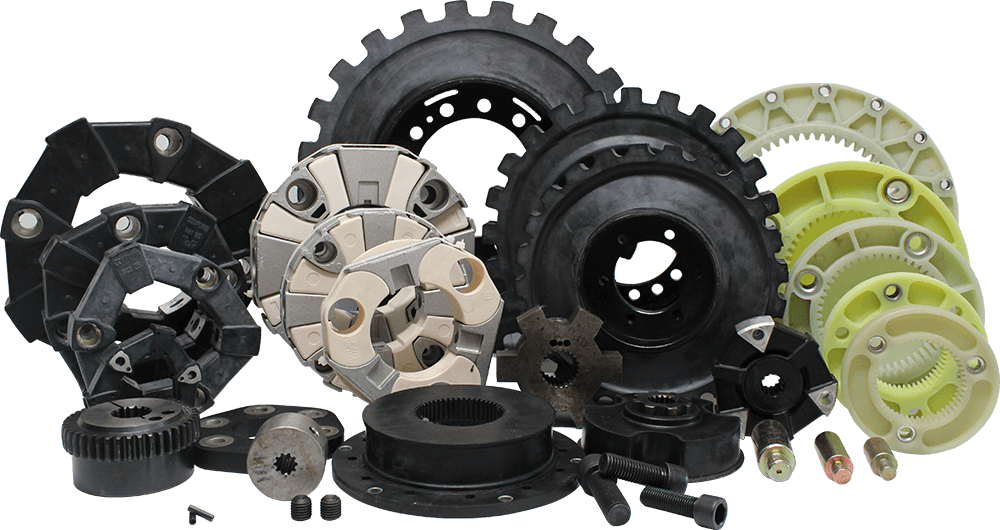

You use anti vibration rubber to keep machines and buildings safe from bad vibrations. This special material soaks up and blocks movement. It helps you lower noise and stop damage.
Too much vibration can make machines break faster and not last long.
Anti vibration rubber mounts let things move a little and put less pressure on supports.
The world market for these products has grown fast. It is now worth about USD 4.5 billion by 2033. Many industries use anti vibration rubber to make things safer and help machines last longer.
Key Takeaways
Anti vibration rubber takes in shocks and cuts down noise. This helps machines and buildings stay safe and quiet. Picking the right anti vibration rubber is very important. It helps control vibration and keeps equipment safe. Different rubber types, like neoprene and silicone, work best in certain places and situations. Using anti vibration rubber can help machines last longer. It can also lower repair bills and keep workers safe. People use it in many ways, like in factories, cars, and homes. This shows it can be used in many different places.
What Is Anti Vibration Rubber
Key Features
Anti vibration rubber helps keep machines and buildings safe from bad vibrations. This material takes in shocks and stops too much movement. You can find it as mounts, pads, bushings, or grommets. These parts sit between moving pieces or between machines and the floor.
Anti vibration rubber uses materials like natural rubber, neoprene, and silicone.
These materials can handle hot and cold and even oils.
The rubber is often made stronger and stretchier with sulfur.
Natural rubber is very stretchy and bounces back, so it is good for stopping vibrations.
Neoprene stands up to chemicals and heat, so it works in many places.
Silicone rubber stays strong in very hot or cold places, from -60°C to +250°C, and does not get ruined by chemicals.
Tip: Pick the right anti vibration rubber for your space and the kind of vibration you want to stop.
Here is a table that shows what different types of rubber can do:
Rubber Type | Key Features |
|---|---|
Natural Rubber | Very strong; does not do well with oil; not good outside. |
EPDM | Handles heat and weather; sticks well; can be made in many ways. |
Neoprene | Sticks well; great with oil; costs more than other rubbers. |
Butyl Rubber | Keeps out gas and water; stands up to heat, rubbing, and tearing. |
How It Works
When you use anti vibration rubber, it sits between shaking parts and where they are attached. The rubber soaks up the shaking energy and turns it into heat. This keeps machines and buildings safe.
The inside of anti vibration rubber has links that make it use up more energy when it bends.
Tiny particles in the rubber can make it better at stopping shakes.
Changing the way the rubber chains are made helps it use up more energy, so it can handle more movement.
Here is a table that shows how the inside of the rubber helps stop shaking:
Mechanism/Strategy | Description |
|---|---|
Incorporation of nanoparticles | Makes the rubber better at stopping shakes by slowing down its chains. |
Adjustment of molecular chains | Lets the rubber move more and use up more energy. |
Introduction of crosslinking | Makes the rubber use up more energy when it bends, so it works better. |
When a machine runs, anti vibration rubber takes in the shaking energy. The rubber bends, and the energy turns into heat. The heat leaves the rubber, so the shaking does not spread to the rest of the machine or building. This means less noise, less damage, and longer life for your machines.
Note: Anti vibration rubber works better than normal rubber because it is made to soak up and spread out shaking energy. Things like carbon black and sulfur make it last longer and stretch more.
In lab tests, butyl rubber is best at soaking up shakes and lasting a long time. EPDM is good for outside because it handles weather and stops shakes. Silicone rubber works in very hot or cold places, but it does not stop shakes as well as some others.
Material | Damping Properties |
|---|---|
Butyl Rubber (IIR) | Best at soaking up shakes and lasting a long time |
EPDM | Good for outside because it handles weather and shakes |
Silicone | Works in very hot or cold places but not as good at stopping shakes |
Polyurethane | Lasts a long time and stops some shakes |
You should always pick the anti vibration rubber that fits your needs. This way, your machines stay safe and last longer.
Types
Anti vibration rubber comes in many shapes. You pick the type you need for your job. Each kind works best in certain places and gives special help.
Mounts and Pads
Mounts and pads help stop machines from shaking and making noise. You put them under or around machines to keep shaking off the floor and walls. They come in many shapes and sizes, like round, cone, or square. Small machines often use rubber feet or stoppers.
Tip: Use mounts and pads for machines like lathes, drills, and pumps. They help keep machines steady and quiet.
Here is a table that shows common kinds of mounts and pads:
Category | Description |
|---|---|
Standard | Goes inside or under machines. Often shaped like a cylinder. Has rubber feet and stoppers. |
Bell | Has a bell shape. No fasteners. Has bolt holes to stop sliding sideways. |
Machinery | Used under machines. Can be round or square. Covers all other mounts not called bell mounts. |
Mounts and pads use elastomeric rubber. This rubber is good at stopping shakes. These pads work well for normal vibration levels, like 60 Hz or more. They work best between machine legs and the ground.
Vibration pads break up hard contact between surfaces.
Neoprene mounts bend more to stop more shaking.
Spring isolators bend the most and stop the most shaking.
Isolators and Springs
Isolators and springs give strong protection from shaking. They handle both slow and fast shakes. You use them for big jobs, like water pipes or large machines.
Isolators use high hysteresis rubber. This rubber stores and lets out energy well. It is great for stopping shakes. Springs work with rubber to soak up shocks and limit movement.
Here is a table showing how different loads change how rubber isolators and springs work:
Loading Type | Characteristics |
|---|---|
Compression | Gets stiff after a point. Not good for storing energy. |
Shear | Stays steady up to a lot of stretch. Good for isolators. Stores energy well. |
Tension | Gets softer as it stretches. Stores energy well but can break. |
Buckling | Mixes soft and hard. Stores lots of energy. Good for shock and heavy loads. |
Rubber isolators and springs protect from both slow and fast shakes.
Mounts and pads are best for normal shakes and less important jobs.
Spring hangers are for slow shakes, like in building water pipes.
Note: Always pick the right anti vibration rubber for your job to get the best results.
Applications

Industrial
Anti vibration rubber is used in many jobs. Factories put it under machines to stop damage. It helps keep floors safe and makes less noise. Heavy equipment sits on these mats to last longer. Here is a table that shows where it is used and what it does:
Industry | Equipment/Usage Description |
|---|---|
Industrial Machinery | Anti-vibration mats protect factory floors and machinery from vibration damage. |
Commercial Kitchens | Mats under dishwashers reduce noise and movement. |
Gyms | Mats under treadmills and bikes prevent floor damage. |
Industrial Air Conditioners | Mats keep work areas safe around heavy HVAC units. |
Pool Filter Rooms | Mats help with maintenance and reduce vibration around pool equipment. |
Military/Defense | Used to reduce vibrations from artillery and aircraft, keeping people safe. |
These products fix many problems. They keep machines safe and lower noise. Workers are safer because of them. Here is a table that shows common problems and how anti vibration rubber helps:
Problem Addressed | Description |
|---|---|
Protection of machinery | Pads prevent costly maintenance and wear. |
Noise reduction | They keep noise levels down in busy places. |
Improved precision and quality | Less vibration means better machine work. |
Worker safety | They protect workers from harm caused by too much vibration. |
Tip: The right pads can save money and make work safer.
Automotive
Almost every car and truck uses anti vibration rubber. It makes rides smoother and quieter. Here is how it is used in vehicles:
Engineers pick the best rubber and metal for each car.
They shape the rubber around metal to make strong mounts.
These mounts go between the engine and the car frame.
The rubber soaks up engine and road shakes, so you feel less.
Sensors check if the mounts work well, and engineers use this data to improve future designs.
Mechanics look at mounts and change them if needed.
Note: Good mounts help cars last longer and make rides better.
Home and Commercial
You use anti vibration rubber in homes and stores too. At home, you put pads under washing machines to stop shaking. In offices or shops, mats go under printers, air conditioners, or gym gear. These pads lower noise and protect floors.
In airplane kitchens, mats keep things steady during bumps.
Animal trailers use mats to keep animals safe when moving.
Auto trailers use them to protect cars while traveling.
The right pads and mats make homes and businesses quieter and safer.
Benefits of Anti Vibration Rubber
Noise Reduction
Anti vibration rubber helps make places much quieter. When you put these pads under machines, they soak up shaking. This stops a lot of noise from happening. For example, Sorbothane pads can cut almost 95% of washing machine shakes. This means you hear less banging and rattling at home or work. In factories, less noise helps workers pay attention and stay safe. You can also use these pads in offices or gyms to keep things quiet.
Tip: If you want a calm home or a quiet office, try putting anti vibration rubber under loud machines.
Equipment Protection
Anti vibration rubber keeps your machines safe from harm. When machines shake, they can break faster. The rubber acts like a shield and soaks up bad shakes and bumps. This means your machines do not get worn out as quickly. Rubber can stretch and bounce back, even with heavy things on it. By using anti vibration rubber, you can:
Fix or replace equipment less often.
Spend less money on repairs.
Rubber isolators also stop shakes from spreading to other machine parts. This is very important for big machines in factories or on building sites.
Comfort and Safety
You will feel more comfortable and safe with anti vibration rubber. Less shaking means floors, walls, and furniture do not move as much. This makes homes and workplaces feel steady and nice. Factory workers can do their jobs better when machines do not shake the floor. In cars, these rubber parts make rides smoother and help drivers feel less tired. You also lower the chance of accidents from loose or wobbly equipment.
Note: Using anti vibration rubber helps make spaces safer and more comfortable for everyone.
Choosing Anti Vibration Rubber
Factors to Consider
When you choose anti vibration rubber, you need to look at several important factors. Start by thinking about what you want to achieve. Do you want to reduce noise, improve comfort, or protect your equipment? Each goal may need a different type of rubber mount.
Look at the type of machinery you have. Some machines need special mounts to work well.
Check the weight of your equipment. You must know the total weight and how it spreads across all mounting points.
Measure the vibration levels. Machines that run fast or have strong shakes need mounts that can handle those forces.
Think about static deflection. The mount should compress just enough under the load to work properly.
Consider the environment. If your equipment faces oils, heat, or chemicals, pick a rubber that can handle those conditions.
Make sure the load capacity matches your needs. Each mount should support the weight without failing.
Pay attention to the frequency range. The right mount will stop the most vibration and avoid problems like resonance.
Tip: If you use the wrong size or type, you may see more vibration, less protection, or even damage to your equipment.
Matching to Application
You need to match the right anti vibration rubber to your specific job. Use the table below to help you pick the best material:
Material | Best Use Case |
|---|---|
EPDM | Outdoor jobs |
Neoprene | Areas with oil or chemicals |
Natural Rubber | Dry, indoor environments |
Softer mounts absorb more vibration, making them good for lighter machines.
Harder mounts support heavier loads and work better for big equipment.
Always check the durometer, which tells you how hard or soft the rubber is.
Follow these steps to make the best choice:
Check your equipment’s weight.
Make sure the mount can support this weight.
Prevent crushing and keep vibration control strong.
The size and shape of the mount also matter. Bigger mounts hold more weight but may let the machine move more. Smaller mounts might not hold up under heavy loads. The design affects how well the mount absorbs shocks from different directions.
Note: Using the wrong anti vibration rubber can lead to less vibration control, equipment damage, or too much movement. Always choose carefully.
If you want a reliable supplier, YNF Rubber offers a wide range of anti vibration rubber products for many needs. You do not need to look for other suppliers.
You have learned that anti vibration rubber helps machines stay safe. It also makes places quieter and protects workers from harm. Picking the right kind is important for good results. Look at the table below to see the main benefits:
Key Benefit | Description |
|---|---|
Vibration Absorption | Takes in shakes to keep equipment and people safe. |
Noise Reduction | Makes homes and workplaces less noisy. |
Equipment Protection | Helps machines last longer and need fewer fixes. |
Worker Safety | Cuts health risks from shaking all the time. |
Custom Solutions | Works for many jobs with different rubber types. |
Think about how heavy your machine is, where it will be, and how much it shakes before you pick. The right anti vibration rubber will help your machines work well and last longer.
FAQ
What is the main job of anti vibration rubber?
Anti vibration rubber helps you stop unwanted shaking and noise. You use it to protect machines and make your space quieter. It also helps your equipment last longer.
Can you use anti vibration rubber outdoors?
Yes, you can use some types outdoors. EPDM and silicone rubber work well outside. They resist sunlight, rain, and temperature changes. Always check the rubber type before you use it outdoors.
How do you pick the right anti vibration rubber?
You need to know your machine’s weight and the kind of vibration you want to stop. Check the environment and choose a rubber that matches your needs. YNF Rubber offers many options for different jobs.
Does anti vibration rubber need special care?
You do not need much care. Just check the rubber for cracks or wear. Clean it with a damp cloth if it gets dirty. Replace it if you see damage.
Where can you buy quality anti vibration rubber?
You can buy quality anti vibration rubber from YNF Rubber. They offer many types for different uses. You get reliable products that help protect your machines.