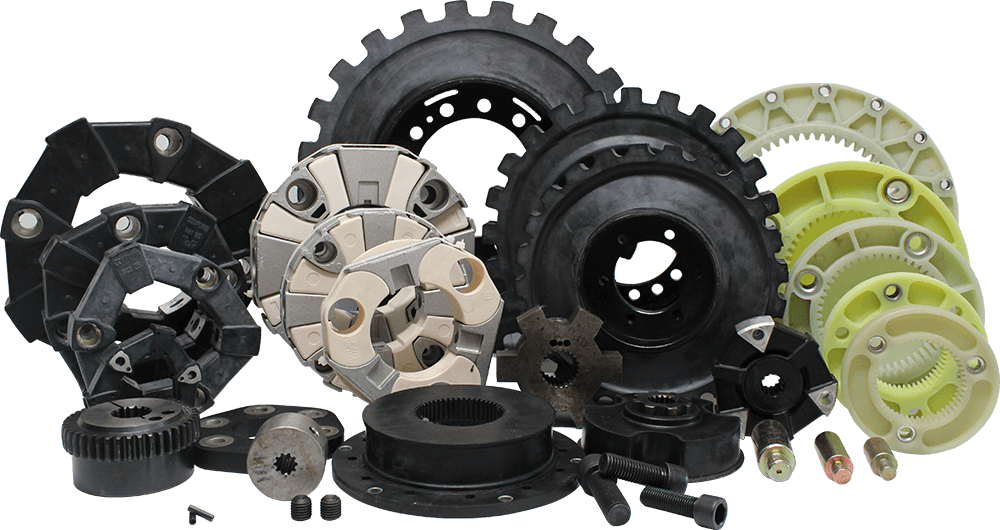

You use anti vibration bushings to lower shaking and noise in machines or cars. These parts soak up and block vibrations. This helps your equipment work better. When you put bushings between moving parts, they act like soft pads. They keep metal pieces apart. This stops vibrations from spreading. There are many types, such as:
Cylindrical mounts
Conical mounts
Bushing mounts
Sandwich mounts
Rubber leveling mounts
Spring mounts
Bell-shaped elastomer mounts
Rubber hangers
Rubber pads
Enclosed captive mounts
Air spring mounts
Each type helps keep your equipment safe in its own way.
Key Takeaways
Anti vibration bushings help lower noise and shaking in machines and cars. They work like soft pads that take in vibrations.
Picking the right material, like rubber or neoprene, is very important for stopping vibrations. Rubber is good at taking in shocks.
Putting in bushings the right way is important. Follow each step to make sure they last longer and work well.
Using anti vibration bushings helps keep your equipment safe from harm. They help machines last longer and cut down on repair costs.
These bushings help make your workspace safer and quieter. They bring down noise and make using machines more comfortable.
Anti Vibration Bushings
Definition
You can think of anti vibration bushings as special parts that help keep machines steady. These bushings fit between equipment and its mounting surface. They are usually made from rubber or other flexible materials. Their main job is to absorb and block vibrations before they reach the frame or foundation. When you use anti vibration bushings, you stop shaking and noise from spreading through your equipment.
Anti vibration bushings act like cushions. They soak up energy from moving parts and turn it into heat. This keeps the rest of your machine calm and quiet.
Purpose
You use bushings to protect your machines and make them last longer. They do this by:
Dampening vibrations between moving parts. This lowers noise and reduces wear.
Absorbing shocks in high-impact situations. This helps prevent damage.
Spreading out loads evenly. This stops stress from building up in one spot.
Controlling movement between parts. This keeps your equipment stable.
When you install anti vibration bushings, you give your machines a better chance to run smoothly. You also make your workspace safer and quieter. These bushings work like springs. They store energy when a force hits them and release it slowly. This action helps block unwanted motion and keeps your equipment in good shape.
How They Work
Installation
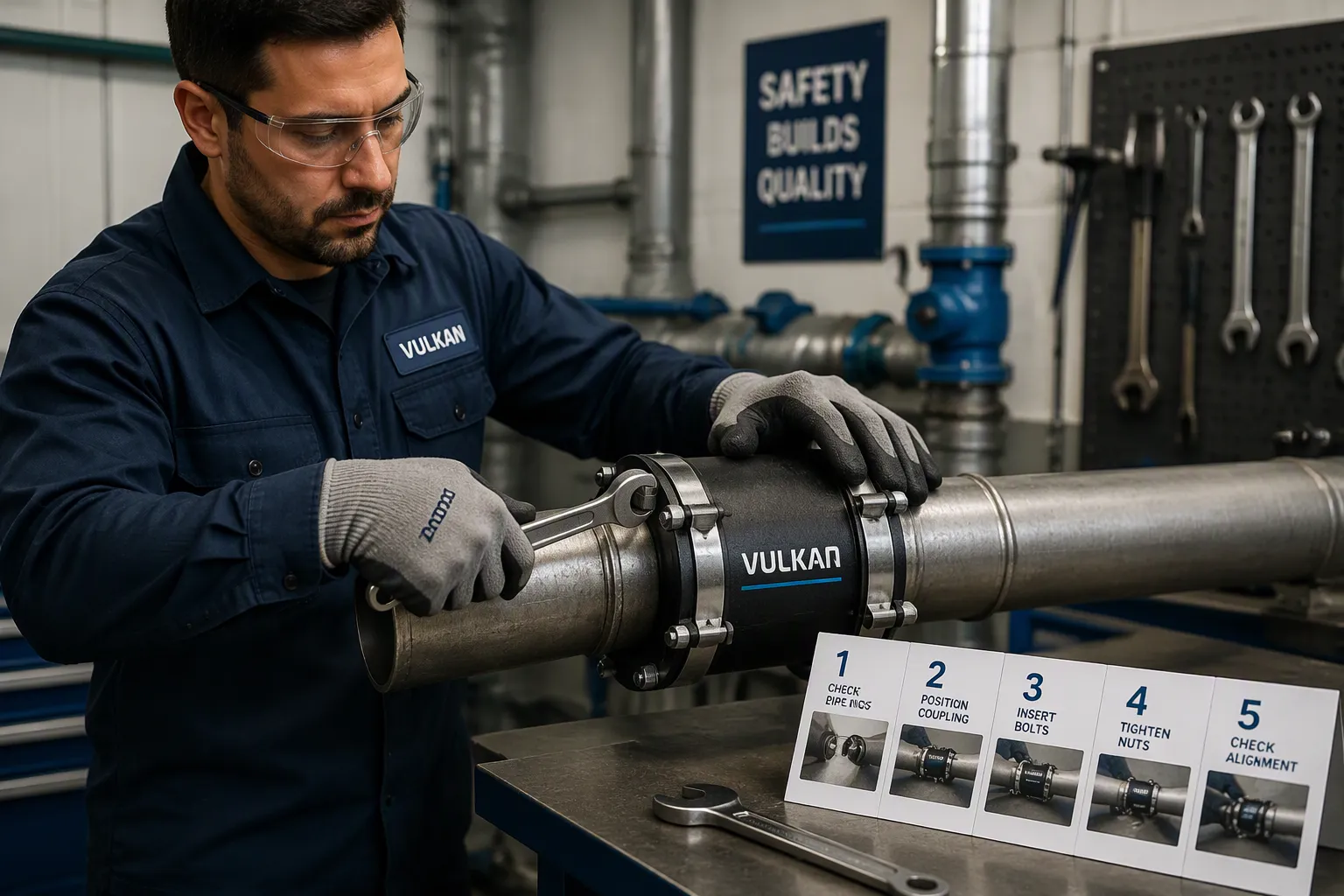
You must put in anti vibration bushings the right way for good results. In cars, you usually do these steps:
Take off the suspension part that holds the old bushing.
Pick a mandrel that is the same size as the bushing.
Put the part and mandrel in a press. Turn the press slowly to push out the old bushing.
Put lubricant on the new bushing and the housing. This is very important for polyurethane or Delrin bushings.
Put each half of the new bushing into both sides of the hole.
Cover the metal inner sleeve with lubricant. Push it through the bushing halves.
Bolt the part back onto your car. Tighten all the fasteners.
After you drive a few miles, check the fasteners again to make sure they are tight.
Get your car realigned after you finish.
Tip: Always use the right tools and follow each step. This will help your bushings last longer and work better.
Vibration Absorption
When your machine moves, it makes vibrations. Anti vibration bushings work like soft barriers between moving parts. The rubber inside bends and stretches when it feels a force. This lets the rubber take in the energy from the vibration. The energy does not go away. The rubber turns the vibration energy into heat. This lowers the shaking and keeps your machine steady.
Rubber bushings are better than polyurethane bushings for soaking up vibrations. Rubber can bend and go back to its shape. This makes it great for blocking road noise and machine shaking. Polyurethane bushings last longer, but they do not soak up vibrations as well as rubber.
Note: Rubber can turn vibration into heat. This helps stop damage from shaking over and over.
Isolation
You use anti vibration bushings to stop vibrations from moving between parts. These bushings act like spacers. They keep the vibration away from the rest of your machine or car. This helps protect sensitive equipment and makes your space quieter.
Anti vibration bushings and mounts help your machines last longer.
Rubber is a good material for stopping shocks in things that shake a lot.
The right vibration isolator can lower noise and shaking, making your work area safer and more comfortable.
When you use bushings for vibration isolation, your equipment lasts longer and works better. You also keep yourself and others safe from too much noise and shaking.
Rubber Bushings and Materials
Rubber Properties
When you pick rubber bushings, you want strong materials. These bushings help keep your machines safe. Rubber bushings work well because rubber can soak up shaking. Rubber also helps stop noise. The table below shows what makes rubber special:
Property | Description |
|---|---|
Elasticity and Resilience | Rubber can stretch and squeeze. It goes back to its shape. This helps bushings take in shocks. |
Damping Capacity | Rubber spreads out energy. This lowers shaking and noise. |
Temperature and Environmental Resistance | Rubber can handle heat, cold, and weather. This helps bushings last longer. |
Hardness and Compression Set | Soft bushings soak up more shaking. Hard bushings hold heavier things. |
The hardness of rubber bushings changes how they work. Here are some things to know:
Hardness helps bushings last longer.
Hard bushings, like 90ShA, are tougher and wear less.
Even a small change in hardness can make bushings stronger.
You can choose from many kinds of rubber bushings. Some use natural rubber bushings. These are flexible and soak up shaking well. Others use synthetic rubber. These can handle harder jobs.
Neoprene and Other Materials
You might pick neoprene bushings for more protection. Neoprene works better than natural rubber bushings in tough places. Here are some reasons to use neoprene or synthetic rubber:
Neoprene stands up to chemicals and heat.
Natural rubber bushings can break down in heat or with chemicals.
Neoprene resists sunlight, ozone, and some chemicals. It is good for outdoor or factory use.
Some bushings use other materials for special jobs. For very hot places, you might use ceramic or graphite bushings. The table below shows what they do:
Material | Properties |
|---|---|
Ceramic Bushings | Very hard, resist heat, wear, and rust. Good for high heat. |
Graphite Bushings | Make their own oil, work well in heat or dry places. |
You have many rubber bushings to pick from. Some are made from synthetic rubber. Some use natural rubber bushings. Each kind has its own good points. You can choose the best bushing for your job.
Applications
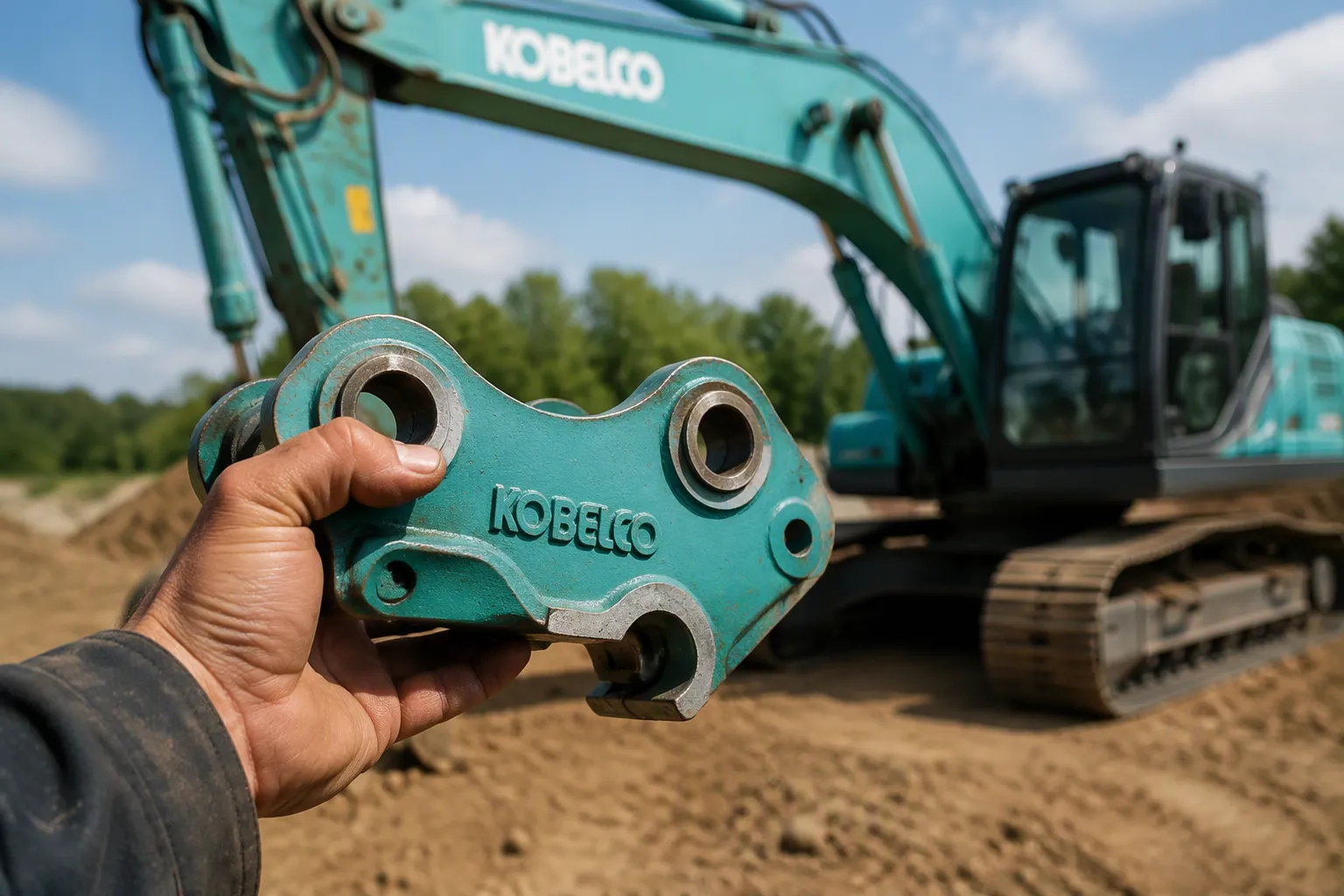
Automotive
Rubber bushings are in many car parts. They help your car ride smooth and quiet. You find them where shaking and noise need to be controlled. The table below shows where they are used in cars:
Application Type | Description |
|---|---|
Suspension Systems | Keeps the cabin safe from road bumps. This makes rides comfy. |
Engine Mounts | Lowers engine shaking. This gives you a smoother drive. |
Control Arms and Subframe | Lets parts move right. This helps with steering and handling. |
Rubber bushings are in cars, trucks, and trains. They help line up suspension and steering parts. This makes driving safer and more comfortable. Control arm bushings soak up shocks, so you feel fewer bumps. Stabilizer bushes stop the car from rolling too much. This makes rides smoother. These bushings also cut down on noise and shaking. Your car stays quiet inside.
Machinery
Rubber bushings are used in many machines. They keep machines safe from damage and help them last longer. The table below shows machines that use bushings:
Machinery Type | Applications |
|---|---|
Industrial Machinery | Used in compressors, pumps, gearboxes, engines, and generators |
Heavy Machinery | Found in generators, HVAC, fans, and engines |
Precision Instruments | Used in CNC machines and lab equipment |
Bushings soak up extra energy and spread it out. This lowers stress on machine parts. Silent Block Bushes act like soft pads. They stop machines from wearing out fast. By blocking too much movement, you save money on repairs and make machines work better.
Home Use
You also find rubber bushings at home. They help keep things quiet and steady. You see them in:
Small AC units
Home appliances
Speakers
Heat pumps
You can put anti-vibration pads under washing machines. These pads stop shaking from reaching the floor. When you keep your washer off the floor, you stop noise and shaking in your house. Using rubber pads works best to block washing machine vibrations.
Minimize Vibrations and Benefits
Noise Reduction
Rubber bushings help lower vibrations in machines. They work like soft pads that take in movement and stop noise. If you put anti-vibration pads under motors or pumps, you can make things quieter by 10dB or more. This makes your work area much less noisy. In factories, stopping vibrations is important. It keeps noise and shaking from spreading to other places.
In cars, bushings let suspension parts move easily. They also soak up road noise and shaking. This gives you a smoother and quieter ride. Bushings keep the inside of the car away from rough road bumps. They also stop metal parts from touching each other. This helps cut down on noise and shaking.
Tip: Pick good rubber bushings if you want your machines and cars to be quiet.
Equipment Protection
Rubber bushings keep your machines safe from harm. They take in shocks and stop vibrations from reaching important parts. When you use anti-vibration mounts, you keep bolts from getting loose or cracks from forming. This helps your machines last longer and work better.
Anti-vibration mounts work like shock absorbers. They make big movements smaller so parts do not get hurt. These mounts also protect sensitive electronics inside your machines. Rubber bushings take in energy and keep vibrations away from these parts. This helps them work well and last longer.
Note: Using rubber bushings helps your equipment last longer and need fewer repairs.
Safety
You make things safer when you lower vibrations at work. Anti-vibration parts help construction vehicles work longer without breaking. This means less time fixing things and safer workers. You also feel more comfortable and in control when using big machines.
Rubber bushings with high hysteresis give strong vibration control. They also soak up a lot of energy. This keeps machines steady and safe from shocks. In factories, these bushings help stop accidents and keep machines running well.
You make the area safer for everyone.
You lower the chance of getting hurt from shaking machines.
You help machines work their best.
Choosing Bushings
Material Selection
You want anti vibration bushings that last and work well. Picking the right material is very important. When you choose, you should think about a few things:
Durometer means how hard the bushing is.
You need to know if it can handle heat, chemicals, or weather.
The size and weight of the part matter.
It should stick well to metal.
Rubber bushings are good for most jobs. They stretch easily and stop shaking well. Polyurethane bushings last longer and bend more. These are good for cars or machines that need special bushings. PVC and other plastics are used in sheets and covers. These help block noise and shaking in machines. Foam bushings are light and bendy. You can mix foam with rubber for better results in small jobs.
Material Type | Properties | Applications |
|---|---|---|
Rubber | Stops shaking well, stretches easily, acts soft and springy | Used for most vibration jobs |
Polyurethane | Lasts long, bends well, stops some shaking | Used in cars and special machines |
PVC and Other Polymers | Used in sheets and covers to block noise and shaking | Used in machine covers |
Foam Materials | Light, bends easily, mixes with rubber for better results | Used in light jobs |
Tip: If you need bushings for hard work or outside, pick ones that can handle chemicals and weather. YNF Rubber has many anti vibration bushings you can trust.
Design Types
There are many types of anti vibration bushings. Each type works best for a certain job or machine. The most common types are:
Cylindrical mounts are used the most. You see them in cars, planes, and building machines.
Square mounts are used more in factories.
Trunnion mounts are used in big machines and heavy equipment.
Bell mounts are also used in tough jobs.
You should pick the type that fits your machine. Cylindrical mounts are good for most cars and machines. Square mounts work well in factories. Trunnion and bell mounts are best for heavy loads and hard jobs.
You get the best results when you pick the right material and type for your bushings. Always check what your machine needs before you buy.
You now know that anti vibration bushings act as cushions for your machines. They use strong materials like rubber or neoprene to absorb shocks and block noise. You find them in cars, factories, and even at home. These bushings help your equipment last longer and work better.
When you choose the right bushing, you protect your machines and create a safer, quieter space. Anti vibration bushings give you the best way to control unwanted vibrations.
FAQ
What is the main job of an anti vibration bushing?
Anti vibration bushings stop vibrations from spreading between parts. They work like soft pads. These bushings help machines stay quiet. They also help machines last longer.
How do you know when to replace a bushing?
Look for cracks or splits in the bushing. Check if any parts feel loose. If you hear more noise or feel more shaking, the bushing might be worn out. Old bushings can hurt your machine.
Can you use anti vibration bushings outdoors?
Yes, you can use many bushings outside. Choose bushings made from neoprene or synthetic rubber. These materials can handle weather, sunlight, and chemicals.
Do all machines need anti vibration bushings?
Not every machine needs these bushings. Use them if your machine is loud or shakes a lot. Bushings protect important parts and make your workspace safer.
What is the difference between rubber and polyurethane bushings?
Rubber bushings soak up vibrations better. Polyurethane bushings last longer and hold heavy things. Pick rubber if you want less noise and more comfort. Choose polyurethane for strength and long life.