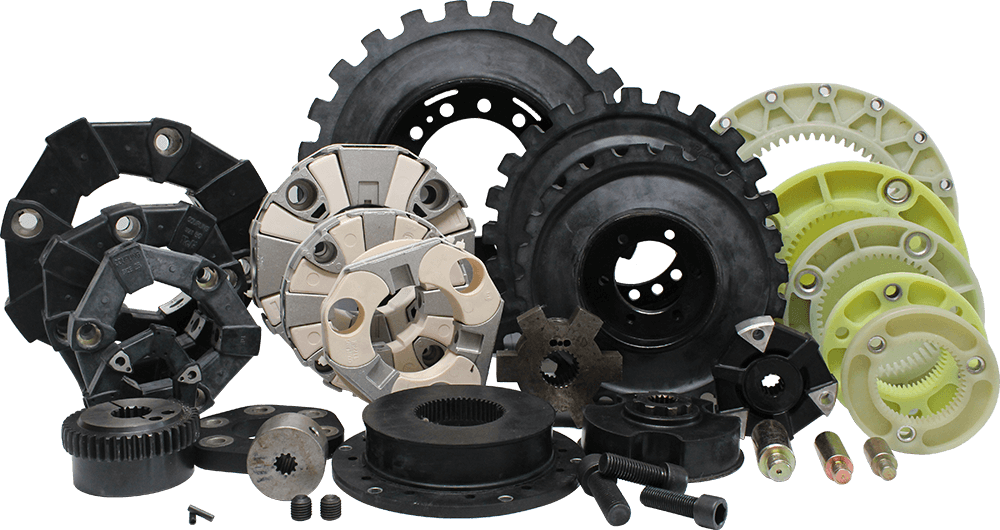

Spring vibration isolators help stop unwanted shaking. They use springs to keep equipment away from moving things. These devices lower vibration, noise, and shock in many places. The spring takes in energy and slows it down. This keeps machines steady and safe. It also protects tools that can break easily. You can find spring vibration isolators in factories, hospitals, and airplanes.
Many industries use spring vibration isolators. These include construction, manufacturing, architecture, transportation, aerospace and defense, electronics, industrial, and medical fields. The market for these isolators is growing quickly. Experts think it will grow by 7.1% each year from 2024 to 2031.
Key Takeaways
Spring vibration isolators help stop shaking and noise. They make workspaces quiet and safe.
Picking the right isolator for your machine is important. You need to match it to the machine’s weight and vibration type. This helps it work well.
These isolators keep equipment safe. They help machines last longer and work better.
Installing them is easy. Just follow simple steps to control noise and shaking.
Spring isolators can be used in many places. They are found in HVAC, factories, and transportation.
Spring Vibration Isolators Explained

What Are They
You use spring vibration isolators to keep machines steady. They help stop shaking and loud sounds. When you put them under equipment, they work like a soft pad. The springs inside take in movement and stop it from spreading. You often see these isolators where machines run for a long time. They are good for air conditioners, pumps, fans, and medical devices. Using these isolators helps protect your machines. They also make your workspace quieter and nicer.
Spring vibration isolators are special because they are strong and bend easily. You can use them for many machines and weights. They help control different kinds of shaking. Their design makes them easy to use and trust. You do not need special tools to put them in. Many people pick these isolators because they save money and last a long time.
Tip: Spring vibration isolators work best when you pick the right one for your machine’s weight and shaking.
Here is a table that shows the main things that make spring vibration isolators work well:
Characteristic | Description |
|---|---|
Flexibility | Works with many weights and types of shaking. |
Durable Construction | Made from strong materials that last and do not rust. |
Adjustability | You can change the spring or height to get the best results. |
Cost-Effectiveness | Saves money compared to other systems. |
Ease of Installation | Simple to put in and does not need much care. |
Main Components
You will find a few main parts inside a spring vibration isolator. Each part has a job to do. When you look at these isolators, you see how the parts work together to stop shaking and keep machines safe.
Here is a table that explains the main parts and what they do:
Component | Function |
|---|---|
Steel Springs | Take in and lower shaking by moving up and down. |
Rubber Dampers | Slow down extra movement and help stop shaking. |
Metal Mountings | Hold the isolator to the machine and keep it steady. |
Steel springs take in energy from moving machines. They stretch and squeeze to stop shaking.
Rubber dampers slow down extra movement. They help make sure the shaking does not come back.
Metal mountings keep everything in place. They hold the isolator steady and connect it to your machine.
When you use all these parts together, you get strong vibration control. You protect your machines and make your work area quieter. You also help your equipment last longer and work better.
Vibration Isolation Principles
How Spring Vibration Isolators Work
Spring vibration isolators help control shaking in machines. They change how your equipment reacts to movement. When you put one under a machine, the spring acts like a cushion. It stretches and squeezes as the machine moves. This helps soak up the shaking energy. It keeps vibration from spreading to other places.
Spring vibration isolators lower your system’s natural frequency. The natural frequency is how fast your machine likes to shake. If you make this frequency lower than the vibration from your equipment, you stop most shaking from spreading. Here is how you do this:
Find out the mass and spring stiffness in your system.
Make sure your isolator’s natural frequency is much lower than the vibration source.
Use damping parts to cut down leftover shaking.
Springs create a system that can move in two ways. This helps block vibration. The way mass, spring stiffness, and damping work together is important. If you get this right, you protect your equipment and make your workspace quieter.
Different vibration isolation systems work best at certain speeds. The table below shows some common uses and their frequency ranges:
Application Context | Frequency Range |
|---|---|
Rubber bearings | Up to 5 Hz |
Spring isolators | As low as 2.5 Hz |
Lightly loaded floors | Up to 7 Hz |
Fully loaded floors | Down to 3 Hz |
Steel columns | Higher frequencies |
Air springs for high frequencies | 3 Hz |
Isolators for 30 Hz machinery | 2 Hz |
Spring vibration isolators act like low-pass filters. They let slow movements go through but block fast, high-frequency shaking. This keeps machines steady and makes less noise.
Energy Transfer Reduction
Spring vibration isolators change how energy moves in machines. The spring stores energy when it stretches. It lets go of the energy slowly. Damping parts soak up extra energy and turn it into heat. This stops vibration from bouncing back and forth.
Here is a table that shows how each part helps lower energy transfer:
Component | Role in Energy Transfer and Dissipation |
|---|---|
Mass | Gives weight, affects the system’s natural frequency. |
Spring | Offers resistance, stores and releases energy. |
Damping elements | Soak up shaking energy, help get rid of it. |
You can use different kinds of damping to help with vibration isolation:
Viscous damping uses liquid to soak up energy.
Friction damping uses rubbing to stop movement.
Elastomeric mounts mix spring and damping features.
Passive vibration isolation systems use mass, springs, and damping parts to control shaking. The springs fight movement. The dampers soak up energy. This keeps machines safe and stops damage from shaking.
Tests and computer models show spring vibration isolators work better than stiff mounts. For example, experiments show lower vibration peaks in the 5–10 Hz and 13–15 Hz ranges when you use spring isolators. These results show spring vibration isolators can lower energy transfer and protect your equipment.
Spring vibration isolators use several science ideas to block shaking. The table below explains these ideas:
Principle | Description |
|---|---|
Mechanical Flexibility | Lets the isolator soak up and get rid of shaking energy. |
Pneumatic Control | Uses air pressure to change how the isolator reacts to shaking. |
Low-Pass Filter Functionality | Stops fast, high-frequency shaking from moving through the system. |
When you pick the right vibration isolation system, your machines run smoothly. You also make your workspace quieter and safer. If you want to know more or need help choosing a system, you can look for more information or ask an expert.
Types of Vibration Isolators

When you want to stop vibration, you have choices. There are different vibration isolators for different jobs. Each type works best in certain places. You should think about your equipment before you pick one. You also need to think about how much vibration you have. Your budget matters too.
Spring Isolators
Spring isolators use metal springs to soak up vibration. You see them under big machines and HVAC units. They also work for chillers. These anti-vibration spring mounts hold heavy loads. They are good for low-frequency vibration. They last a long time and work well. You can change their height to fit your needs. This makes setting up your equipment easier. Spring isolators do not need much care. Their size can be hard to use in small spaces.
Here is a table that shows how spring isolators and rubber isolators are different:
Feature | Spring Isolators | Rubber Isolators |
|---|---|---|
Load Capacity | High | Moderate |
Vibration Frequency | Low to High | Low to Moderate |
Durability | Very High | Moderate |
Cost | Higher | Lower |
If you need strong vibration isolators for big machines, spring isolators are a good pick. YNF Rubber gives you anti-vibration spring mounts you can trust.
Tip: Spring isolators are best for heavy machines and places that need strong vibration control.
Rubber Isolators
Rubber isolators use special rubber to soak up vibration. You see them in HVAC systems and electronics. They are also used in building service equipment. Neoprene and EPDM are two common types. Neoprene works well outside and stands up to weather and chemicals. EPDM is tough and lasts a long time. These anti-vibration spring mounts are good for medium loads. They work for low to medium vibration. They cost less and are easy to put in. They may not last as long as spring isolators.
Here is a table that shows what different rubber types do:
Rubber Type | Key Properties | Common Applications |
|---|---|---|
Neoprene | Handles –40°C to +110°C, resists weather, ozone, chemicals | Outdoor infrastructure, HVAC systems, coastal settings |
EPDM | Handles –50°C to +130°C, resists UV, water, steam | HVAC systems, building service equipment, electronics |
Typical Applications
You use vibration isolators in many places. Spring isolators and anti-vibration spring mounts help keep big machines steady. You see them in cooling towers and chillers. They are also used in generators and pumps. Good vibration isolators protect sensitive equipment. They also help lower noise.
Here are some common places you use them:
Cooling towers
Chillers
HVAC units
Generators
Pumps
You also find vibration isolators in transportation and factories. They help stop vibration and keep machines safe. If you need anti-vibration spring mounts for these jobs, YNF Rubber has strong options.
Sector | Application Examples |
|---|---|
HVAC | Cooling towers, chillers, HVAC units |
Industrial Machinery | Pumps, sensitive machinery |
Transportation | Equipment that requires vibration isolation |
Note: Picking the right vibration isolators helps you protect your machines and avoid downtime.
Benefits
Noise Reduction
Spring vibration isolators help make rooms quieter. They block unwanted shaking and lower loud sounds. When you use them, machines do not touch the building. This stops shaking from moving through walls and floors. People hear less noise where they work or sleep.
Studies show these isolators slow down shaking in machines.
Inertia blocks help keep machines steady and cut noise.
These isolators help buildings follow noise rules.
They keep noise out of rooms people use, making things safer and more comfortable.
Tip: Pick isolators that fit your equipment for better noise and vibration control.
Equipment Protection
Spring vibration isolators keep machines safe from shaking. They help sensitive tools last longer and work better. These isolators use spring stretch and energy soaking to stop damage. They lower shaking and keep it from hurting your tools.
You stop most shaking, loud sounds, and sudden hits.
The right isolators stop shaking from moving through the building.
Damping isolators help machines run steady.
You help your tools last longer by stopping wear.
🛡️ Use vibration isolation to protect important machines.
Installation Basics
You must follow some easy steps to put in spring vibration isolators. Good setup helps you get the best noise and shaking control.
Make sure your machine’s frame is strong and well held.
Use brackets that are much harder than the isolators.
Check that metal bases touch fully and share weight evenly.
Spread the weight over elastomer pads for best results.
Add damping to pipes to stop big shakes.
Use stabilizers for tall or top-heavy machines.
Keep studs lined up when hanging machines to stop metal touching metal.
Some mistakes can make isolators work less well. Do not use bad designs, wrong setup, or skip care. Make sure metal does not touch the isolator. Always line up parts the right way. Use the right size hangers for your machine’s weight.
Note: YNF Rubber gives you spring vibration isolators that are easy to set up and protect your machines for a long time.
Spring vibration isolators help stop shaking. They keep your equipment safe. You can see a big drop in vibration. The peak transmissibility goes down by 43.07%. The isolation frequency is now 1.91 Hz. This means better vibration control and safer machines. Many engineers have questions about how to install them. They also ask about stacking and using them in special places.
Some new trends are smart technology and eco-friendly materials. There are also custom solutions for different jobs.
If you want to know more, look at these topics:
What is vibration isolation
Different kinds of vibration isolation systems
Why vibration isolation matters
For the best results, you should try YNF Rubber for your spring vibration isolator needs.
FAQ
What is the main purpose of spring vibration isolators?
Spring vibration isolators stop unwanted shaking in machines. They help keep equipment steady and safe. These devices also make work areas quieter.
How do I choose the right vibration isolation mountings?
Check how heavy your machine is. Think about what kind of shaking it makes. Pick mountings that fit your machine’s needs. If you are not sure, ask YNF Rubber for advice.
Can I install vibration isolators by myself?
Most vibration isolators are easy to put in. You only need simple tools. Always read the instructions first. Make sure the isolators fit and hold your equipment well. If you need help, YNF Rubber can help you.
Where do you use vibration isolation in real life?
You see vibration isolation in HVAC systems and pumps. It is also used in generators and hospitals. Factories and transportation use it too. These systems protect equipment and lower noise.
Do vibration isolators need maintenance?
Check your vibration isolators often for damage. Clean them if they get dirty. Replace any broken parts. Taking care of them helps them last longer and work better.