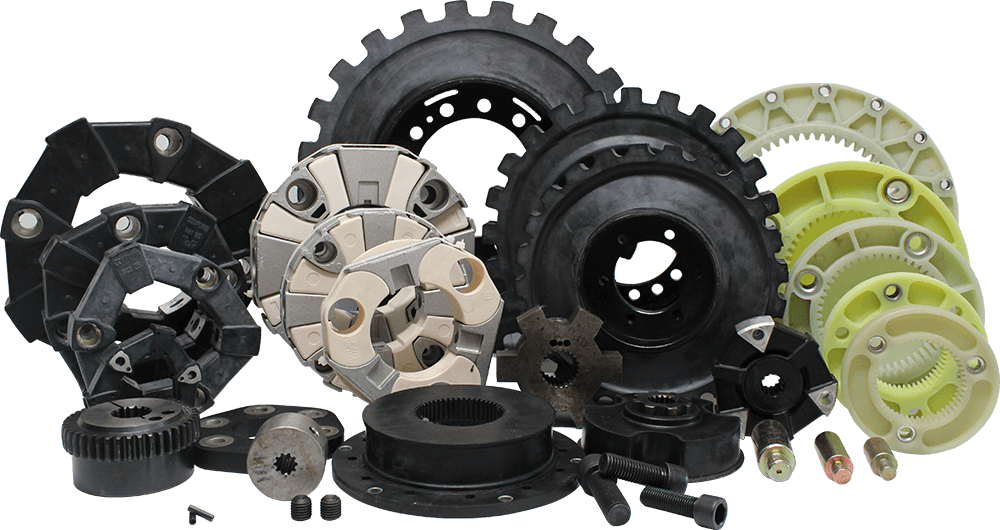

You get better coupling resilience and a longer lifespan with pu-aluminum hybrids. Strong interfacial adhesion and high mechanical strength help these hybrids avoid damage and last longer. Advanced surface treatments and coupling agents are very important for this improvement.
The study showed that the best process made a complete and even silane film. The Si–O–Ti covalent bonds showed that using silane coupling agents in laminate preparation works well.
You can see these benefits in real life, where durability and performance are very important.
Key Takeaways
PU-aluminum hybrids mix polyurethane’s flexibility with aluminum’s strength. This makes tough materials that do not break easily and last longer.
These hybrids are great at soaking up shocks. They work well for couplings that face sudden hits and shakes in machines.
A strong bond between polyurethane and aluminum is very important. Surface treatments help this bond and stop the parts from coming apart when stressed.
Doing regular checks for damage and cleaning helps these couplings last much longer.
PU-aluminum hybrids are used in batteries and adhesives. This shows they can be used in many ways and help different industries work better and longer.
PU-Aluminum Hybrids

Definition
The term “pu-aluminum hybrids” means materials made from polyurethane and aluminum. Polyurethane is a strong and bendy polymer. Aluminum is a light metal that is also very strong. When you put them together, you get a hybrid with good qualities from both. The PU part lets the material bend and take in energy. The aluminum part makes it strong and helps it keep its shape. These hybrids are used in parts that need to be tough and last a long time.
Tip: If you use pu-aluminum hybrids, you get a material that bends but does not break and stays strong when pressed.
Role in Couplings
Couplings connect two shafts or parts so they can move together. Machines need couplings to handle shaking, movement, and force. Regular materials can crack or wear out after some time. Using pu-aluminum hybrids in couplings gives better results. The PU layer takes in shocks and makes less noise. The aluminum layer keeps the coupling strong and steady. This mix helps the coupling last longer and work well. It also makes the coupling bounce back to its shape after being pressed. Many companies now use these hybrids in their machines.
You can get pu-aluminum hybrid couplings from YNF Rubber. They have strong products for tough jobs.
Resilience Mechanisms
Shock Absorption
Couplings must handle sudden hits and shaking. PU-aluminum hybrids are good at taking in shocks. The polyurethane part works like a soft pad. It soaks up energy from bumps and spreads it out. This keeps the coupling and machines safe. You see less harm and fewer cracks because the force does not go through fast. This shock absorption helps these hybrids stay strong in hard jobs.
Structural Strength
Couplings need to be strong under heavy weight. Aluminum in the hybrid gives it strength. It stops the coupling from bending or snapping when pressed. Hybrid fillers make the material even tougher. These fillers mix into the polyurethane and help it keep its shape. You get a coupling that is both strong and bendy. This mix helps your equipment last longer and work better.
Note: Mixing polyurethane with aluminum makes a hybrid that can take stress and keep its shape. This helps stop early breaks and makes it last longer.
Interfacial Adhesion
The spot where polyurethane meets aluminum matters a lot. If the bond is weak, the parts can split. Special surface treatments help make a strong bond. Here is what these treatments do:
They make the aluminum surface rougher and easier for polyurethane to stick.
Pickling takes off the old oxide layer and makes a new, more active aluminum oxide layer. This new layer sticks better to the polymer.
Treated aluminum forms chemical bonds with polyurethane, which makes it harder to pull apart.
Coupling agents also help the two materials stay together. Using these ways gives you better resilience because the hybrid does not come apart under stress. Strong interfacial adhesion keeps your coupling whole, even after lots of use.
Lifespan Factors
Wear Resistance
Couplings should last a long time. Wear resistance is important for pu-aluminum hybrids. Polyurethane helps stop scratches and cracks. It works well even in tough places. Aluminum makes the coupling strong. It does not bend or break when heavy things press on it. This material fights friction and keeps its shape.
Here is a table that shows what affects how long these hybrids last:
Factor | Description |
|---|---|
Load-Bearing Capacity | Aluminum chocks hold heavy loads. This makes couplings last in hard places. |
Thermal Stability | Aluminum stays strong in hot and cold weather. Your coupling works well in any temperature. |
Weather Resistance | Polyurethane fights bad weather. Cracks do not form, even when it gets very hot or cold. |
Tip: YNF Rubber couplings are good for wear resistance. They last a long time.
Hygrothermal Aging
Heat and water can change your coupling over time. Hygrothermal aging means high heat and moisture together. This can make polyurethane softer and weaker. The joint between polyurethane and aluminum can lose strength. Water can get inside and break down the glue. The hybrid may not stay together well. This happens more in places with lots of heat and moisture.
Hygrothermal aging lowers joint strength.
It makes polyurethane swell and get softer.
Couplings get weaker when heat and moisture mix.
Titanate coupling agents help stop these problems. They make the bond between polyurethane and aluminum stronger. The hybrid fights damage from aging. It stays tough and lasts longer, even in hard places.
Maintenance
You can help pu-aluminum hybrids last longer with care. Check couplings often for damage or rust. Clean off dirt and water to stop rust on aluminum. Use treatments and coupling agents to keep the bond strong. If you see cracks or swelling, change the part before it breaks. Regular care keeps machines safe and saves money.
Note: Good care and picking the right material help you stop breakdowns. Your equipment will run well.
Applications in Batteries and Adhesives

Material Performance
PU-aluminum hybrids are used in batteries and adhesives. These materials help batteries and adhesives last longer. Polyurethane makes them flexible and absorbs shocks. Aluminum gives strength and helps move heat away.
PU-aluminum hybrids do many helpful things:
They fill gaps between battery cells and modules. This helps control heat and keeps batteries safe.
They bond and seal battery packs. This makes packs strong and keeps them working when shaken or dropped.
They protect contact points and cover electronics inside batteries. This stops damage from dust, water, or bumps.
Adhesives with aluminum oxide as a filler work even better. These adhesives can handle more pulling and stretching. They also stretch farther before breaking. This means batteries and devices can handle tough jobs and hard places.
Tip: YNF Rubber sells PU-aluminum hybrids with these strong features. You do not need to search for other suppliers.
Real-World Examples
PU-aluminum hybrids are used in many products. Some adhesives, like Plexus H4110, stick to many surfaces and handle heat well. Plexus HA1803 bonds metals and stands up to bad weather. Plexus HA1820 gives strength and flexibility for battery packs.
Here are some common uses:
Electric car battery packs use PU-aluminum hybrids for heat control and safety.
Industrial adhesives with these hybrids hold metal parts together in machines and tools.
Electronics makers use them to protect circuits and help devices last longer.
These examples show PU-aluminum hybrids help products last longer and work better. You get better performance, less damage, and more value over time.
You can make your couplings last longer with pu-aluminum hybrids. These materials use new science to stick together well and stay strong. They help your couplings handle bumps, heat, and wearing down. If you need couplings that work well in hard jobs, try pu-aluminum hybrids from YNF Rubber. Your machines will work for more time and stay safe.
FAQ
What makes PU-aluminum hybrids good for seismic performance?
PU-aluminum hybrids help during earthquakes. They soak up energy and lower shaking. The aluminium alloy exoskeletons make them stronger. This mix helps the material handle earthquakes better. It also lowers the risk from earthquakes. These materials are safe and last a long time.
How do integrated solutions help with energy efficiency and seismic upgrading?
Integrated solutions do two things at once. They make buildings use less energy and handle earthquakes better. This saves energy and makes buildings work better. It also keeps people safer. These solutions help the planet and lower earthquake risks.
Can you use bio-based or non-isocyanate materials in retrofitting?
Yes, you can use bio-based pu precursors and non-isocyanate polyurethanes. These choices are better for the planet and can be recycled. They work well and save energy. They help make buildings use less energy and hurt the planet less.
Why choose YNF Rubber for lightweight retrofitting solution needs?
YNF Rubber has PU-aluminum hybrids with aluminium alloy exoskeletons. These are light and easy to use for retrofitting. They help buildings handle earthquakes, save energy, and stay safe. Their products make buildings stronger and help with both earthquake and energy upgrades.
How does recycling improve the efficiency and performance of PU-aluminum hybrids?
Recycling saves energy and uses fewer new materials. It helps keep the hybrids working well and saves power. This is good for the planet and keeps your retrofitting projects strong.