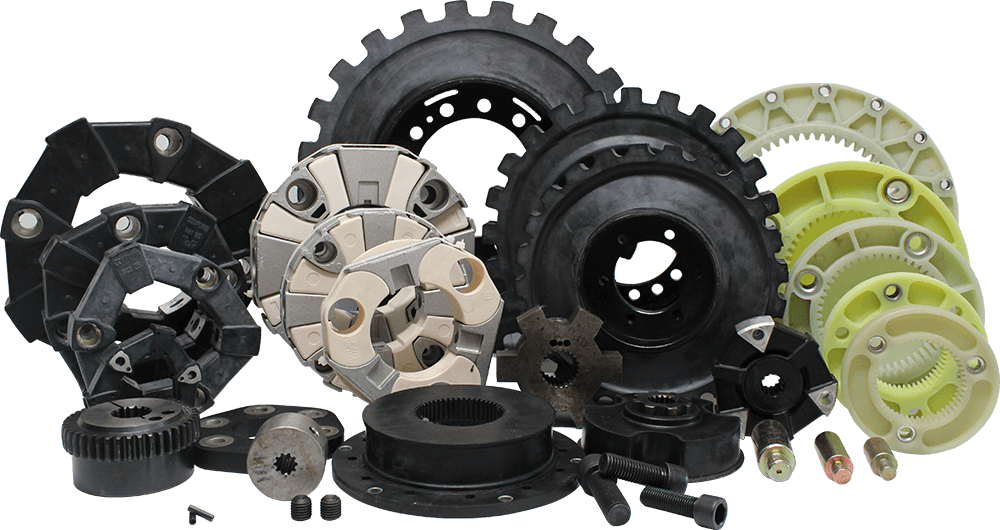

Machine leveling pads help keep machines steady and flat. You use them to hold up heavy equipment. This makes sure the machine does not move or shake. These pads do two main things. They let you change the height for perfect leveling. They also cut down on shaking that can hurt how machines work. When you use machine leveling pads, you get a strong and flat base for robots. This helps robots move the right way.
They cut down on shaking that can cause mistakes or break parts.
In car factories, they help line up machines, so every part fits well.
Key Takeaways
Machine leveling pads help keep heavy equipment steady. They stop the machines from moving and help them work right. Adjustable pads work well on floors that are not flat. You can change their height to make things level. Anti-vibration pads cut down on noise and shaking. This helps machines work better and last longer. Picking the right material for leveling pads is important. You can choose rubber, steel, or nylon. Each one works best for different jobs. Checking and taking care of leveling pads often keeps the workplace safe and efficient.
Types of Machine Leveling Pads

When you look for machine leveling pads, you will see a few main types. Each type is best for certain jobs and places.
Fixed and Adjustable
You can choose fixed or adjustable leveling pads. Fixed pads stay at one height and do not move. Adjustable pads let you change the height if the floor is not even. This helps keep machines flat and steady. The table below shows how they are different:
Feature | Adjustable Leveling Feet | Fixed Feet |
|---|---|---|
Height Adjustability | Yes (threaded adjustment) | No |
Ideal for Uneven Floors | Perfect solution | Not suitable |
Vibration Control | Available with anti-vibration | Limited or none |
Installation Flexibility | Easy to install and adjust | Static setup only |
Load Capacity Options | Wide range from light to heavy | Typically low to moderate |
Cost | Slightly higher, more flexible | Lower initial cost |
Best Use Cases | Machinery, workbenches, kitchen equipment | Cabinets, tables on flat floors |
Tip: If your floor is not flat, adjustable pads help you level machines.
Anti-Vibration Pads
Anti-vibration pads help stop shaking and loud sounds. You use them with big machines like presses and CNC machines. They also work for HVAC systems, generators, and test equipment in car factories. Here are some ways people use them:
Manufacturing: Heavy machines need less shaking for better work.
HVAC Systems: Pads help keep these systems quiet and steady.
Generators: Pads stop shaking so power stays steady.
Automotive: Pads help testing and assembly lines stay correct.
Materials Used
Machine leveling pads come in many materials. Each material has its own good points. The table below lists common materials and what they do well:
Material | Characteristics | Applications |
|---|---|---|
Low-carbon steel | Strong, tough, zinc-coated for rust protection | Machines, furniture, cabinets |
Nylon | Light, soft, absorbs shocks, resists chemicals | Bases for light jobs, indoor use |
Polypropylene (PP) | Stiff, chemical-resistant, durable | Bases that can bend and tilt |
Thermoplastic elastomer (TPE) | Flexible, rubber-like, absorbs shocks, grips floors | Heavy-duty feet for machines, conveyors |
Rubber | Non-slip, absorbs shakes, holds heavy loads | Covers and pads for feet or conveyors |
Nickel-plated shells | Shiny, rust-resistant, looks good | Where appearance and protection matter |
Stainless steel | Rust-proof, strong in tough conditions | Harsh environments |
Some pads use special rubbers like nitrile for oil, silicone for heat, or EPDM for outside. The right material helps your pads last longer and work better.
How Machine Leveling Pads Work

Leveling Mechanism
Machines need to be flat and steady to work well. Machine leveling pads help you do this. You can change the height of each leg with these pads. Most pads have a screw or a rod with threads. You turn the screw to move the pad up or down. This helps you make the machine level. Some special pads use hydraulic or pneumatic systems. These systems give you more control. They are good for very heavy machines or when you need fast changes.
Here is a table that shows how much you can adjust different leveling legs:
Type of Leveling Leg | Typical Height Adjustment Range |
|---|---|
Screw-Type Leveling Legs | 20 mm to 100 mm |
Hydraulic Leveling Legs | 50 mm to 300 mm or more |
Pneumatic Leveling Legs | 20 mm to 200 mm |
Adjustable Feet | 10 mm to 50 mm |
Screw-type and hydraulic legs let you change the height a lot. This helps you set up machines on floors that are not flat. Using the right adjustment keeps your machines safe and steady.
Tip: Always look at the adjustment range before you pick a leveling pad.
Vibration Isolation
Big machines can make strong vibrations. These vibrations can be loud or cause mistakes. Machine leveling pads help by soaking up these shakes. Many pads use rubber, cork, or both. Some pads also have cotton fibers to make them stronger.
Here is a table that shows how different pads help stop vibrations:
Source | Description |
|---|---|
Fabcel® LeveLers | Fabcel pads help with medium vibration problems. |
Fiberglass/Elastomeric Isolation Mounts | These mounts lower noise, shock, and vibration in buildings and factories. |
Anti Vibration Pads and Sheets | These pads have two sides and do not slip or lose balance. |
You can find these pads in many places:
Machines in factories like pumps and motors
HVAC systems and washing machines
Projects that protect buildings from earthquakes
Lab equipment that needs to stay still
The way vibration isolation works comes from the materials. Pads made with nitrile rubber and cork grip the floor and do not get hurt by oil. Cotton fibers help the pads last longer. This mix keeps machines quiet and steady.
Stability on Uneven Surfaces
Floors in factories are not always flat. Machine leveling pads help keep machines steady on rough or sloped floors. You can adjust each pad until the machine is level. This stops the machine from rocking or tipping.
Here are some important things about stability:
Leveling pads give your machines a safe, flat place to sit.
They are good for machines that must be lined up just right.
You get less shaking, better comfort, and safer work areas.
It is easier and faster to set up machines.
If you do not use the right pads, you can have problems:
Machines might wobble or fall, which is dangerous.
Heavy machines can hurt floors or walls.
Uneven floors make it hard to keep machines level.
Note: Always check the floor before you put in your machine. Make sure the pads touch hard ground and not bumps or soft spots.
Machine leveling pads are important for keeping machines safe and correct. They help you avoid mistakes, lower noise, and protect your machines and your team.
Benefits of Machine Leveling Pads
Improved Stability
It is important for machines to stay steady when working. Machine leveling pads help make the work area safer. They stop machines from tipping or sliding while in use. These pads also lower shaking at the bottom of the machine. This extra steadiness helps machines last longer and work better.
Machines are less likely to cause accidents when steady.
Pads keep machines still, even during tough jobs.
Pads help machines stay level, so they work more accurately.
Tip: When machines are stable, you get better results and a safer workspace.
Reduced Vibration
Vibration can cause mistakes and hurt machines. Machine leveling pads help block vibration and shock from the floor and other machines. This helps machines make better parts and keeps them in the right place.
Feature | Description |
|---|---|
Vibration Isolation | Pads stop vibration and shock from floors and other machines. |
Quality Improvement | You get smoother finishes and better products. |
Stationary Setup | Machines stay put and can be lined up just right. |
Rubber pads can stop over 90% of vibration. Composite pads give both steadiness and vibration control. Cast iron pads are good for heavy machines but do not stop as much vibration.
Less Wear and Tear
When machines are level and steady, their parts are safer. Machine leveling pads give machines a strong base. This cuts down on movement and shaking, so parts inside last longer.
Machines last longer because there is less damage.
You save money on repairs since machines break less often.
Machines keep working well, so you do not lose time fixing them.
Note: Leveling your machines the right way helps them last longer and saves you money.
Choosing Machine Leveling Pads
Selection Tips
It is important to pick the right machine leveling pads. First, check how much your machine weighs. The pads need to hold all that weight. Look at the mount and base type. Some bases can turn to lower stress. Stainless steel lasts a long time. Plastic is good for lighter machines. Make sure the pad fits your machine’s base size. If your machine shakes, use pads that stop vibration.
Factor | Description |
|---|---|
Load Capacity | Pads must hold the machine’s weight, from 20 to 42,000 pounds. |
Type of Mount | Male or female mounts change how pads fit your machine. |
Base Type | Swiveling bases are best for tough jobs. |
Material | Stainless steel, aluminum, and bronze have different strengths. |
Size | Check the base’s width and height to fit right. |
Vibration Control | Anti-vibration pads work best for machines like CNCs. |
Tip: YNF Rubber has many machine leveling pads for different jobs.
Common Applications
Machine leveling pads are used in many places. They help keep machines steady and safe in these spots:
Application Area | Specific Uses |
|---|---|
Industrial Machinery | Production lines, CNC machines, heavy-duty equipment |
Laboratory and Medical Equipment | Analytical instruments, medical devices |
Food and Beverage Industry | Processing equipment, hygiene compliance |
Office and Commercial Furniture | Desks, display fixtures |
Transportation and Logistics | Shipping containers, transport equipment |
Vibration Isolation | HVAC systems, audio equipment |
Outdoor and Harsh Environments | Solar panels, marine equipment |
Industries like car making, planes, and precision machines use these pads the most.
Installation Advice
You can put in machine leveling pads by following these steps:
Pick the right leveling method, like feet or wedges.
Make sure each foot holds the same weight.
Start with wedges set high, then lower them using gravity.
Mark the center of the base and the machine.
Use grout on the jack screw if you need it.
Level the base plate with jack screws or right on the plate.
Check if the machine is level with the right tools.
Plan to check the pads every six months or once a year.
Common Mistakes to Avoid | Description |
|---|---|
Overloading | Do not put too much weight on the pads. |
Incorrect Material Selection | Choose the right material for where you use it. |
Skipping Maintenance | Check pads often to keep machines safe. |
Improper Installation | Make sure pads are tight and lined up right. |
Note: Do not hurry or skip checks. Good setup keeps your machines safe and working well.
Picking the right machine leveling pads helps your machines stay steady and work better. These pads also help your machines be more accurate and shake less. If you choose and take care of the pads the right way, your machines will not get damaged as easily. This also makes your machines quieter and keeps people safer. You will not have to stop work as much, and your machines will last longer. Always look at what your machines need to keep your workplace safe and your equipment working well.
FAQ
What is the main purpose of machine leveling pads?
Machine leveling pads help you keep machines steady and flat. You use them to stop shaking and make sure your equipment works the right way.
How do you choose the right leveling pad for your machine?
You check your machine’s weight and base size. You pick a pad that fits and holds the load. If your machine shakes, you use anti-vibration pads. YNF Rubber offers many options.
Can you install machine leveling pads by yourself?
You can install most pads with simple tools. You adjust each pad until your machine sits flat. Always follow the instructions for safety.
How often should you check or replace machine leveling pads?
You should check your pads every six months or once a year. Look for wear or damage. Replace pads if you see cracks or if your machine starts to wobble.
Where can you buy high-quality machine leveling pads?
You can buy reliable machine leveling pads from YNF Rubber. They offer pads for many types of machines and jobs.