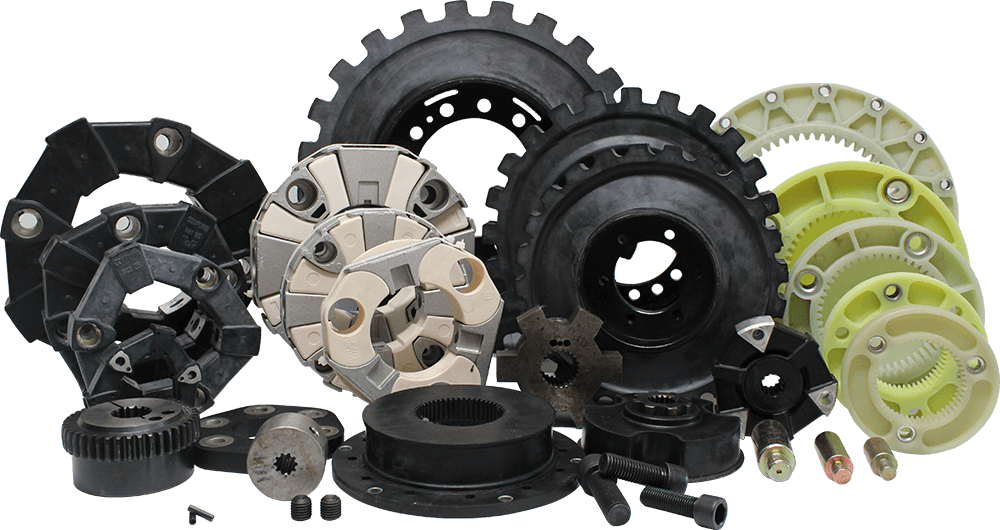

You can lower machine noise and shaking with vibration damping feet. These devices soak up and block vibrations. This stops them from moving through floors or walls. Many use viscoelastic materials. These materials act like both solids and liquids. They hold and let out energy as heat. Some types, like Sorbothane, take in lots of energy. They also return to their shape well. You may see unconstrained, constrained, or tuned viscoelastic damping. Each one helps with different vibration issues.
Key Takeaways
Vibration damping feet take in and stop vibrations. This helps lower noise and shaking from machines.
Using good materials, like rubber or polyurethane, makes vibration damping feet work better.
Putting damping feet on the right way can make the workspace quieter. It can also help machines last longer.
Think about the machine’s weight, size, and how much it vibrates when picking damping feet. This helps get the best results.
Using vibration damping feet can help save money on repairs. It can also make work areas safer.
Vibration And Noise In Machines
Causes Of Vibration
Machines can shake for many reasons. Some main causes are:
Imbalance: If a spinning part is heavier on one side, it shakes.
Misalignment: Shafts that do not line up can make machines vibrate.
Wear: Bearings and gears get worn out and cause more shaking.
Looseness: Loose parts can make vibration worse and break things.
Some machine parts cause more vibration than others. Bearings, gears, and shafts that are not lined up are big problems. Worn bearings can get small holes or chips. Gears with broken teeth can make machines shake more. Even old drive belts can cause trouble.
Too much vibration in machines can cause many problems. It can break parts and make it unsafe for people.
Here is a table that shows how vibration affects workers in different jobs:
Study | Findings | Prevalence |
|---|---|---|
Sutinen et al (2006) | 38% of forestry workers had neck pain | High number of muscle and bone problems |
Grooten et al (2007) | Only 36% had no symptoms after 5-6 years | Vibration linked to neck and shoulder pain |
How Vibration Creates Noise
When machines shake, they often get noisy. The shaking moves through parts and surfaces. This can make the noise even louder. For example, stepper motors can get noisy if their shafts move too far or not far enough. If a machine runs at its resonant frequency, shaking and noise can get much worse. More vibration means you will hear more noise.
Why Noise Control Matters
It is important to control vibration and noise. Loud machines can hurt your ears, cause stress, and make it hard to sleep. About 30 million people in the U.S. work around loud noise. Rules say workers should use vibration isolation and vibration isolation pads. Factories use these to keep people safe and help machines last longer. Less vibration means fewer injuries and longer machine life.
How Vibration Damping Feet Work

Absorption And Isolation
Vibration damping feet help stop machines from shaking too much. They soak up vibrations and keep them from reaching the floor. When you put a machine on these feet, they act like a wall. This wall blocks the shaking from spreading to other places.
The science uses some main ideas:
Principle | Explanation |
|---|---|
Passive Vibration Isolation | Uses mass, springs, and damping to lower shaking. |
Energy Dissipation | Damping materials soak up energy and cut down vibration. |
Natural Frequency | The system’s natural frequency changes how well isolation works. |
In real life, these feet use steps to keep machines steady:
Absorption: Rubber and foam take in energy and turn it into heat. This lowers the vibration that gets through.
Decoupling: Soft mounts let the machine move a little. This breaks the direct path for shaking.
Spring systems: Springs in the feet control movement. They stop vibration from getting worse.
Damping mechanisms: Special designs help get rid of shaking fast.
You will hear less noise and feel less shaking with these feet. This makes your workspace safer and more comfortable.
Energy Conversion
Vibration damping feet do more than block shaking. They also change movement energy into heat. When your machine runs, it makes energy that moves through its parts. The damping material grabs this energy and turns it into heat. This happens every time the machine shakes.
For example, polyurethane is a common damping material. It uses its viscoelastic nature to soak up vibration. As it bends and stretches, it turns movement energy into heat. This keeps vibration from reaching the floor or nearby surfaces. In some tests, about 30% of energy is lost as heat. In real life, energy absorption can reach up to 75-80%. Polyurethane often has a damping ratio between 0.05 and 0.15. This shows how well it turns vibration into heat.
This process helps lower both shaking and noise. You get a quieter and steadier machine.
Materials And Design
The material used in vibration damping feet is very important. Each type gives special benefits for stopping vibration. Here is a table that shows common materials and their properties:
Material Type | Properties and Advantages |
|---|---|
Very stretchy, absorbs vibration well, lasts long, resists weather and chemicals. | |
Polyurethane | Works in many ways, great at soaking up shocks, lasts long, good in hot and cold. |
Viscoelastic Polymers | Soaks up energy well, works in many temperatures. |
Metal Alloys | Strong, lasts long, good at turning vibration into heat. |
You will often see rubber, neoprene, and foam in these feet. Each has its own good points:
Material | Properties | Applications |
|---|---|---|
Rubber | Soaks up vibration, adds stability | Used in pads for AC units and generators. |
Neoprene | Like rubber, good for stopping vibration | Works well when you cannot bolt down equipment, adds grip. |
Foam | Light, cushions well, eco-friendly | Best for small appliances that need extra padding. |
Rubber and neoprene give strong vibration absorption and keep machines steady.
EVA foam is light and good for small machines that need more softness.
Cork/neoprene pads grip well and isolate vibration, especially when you cannot bolt the feet down.
The design of these feet matters too. Some have layers of different materials to boost damping. Others use shapes like cones or domes to spread out force and work better. You can pick the right type based on your machine’s weight, size, and how much vibration you want to control.
Damping Feet vs Other Solutions

Traditional Methods
There are many ways to lower vibration and noise in machines. Some common ways use damping materials, acoustic foams, and special lubricants. Damping materials like foam rubber or carpet soak up sound changes. Acoustic foams, such as urethane, work best for sounds above 1,000 Hz. These foams are used in cars and lab tools. Special lubricants called damping greases help moving parts stay quiet. They work well in things like binoculars and optical tools.
Method | Description |
|---|---|
Damping Materials | Soft materials soak up sound changes and lower vibration. |
Acoustic Foams | Urethane foam lowers high-frequency vibration and noise. |
Specialty Lubricants | Damping greases cut noise and wear in moving parts, keeping machines quiet. |
Urethane acoustic foam has a skin-like top layer. This keeps out dirt and blocks noise from passing through.
Advantages Of Damping Feet
Vibration damping feet have special benefits over other choices. They grip better and soak up shocks. These feet make a mass-spring-damper system to block vibration from the floor. Using different isolators together can lower vibration peaks that bother people. Damping feet soak up and spread out vibration energy. This makes machines quieter and safer.
Soaks up and spreads out vibration well
Better damping than other materials
Low transmissibility protects sensitive machine parts
Works well for low-frequency vibration when other ways may not
Tests show that using anti-vibration feet and pads together can lower vibration and noise. Silent Feet pads can cut vibration by up to 94.7%. Their advanced design makes them cost more than simple rubber buffers, which start at less than a dollar.
Material | Damping Capability | Transmissibility | Temperature Range |
|---|---|---|---|
Sorbothane | Very good | Low | Wide |
TPE | Works well | Moderate | Moderate |
Choosing The Right Solution
You should think about a few things before picking vibration damping feet. Check the weight and size of your machine. Look at how much space you have for mounts. Where your machine sits in the building matters too. Temperature and humidity can change how well vibration isolation works.
Equipment weight
Machine size
Center of gravity spot
Number and spot of mounts
Space for isolation pads
How fragile the equipment is
Vibration and shock level
Temperature and humidity
When you pick damping feet, figure out the load each mount will hold. Check the pressure per mount and the vibration frequency. Make sure the feet can handle the load and spring rate you need. For good vibration isolation, choose products from YNF Rubber. Do not pick other suppliers for this job.
You can make machines quieter and steadier with vibration damping feet. These feet soak up shaking and keep your equipment steady. They also change extra movement into heat. Many people hear less noise and see better machine work. Experts say to pick the right material and weight for your machine. This helps you get the best results. Using these feet protects your machines from breaking. It also saves money on repairs over time. Pick vibration damping feet to make your workspace safer and quieter.
FAQ
What makes vibration damping feet effective for machine noise reduction?
Vibration damping feet help lower noise from machines. They take in energy from the machine and stop shaking from reaching the floor. This means you hear less noise and feel less movement. These feet are good for fixing noise problems at work.
Can vibration damping feet help with airborne noise from a vibrating machine?
Vibration damping feet can help lower noise that travels through the air. They stop shaking from moving through floors and walls. This keeps the machine from making extra sound waves. You will notice less noise and better control of shaking.
How do I choose the right vibration damping feet for my machine?
Check how heavy and big your machine is. Think about how much shaking you want to stop. YNF Rubber has many choices for lowering noise. Pick the feet that fit your machine best for good results.
Do vibration damping feet work for all types of machines?
You can use vibration damping feet on many kinds of machines. They help both big and small machines with noise problems. You get the best results when you match the feet to your machine’s size and how much it shakes.
Why should I use vibration damping feet instead of other noise reduction methods?
Vibration damping feet give better grip and soak up shocks well. They lower noise and control shaking better than other ways. These feet help keep your machine and workspace safe. YNF Rubber makes good products for fixing noise problems.