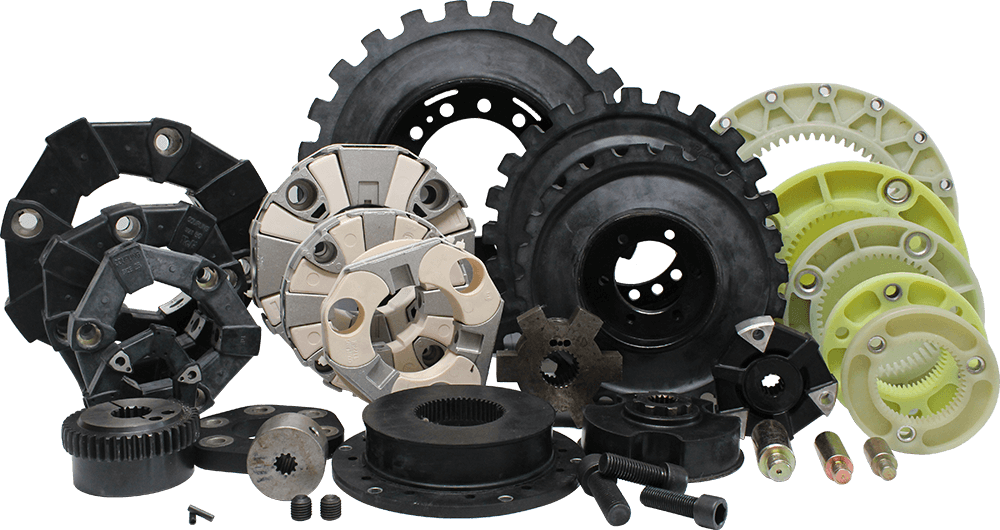

You need metal bushes to help your heavy equipment work well. These round parts can be removed and fit tightly in machine joints. They protect moving parts from damage. Bushings lower friction, reduce wear, and make less noise when the machine runs. If bushings break, your equipment can have big problems. Wear and fatigue cause 34% of heavy machine failures.

Picking and caring for the right bushing helps your machine last longer. It also helps your equipment work better each day.
Key Takeaways
Metal bushings help parts move with less rubbing. They stop parts from wearing out fast. This helps heavy equipment work well and last longer.
Picking the right bushing material is important. Steel or bronze can handle heavy loads. Good materials mean less fixing is needed.
Check bushings often and keep them in good shape. This stops big problems and keeps machines working their best.
Bushings help lower noise and shaking. This makes work safer and more comfortable for everyone.
Buying good bushings saves money over time. It also helps machines work better and faster.
Metal Bushes in Machinery

What Is a Metal Bushing
A metal bushing is a simple, round sleeve. It fits between moving parts in heavy equipment. This part acts like a barrier. It stops metal surfaces from touching each other. You can think of it as a shield. It takes in stress and helps machines work smoothly. Metal bushes use strong materials like steel or bronze. These materials make the bushing tough. It can handle heavy loads and lots of movement.
Tip: Metal bushings are not the same as nylon or plastic bushings. Metal bushings last longer and are stronger. This makes them great for heavy-duty jobs.
Here is a table that shows how bushing materials and designs change how they work:
Material Type | Advantages | Design Features |
|---|---|---|
Steel | Very strong, good for heavy loads in tough jobs. | Flange or shoulder helps with alignment, grooves help with lubrication. |
Composite Materials | Needs less oil, does not rust, easy to care for. | Self-lubricating, solid lubricants inside so you need less oil. |
Steel bushings are used in mining, construction, and farm equipment. Composite bushings are good when you want less upkeep and more rust protection.
Core Function in Machinery
A metal bushing does more than fill space. Bushings help lower friction between moving parts. This makes your equipment last longer and work better. When you put in a bushing, parts can slide or turn easily. This stops metal parts from rubbing together.
Metal bushes:
Lower friction between parts
Hold up heavy loads
Help machines work better
Cut down on shaking and noise
Bushings also take in shocks and vibration. This keeps your machines safe from sudden hits. Using bushings makes your equipment quieter. You save money because bushings stop damage to costly parts.
Steel bushings are great at handling lots of stress. They often have flanges to keep them in place. Grooves help lower friction. These things make steel bushings a top pick for tough work.
Note: Metal bushings, sometimes called plain bearings, are not the same as ball bearings. Ball bearings use rolling parts. Bushings use smooth sliding.
Using good bushings is worth it. For example, a mining company saved $200,000 each year by using better bushings. Another company made their parts last 30% longer after upgrading bushings.
Weather can change how bushings work. Wet air can cause rust. Very hot or cold weather can make metal change shape. You should check bushings for rust or damage, especially if your equipment works in tough places.
Bushings help the environment too. Bronze bushings can be made from recycled stuff. They last a long time, so you do not replace them often. This means less trash. Some bushings, like aluminum bronze, can be recycled and do not use plastic, which helps stop pollution.
How Bushings Work
Friction and Wear Reduction
Bushings help your heavy equipment work better. When two metal parts move, they rub together. This rubbing is called friction. Friction makes heat and can wear down parts. It can even break them. Metal bushes sit between these moving parts. They act like a wall to stop direct contact. This helps lower friction and slows down wear. Using the right bushing keeps your machines from breaking early.
Tribology is the science of how surfaces move together. It uses ideas from physics, chemistry, and engineering. This science explains why bushings are important in heavy equipment. The main goal is to lower friction and wear. This helps your machines last longer.
Principle | Description |
|---|---|
Friction | The force you feel when two things slide together. |
Wear | When a surface slowly loses material from moving again and again. |
Lubrication | Using oil or grease to make moving parts slide easier. |
Bushings are made from strong materials like steel or bronze. Steel bushings are good for tough jobs. They can hold heavy loads and lots of movement. You find steel bushings where extra strength is needed. Some bushings use self-lubricating materials like PTFE or graphite. These materials make their own lubrication. You do not need to add oil as much. This is good when you want less upkeep.
Self-lubricating bushings:
Use PTFE or graphite.
Do not need extra oil.
Work well in important jobs.
Need less care.
You might see plain bearings, thrust bearings, or roller bearings in your machines. Each type helps lower shaking and friction in its own way. Ball bearings use rolling parts. Bushings use smooth sliding. Both help your machine parts last longer.
Noise and Vibration Control
Bushings do more than lower friction. They also help control noise and vibration. When metal parts hit or rub, they can be loud. Vibration can shake your machine and cause harm over time. Bushings soak up some of this energy. They work like a cushion between moving parts.
You hear less noise when bushings work well. This makes your worksite safer and nicer. Vibration control also keeps other parts safe. Steel bushings give strong support and less shaking. This matters in heavy equipment, where vibration and friction can cause big trouble.
Bushings help keep machines steady. They stop parts from moving out of place. You get smoother work and fewer breakdowns. Thrust bearings and roller bearings also help with vibration. But bushings are often the first thing to help.
Tip: Check your bushings often. Worn bushings can make more noise and shaking. Change them on time to keep your equipment quiet and smooth.
Bushings are important for both friction and vibration control. They protect your machines and help them work better every day.
Types and Materials of Bushings
Common Types in Heavy Equipment
Heavy machines use many kinds of bushings. Each kind has a special job. Bushings help machines work better and last longer. Here is a table that shows some common bushings and where they are used:
Type of Bushing | Application Description |
|---|---|
Used in vehicle suspension systems to balance ride quality and durability. | |
Rotary Bushings | Common in operations needing precision machined parts. |
Sleeve Bushings | Control friction and wear in dynamically-loaded applications like loader arms. |
Plastic Bushings | Used in dry kiln cartwheels at lumber drying facilities. |
Sleeve bushings are found in buckets, cylinders, and tracks. They help lower friction and stop parts from wearing out fast. Spherical bushings let joints move in different ways. This is good for places with lots of shaking. Drill jig bushings help make holes in metal in the right spot. Hydrodynamic and Babbitted journal bearings hold up engine crankshafts. Thrust bearings and roller bearings help with heavy loads and moving parts.
Tip: Plain bearings and bushings slide smoothly. Ball bearings and roller bearings use rolling parts instead.
Steel and Other Materials
You must pick the right bushing material for each job. Steel bushings are best for tough work in heavy machines. They are very strong and can hold heavy weights. Steel bushings last a long time because they do not wear out quickly. You see them in loader arms, excavator buckets, and track rollers. These parts get used a lot every day.
Steel bushings have some good points:
Can carry heavy loads
Can be made for special jobs
Good for hard work
But steel bushings need oil often to work well. They are heavier than composite bushings. They can rust if not made from stainless steel. Bronze bushings are smooth and do not wear out fast. But they may not be strong enough for the biggest jobs. Stainless steel bushings do not rust and work well in rough places, but they cost more.
Composite or plastic bushings are good when you want less work or need to stop rust. Plastic bushings are used where there is lots of water or chemicals.
Bushings are strong, save money, and are easy to change. You can use them in hot, cold, or harsh places. This makes bushings a smart pick for many machine parts.
Applications in Heavy Equipment

Locations of Bushings
Bushings are found in many places on heavy equipment. These small parts are very important for machines. You can see bushings in:
Dozers
Excavators
Tracked skid loaders
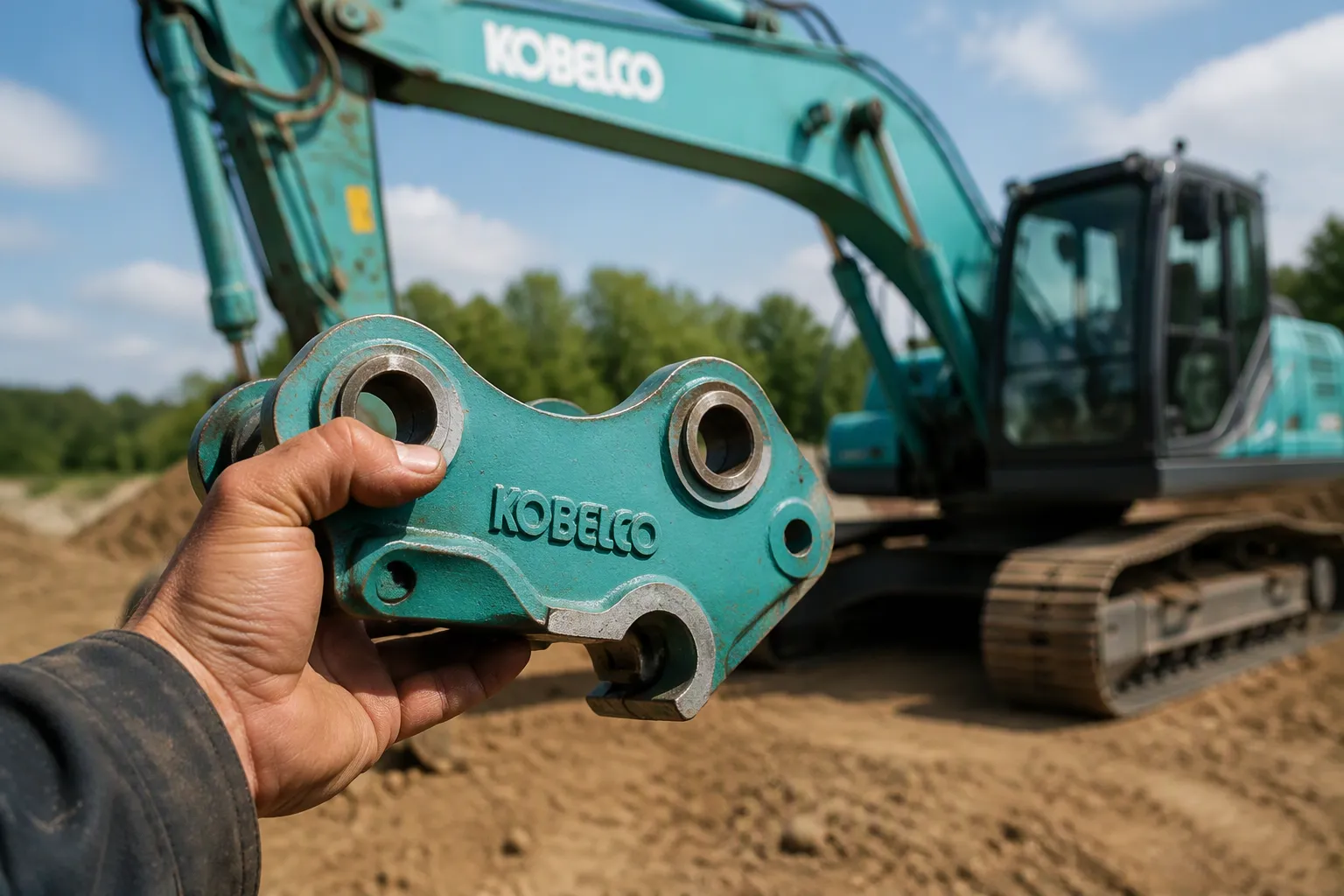
Machines like excavators, loaders, and cranes use bushings in special spots. Bushings are in the boom and arm joints. These joints help the digging arm move easily, even with heavy loads. Bucket bushings are at the bucket’s connection points. They help the bucket move and stop fast wearing in busy spots. Hydraulic cylinders have bushings at the ends and where they mount. These bushings keep the system lined up and lower friction. In the undercarriage of tracked excavators, bushings are in rollers and idlers. They help the tracks move and spread out the machine’s weight.
Bushings are also in gearboxes, suspension systems, and drills. Each place needs the right bushing for the job.
Benefits for Machinery
Bushings help machines in many ways. They make equipment last longer and work better. Here is how bushings help:
Bushings lower friction between moving parts. This makes machines work better and stops fast wearing.
They soak up vibration. This keeps machines running smooth and protects other parts.
Good bushings keep machines working without long stops. They help stop big breakdowns and save time.
Metal bushes like steel bushings can hold heavy loads. They are strong for hard jobs and last a long time.
Polymer bushings can handle very hot or cold places and chemicals. They keep their shape and strength in tough spots.
Self-lubricating bushings do not need much extra oil. This means you do not have to do as much work.
In gearboxes, suspension systems, and drills, metal bushings lower noise and shaking. They also fight off damage and rust, so they are good for hard jobs.
Thrust bearings and ball bearings help parts move smoothly too, but bushings are used in the hardest places.
Modern machines need bushings to work quietly and well. Picking the right bushing keeps your machine’s important parts safe. For the best results, choose a trusted supplier. YNF Rubber has good metal bushes for all your heavy equipment.
Metal bushes help heavy equipment work better. They cut down on friction, wear, and noise. The right bushing type and material make machines last longer. They also help machines work well.
Bushing Type | Key Benefits | Best Use Cases |
|---|---|---|
Steel-backed bushings | Very tough, less friction | Hard jobs with heavy loads |
Bronze bushings | Good against wear, controls heat | Used in big machines |
Polymer bushings | Slides easily, needs little oil, fights rust | Jobs with little upkeep |
Graphite composite | Works in tough places, makes its own oil | Used in heavy machines |
To keep bushings working, do these things:
Add oil often to lower friction and heat.
Clean bushings to stop dirt from hurting them.
Check bushings to find problems early.
Train workers so they do not make mistakes.
Adding oil helps machines last longer and work better. This simple habit makes machines run smoother.
Pick bushings carefully and take care of them often. This keeps your machines safe and saves money. YNF Rubber has strong metal bushes for all heavy equipment.
FAQ
What is the main job of a metal bushing in heavy equipment?
A metal bushing helps moving parts slide smoothly. You use it to lower friction and stop parts from wearing out fast. It also helps your machine work quietly.
How often should you check or replace bushings?
You should check bushings during regular maintenance. Look for signs of wear, noise, or loose parts. Replace bushings if you see damage or if your machine starts to shake or make noise.
Can you use any type of bushing in heavy equipment?
No, you need to pick the right bushing for each job. Heavy equipment often needs strong metal bushings. YNF Rubber offers bushings made for tough work.
What happens if you ignore worn bushings?
Worn bushings can cause more friction and noise. Your machine may break down faster. You might spend more money on repairs if you do not replace them in time.
Why choose YNF Rubber for metal bushes?
YNF Rubber gives you strong, reliable metal bushes. You get parts that last longer and help your equipment work better. Many people trust YNF Rubber for heavy equipment needs.