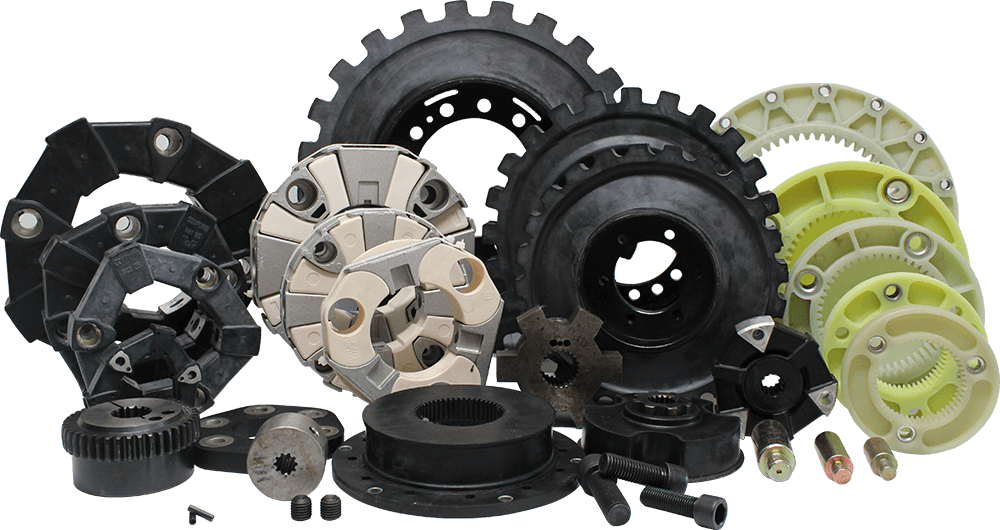

You might call equipment feet leveling feet or adjustable feet. These are small parts, but they are important. They help machines stay steady and safe. Using the right equipment foot gives you many good things:
Your machinery stays level, even if the floor is uneven.
Vibrations go down, so your equipment is safer and lasts longer.
Your floors do not get scratched or damaged.
If you do not use proper equipment feet, machines can wobble. They can wear out fast or even be unsafe.
Key Takeaways
Equipment feet help machines stay steady on bumpy floors. They stop machines from shaking and causing accidents.
The right equipment feet cut down on shaking. This helps machines last longer and run more quietly.
If you install equipment feet the right way, floors do not get damaged. It also makes cleaning much easier.
Check equipment feet often and change them if needed. This keeps things safe and stops expensive repairs.
Pick adjustable equipment feet for different floor types. This makes machines more stable.
Equipment Foot for Stability

Preventing Movement
Machines need a strong base to stay steady. An equipment foot helps stop machines from moving or tipping over. When you use equipment feet, you hold machines in place. This keeps them from sliding or shifting, even if they shake or work hard.
Here is a table that shows how equipment feet stop movement:
Mechanism | Description |
|---|---|
Anchoring | Machines that stay in one spot use anchoring to stop moving. |
Guards | Guards block hands from danger and make things safer. |
If you work in a busy shop, you know machines must stay put. For example, in a factory, adding guards and anchoring cut injuries by 75% in six months. On building sites, better guards and training made accidents happen less. In food plants, fixed guards and safety tools helped workers feel safe and lowered problems.
Leveling on Uneven Floors
Floors in factories are not always flat. You need your machines to stand level to work well. Equipment feet let you change the height of each leg. This helps you balance your machine, even if the floor is sloped or bumpy.
Here is a table that shows how equipment feet help with leveling:
Feature | Description |
|---|---|
Height Control | You can change the height to level machines on uneven floors. |
Stability | Good support stops tipping and helps machines work better. |
Vibration Control | Less shaking helps your machine last longer and work well. |
Surface Protection | Stops floors from getting scratched by wobbly machines. |
You can use leveling feet for heavy machines, lab tools, food machines, and office desks. This gives you better balance and safer use. In labs, leveling feet keep tools working right. In food plants, they help keep things steady and safe. In shipping, they keep containers steady for safe travel.
Most equipment feet have a screw and a strong pad. You can change the height easily. Some can hold from 20 pounds up to 42,000 pounds. You see them in factories, planes, hospitals, and shipping. They come in many sizes and shapes, so you can pick what you need.
Tip: Always make sure your equipment foot is put on right. Good installation gives you the best safety and steadiness.
Vibration Control

Reducing Wear
You can keep machines safe by lowering vibration. An equipment foot with vibration-damping features soaks up energy that would shake your machine. This stops parts from wearing out too fast. Many equipment feet use rubber or elastomer materials. These materials soak up vibrations and spread out the weight. When you cut down vibration, you also make less noise and stop movement.
Here are some materials that help with vibration control:
Material | Key Features |
|---|---|
Aearo Shock-Absorbing Mounts | Ready-made, strong elastomers, tough, flame and wear resistant, RoHS compliant |
Sorbothane | Very damped, viscoelastic polymer, great damping, low creep, works in many temperatures |
If you cut vibration in half, bearings can last up to eight times longer. Even small drops in vibration help a lot. Using the right oil also helps lower vibration and keeps machines working longer.
Tip: Check your equipment foot often for damage and change it if needed. This keeps your machines safe and working well.
Enhancing Safety
Vibration control does more than protect machines. It also keeps you and your coworkers safe. Anti-vibration pads soak up machine shakes and lower injury risk. They help make the workspace quieter, which protects your ears. Less vibration means less tiredness and fewer health problems for workers.
You can see these safety benefits in many places:
Anti-vibration pads lower dangers from big machines.
They stop vibrations from moving to other things and causing harm.
Lower noise helps stop hearing loss and other work sicknesses.
Workers feel better and stay safer with less vibration.
A good equipment foot helps you follow safety rules and keeps your workplace safe. You protect your machines, your floors, and your team.
Floor Protection
Preventing Damage
You want your floors to last. Heavy machines can scratch, dent, or even crack the surface if you do not use the right support. An equipment foot helps spread the weight and keeps sharp edges away from the floor. This stops damage before it starts. Different floors need different base pads. For example, tile and epoxy floors work best with rubber or TPU pads. These pads stop slipping and scratching. Wood or PVC floors need soft rubber pads. These pads spread out the pressure and keep dents away. In wet or chemical areas, you should use corrosion-resistant stainless steel or special rubber pads. These keep their grip and do not break down.
Flooring Material | Recommended Base Pad Material | Reason |
|---|---|---|
Tile / Epoxy | Rubber or TPU pad | Prevents slipping and surface scratching |
Wood / PVC | Soft rubber pad | Distributes pressure to avoid dents |
Chemical / Wet Area | Corrosion-resistant stainless steel or rubber | Prevents degradation and maintains grip |
If you protect your floors, you save money. You do not need to fix or replace them as often. You also keep your workspace safe and looking good.
Clean Workspaces
A clean workspace helps you work better and safer. Equipment feet make cleaning easier. They lift machines off the floor, so you can sweep or mop under them. You do not have to move heavy machines to clean up spills or dust. This keeps dirt and germs away. Clean floors also stop slips and falls.
You also save money in other ways:
High-quality floors last longer and do not need many repairs.
Seamless floors are easy to clean, so you spend less on upkeep.
Fewer accidents mean you spend less on worker injuries.
When you use the right equipment foot, you protect your floors and make your workspace safer and cleaner.
Adaptability & Installation
Adjusting to Surfaces
You need equipment feet that can handle many types of floors. Machines often sit on concrete, tile, foam, or even uneven ground. Good equipment feet adapt to these surfaces and keep your machines steady. When you use adjustable feet, you can change the height and angle to match the floor. This helps your machine stay balanced and safe.
Equipment feet adjust to uneven surfaces by changing their step parameters.
On soft or foam floors, you get a wider base of support. This makes your machine more stable.
Shorter and slower steps help prevent slipping on tricky surfaces.
Increased hip and knee flexion in the design improves clearance, so your machine does not trip or catch.
A flat-footed approach at the end of movement lowers the risk of slipping.
You can see how these features help in busy factories, labs, or kitchens. Machines stay level and do not wobble, even if the floor is not perfect. You protect your equipment and your team.
Tip: Choose equipment feet with rubber or anti-slip pads for the best grip on smooth or wet floors.
Easy Mobility
You want to move your machines quickly and safely. Adjustable equipment feet make installation and relocation much easier. You can level your machine in minutes, not hours. This saves you time and effort.
Adjustable feet let you set the exact height for each leg. You get precise leveling for every machine.
Proper leveling means less wear and fewer repairs. Your equipment lasts longer.
The right feet also lower vibration, which protects machine parts.
When you pick equipment feet from YNF Rubber, you get reliable products that fit many surfaces. Their feet help you install and move machines with less hassle. You spend less time on setup and more time getting work done.
Note: Always check that your equipment feet are tight and secure after moving your machine. This keeps everything safe and stable.
Risks of Poor Equipment Foot
Accidents & Malfunctions
If you use bad or missing equipment feet, your workplace is not safe. Machines can become shaky and cause big accidents. These dangers can happen in many places. Here are some common accidents from unstable machines:
Moving parts can catch loose clothes or even a hand.
Heavy machines can tip over on bumpy ground.
Workers can get trapped and suffocate in grain bins or silos.
Grain dust can explode if equipment is not kept up.
Combines or harvesters can cut off body parts if guards break.
Forklifts can hurt or even kill people in accidents.
Trucks or forklifts can hit workers and cause injuries.
Machines that wobble or tip can make people fall from high places.
Automated guided vehicles can crush or trap workers if sensors fail.
Delivery trucks and semi-trucks can crash and hurt people away from work.
Unstable machines can also break down more. You might see them stop suddenly, get jammed, or even catch fire. These problems can stop your work and put everyone in danger.
Shortened Lifespan
Using the wrong equipment foot can cost you a lot of money. Machines that shake or lean break faster. You will need to fix them more often. This means more time lost and bigger repair bills. Look at these costs from poor maintenance:
Description | Estimated Cost |
|---|---|
Unplanned downtime costs manufacturers | Up to $50 billion/year |
2016 losses due to preventable maintenance issues | $119.1 billion |
Losses due to downtime | $18.1 billion |
Losses due to defects | $0.8 billion |
Lost sales from delays and defects | $100.2 billion |
Financial cost of unplanned downtime for FG500 | $864 billion |

If you use weak feet, your machines break down more. You lose time and money. Bad design often skips easy ways to fix things. This means you pay more for repairs and lose work time. Machines that break a lot can mess up your plans and make work less safe for everyone.
Note: Always look at your equipment feet and change them if they are damaged. Doing this can help you save money and keep your machines working longer.
You gain many benefits when you use the right equipment foot. Your machines stay stable, run quietly, and protect your floors. To get the best results, follow these steps:
Measure your machines to find the right fit.
Check the floor type before you choose a foot.
Install and adjust each foot for balance.
Walk around the machine to test for wobbling.
Clean and inspect the feet often. Replace them if you see damage.
You keep your workplace safe and your machines working longer when you pay attention to these details. Take time to check your setup and make sure every machine stands strong.
FAQ
What are equipment feet made of?
You find equipment feet made from rubber, stainless steel, plastic, or elastomers. Each material gives you different benefits. Rubber helps with vibration. Stainless steel resists rust. YNF Rubber offers strong and reliable options for many machines.
How do I choose the right equipment foot?
You should check your machine’s weight and the type of floor. Pick a foot that matches both. Adjustable feet work best for uneven surfaces. YNF Rubber provides many choices to fit your needs.
Can equipment feet help with noise reduction?
Yes! Equipment feet with rubber or special pads absorb vibrations. This lowers noise in your workspace. You get a quieter and safer environment.
How often should I inspect equipment feet?
You need to check equipment feet every month. Look for cracks, wear, or loose parts. Replace damaged feet quickly. Regular checks keep your machines safe and stable.
Where can I buy high-quality equipment feet?
You can buy reliable equipment feet from YNF Rubber. They offer many types for different machines and floors. Their products help you keep your equipment stable and safe.